Hoi An Weather in November 2026: Rain, Floods & Travel Tips

Hoi An Weather in November 2026: Rain, Floods & Travel Tips
Is visiting Hoi An in November a bad idea? November falls within the rainy season in Central Vietnam, so you should prepare for frequent rain, humid weather, and the possibility of flooding.
However, Hoi An does not flood every day. You can still explore the Ancient Town, enjoy local cuisine, and discover Vietnamese culture if you plan your itinerary carefully.
So, what should you know before visiting Hoi An in November? Join Ms. Tấm from Truong Sa Tourist Vietnam DMC as we explore the weather conditions and share practical travel tips for your trip.
 What Is the Weather Like in Hoi An in November?
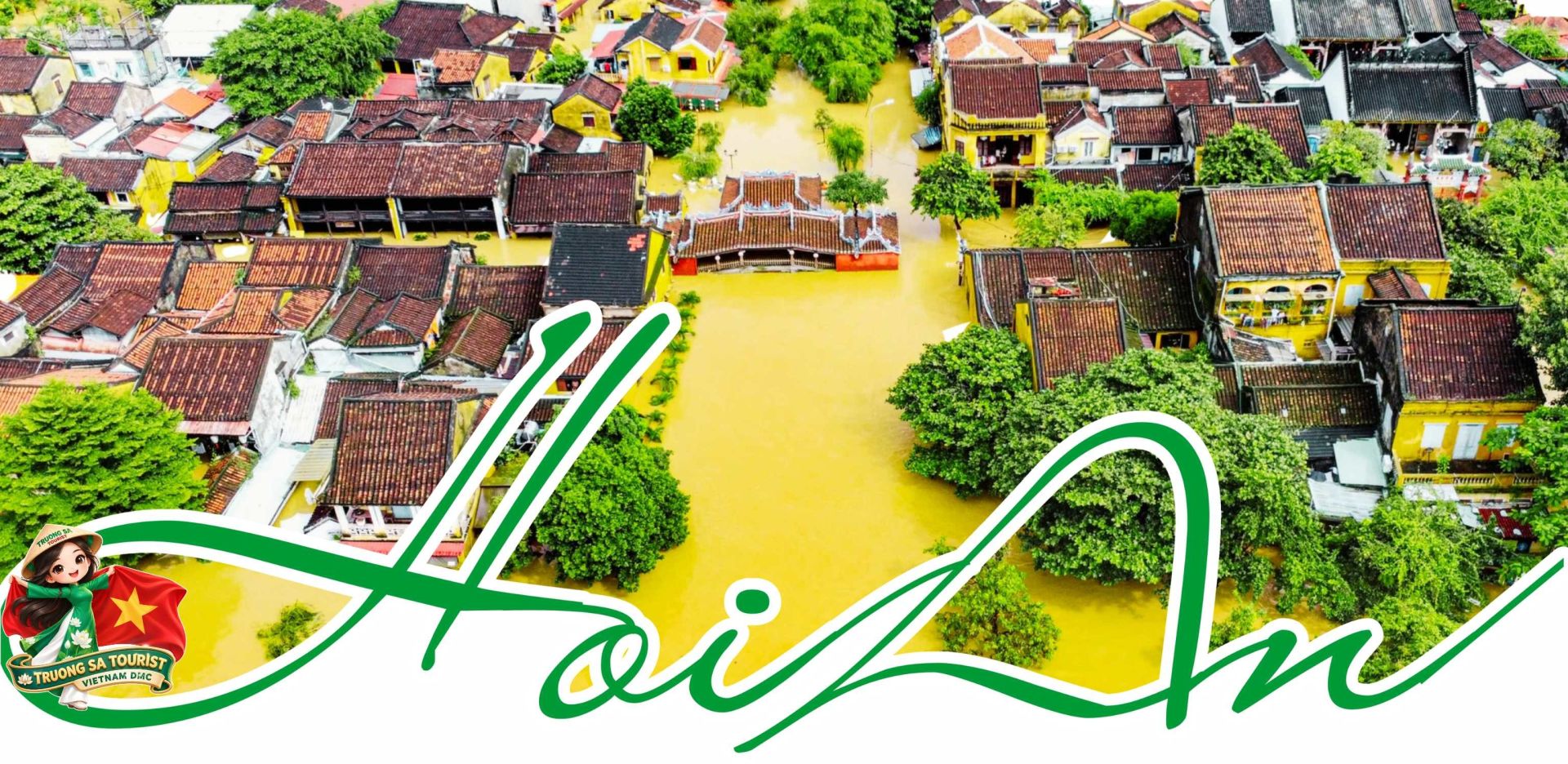
November falls within the peak rainy season in Central Vietnam. Hoi An typically experiences high humidity, cloudy skies, and periods of moderate to heavy rainfall. Temperatures generally remain warm, but rain, wind, and overcast conditions can make the weather feel cooler and more comfortable than during the summer.
It is important to distinguish seasonal climate patterns from actual daily weather conditions. Historical climate patterns indicate that November is among the wetter periods of the year, but they cannot determine whether a particular day will be sunny, rainy, or affected by flooding.
November Average Temperature
24.4°C
November Rainfall
459 mm
November Maximum Temperature
26.3°C
November Minimum Temperature
23°C
 Some mornings may be suitable for walking through the Ancient Town, visiting historic houses, or exploring local markets. However, prolonged rainfall can disrupt outdoor sightseeing and other planned activities.
For more accurate planning, check the latest weather forecast shortly before departure, especially if your itinerary includes river activities or travel outside the city.
 Is Hoi An Flooded in November?
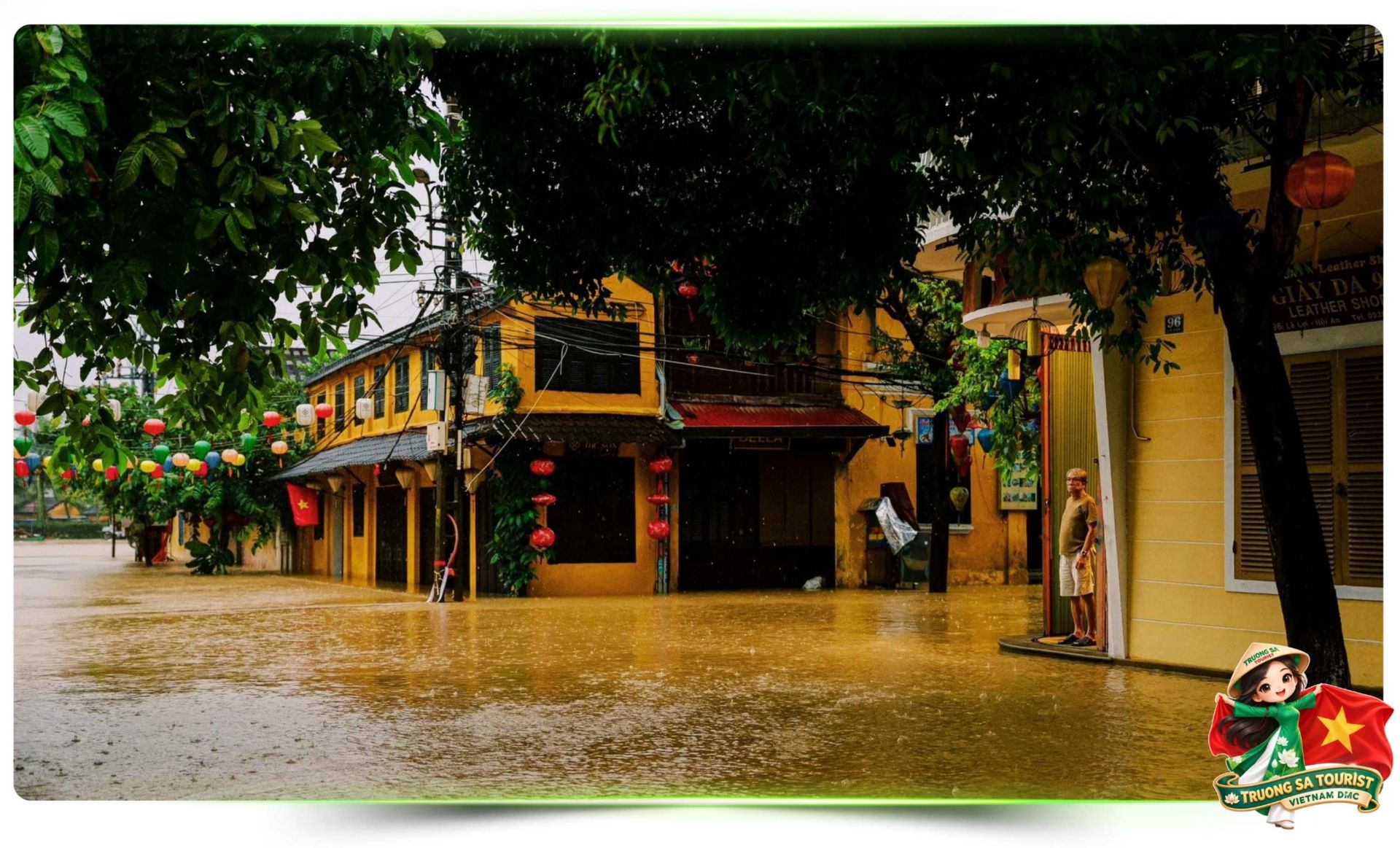
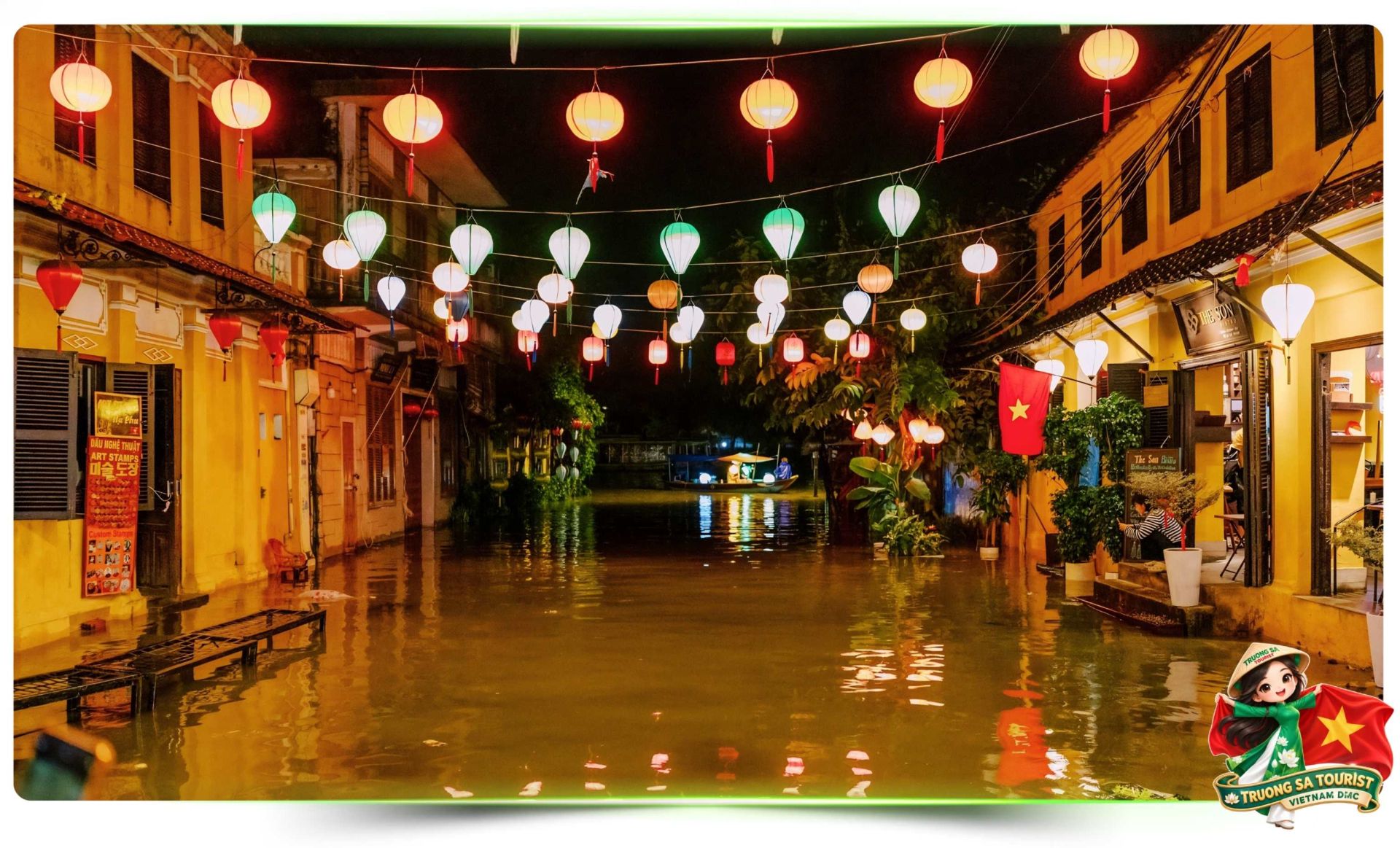
Flooding is a genuine risk during Hoi An's rainy season, but it would be inaccurate to assume that the entire Ancient Town remains flooded throughout November.
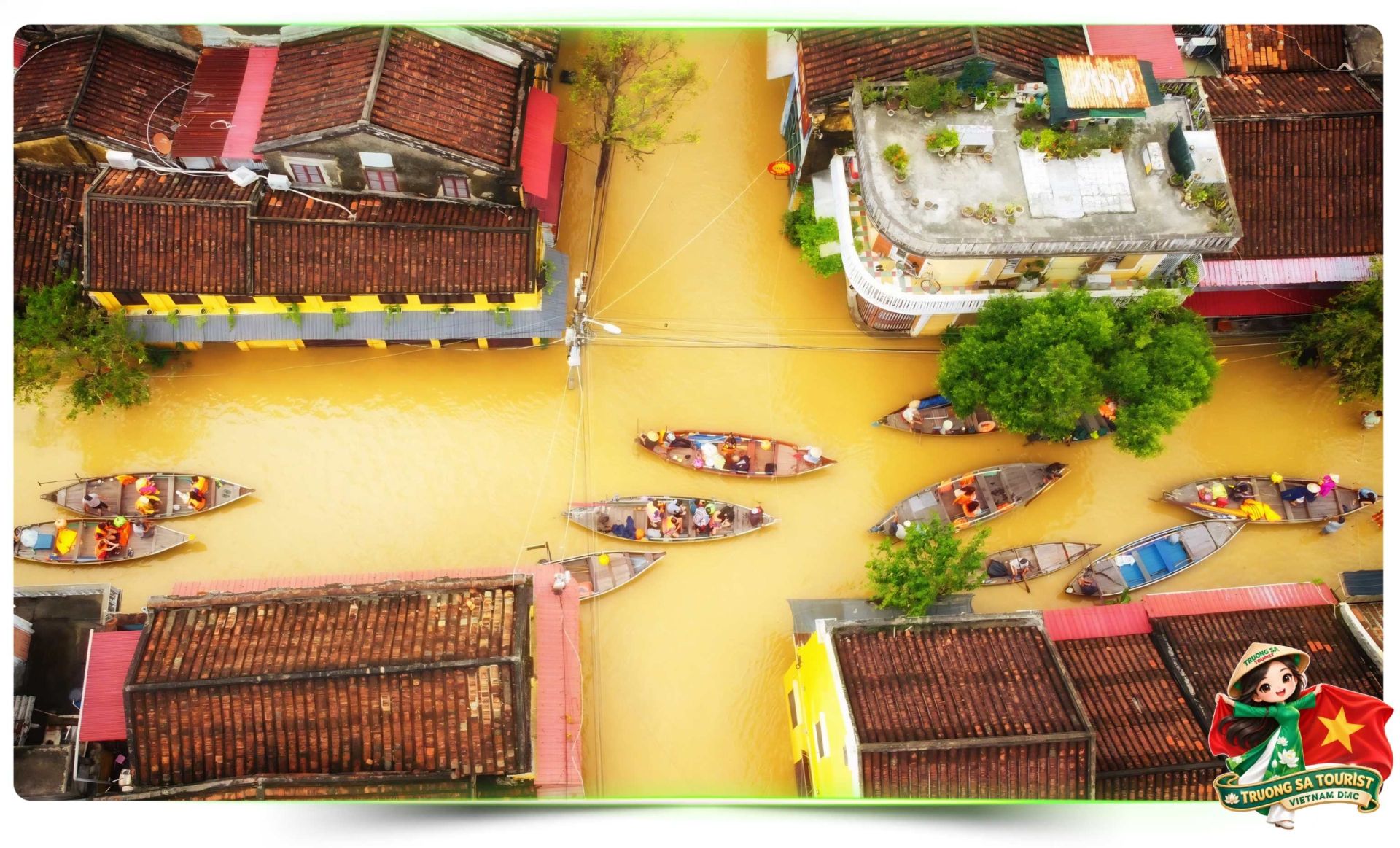 The Thu Bon River system, heavy rainfall upstream, river water levels, and tidal conditions can combine to cause flooding in low-lying areas. Some parts of the Ancient Town face a higher risk because of their proximity to the river and historic waterways.
Flooding can affect pedestrian access, ground-floor businesses, hotel entrances, and roads connecting Hoi An with nearby areas. The extent and duration of disruption depend on the development of each rainfall or flood event. Do not rely on photographs or information from previous years to determine whether a particular road is safe at the time of your visit.
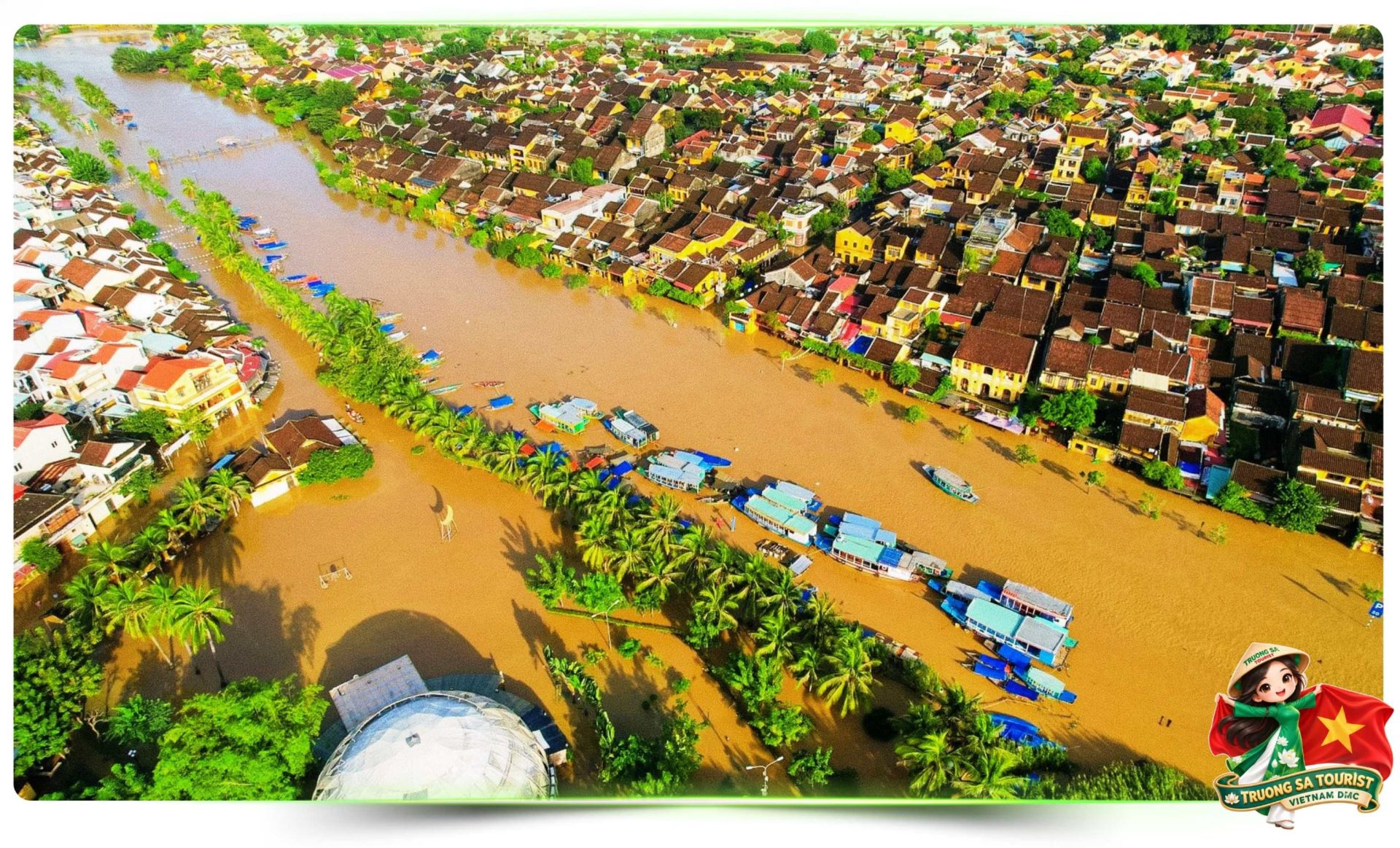 If heavy rain or rising water levels are reported, follow local authority instructions and contact your accommodation directly for information about road access. Do not walk or drive through floodwater, enter fast-flowing water, or attempt boat trips in dangerous conditions.
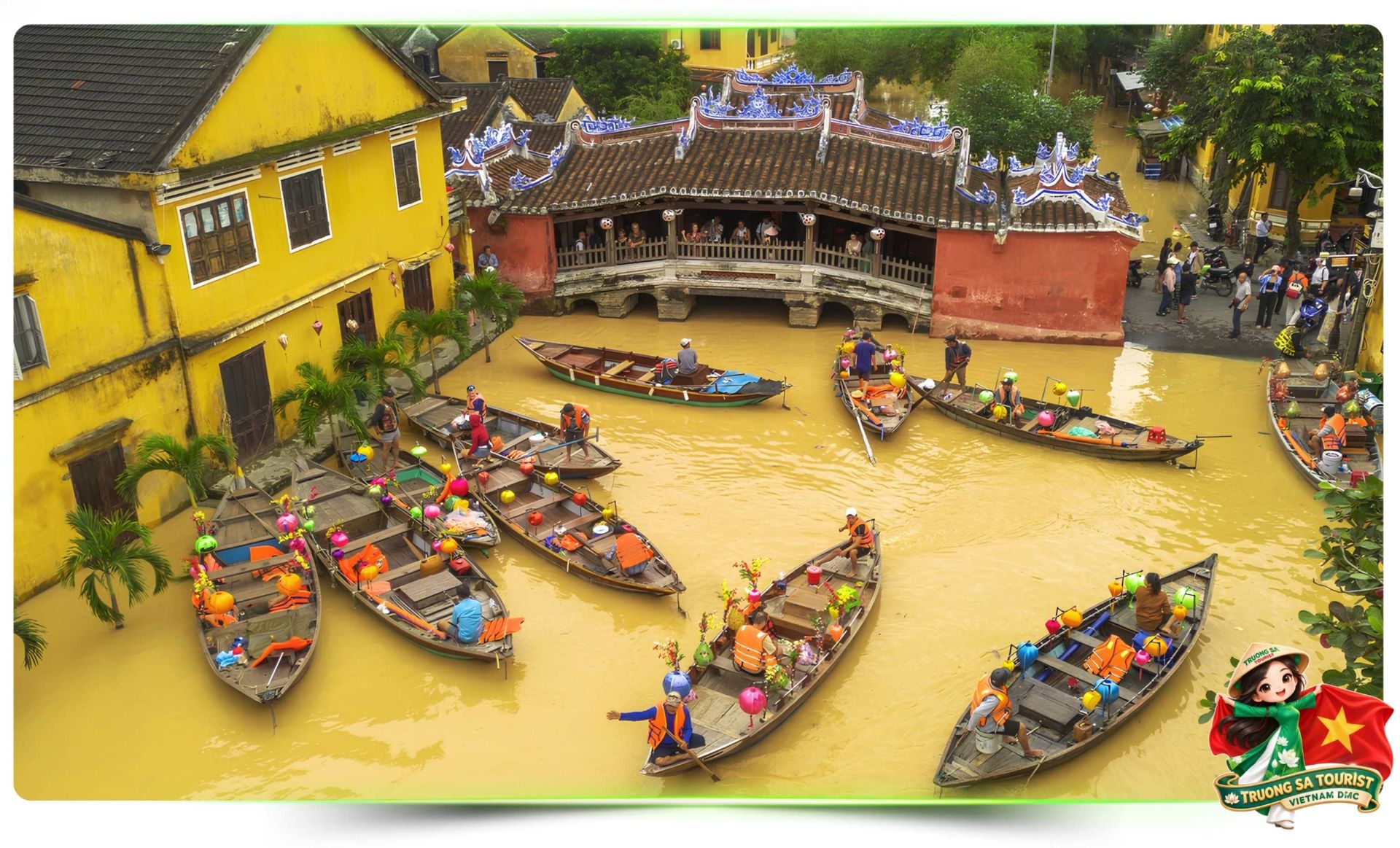 Riverside activities and boat trips through Hoi An's flooded Ancient Town should only be considered when local conditions permit and the activity is confirmed to be safe.
 Is Hoi An Worth Visiting in November?
Yes, Hoi An is still well worth visiting in November, but you should be prepared for unpredictable weather and possible itinerary changes. However, this period may not be ideal for travellers who need consistently dry weather or have tightly scheduled outdoor activities.
Hoi An's Ancient Town offers plenty of cultural experiences even when the weather is less favourable. Historic merchant houses, traditional architecture, assembly halls, local markets, and regional specialities can still provide rewarding experiences when access and conditions permit.
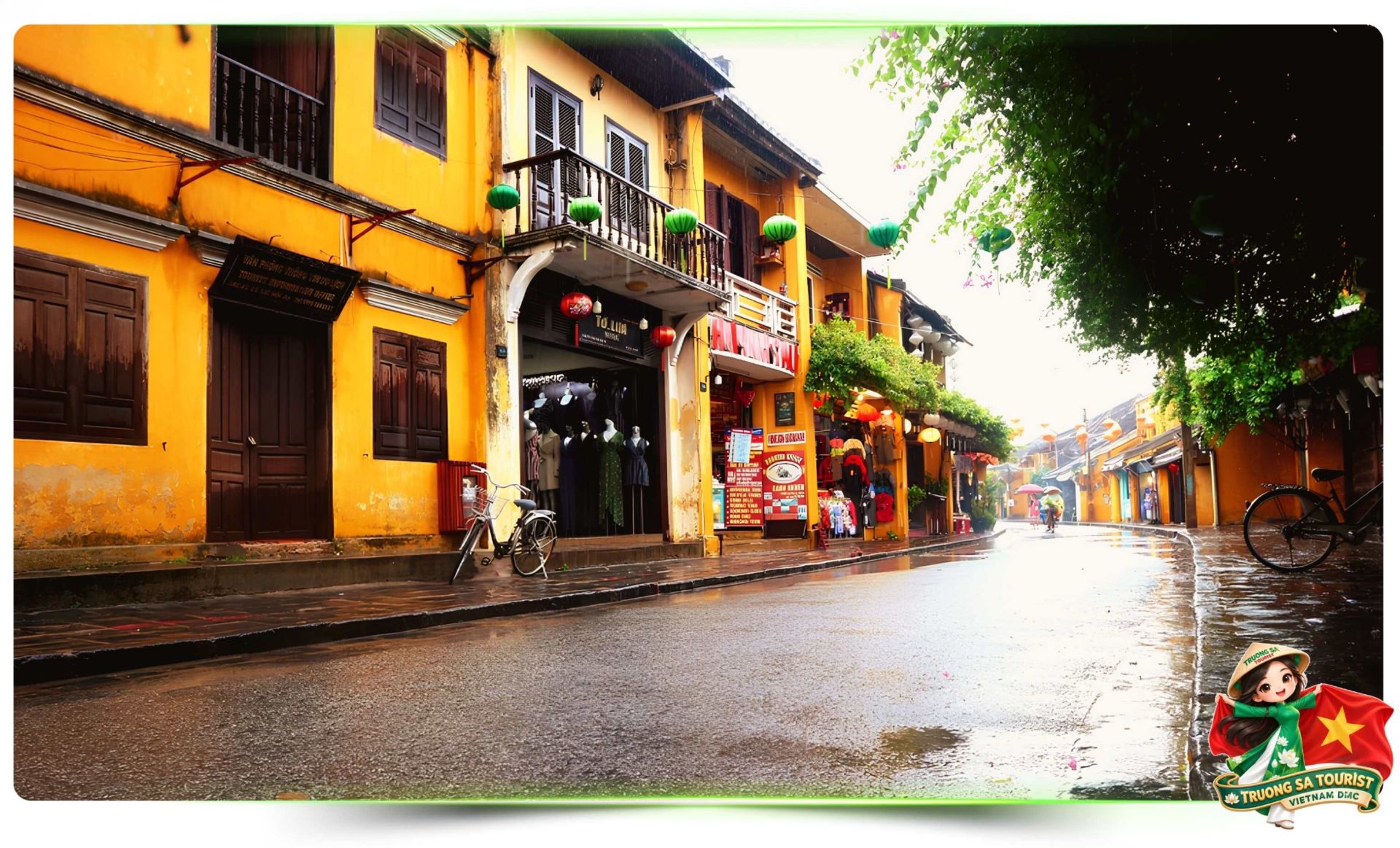 Rain can also affect photography, walking tours, countryside excursions, and journeys between Hoi An and Da Nang. During severe weather, some attractions may restrict activities or temporarily close.
Allow enough time to explore Hoi An rather than treating it as a brief stop between flights. If the weather deteriorates, prioritise indoor experiences and postpone outdoor activities until conditions are safe.
 If you want to visit both destinations, consider a Da Nang and Hoi An tour to arrange a more flexible sightseeing itinerary, depending on weather conditions and attraction availability.
Best Things to Do in Hoi An on Rainy Days
Rain does not necessarily mean you have to cancel all your sightseeing plans. The most suitable alternatives are indoor experiences that do not depend on river conditions or road access.
Explore local cuisine. Try regional specialities such as cao lau noodles, Hoi An chicken rice, and white rose dumplings at restaurants that remain open. Ask your accommodation for recommendations on accessible dining options during heavy rain.
 Discover traditional crafts. Hoi An has a long history of tailoring, lantern-making, and other traditional crafts. Local workshops can offer opportunities to learn about traditional techniques, but check opening hours and accessibility before visiting.

 Join a Vietnamese cooking class. Depending on the provider, you can learn to prepare traditional dishes and discover the ingredients commonly used in Central Vietnamese cuisine. Choose a class held in an indoor venue and confirm that the activity will operate under the current weather conditions.
 Take a boat trip through the flooded Ancient Town. When local conditions permit and the activity is officially considered safe, travelling by boat through flooded parts of Hoi An can be a memorable experience during the flood season. Never attempt a boat trip during dangerous water conditions.
Outdoor activities such as cycling through the countryside and visiting Cam Thanh Coconut Forest should remain optional when heavy rain or unsafe water levels affect the area.
What to Wear and Pack for Hoi An in November
Choose lightweight, breathable clothing that dries quickly and feels comfortable in humid conditions. A lightweight raincoat is useful when walking outdoors, while an umbrella can provide convenient protection during light showers.
Choose your footwear carefully. Shoes with good grip and adequate support are recommended for wet pavements and uneven surfaces. Avoid footwear that becomes slippery when wet.
Bring a waterproof bag or protective case for your phone, camera, travel documents, and other electronic devices. Pack a change of clothes if you expect to spend extended periods outdoors.
A light jacket can be useful during prolonged rainfall or on cooler evenings. If you plan to join outdoor excursions, check the weather forecast and prepare for changing conditions rather than assuming that warm temperatures mean dry weather.
How to Travel Safely Between Da Nang and Hoi An in the Rainy Season
Da Nang and Hoi An are relatively close to each other, but journey times can become unpredictable during heavy rain, flooding, or road closures.
Taxis and ride-hailing services are practical options for solo travellers and small groups when vehicles are available. However, vehicle availability, pickup locations, and road conditions may change during severe weather.
For families, business travellers, and larger groups, booking a private vehicle in advance can make transportation more convenient. Truong Sa Tourist Vietnam DMC provides Da Nang Airport transfer services, including transfers to Hoi An, as well as private transportation for sightseeing and intercity journeys.
Private Limousine rental services offer different vehicle options, with passenger capacity depending on the specific vehicle and service package. If you need a vehicle accommodating 9 to 29 passengers, confirm the available model, passenger capacity, luggage requirements, and route suitability before booking.
 A local driver can help assess road conditions and coordinate changes to departure times. However, private transportation cannot eliminate flood risks or guarantee access to roads that have been closed.
Truong Sa Tourist also provides Vietnam Airport Fast Track services. These services offer assistance with certain airport procedures, subject to the actual service scope and applicable regulations. They do not replace mandatory immigration or security requirements.
When booking private car rental in Da Nang, provide your accommodation address, number of passengers, luggage requirements, and flight details in advance. Allow extra travel time during adverse weather and reconfirm your pickup arrangements before departure.
 Practical Hoi An Travel Tips for November
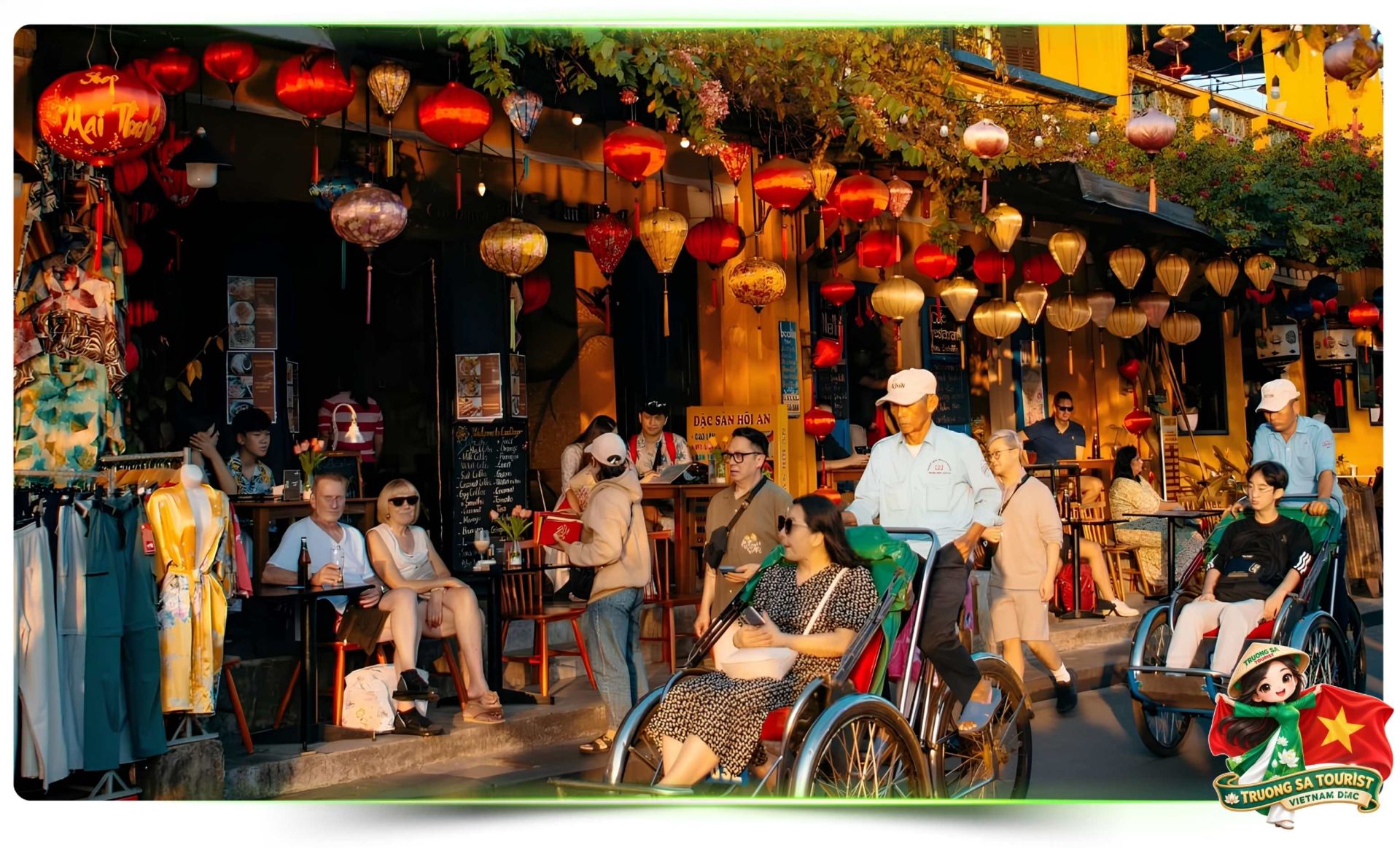 The most important travel tip for Hoi An in November is to stay informed and keep your itinerary flexible.
Check official weather forecasts before leaving your hotel and monitor local warnings if heavy rain is expected. Confirm the operating status of attractions, craft workshops, restaurants, and tours before visiting rather than relying solely on published schedules.
Choose accommodation with convenient access to restaurants and essential services. If flooding is forecast, ask your hotel about its location, access routes, and contingency arrangements for adverse weather.
Keep outdoor activities flexible. Plan sightseeing when conditions permit and prepare indoor alternatives for periods of heavy rain.
Finally, do not treat flooding as a tourist attraction. If local authorities restrict access to the Ancient Town, riverside areas, or surrounding roads, follow their instructions and postpone activities until conditions are safe.
 Frequently Asked Questions About Hoi An in November
Does it rain every day in Hoi An in November?
No. November falls within the rainy season, but rainfall varies from day to day. Some periods bring only brief showers or breaks in the rain, while others experience prolonged or heavy rainfall. Check the forecast before planning outdoor activities and prepare alternative arrangements.
Can you visit Hoi An Ancient Town during floods?
It depends on the severity of the flooding and any access restrictions in place. Some areas may remain accessible, while others may become unsafe or temporarily close. Follow local authority instructions, confirm conditions with your accommodation, and never walk or drive through floodwater to reach a sightseeing area.
Is November a good time for a Hoi An and Da Nang trip?
November can suit travellers interested in cultural attractions, local cuisine, and flexible itineraries. However, rain, flooding, and transport disruptions can affect outdoor excursions and beach activities. If your plans depend on consistently dry weather, consider the rainy-season conditions before finalising your travel dates.
How do you get from Da Nang Airport to Hoi An in the rainy season?
You can book a private car in advance for a more convenient airport pickup and luggage transfer, particularly if you are travelling with family or a larger group. Allow extra travel time, confirm your pickup arrangements, and check road conditions before departure.
Hoi An in November offers opportunities to explore historic architecture, traditional crafts, and Central Vietnamese cuisine, but the rainy season requires careful preparation. Flooding is a potential risk rather than a condition that persists throughout the entire month. All sightseeing decisions should be based on actual local conditions.
Check official weather forecasts, keep outdoor activities flexible, and arrange suitable transportation between Da Nang and Hoi An.
Planning a trip to Hoi An and Da Nang? Contact Truong Sa Tourist Vietnam DMC for private tours, airport transfers, and chauffeured limousine services tailored to your itinerary and travel needs.