Sapa Trekking Guide 2026: Best Trails & Hidden Villages

Sapa Trekking Guide 2026: Best Trails & Hidden Villages
One of the most appealing trekking destinations in Vietnam that travelers should not miss is Sapa. Trekking in Sapa is not simply about walking through terraced rice fields. Just a short distance from the town center, you can step onto narrow trails winding along mountain slopes, pass through villages inhabited by the H'Mong, Red Dao, and Giay people, and discover a very different side of Sapa from the familiar check-in spots.
From Muong Hoa Valley, with its endless terraced slopes, to trails leading toward the Hoang Lien Son mountain range, Sapa offers trekking options for both beginners and experienced trekkers. Each route has its own character, so choosing a trail that matches your fitness level, available time, and travel season can make a significant difference to your experience.
In this Sapa Trekking Guide 2026, Ms. Tấm - a local travel expert from Truong Sa Tourist Vietnam DMC, shares some of the best trekking routes to experience, the ideal times to go, and practical tips to help you explore Sapa's rice terraces, mountains, forests, and highland villages more fully.

Why Trekking in Sapa Is Worth It
Traveling around Sapa by car allows you to see the mountains and rice terraces, but trekking brings you much closer to local life. You can reach some of the most beautiful hidden corners by going deeper into remote villages where vehicles cannot reach, with expansive terraced fields and pristine waterfalls along the way.
Sapa trekking also gives you the opportunity to experience local culture more deeply. You can talk directly with local people, have lunch with them, and even stay overnight in a local home to learn more about their unique customs and traditions.
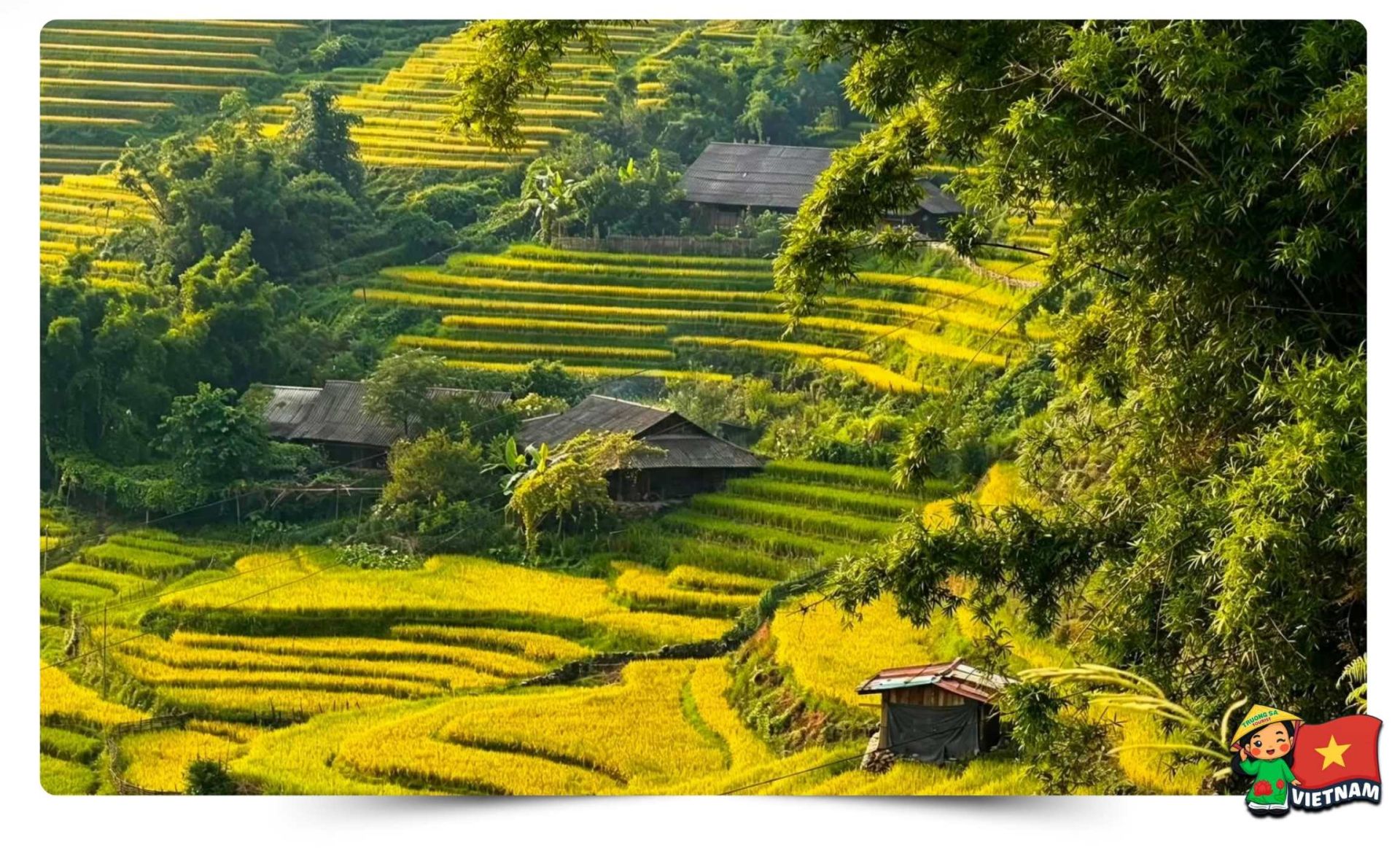
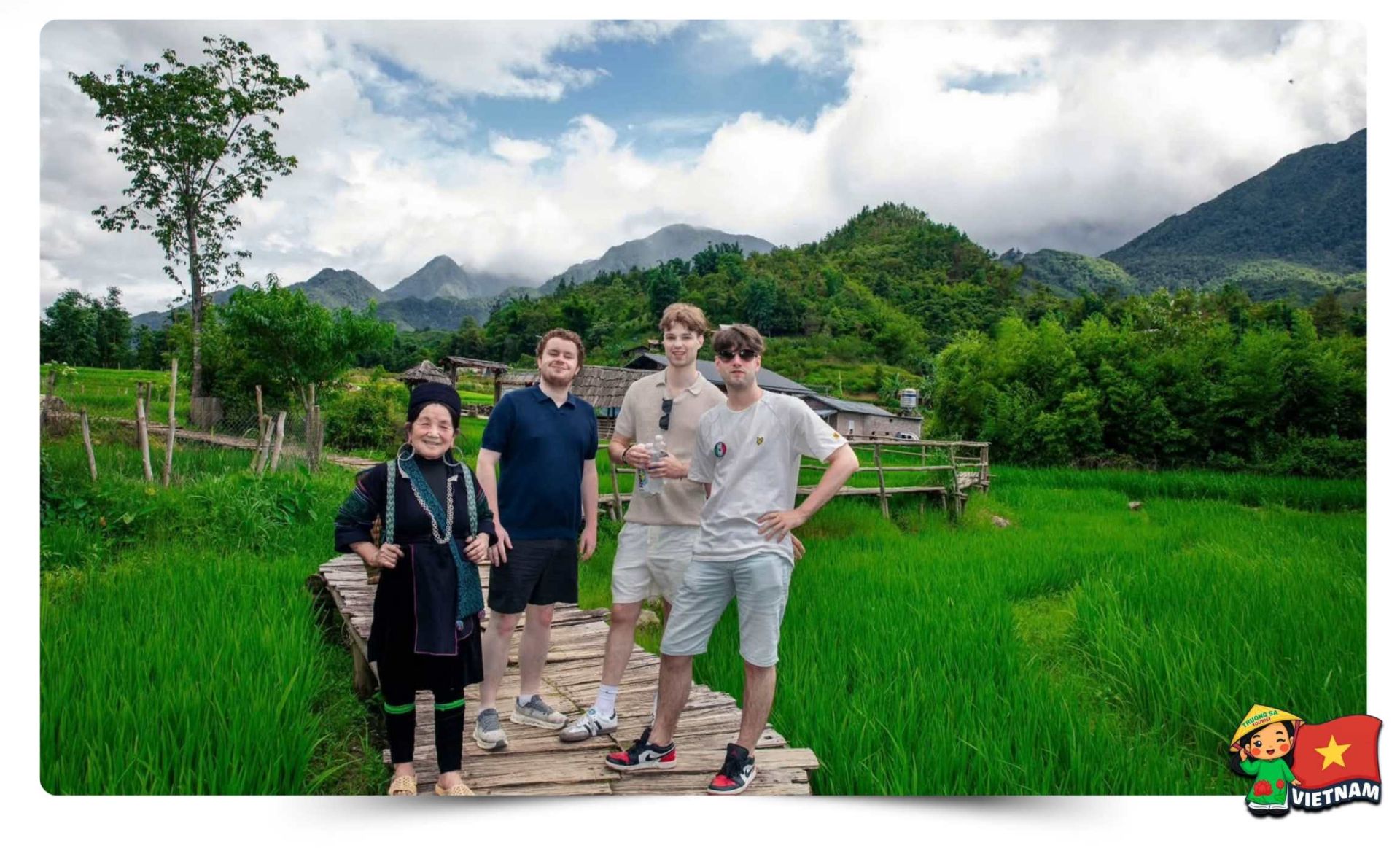 Climbing steep slopes, walking along red dirt trails, or crossing streams is also a rewarding way to challenge yourself while breathing in the fresh mountain air. Along the trails through Muong Hoa, you may see local farmers working in the fields, wooden houses nestled in the valley, and narrow paths just wide enough for a small group of trekkers.
Another rewarding part of trekking in Sapa is the constantly changing landscape. One section may lead through rice fields, followed by a stream, a bamboo bridge, or a dirt trail before continuing into a village. This is why a few hours of trekking can sometimes offer more experiences than an entire day spent traveling by car.
Best Trekking Trails and Villages in Sapa
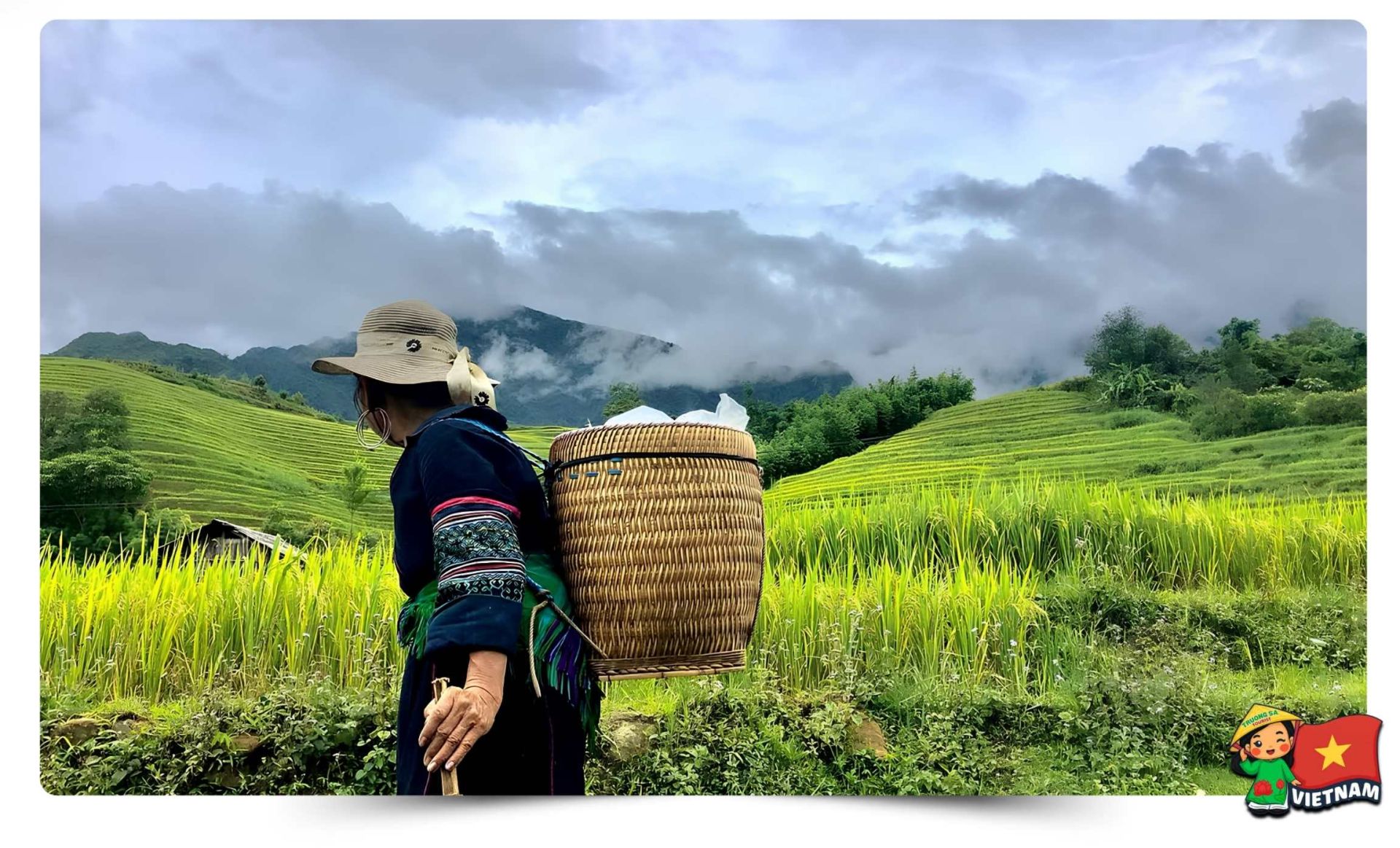 If you are choosing just one route for your first Sapa trekking experience, I usually recommend the Y Linh Ho - Lao Chai - Ta Van route through Muong Hoa Valley. It offers a good balance of scenery, local culture, and difficulty.
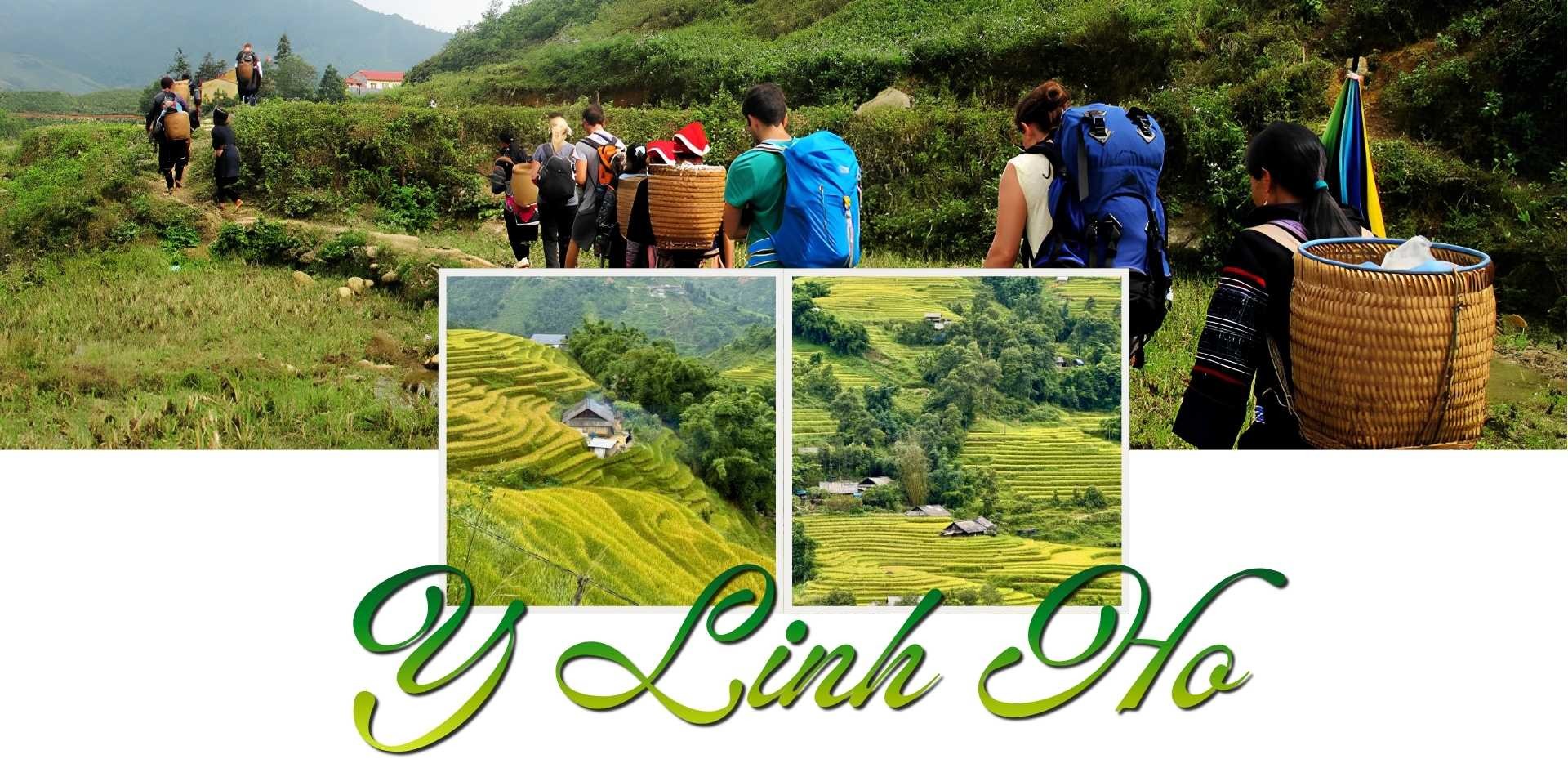
From the Y Linh Ho area, the trekking trail descends into the valley and opens up to expansive terraced rice fields. Y Linh Ho is associated with the Black H'Mong community, while Lao Chai is a larger village and one of the highlights of the Muong Hoa route. From Lao Chai, the journey continues toward Ta Van, home to the Giay community. The entire route generally takes around 4-6 hours, depending on the starting point, walking pace, and time spent taking breaks.
.jpg) Ta Van is ideal for travelers who want to combine trekking with cultural experiences. The village lies deeper in the valley and has several homestays, creating a quieter atmosphere than central Sapa. If you have more time, you can continue toward Giang Ta Chai and other more remote villages for a longer trekking experience.
Ta Van is ideal for travelers who want to combine trekking with cultural experiences. The village lies deeper in the valley and has several homestays, creating a quieter atmosphere than central Sapa. If you have more time, you can continue toward Giang Ta Chai and other more remote villages for a longer trekking experience.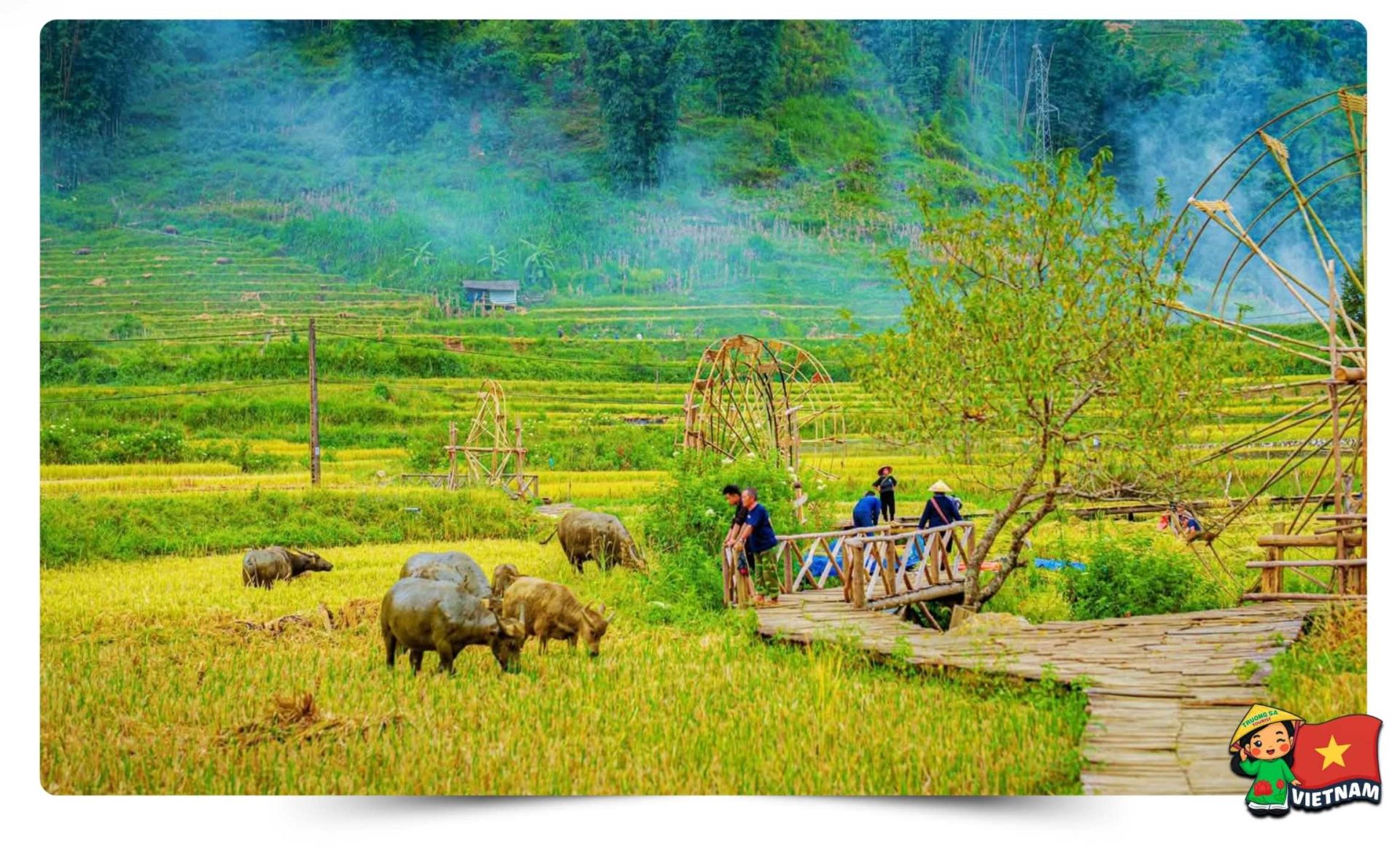 Cat Cat is a more accessible option. The route from central Sapa to Cat Cat mainly follows stairways and village paths, passing local homes, rice terraces, and waterfalls. It is suitable for travelers with only half a day or those who are new to mountain trekking. However, Cat Cat is usually busier than the trails deeper into Muong Hoa.
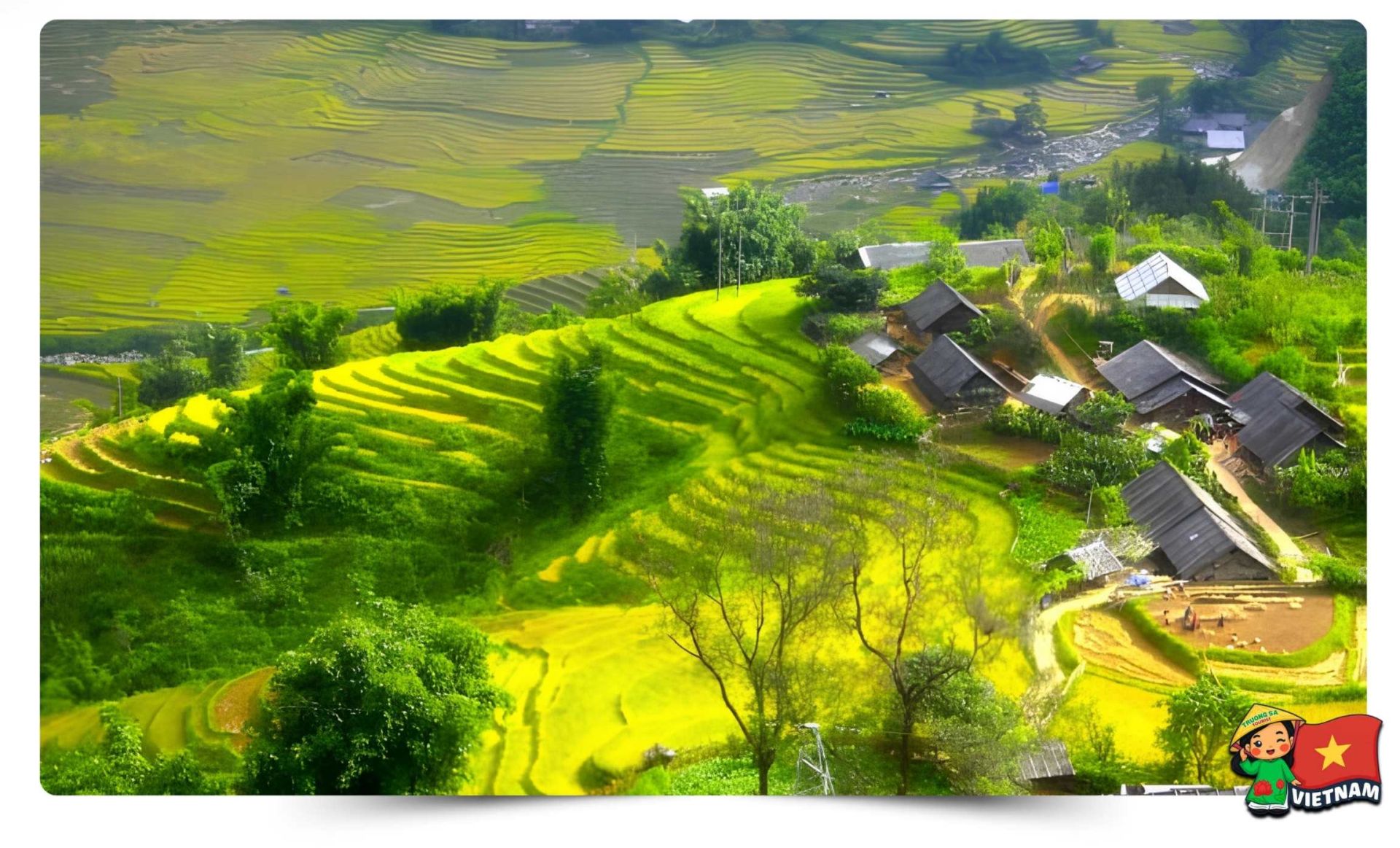 Sin Chai is located near Cat Cat but offers a stronger highland atmosphere. If you want to extend your journey, you can combine Cat Cat with Sin Chai instead of returning to the town center immediately after visiting Cat Cat.
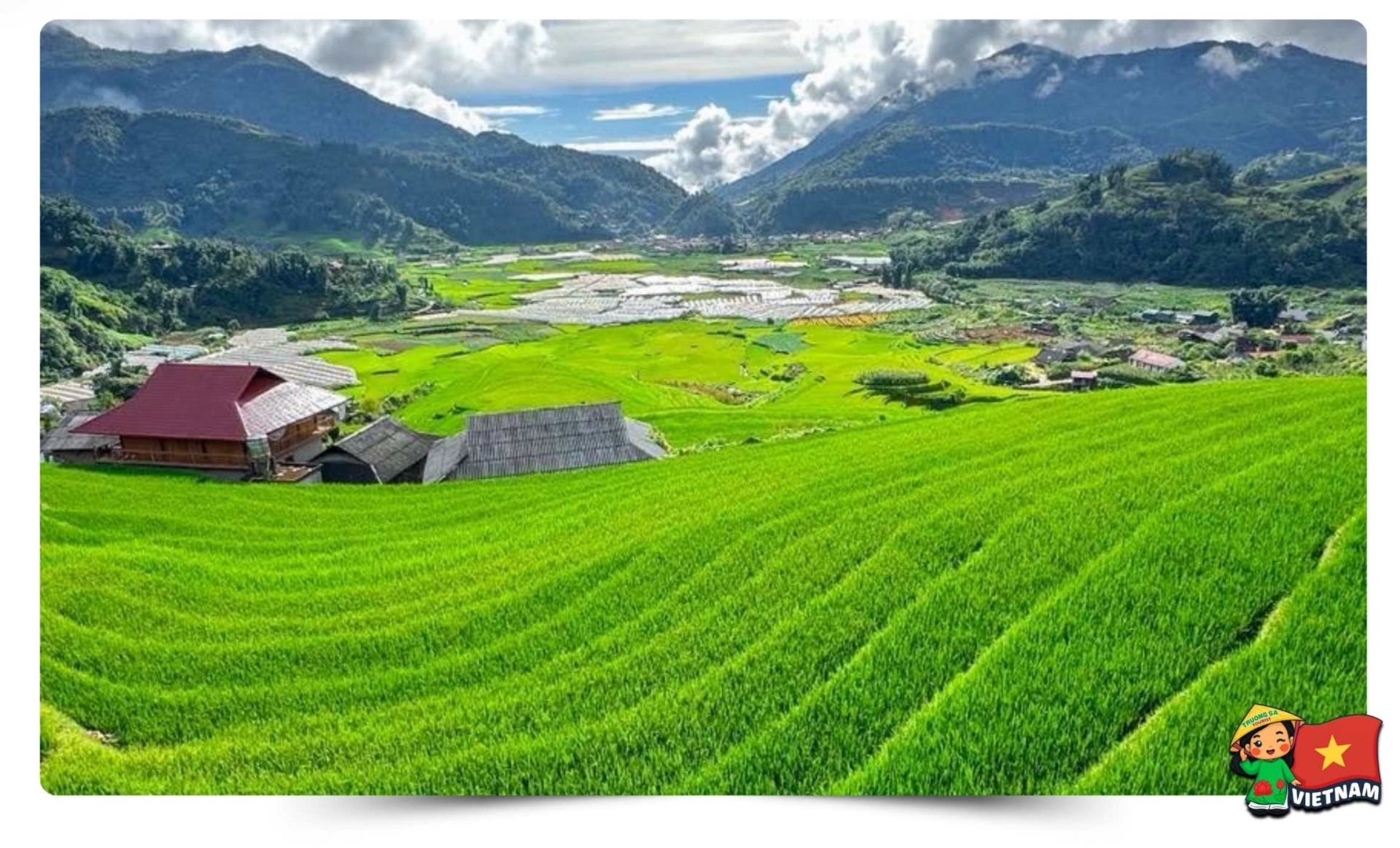 Ta Phin offers a different experience. The route takes you into an area inhabited by the Red Dao people, with valleys and mountain slopes that feel quite different from those around Muong Hoa. Ta Phin is suitable for travelers interested in local culture and quieter trekking routes. Longer routes from Sapa to Ta Phin can become fairly challenging, so it is advisable to check trail conditions and consider hiring a local guide before setting out.
.jpg) Fansipan is a completely different option. This is no longer a gentle walk through village trails but genuine mountain trekking in the Hoang Lien Son range. The difficulty is considerably higher and is better suited to travelers with good fitness, mountain trekking experience, or those accompanied by a professional trekking operator.
Fansipan is a completely different option. This is no longer a gentle walk through village trails but genuine mountain trekking in the Hoang Lien Son range. The difficulty is considerably higher and is better suited to travelers with good fitness, mountain trekking experience, or those accompanied by a professional trekking operator.
Sapa Trekking Routes for 5-6 Hours
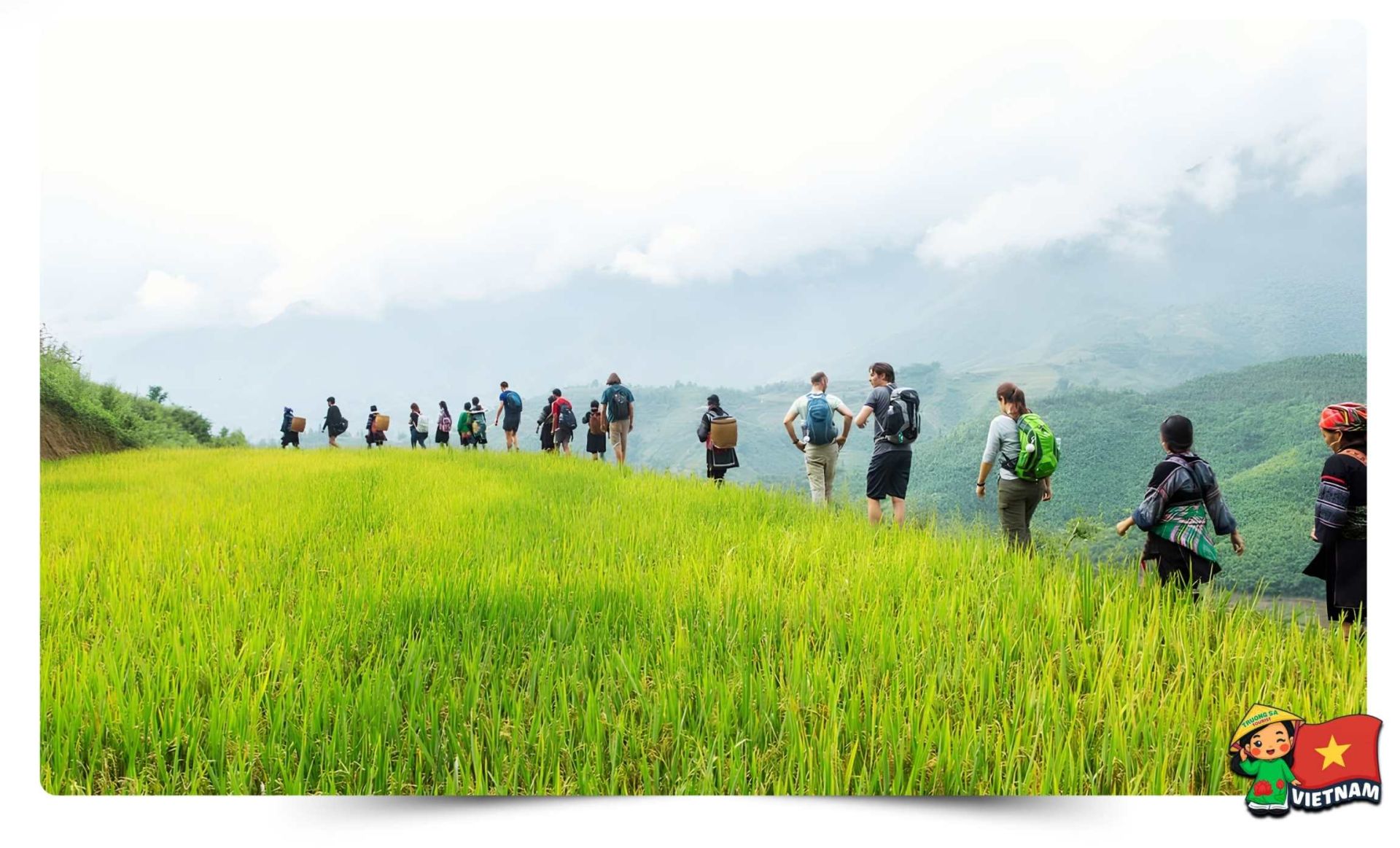 With around 5-6 hours available, the following two itineraries are suitable for travelers who want to experience Sapa trekking in one day without spending too much time on the trail.
The Sapa - Lao Chai - Ta Van route can begin with a short transfer toward the Y Linh Ho or Lao Chai area, followed by a descent into the valley on foot. The main trekking section focuses on rice terraces and H'Mong villages before continuing toward Ta Van. At a moderate pace, the walking portion can take around 4-6 hours, especially if you allow time for photography and local cultural experiences.
The Sapa - Cat Cat - Sin Chai route is more suitable for travelers who want to stay close to town. The descent to Cat Cat is relatively accessible, after which you can extend the route toward Sin Chai to increase your trekking time. A total of around 5-6 hours is possible depending on the actual route, walking pace, and rest stops. For this itinerary, it is worth arranging transportation back to Sapa rather than assuming that the entire route needs to be completed on foot.
Best Time for Trekking in Sapa
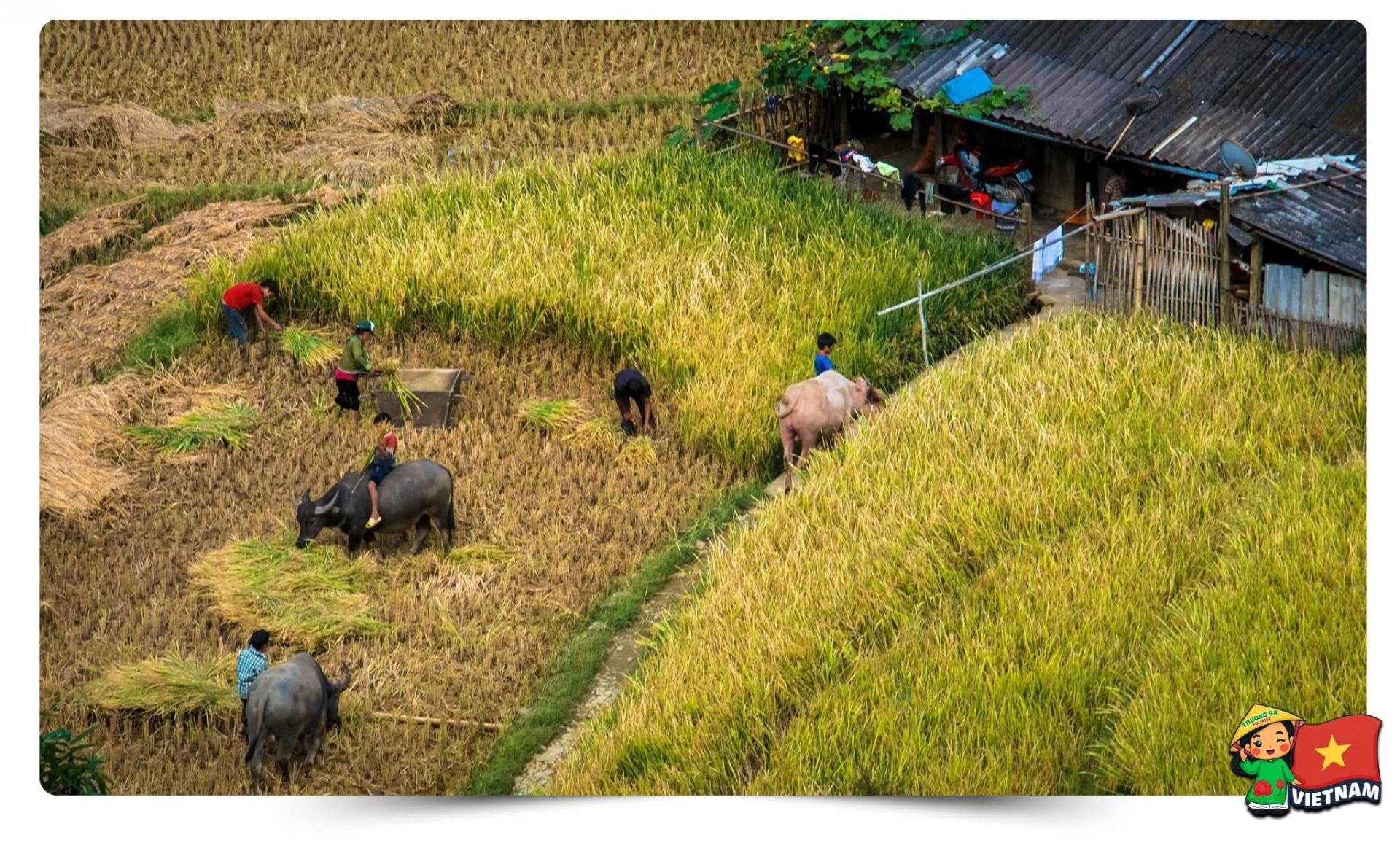 The best time depends on the scenery you want to see. If your goal is golden rice terraces, September to early October is the period many travelers choose. In 2026, late September to early October remains a particularly notable period for the rice harvest, although harvesting times vary between different areas.
In late spring and early summer, around May and June, the terraces may be filled with water as farmers prepare for a new rice crop, creating reflections that look very different from the golden rice season. From June to early September, the landscape is generally greener, but rainfall can make dirt trails and stone steps slippery.
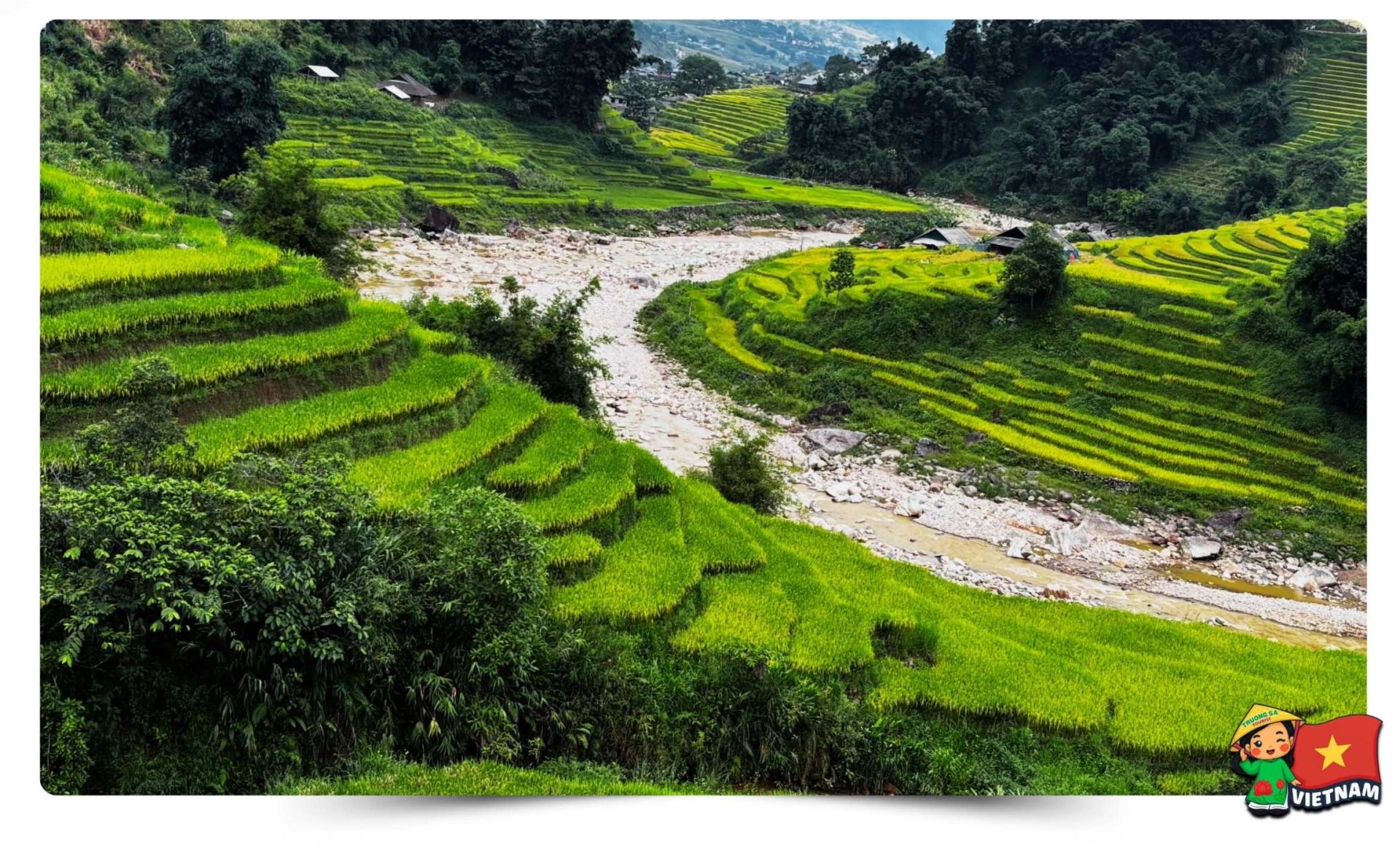 If trekking conditions are more important to you than the color of the rice fields, spring and autumn are generally more comfortable. July and August offer lush mountain scenery and green rice fields, but you should be better prepared for rain and muddy trails.
How Difficult Is Trekking in Sapa
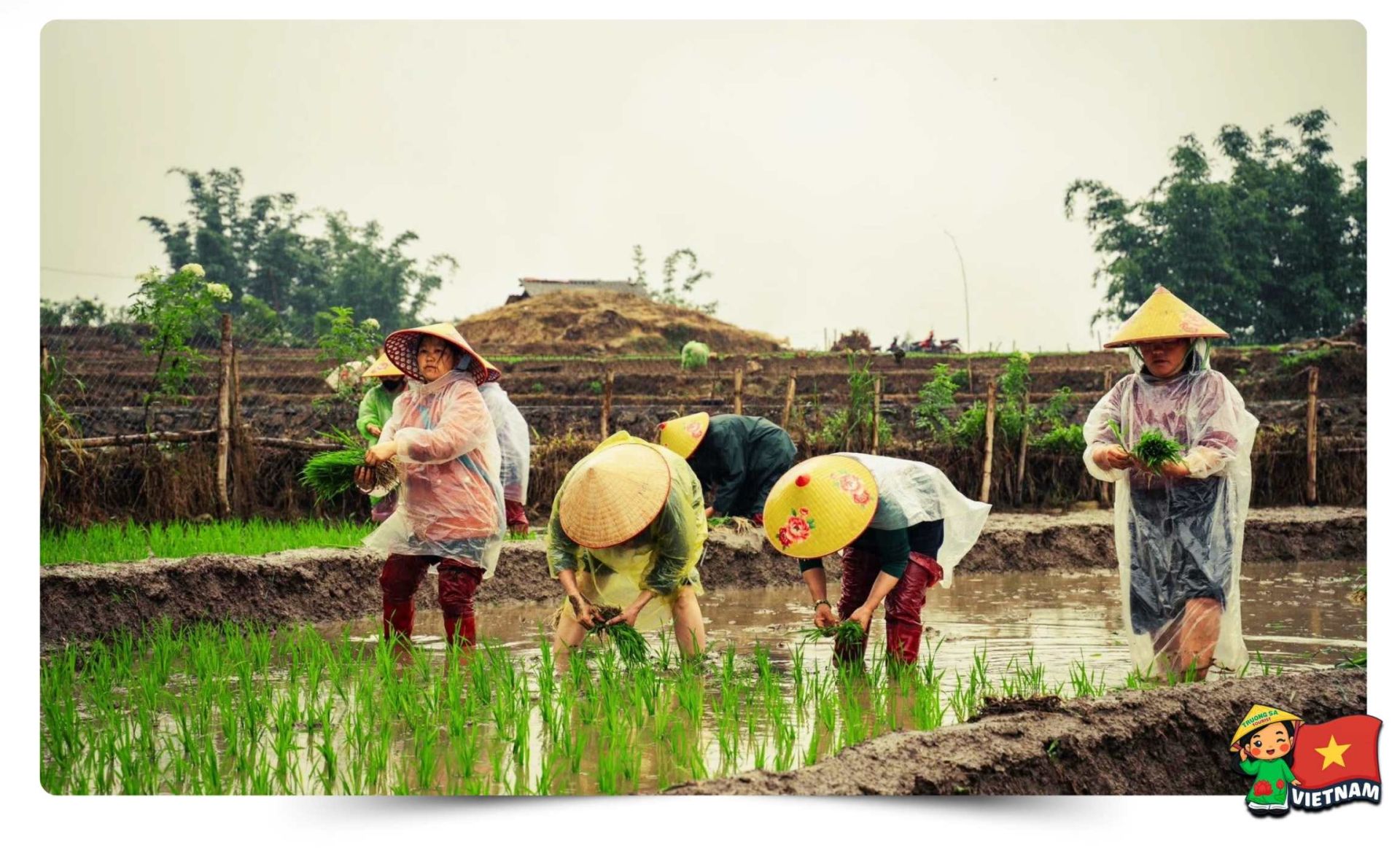 Not every Sapa trekking route is difficult. Routes such as Cat Cat are suitable for beginners, while the Muong Hoa route through Y Linh Ho - Lao Chai - Ta Van is relatively easy to moderate when walked at a comfortable pace. Longer routes or trails leading deeper into Hoang Lien Son require better physical fitness.
Terrain is the main factor to consider. Many sections have steep slopes, uneven stones, and dirt trails that can become slippery after rain. A pair of trekking shoes with good grip is more important than wearing footwear that is simply heavy or highly technical.
If you are unfamiliar with Sapa's terrain, I recommend traveling with a local guide and choosing a private itinerary designed around your needs with Truong Sa Tourist Vietnam DMC. Some trails change with the seasons, and not every section has clear signs.
 Sapa Trekking Tips for First-Time Visitors
Do not choose your shoes simply because they look good in photos. Good grip, slip resistance, and a comfortable fit will be much more useful when walking through mud or tackling steep sections.
Mountain weather can change quickly, so wear several light layers rather than one very thick layer. A lightweight rain jacket should also be in your backpack, especially during the rainy season. Bring enough water and some snacks, and protect your phone and camera from rain.
For first-time hikers in Sapa, take time to experience the villages instead of trying to complete the trail as quickly as possible. When passing through farmland or residential areas, do not enter cultivated areas without permission or photograph local people at close range without asking. If your trek ends in a different village, confirm your pick-up point or transportation arrangements in advance so you do not have to walk several additional kilometers unexpectedly.
.jpg) Explore Vietnam Beyond Sapa with Truong Sa Tourist Vietnam DMC
Explore Vietnam Beyond Sapa with Truong Sa Tourist Vietnam DMC
After a trekking trip in Sapa, many travelers want to continue exploring other parts of Vietnam instead of immediately returning to the city. This is also how we often advise international travelers who want to combine mountain experiences with culture and beaches.
Truong Sa Tourist Vietnam DMC can help design private or fully organized journeys connecting Sapa with Hanoi, Ninh Binh, Ha Long, Ha Giang, Mai Chau, and Pu Luong in northern Vietnam, followed by destinations such as Da Nang, Hoi An, Hue, Phong Nha, Nha Trang, Phu Quoc, or Ho Chi Minh City.
Depending on your needs, the journey can include local guides, private transportation, hotels, homestays, and local experiences. For travelers planning to explore Vietnam from north to south, designing the North - Central - South route from the beginning can also reduce unnecessary travel time and leave more time for the places you genuinely want to experience.
 Sapa is at its best when you slow down. A comfortable trekking route through Muong Hoa, a few hours in Lao Chai or Ta Van, and a short conversation with local people can be more memorable than trying to check in at as many places as possible in one day.
The key is to choose your route based on your fitness level and travel season before choosing it based on popularity. If you want to see the more authentic side of Sapa, let your feet take you beyond the town center and deeper into the local villages.
If you need assistance, contact us today and let our team help arrange everything for your Sapa trekking journey.