Best Time to See Rice Terraces in Northern Vietnam (2026)
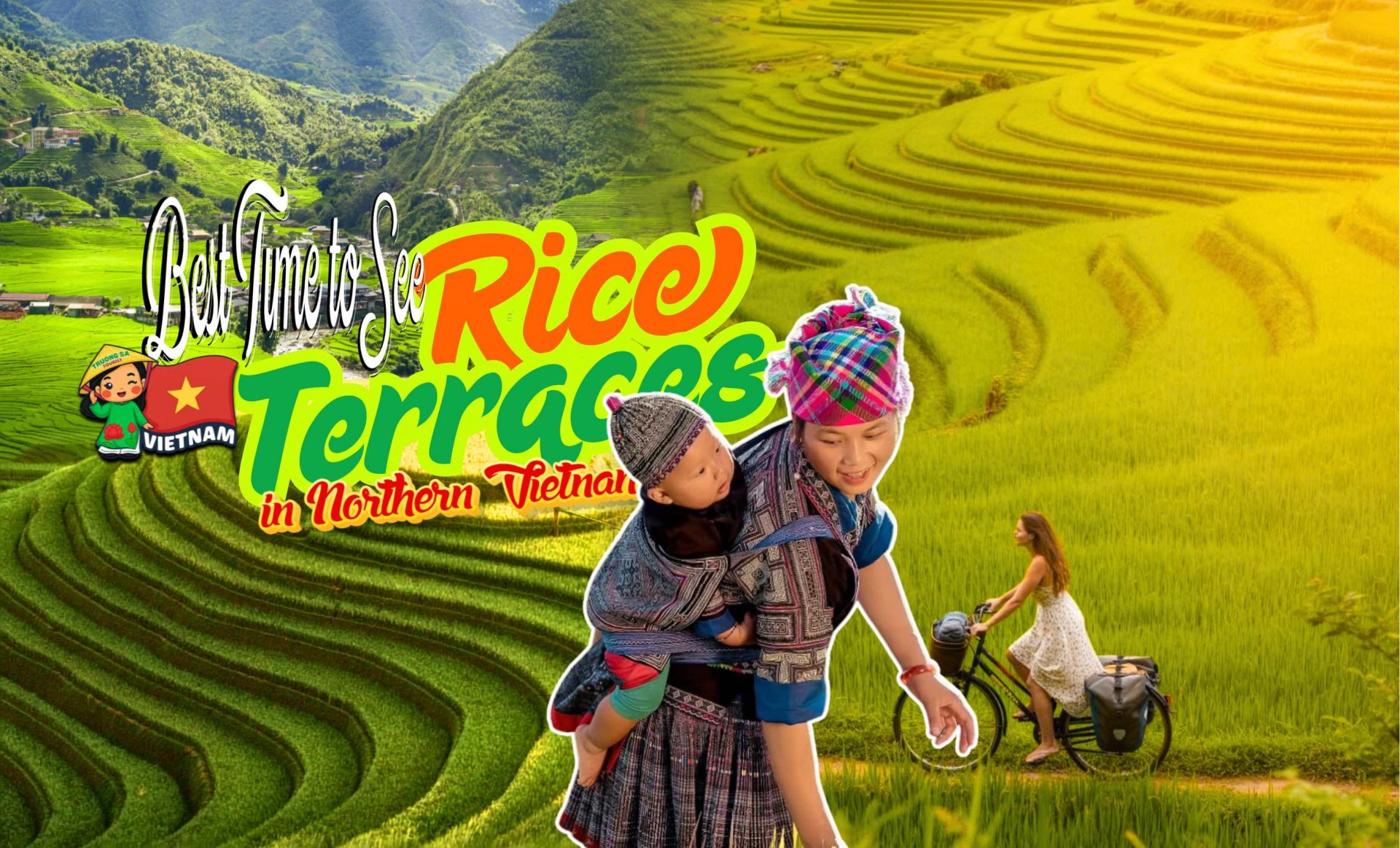
Best Time to See Rice Terraces in Northern Vietnam (2026)
The rice terraces of Northern Vietnam have long been one of the country's most iconic landscapes. Cascading gracefully along mountain slopes, these layered fields are not only a remarkable agricultural achievement but also create some of the most breathtaking scenery in Southeast Asia. Throughout the year, the landscape transforms dramatically, from mirror-like flooded terraces during the water season to vibrant green rice fields and finally brilliant golden hillsides at harvest time.
For many travelers planning a trip to Vietnam, one of the most frequently asked questions is: When is the best time to see rice terraces in Northern Vietnam? The truth is that there is no single perfect answer. Each season offers its own unique charm and experience. Photography enthusiasts often have different preferences from those who enjoy trekking or immersing themselves in the local culture.
After more than a decade of accompanying international travelers through Northern Vietnam, Ms. Tấm a Local Travel Expert from Truong Sa Tourist Vietnam DMC, has found that understanding the rice-growing calendar, seasonal weather, and the unique characteristics of each destination can make a significant difference to your journey.
This guide is designed to be the only resource you need when planning your adventure through Northern Vietnam, providing practical insights into the best seasons, weather conditions, rice terrace landscapes, and the most rewarding destinations to visit.
Why Are the Rice Terraces of Northern Vietnam So Attractive to International Travelers?
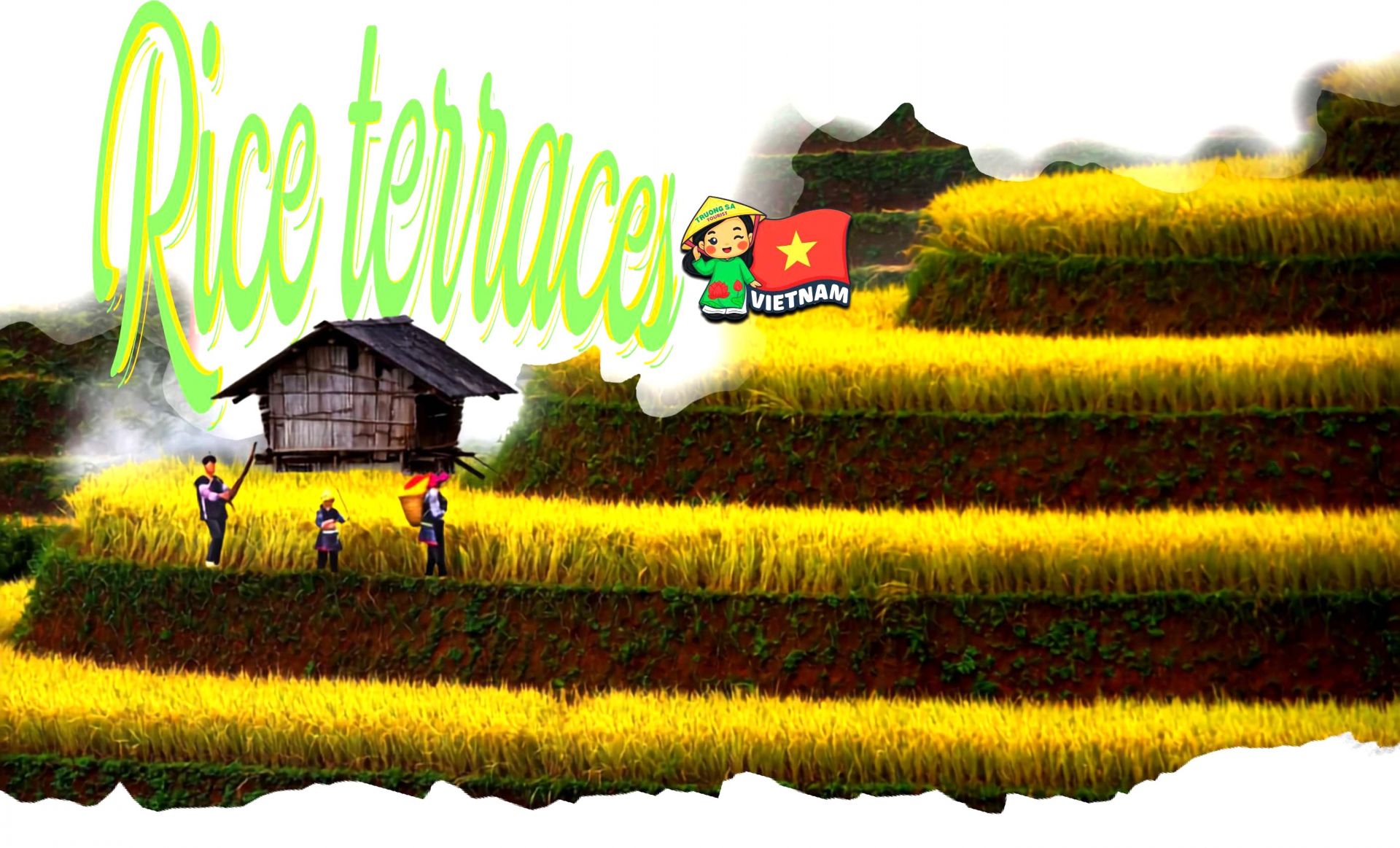
Rice terraces are truly masterpieces created by generations of local communities. Set against the dramatic backdrop of towering mountains, they resemble flowing ribbons draped across steep hillsides. Beyond their agricultural value, they represent centuries of indigenous knowledge, cultural heritage, and harmony between humans and nature.
One of the most fascinating aspects of Northern Vietnam's rice terraces is how dramatically they change throughout the year. Just a few weeks apart, the same valley can present an entirely different appearance. This ever-changing scenery is one of the main reasons why many international travelers return to Northern Vietnam more than once to experience different stages of the rice-growing season.
Today, the region's most celebrated rice terrace destinations include Ha Giang, Hoang Su Phi, Mu Cang Chai, Sapa, Y Ty, and Pu Luong. Each destination has its own elevation, climate, and cultivation schedule, meaning the best viewing period varies slightly from one location to another.
Best Time to See Rice Terraces in Northern Vietnam

If you only have one opportunity to visit Vietnam, choosing the right season is essential. The following three periods are widely regarded as the best times to experience Northern Vietnam's spectacular rice terraces.
Water Season (Late April to Early June)
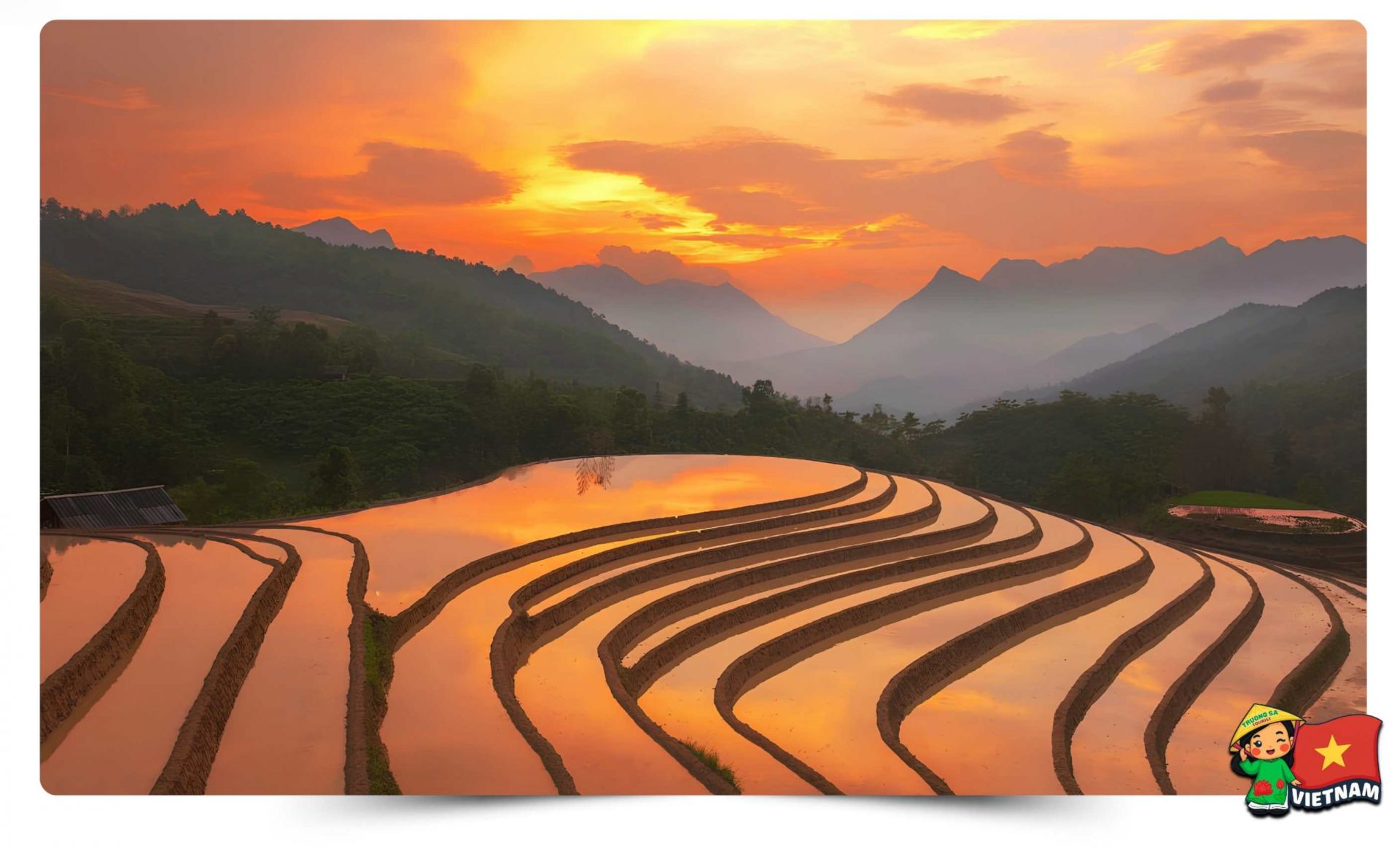 This is when local farmers begin diverting fresh mountain water into the terraced fields in preparation for planting the new rice crop. Thousands of flooded terraces reflect the blue sky, drifting clouds, and surrounding mountain ranges, creating landscapes that resemble enormous natural mirrors.
For photographers, the water season offers exceptional artistic opportunities. Images of farmers transplanting rice seedlings in crystal-clear water beneath the soft morning light often become some of the most memorable photographs of a journey through Northern Vietnam.
The first seasonal rains usually arrive during this period. Fortunately, showers are often brief, leaving behind fresh mountain air and spectacular cloud formations that add even more drama to the landscape.
If you prefer peaceful scenery and fewer tourists, this is one of the most rewarding times to visit.
Green Rice Season (June to August)
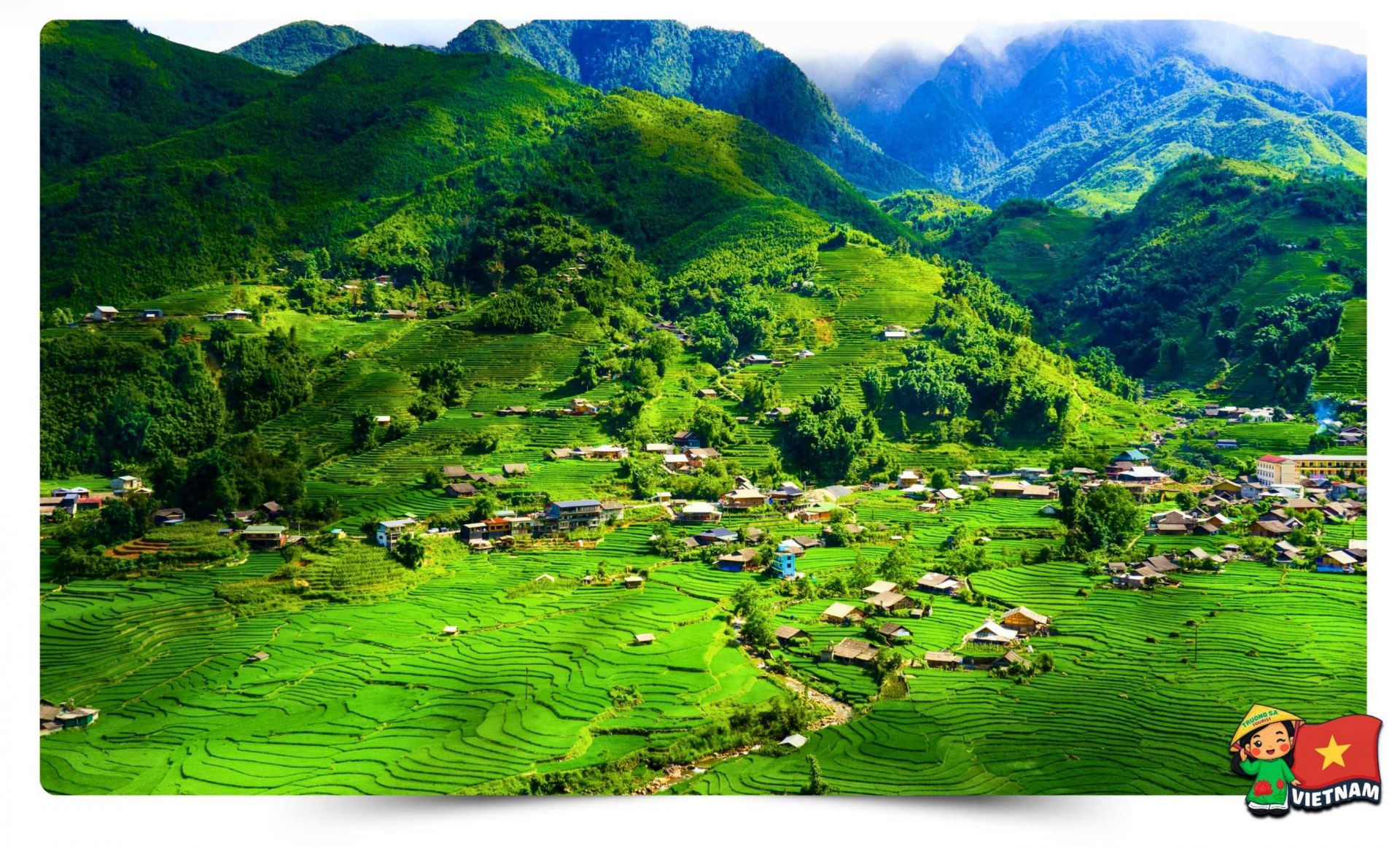 Once the rice has been planted, the terraces quickly transform into endless layers of vibrant green. Mountain slopes become covered with lush vegetation, while forests, streams, and waterfalls complete an incredibly refreshing natural landscape.
This season is ideal for travelers who enjoy trekking, visiting ethnic villages, and experiencing authentic local life. Although summer has arrived across Vietnam's lowlands, the mountainous regions remain pleasantly cool.
Mornings often bring light mist and drifting clouds, especially around Y Ty and Sapa. These atmospheric conditions create dreamlike scenery that is particularly popular with landscape photographers.
However, this is also the rainiest period of the year. Travelers should allow extra flexibility in their itinerary, as mountain weather can change quickly.
Golden Rice Season (September to Early October)
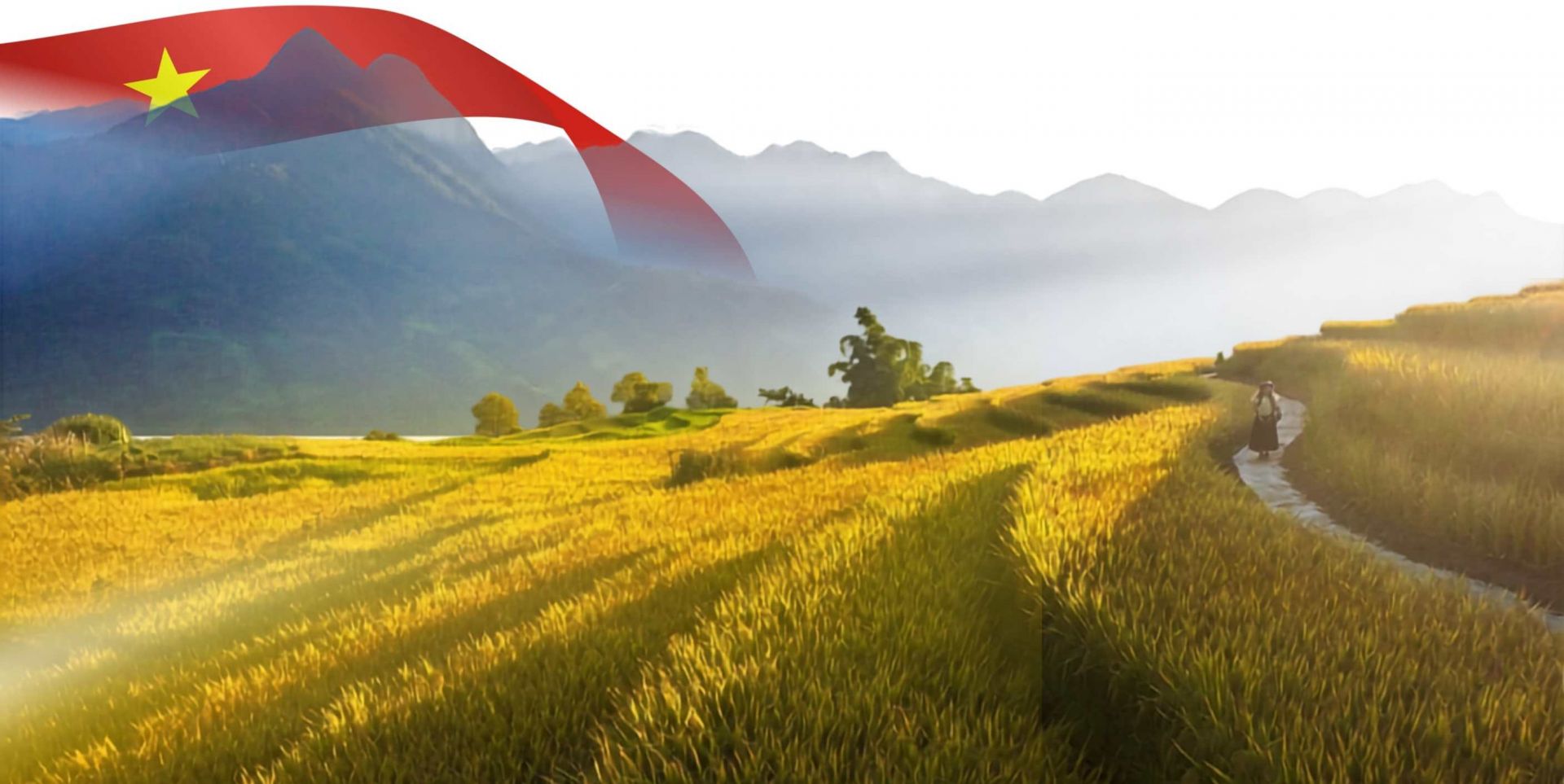
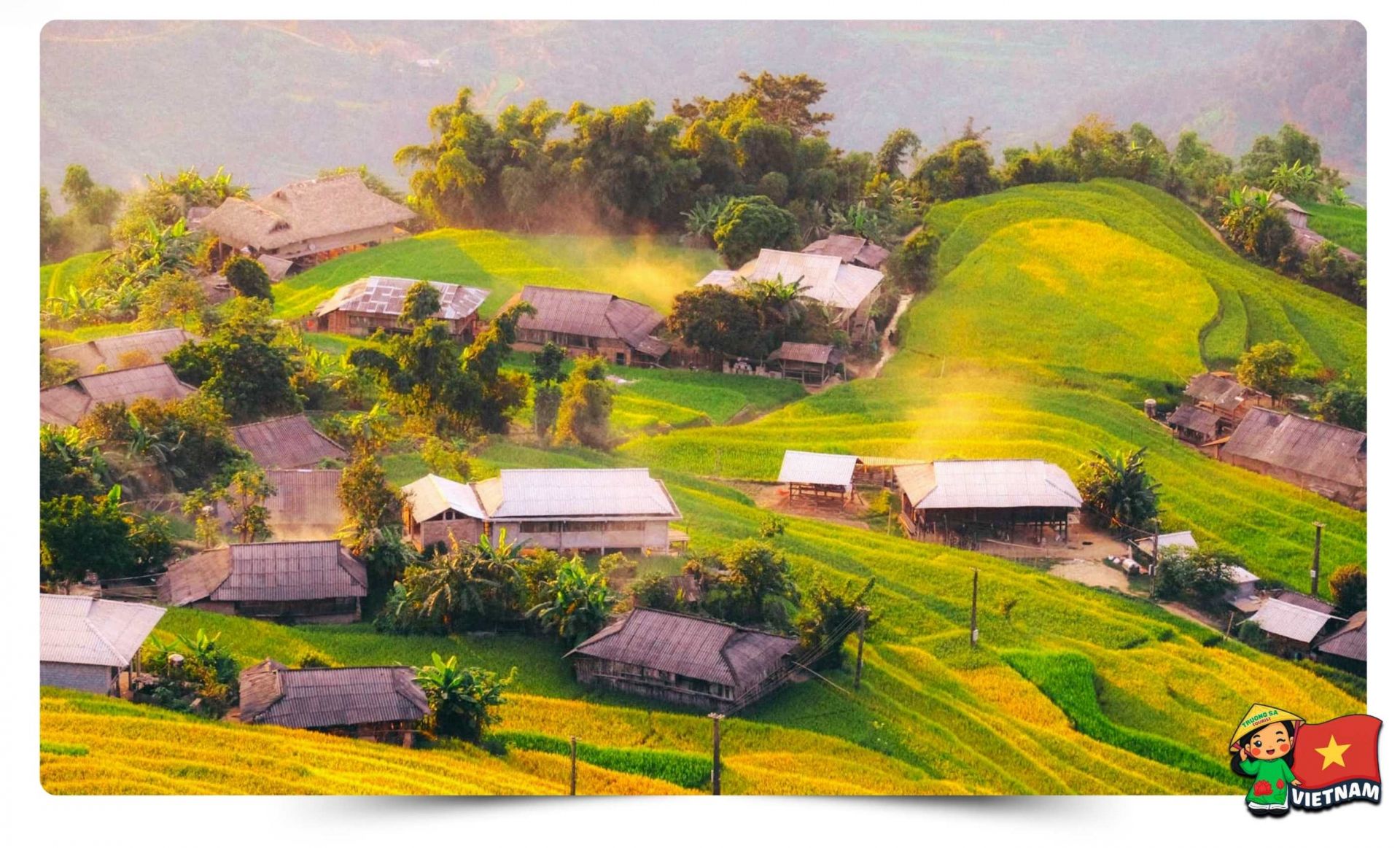
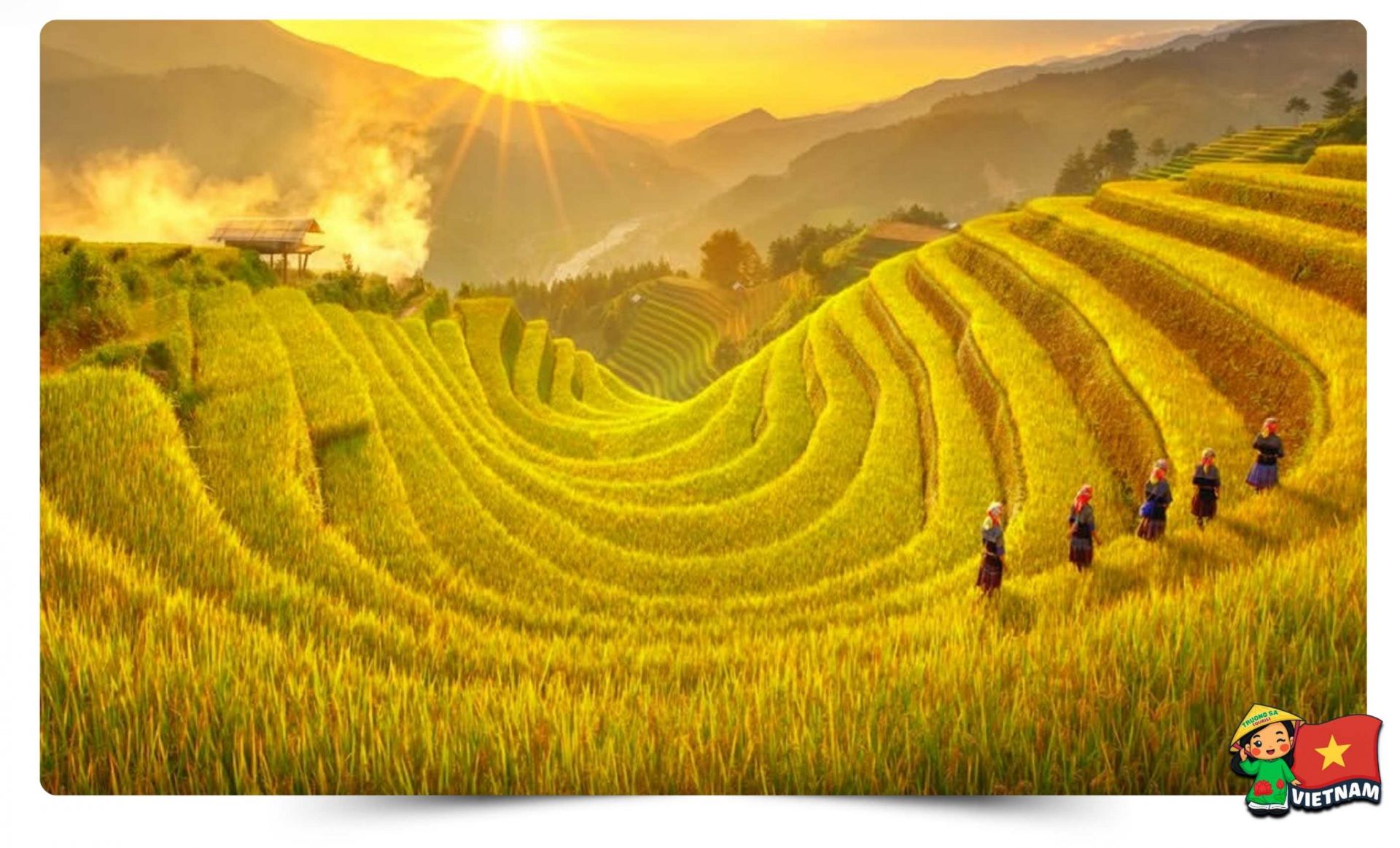
This is widely considered the most beautiful time to admire Northern Vietnam's rice terraces. As the rice ripens, entire mountainsides turn brilliant shades of gold. Under the gentle autumn sunshine, the endless layers of terraces create breathtaking landscapes that have appeared in countless international travel magazines.
Harvest season also offers wonderful opportunities to experience the daily lives of local ethnic communities. Visitors can watch farmers harvesting rice, transporting crops, and trading at lively mountain markets.
The exact timing of the harvest varies slightly depending on the destination. In Sapa and Mu Cang Chai, the rice often ripens a little earlier, usually around mid-September, while Hoang Su Phi may remain at its peak until late October.
For the most rewarding experience, travelers should monitor weather forecasts and harvest updates through reliable sources or consult Truong Sa Tourist Vietnam DMC before finalizing their itinerary.
This is also Northern Vietnam's peak travel season. Hotels, homestays, and tours in destinations such as Mu Cang Chai, Hoang Su Phi, and Sapa are often fully booked well in advance. If you plan to visit during September or early October 2026, booking your accommodation and transportation several months ahead through Truong Sa Tourist Vietnam DMC is highly recommended to secure the best availability.
Weather in Northern Vietnam's Mountainous Regions by Season
 The weather plays a crucial role in shaping your experience when exploring Northern Vietnam's rice terraces. Not only do the landscapes transform throughout the rice-growing cycle, but each season also brings distinct weather conditions that influence scenery, photography, trekking, and road travel.
Due to the region's high elevation, destinations such as Ha Giang, Hoang Su Phi, Sapa, Y Ty, and Mu Cang Chai are generally 5 to 10°C cooler than Vietnam's lowland areas. However, weather conditions still vary considerably depending on altitude and location.
Spring (February to April) - Pleasant Weather, Blossoms, and Seas of Clouds
.jpg) As winter fades, temperatures gradually rise, typically ranging from 15°C to 24°C. Forests and mountains become lush once again, wildflowers bloom across the hillsides, and spectacular cloud seas frequently appear in the early morning.
As winter fades, temperatures gradually rise, typically ranging from 15°C to 24°C. Forests and mountains become lush once again, wildflowers bloom across the hillsides, and spectacular cloud seas frequently appear in the early morning.
Although this is not yet the peak rice terrace season, spring is ideal for travelers interested in local culture, light trekking, and visiting colorful ethnic markets. The fresh mountain air and relatively low number of visitors create a peaceful atmosphere for exploration.
Summer (May to August) - Water Season and Green Rice Season
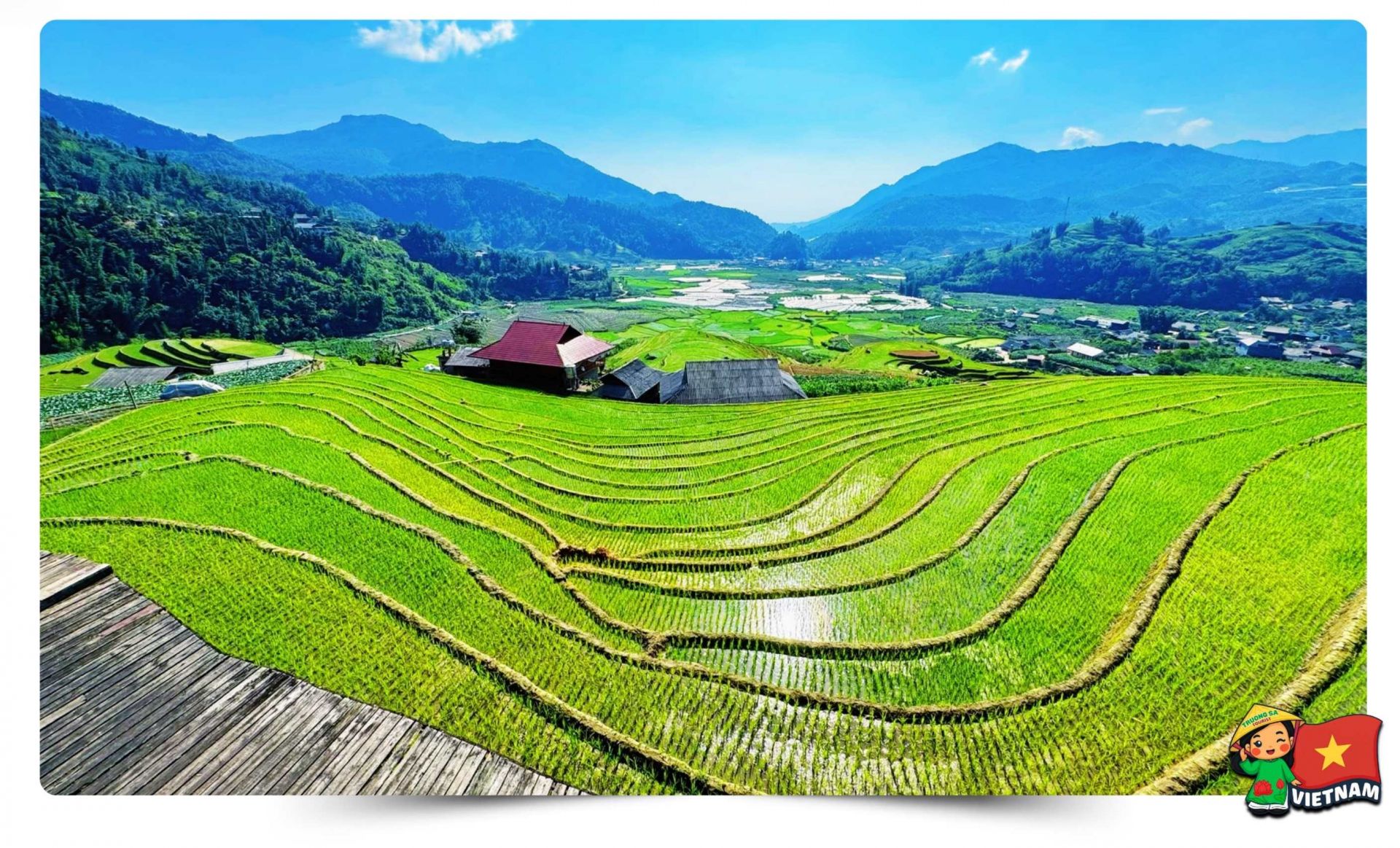 Summer marks the beginning of a new rice-growing cycle. From late April through early June, seasonal rains fill the terraces with fresh mountain water, creating the famous water season. As the rice grows from June to August, the entire landscape turns into endless layers of vibrant green.
Daytime temperatures generally range between 22°C and 30°C, depending on the destination. Rainfall becomes more frequent, especially during the afternoon and evening. However, showers are usually followed by crystal-clear skies, fresh mountain air, and dramatic cloud formations, creating excellent conditions for photography.
If you plan to visit during this season, bringing a lightweight rain jacket, waterproof hiking shoes, and checking weather forecasts regularly will help ensure a smoother journey.
Autumn (September to October) - The Best Weather of the Year
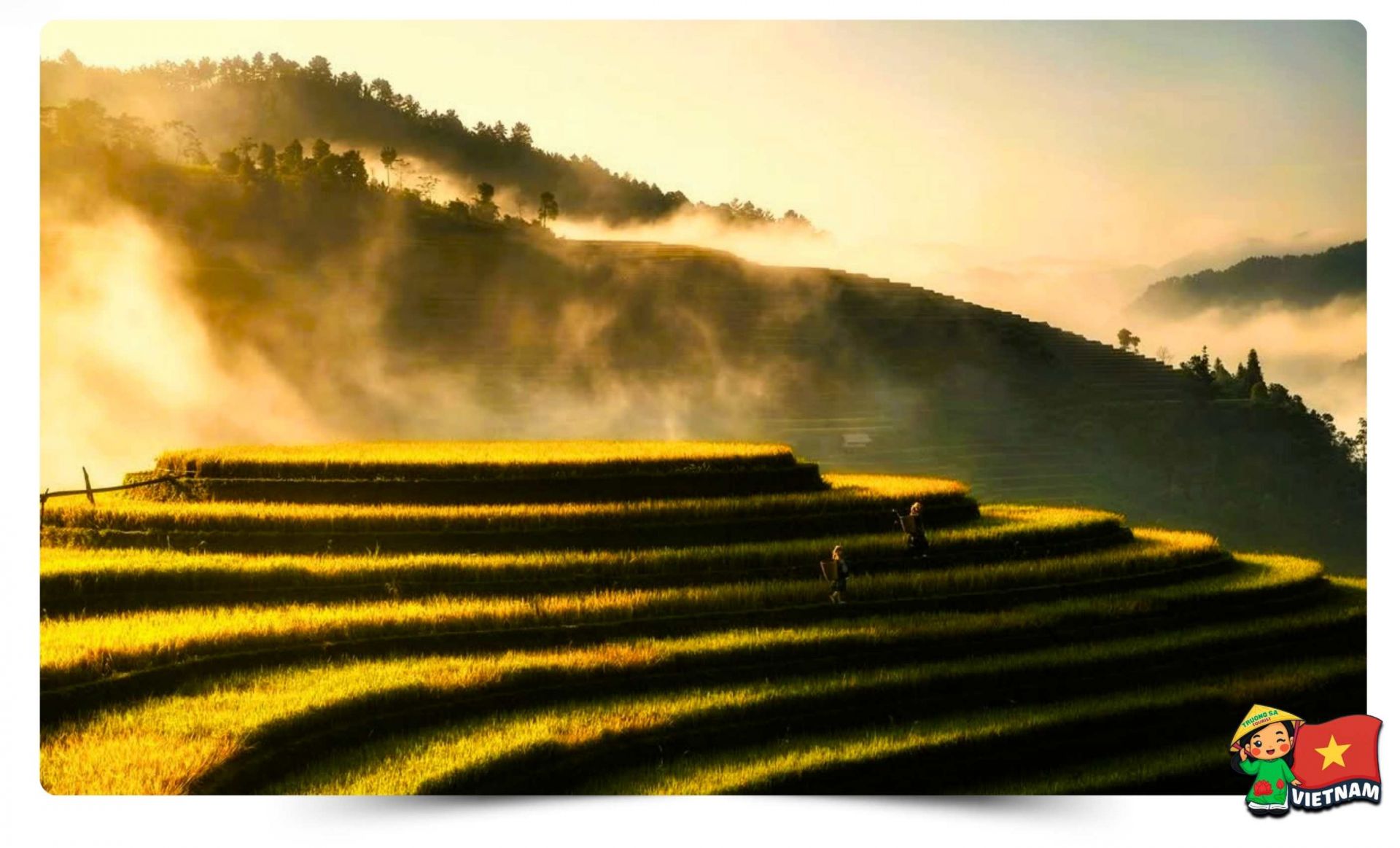 For most international travelers, autumn is the finest season to explore Northern Vietnam's rice terraces.
Compared with summer, rainfall decreases significantly, skies become clearer, and temperatures remain comfortably between 18°C and 27°C. Soft sunshine during the morning and late afternoon creates perfect lighting for sightseeing and landscape photography.
This is also the golden harvest season, when valleys in Mu Cang Chai, Hoang Su Phi, Sapa, and Y Ty are covered in brilliant golden rice fields. Stable weather conditions also make traveling along mountain roads and scenic passes safer and more enjoyable.
Winter (November to January) - No Rice Fields, Yet Still Worth Visiting
.jpg) After the harvest, the rice terraces enter their resting period. Although the vibrant green and golden landscapes have disappeared, winter offers its own unique appeal with cool temperatures, dramatic mountain scenery, and thick seas of clouds.
After the harvest, the rice terraces enter their resting period. Although the vibrant green and golden landscapes have disappeared, winter offers its own unique appeal with cool temperatures, dramatic mountain scenery, and thick seas of clouds.
In destinations such as Sapa and Y Ty, temperatures can occasionally fall below 10°C, with frost or even light snowfall during particularly cold spells. Ha Giang and Hoang Su Phi also experience chilly mornings and evenings throughout the season.
Winter is an excellent time for travelers who enjoy cloud hunting, experiencing ethnic minority culture, or discovering seasonal flowers and traditional mountain festivals. However, if your primary goal is to admire Northern Vietnam's famous rice terraces, autumn remains the most highly recommended season.
The Best Rice Terrace Destinations in Northern Vietnam
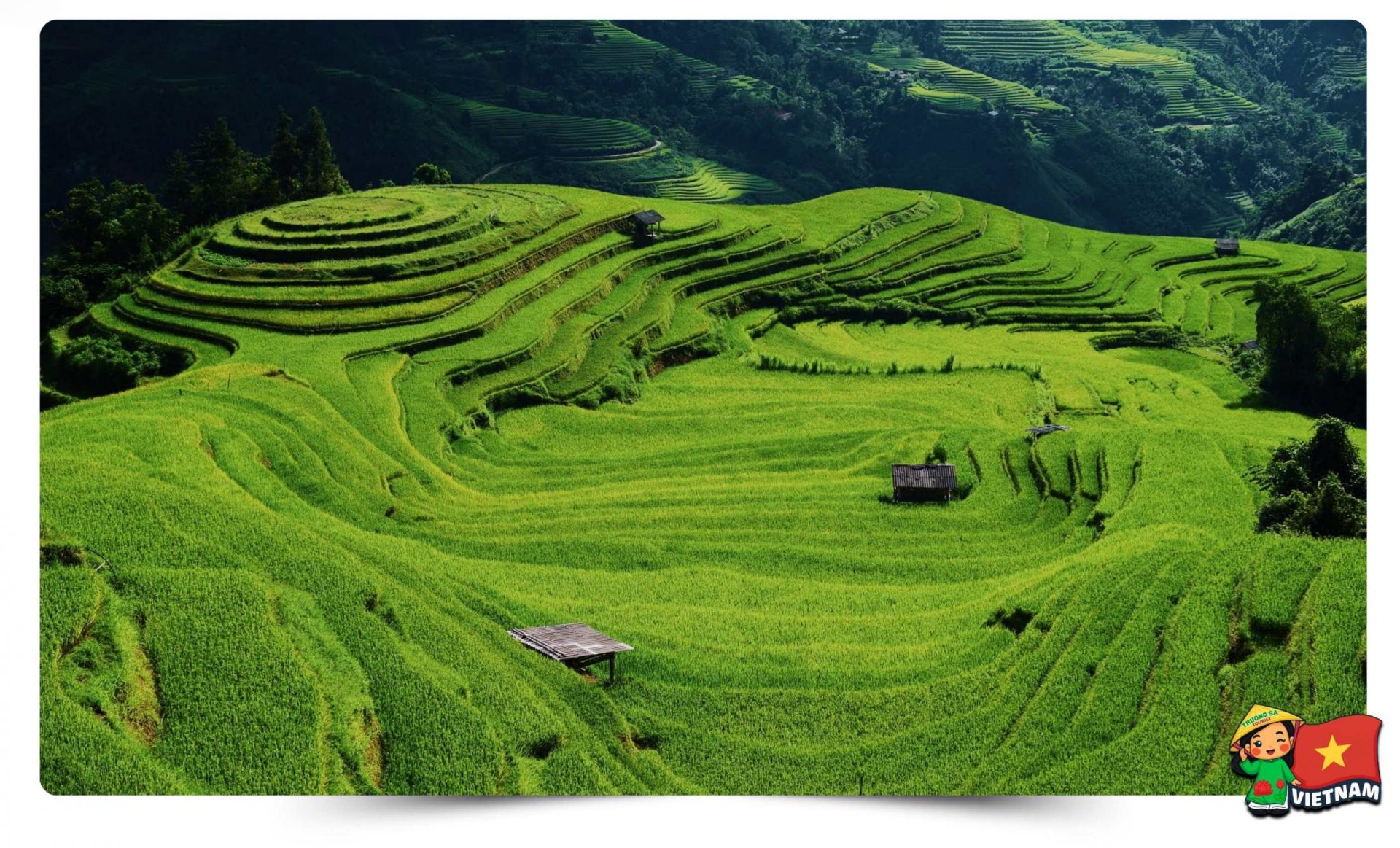 Ha Giang - Spectacular Landscapes Beyond the Limestone Plateau
Ha Giang is famous not only for the legendary Ha Giang Loop but also for its magnificent rice terraces in Hoang Su Phi, Xin Man, and Quan Ba.
What makes Ha Giang unique is the dramatic contrast between towering limestone mountains, deep valleys, and cascading rice terraces. During the harvest season, golden rice fields woven between gray rocky peaks create one of Vietnam's most striking mountain landscapes.
For travelers interested in authentic cultural experiences, Ha Giang also provides opportunities to meet ethnic communities such as the Red Dao, H'Mong, and Nung people.
Sapa - The Perfect Introduction to Northern Vietnam's Rice Terraces
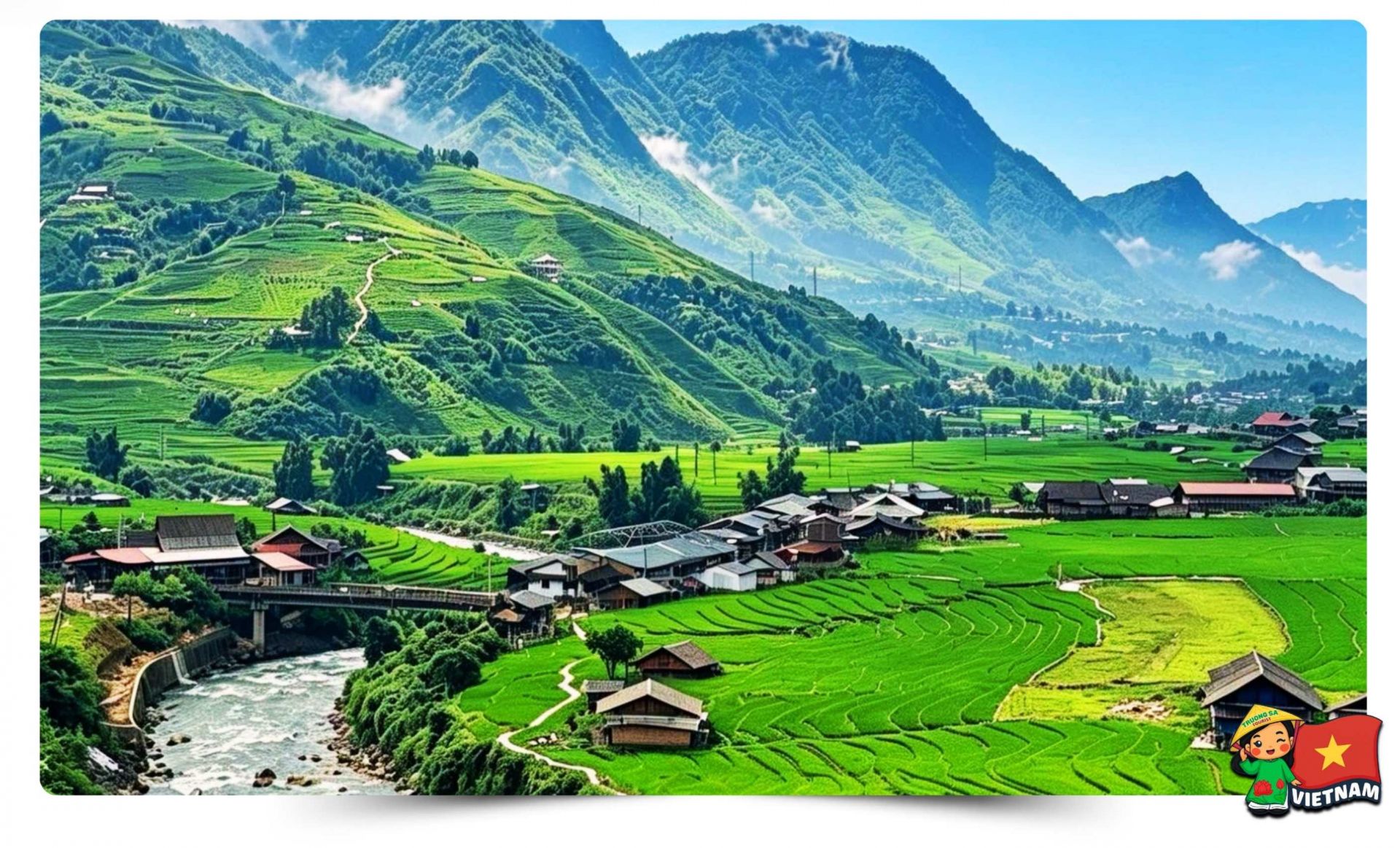 Sapa is often the first choice for travelers visiting Northern Vietnam for the first time. From the town center, it takes only 20 to 30 minutes to reach beautiful valleys such as Lao Chai, Ta Van, Y Linh Ho, and Hau Thao, where spectacular rice terraces stretch beneath the Hoang Lien Son mountain range.
One of Sapa's greatest advantages is its well-developed tourism infrastructure, offering a wide selection of hotels, resorts, boutique homestays, and restaurants. Visitors can easily combine rice terrace sightseeing with trekking, cultural experiences in H'Mong and Red Dao villages, and even a trip to Fansipan, the highest peak in Indochina.
Hoang Su Phi - A Paradise for Landscape Photographers
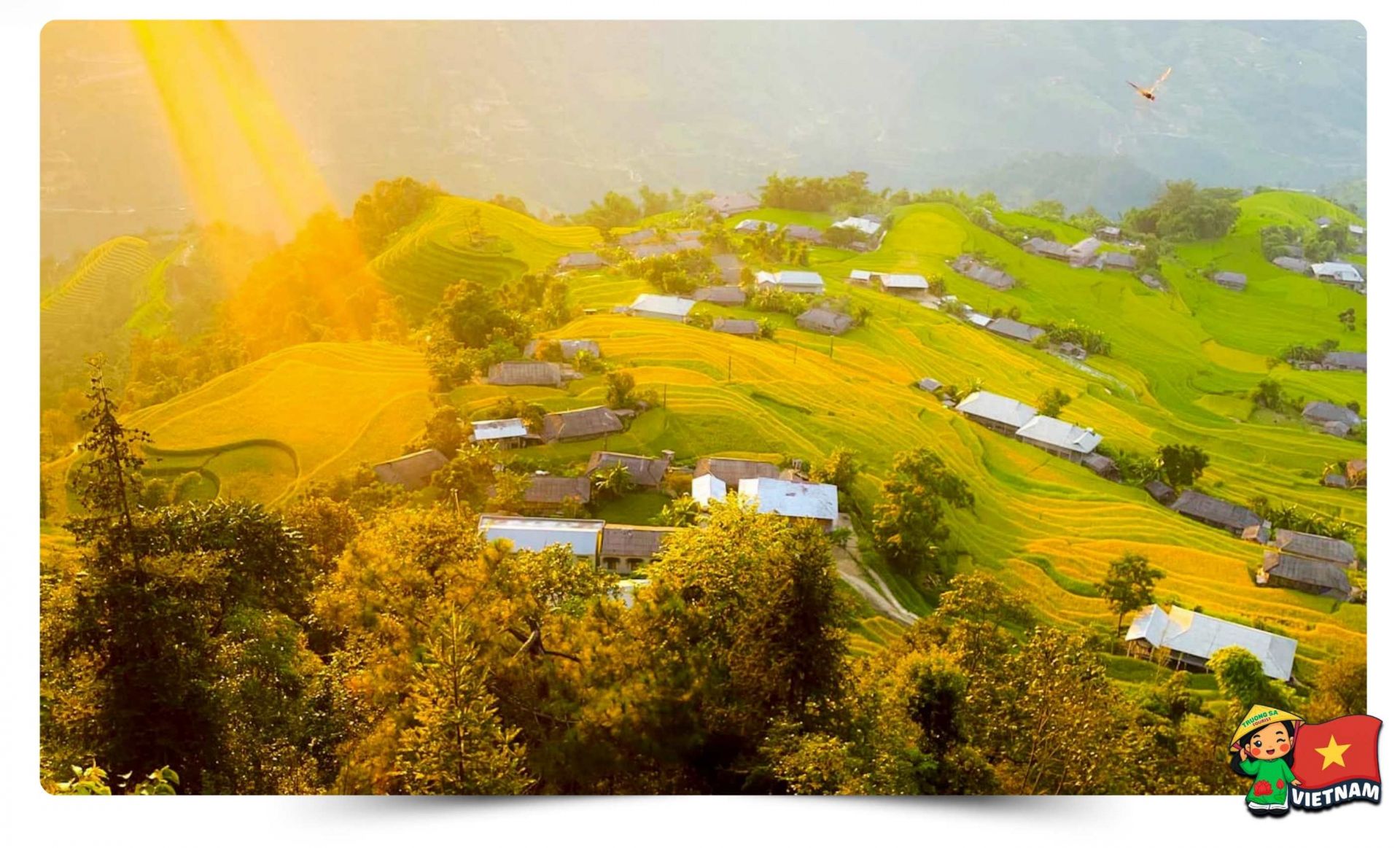 Hoang Su Phi is widely regarded by international photographers as home to some of Vietnam's most spectacular rice terraces.
The terraces here climb steep mountainsides in graceful curves that extend for kilometers. Early morning light, combined with low-hanging clouds, creates breathtaking scenes that are particularly rewarding for landscape photography.
From my experience leading photography tours, the period between 6:00 AM and 8:00 AM offers the best lighting conditions. The rising sun illuminates the terraces from the east, revealing their natural textures and depth while avoiding the harsh shadows that typically appear around midday.
Mu Cang Chai - The Icon of Vietnam's Rice Terraces
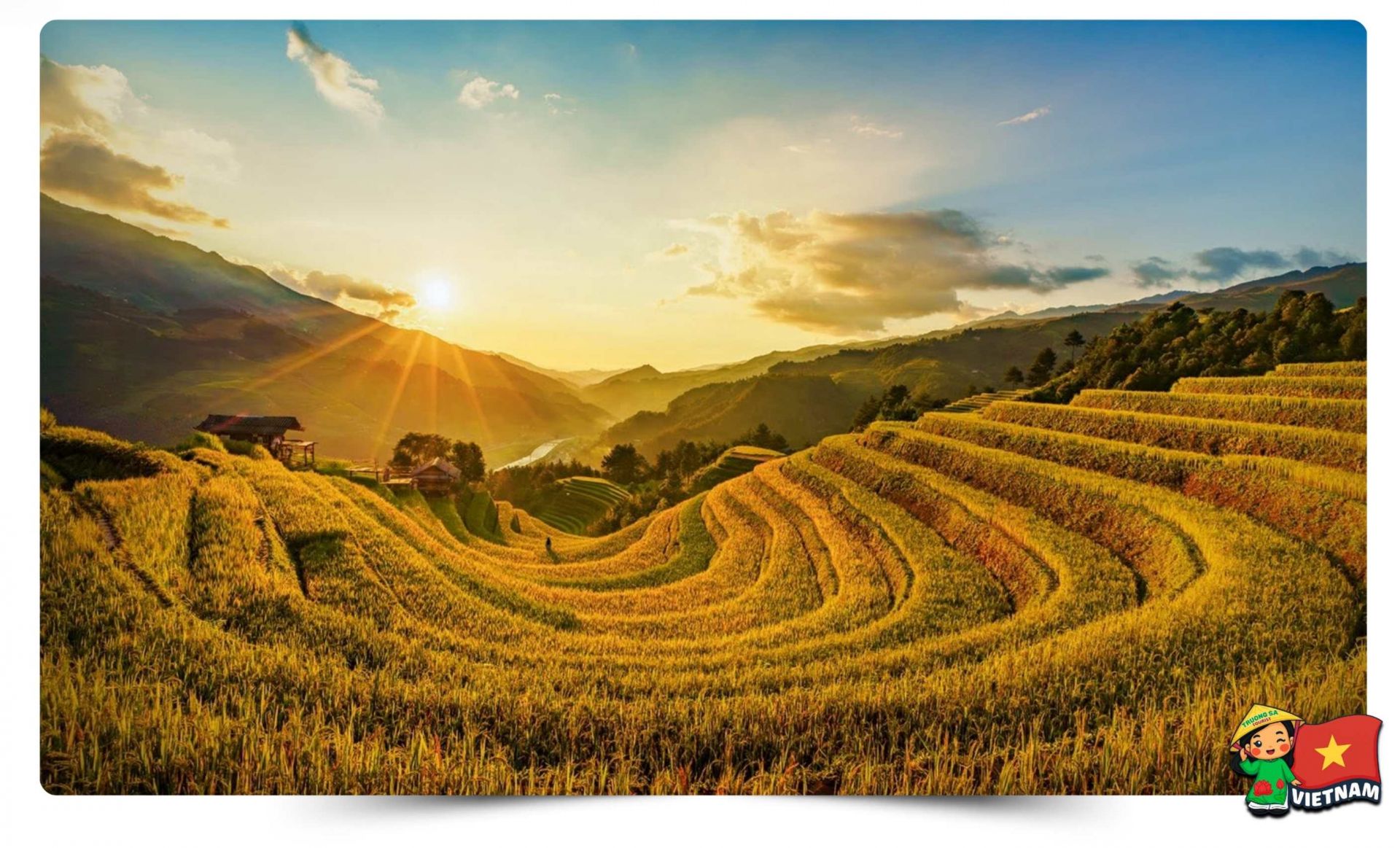 When people think of Northern Vietnam's rice terraces, Mu Cang Chai is often the first destination that comes to mind.
Famous viewpoints such as La Pan Tan, Che Cu Nha, and De Xu Phinh showcase some of the country's most distinctive terraced landscapes. During the harvest season, the mountainsides are blanketed in brilliant shades of gold, creating one of Vietnam's most iconic natural spectacles.
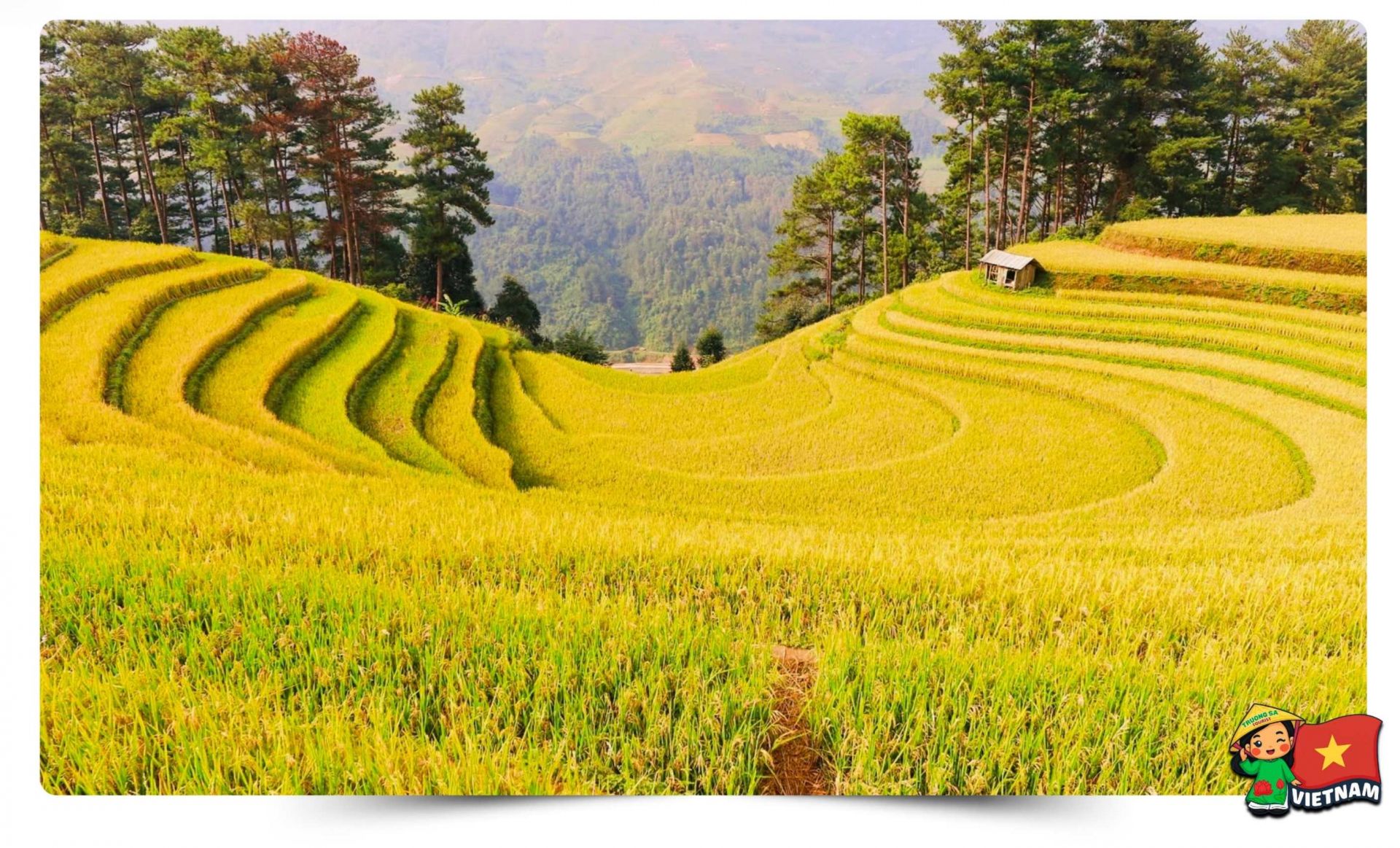 For drone photography enthusiasts, Mu Cang Chai is one of the best locations in Northern Vietnam. Its open terrain and gracefully curved terraces reveal stunning patterns when viewed from above.
I always recommend spending at least two days in Mu Cang Chai rather than making a quick day trip. Staying overnight allows you to experience both sunrise and sunset while also visiting H'Mong villages and gaining a deeper understanding of local life.
Pu Luong - Northern Vietnam's Hidden Green Gem
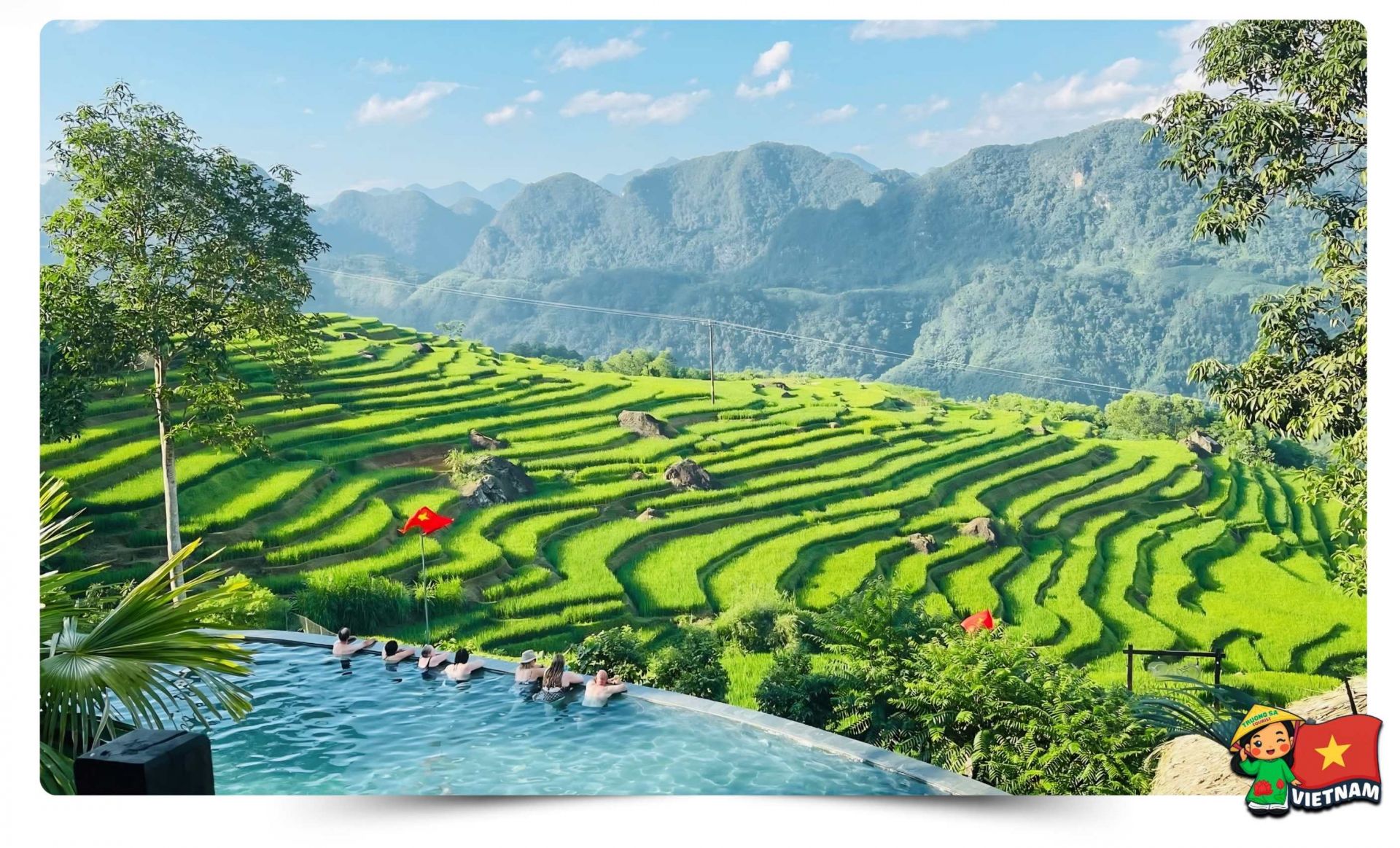
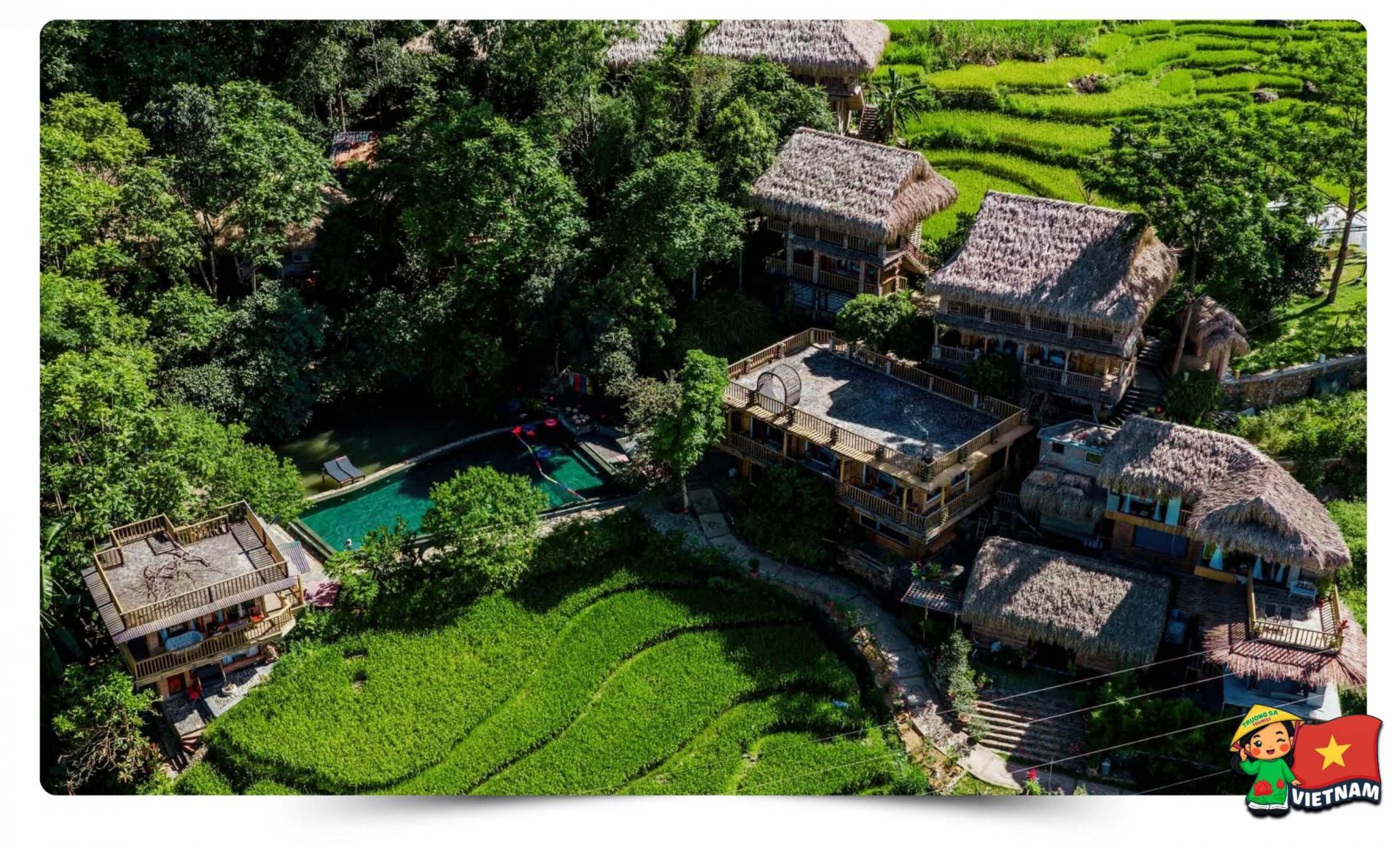 Unlike the destinations in Vietnam's Northwest region, Pu Luong Nature Reserve offers a gentler landscape where rice terraces blend harmoniously with lush forests, bamboo water wheels, and traditional Thai ethnic villages.
Thanks to its lower elevation and favorable climate, Pu Luong enjoys two rice-growing seasons each year, giving travelers more opportunities to admire either vibrant green or golden rice fields.
Pu Luong is especially suitable for visitors seeking a slower pace of travel. Walking through peaceful villages, cycling along quiet country roads, or relaxing at eco-lodges surrounded by rice fields creates an entirely different experience from the dramatic mountain scenery of Sapa or Mu Cang Chai.
 Northern Vietnam Rice Terrace Calendar by Month (2026)
Understanding the annual rice-growing calendar makes it much easier to choose the ideal travel period.
January to March
Most rice terraces have already been harvested. The scenery is dominated by mountain landscapes, cloud-covered valleys, and blooming spring flowers. While this is not the best time for viewing rice terraces, it is an excellent season for hiking, sightseeing, and experiencing local culture.
Late April to Early June
The famous water season begins across much of Northern Vietnam. Fresh mountain water fills thousands of terraces, transforming them into giant natural mirrors that beautifully reflect the surrounding landscape.
June to August
The green rice season reaches its peak. Lush rice fields cover the mountainsides, creating refreshing scenery that is ideal for trekking, photography, and cultural exploration.
Mid-September to Early October
This is generally considered the best time to visit Northern Vietnam's rice terraces. Golden rice blankets the valleys of Hoang Su Phi, Mu Cang Chai, Sapa, Y Ty, and many other destinations, creating spectacular autumn landscapes.
Late October to December
Most rice fields have already been harvested. Cooler temperatures make this an excellent time for mountain trekking, cloud hunting, and exploring the rich cultures of Northern Vietnam's ethnic communities.
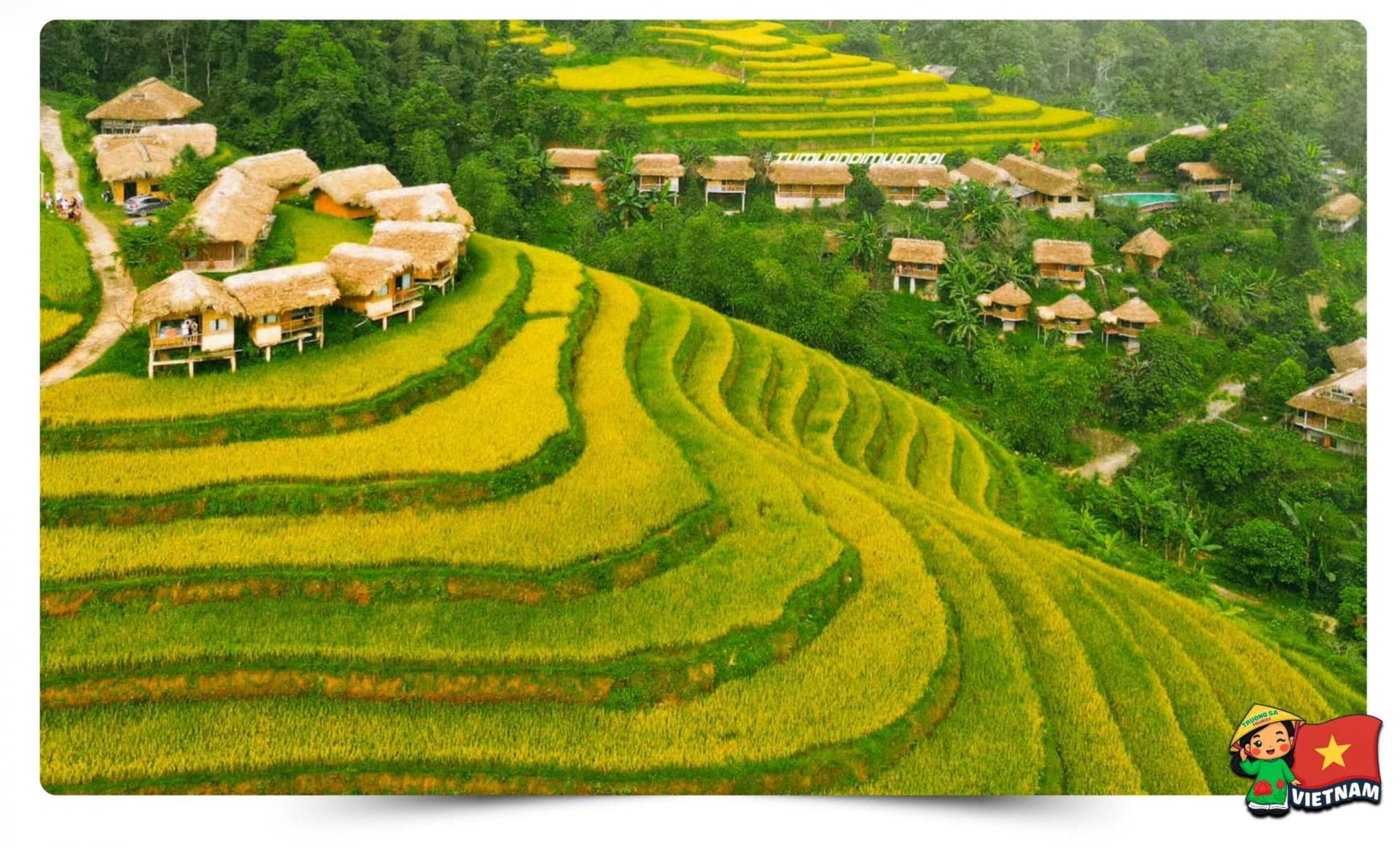 Suggested Rice Terrace Itinerary for International Travelers
If you have one week to explore Northern Vietnam, I usually recommend an itinerary that balances breathtaking landscapes with authentic cultural experiences rather than trying to visit too many destinations.
A well-paced 7-day itinerary could begin in Hanoi, continue to Sapa and Y Ty, then travel onward to Mu Cang Chai before returning to Hanoi. Travelers with additional time may extend their journey to Hoang Su Phi or Ha Giang, both of which offer unforgettable mountain scenery.
For those spending 10 to 12 days in Northern Vietnam, the itinerary can easily be expanded to include Cao Bang and the spectacular Ban Gioc Waterfall, Ba Be Lake, or other remarkable destinations throughout the northern region.
Many international travelers choose a Private Tour or Small Group Tour because these options provide greater flexibility, allowing more time for photography stops, village visits, and cultural interactions away from the main tourist routes.
At Truong Sa Tourist Vietnam DMC, we often design tailor-made journeys such as the Northern Vietnam Tour, Ha Giang Tour, Sapa Tour, Mu Cang Chai Tour, Cao Bang - Ban Gioc Tour, or comprehensive Vietnam Tours that travel from North to South. Small-group and private experiences allow travelers to discover Vietnam at a more relaxed pace while enjoying meaningful interactions with local communities.
Practical Tips for Visiting Northern Vietnam's Rice Terraces
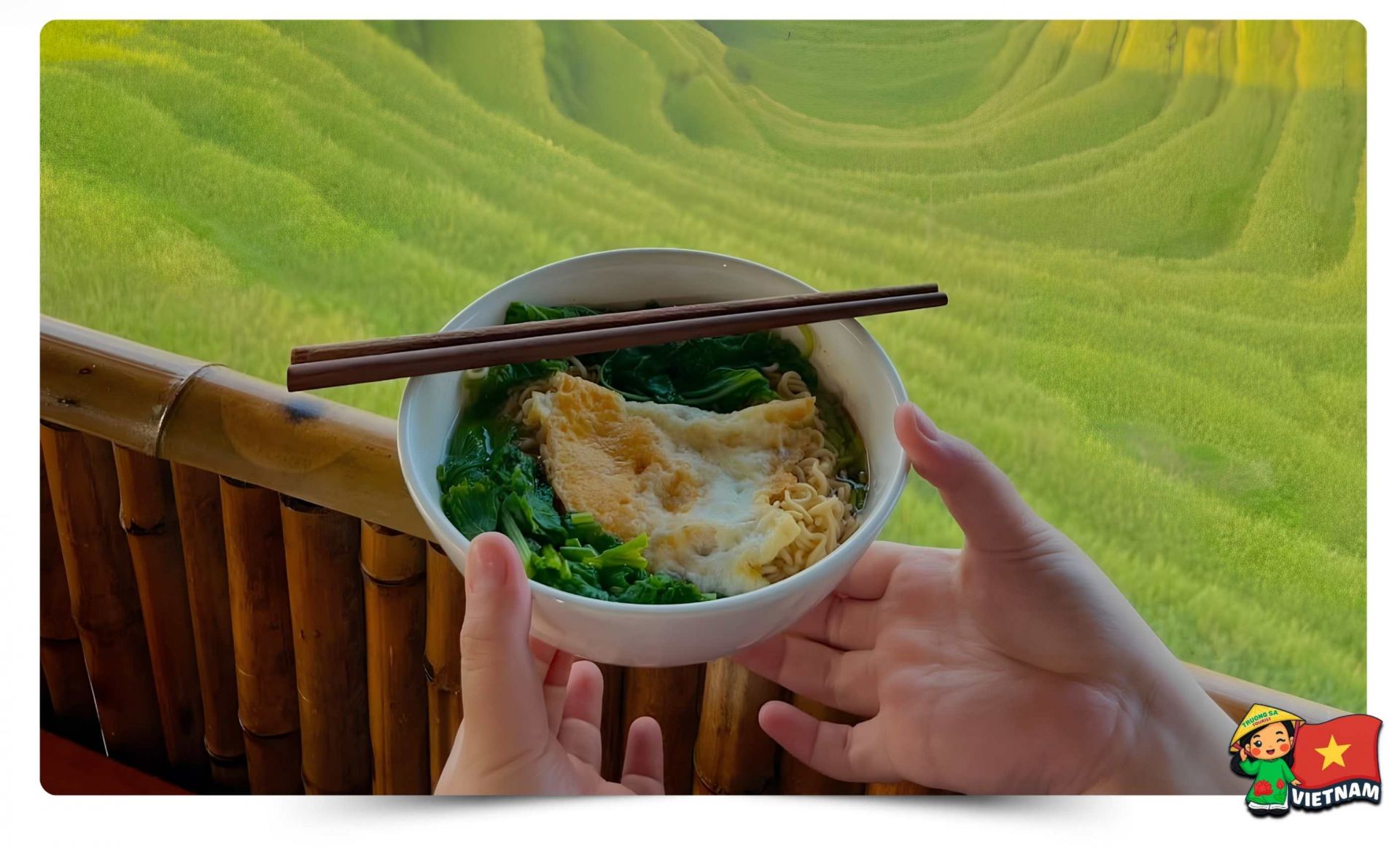 Mountain weather can change rapidly throughout the day. Sunshine, mist, and light rain may all occur within just a few hours, so bringing a waterproof jacket and sturdy hiking shoes is highly recommended.
For photography, the best natural light is typically between 6:00 AM and 8:00 AM, and again from 4:00 PM to 5:30 PM. During these hours, the sunlight is softer, colors appear richer, and the terraces reveal greater depth. Midday sunlight tends to be much harsher and can reduce image quality.
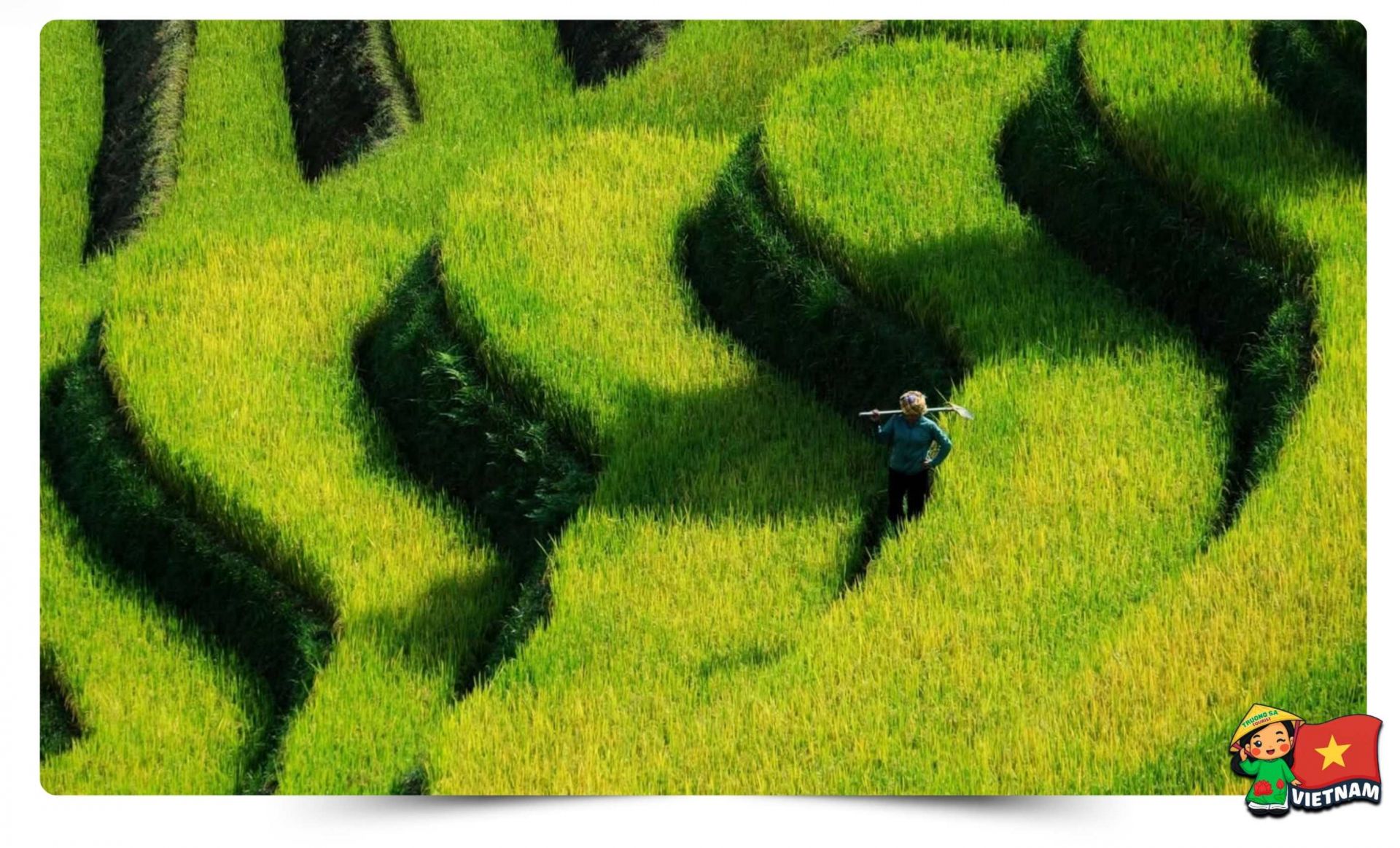 When visiting ethnic minority villages, always respect local customs and daily life. Ask for permission before photographing people and avoid flying drones near residential areas or cultural sites without approval.
Finally, avoid trying to visit too many destinations in a short period. Spending two or three days in each location allows you to appreciate not only the scenery but also the traditions, cuisine, and warm hospitality that make Northern Vietnam truly unforgettable.
 Frequently Asked Questions
1. When is the best time to see rice terraces in Northern Vietnam?
If you are visiting Vietnam only once, mid-September to early October is generally considered the ideal period thanks to pleasant weather and spectacular golden rice fields.
2. When does the water season take place?
The water season typically lasts from late April to early June, although exact timing varies slightly depending on local weather conditions and farming schedules.
3. Which is more beautiful: Mu Cang Chai or Hoang Su Phi?
Mu Cang Chai is famous for its iconic curved terraces and world-class landscapes, while Hoang Su Phi offers a more remote, dramatic, and less crowded experience. Both destinations are exceptional in their own way.
4. How many days should I spend exploring Northern Vietnam's rice terraces?
A 7 to 10-day itinerary is ideal if you want to combine Hanoi, Sapa, Mu Cang Chai, Hoang Su Phi, and Ha Giang in one journey.
5. Should international travelers visit independently or join a tour?
For first-time visitors to Vietnam, a Private Tour or Small Group Tour is often the most convenient choice, offering experienced local guides, comfortable transportation, and itineraries carefully planned around the rice-growing seasons.
After many years of guiding international travelers through Northern Vietnam's mountain landscapes, we have come to realize that the beauty of the region's rice terraces extends far beyond their vibrant green or golden colors. What makes these landscapes truly unforgettable is the harmonious relationship between nature and the ethnic communities who have carefully cultivated them for generations.
If your goal is to witness Northern Vietnam at its most spectacular, plan your visit between mid-September and early October. If you are passionate about landscape photography, the water season offers entirely different perspectives with its mirror-like reflections. Meanwhile, travelers seeking lush scenery and immersive cultural experiences will find the green rice season equally rewarding.
My advice is simple: don't rush through Northern Vietnam just to capture a few photographs. Take time to walk through traditional villages, chat with local residents, enjoy authentic mountain cuisine, and watch the sunrise over the terraced hillsides. These simple yet meaningful experiences are what transform a trip into lifelong memories.
This is the philosophy that Ms. Tấm - Local Travel Expert at Truong Sa Tourist Vietnam DMC, hopes every international traveler will experience while discovering the timeless beauty of Northern Vietnam.