Da Nang in November 2026: What's the Weather Really Like?

What's the Weather Really Like in Da Nang in November 2026?
There is no single answer to whether Da Nang is worth visiting in November, as it depends on each traveler's preferences and the purpose of the trip. If you prioritize sunny days for swimming and outdoor activities, November may not be the most ideal choice. However, if you do not mind rainy days and are prepared to build a flexible itinerary, Da Nang still has plenty to offer.
November is still clearly influenced by Da Nang's rainy season, with the possibility of heavy rain, rough seas, or rapidly changing weather that may require some outdoor plans to be adjusted. Therefore, before booking a trip for November 2026, it is important to understand what the weather is generally like, how rain may affect your itinerary, which experiences remain suitable, and what you should prepare.
From the perspective of a local travel expert, Ms. Tấm will give you a more realistic view of Da Nang in November and how to plan a flexible itinerary so your trip can still be enjoyable even when the weather is not entirely favorable.
 What Is Da Nang Weather Really Like in November?
By November, Da Nang has fully entered the late-year rainy season. Based on Da Nang weather forecasts and long-term climate data, the average temperature during the month is around 24-25°C, with daytime highs typically around 26°C and nighttime temperatures around 23°C. One notable point is that both daytime highs and nighttime lows gradually decrease from the beginning toward the end of the month.
For international travelers, these figures have a fairly simple meaning: Da Nang in November is not cold by the standards of many countries, but it is no longer the hot, sunny weather that is ideal for spending an entire day at the beach.
Humidity also remains high. Therefore, although temperatures are lower than in summer, the weather can still feel humid and somewhat stuffy outdoors, particularly before or after periods of rain.
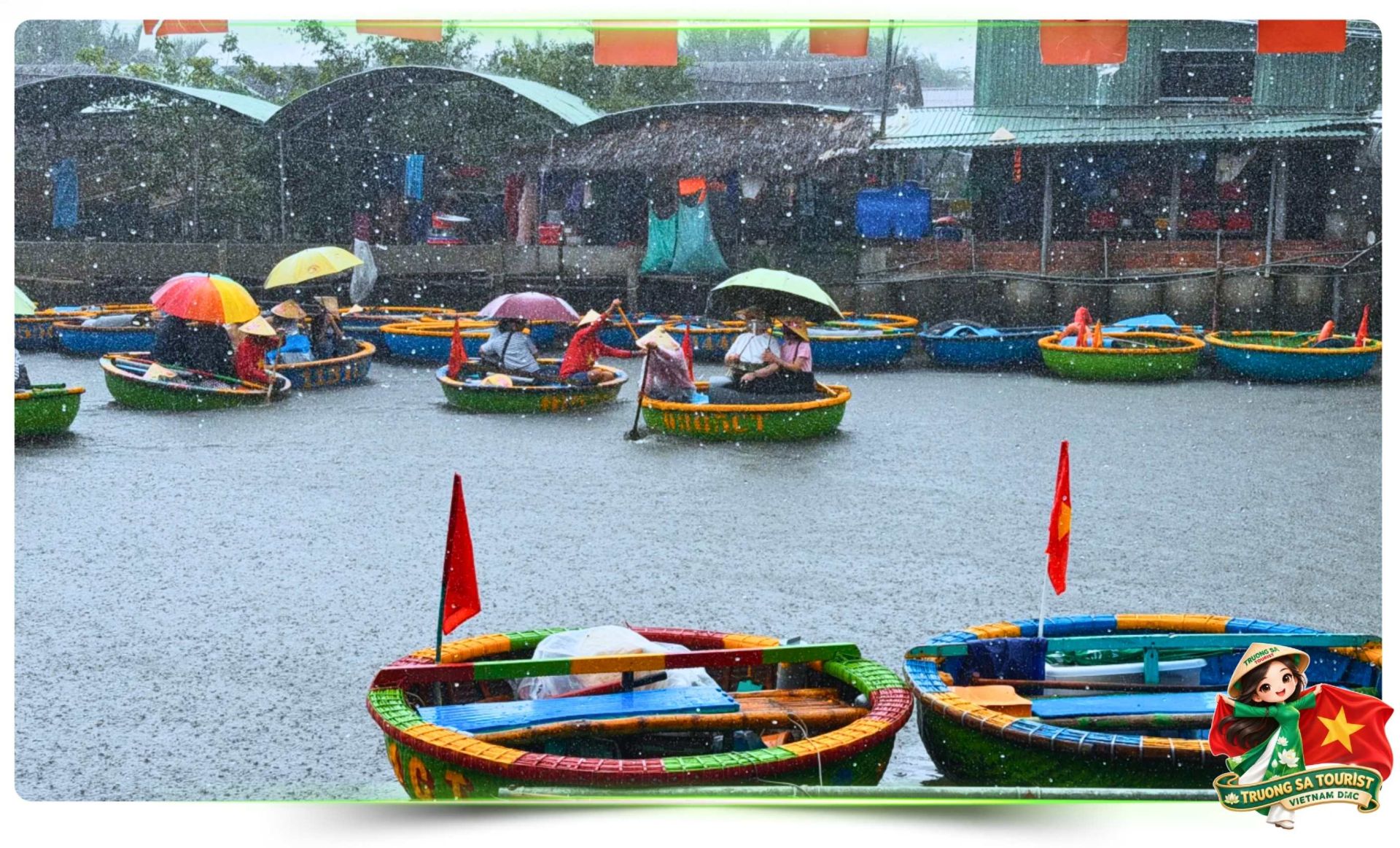
 Rainfall is one of the main concerns for travelers planning a visit to Da Nang in November. The chance of rain is around 50%, but rainfall tends to be less frequent because the peak rainy period in Da Nang is usually September and October. At this time of year, rainfall is often in the form of short showers. However, periods of widespread heavy rain can still occur when stronger cold air combines with easterly winds.
You should bring an umbrella, a light jacket, and check the weather forecast before your trip so you can adjust your itinerary and switch to indoor attractions if necessary.
 Is November Still Rainy Season in Da Nang?
Yes. November is still part of Da Nang's rainy season, although this does not mean that it rains continuously throughout the month.
Rainfall patterns can vary considerably from one day to another. Some days may have only a short shower before the weather clears, while other periods can bring prolonged or heavy rain that affects outdoor activities and transportation.
This is why travelers should not interpret the term "rainy season" as meaning that Da Nang will be rainy all day, every day. The actual weather depends on the specific weather systems affecting Central Vietnam at the time of your visit.
Heavy rain, strong winds, rough seas, or rapidly changing weather can occasionally affect outdoor activities. When weather conditions become unfavorable, it is better to adjust your plans rather than try to follow a fixed itinerary at all costs.
 Can You Still Enjoy the Beach in Da Nang in November?
Yes, but the beach should be treated as a weather-dependent activity rather than the sole purpose of your trip.
 On dry and calm days, Da Nang's beaches can still be very beautiful. Sea temperatures in November remain relatively warm, at around 26-27°C based on long-term climate data. Therefore, water temperature is generally not the main concern for travelers who want to swim.
The more important factor is sea conditions.
After heavy rain or during periods of strong winds, waves can become higher, the water may become less clear, and conditions may no longer be suitable for swimming or offshore activities. When there are weather warnings or rough seas, you should not try to carry out water activities simply because they were included in your original itinerary.
If the weather is good, the morning is usually a reasonable time to check the sea conditions and decide whether it is suitable for swimming.
 What Can You Do in Da Nang When It Rains in November?
Da Nang is more than just its beaches, and this is an important advantage when visiting in November.
When the rain is light or has stopped, you can still explore the city, enjoy local dishes such as Mi Quang, Bun Cha Ca and Banh Xeo, try local coffee, or spend time exploring the city's markets.
On wetter days, indoor water parks, museums, cultural spaces and spas can be better choices than outdoor activities.
 Marble Mountains can still be included in your itinerary when weather conditions are stable, but extra care is needed because the stone steps can become slippery when wet.
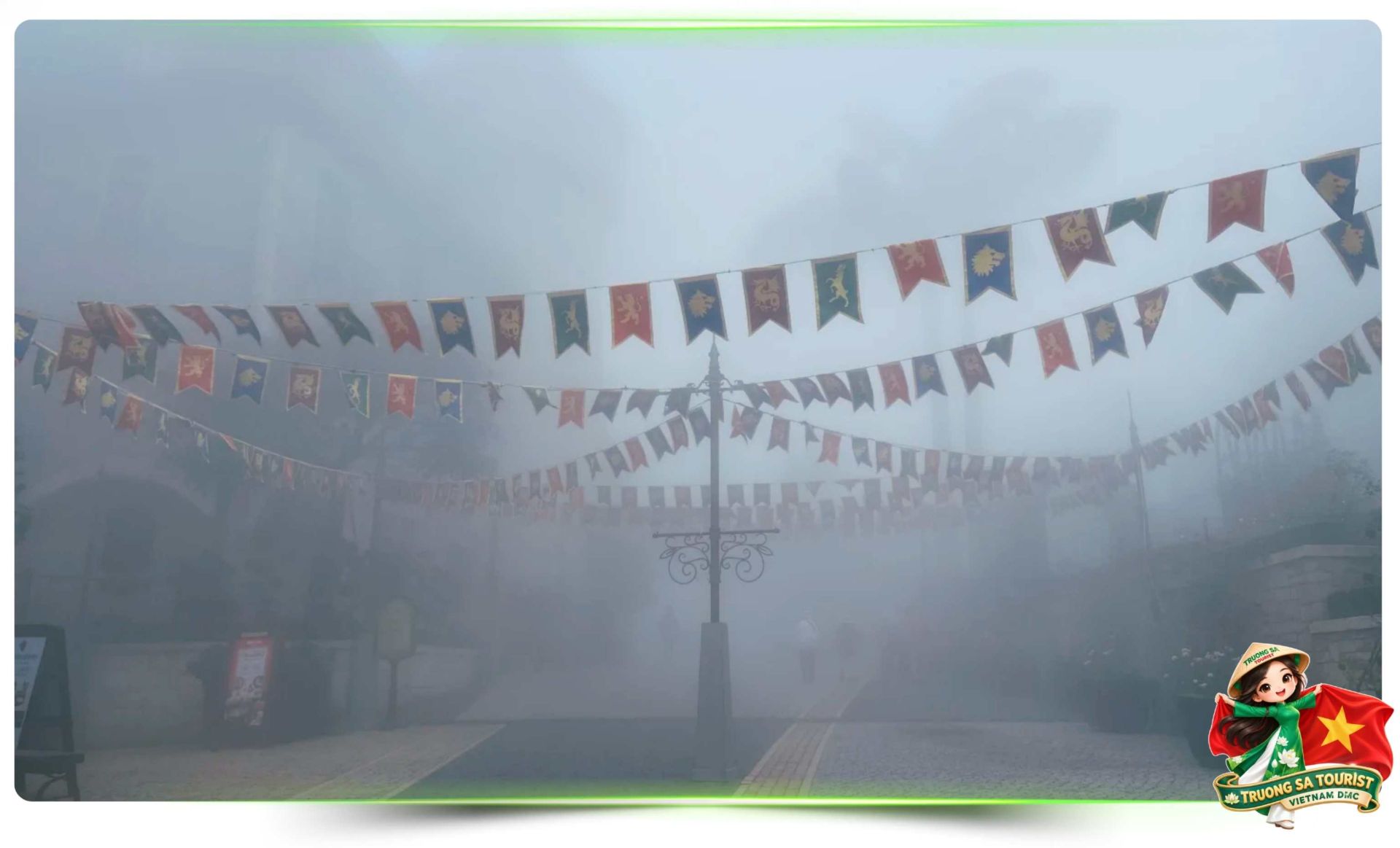
Ba Na Hills can also be considered during periods of moderate rain if the cable car is operating normally. The destination has indoor areas and activities, so you can still enjoy the visit even when outdoor visibility is limited. However, it is not advisable to insist on visiting outdoor attractions during heavy rain, thunderstorms or strong winds simply to maintain the original schedule.
 If you need more ideas, you can refer to our detailed guide on what to do in Da Nang when it rains and use it to prepare a backup itinerary.
Is November a Good Month to Visit Da Nang?
The answer depends on the purpose of your trip.
November is suitable for travelers who want to experience Da Nang and Central Vietnam at a slower pace, do not rely heavily on beach activities, enjoy food and culture, and are comfortable adjusting their itinerary. It can also be a reasonable choice for travelers who want to avoid the peak beach tourism period and potentially save on travel costs.
 On the other hand, if your main goal is to spend every day on the beach, take part in numerous offshore activities, and have consistently sunny weather, November is not the best choice.
The most important thing is not to build your entire trip around the expectation of perfect weather. A well-planned Da Nang itinerary in November should have Plan A for dry days and Plan B for rainy days.
Therefore, it would not be accurate to call November the "best time" to visit Da Nang. Instead, it is a period that can work well if you understand the limitations of the weather and prepare a sufficiently flexible itinerary.
 Da Nang in November vs October and December
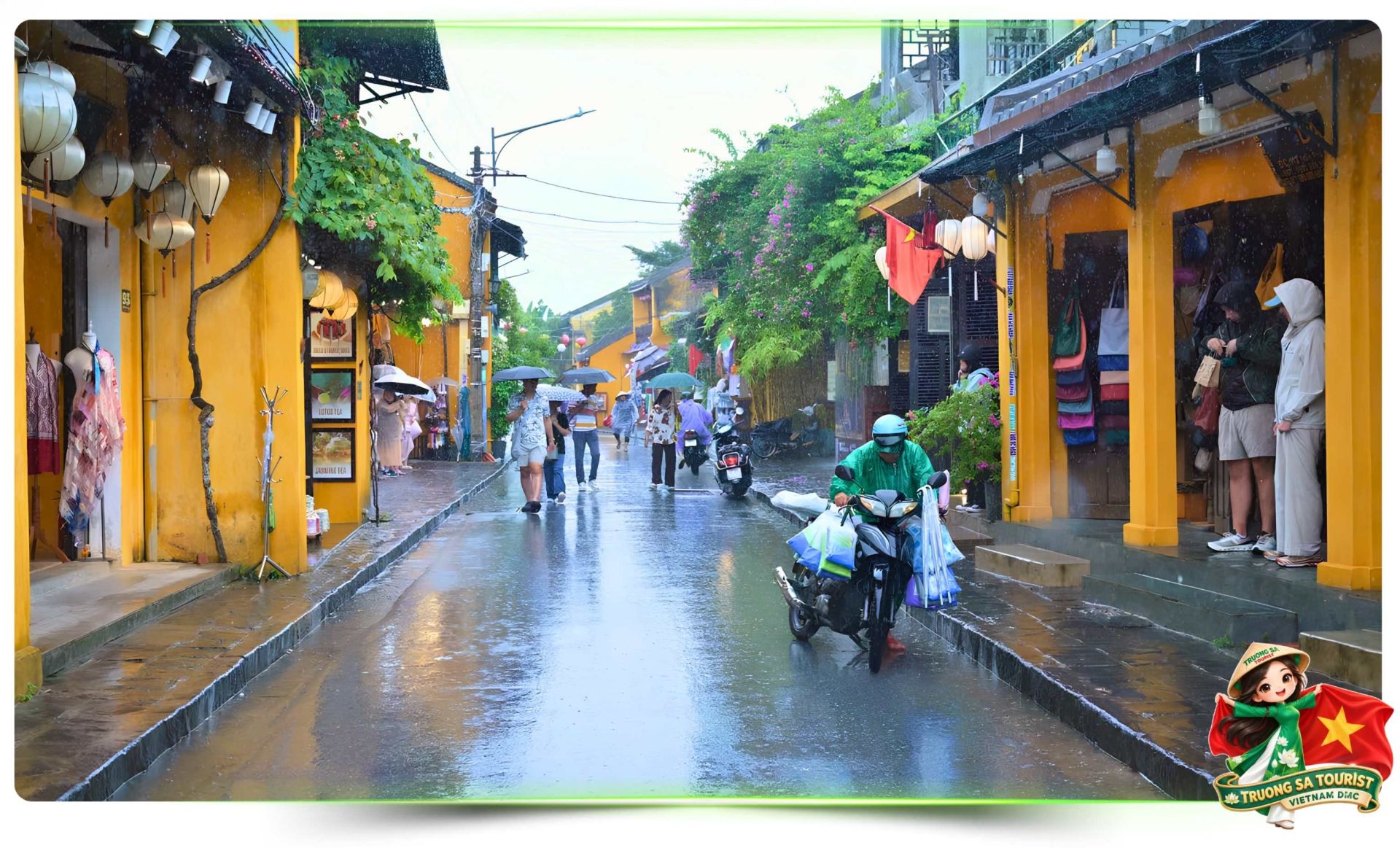
Compared with October, November is generally cooler but still falls within one of the wetter periods of the year. Long-term climate data for Da Nang shows an average temperature of around 25.8°C in October, compared with approximately 24.4°C in November.
December is cooler still, with average temperatures of around 22-23°C. Long-term average rainfall also tends to decrease compared with November, although December is not completely dry.
In terms of travel experience, both October and November require travelers to be prepared for heavy rain. November has the advantage of more comfortable temperatures, but this does not guarantee better beach conditions.
In December, the weather is cooler and can be comfortable for exploring the city, but sea conditions still depend on individual weather systems.
If beach activities are your priority, you should not choose a travel month based solely on its name. Always check the actual forecast closer to your travel dates.
 What to Pack for Da Nang in November
Packing for Da Nang in November should be practical and focused on changing weather conditions.
A lightweight raincoat or small umbrella can be very useful, although a raincoat is preferable if you plan to travel by motorbike or spend a lot of time walking outdoors. Shoes with good grip are also important because sidewalks, stone steps and walking paths can become slippery after rain.
I also recommend bringing a waterproof bag or pouch for your phone, camera, documents and electronic devices. A few spare sets of dry clothes can be useful if you encounter unexpected rain.
There is no need to pack a lot of heavy winter clothing. Daytime temperatures are generally still comfortable, but a light jacket can be useful in the evening or during prolonged rainy periods.
 Can You Visit Hoi An, Hue and Ba Na Hills in November?
Yes, but these three destinations require sensible itinerary planning.
Hoi An can be conveniently combined with Da Nang, but the Old Town is located close to the Thu Bon River, so particular attention should be paid to heavy rain and potential flooding. If the forecast indicates unfavorable weather, the itinerary should be adjusted rather than forcing the original plan.
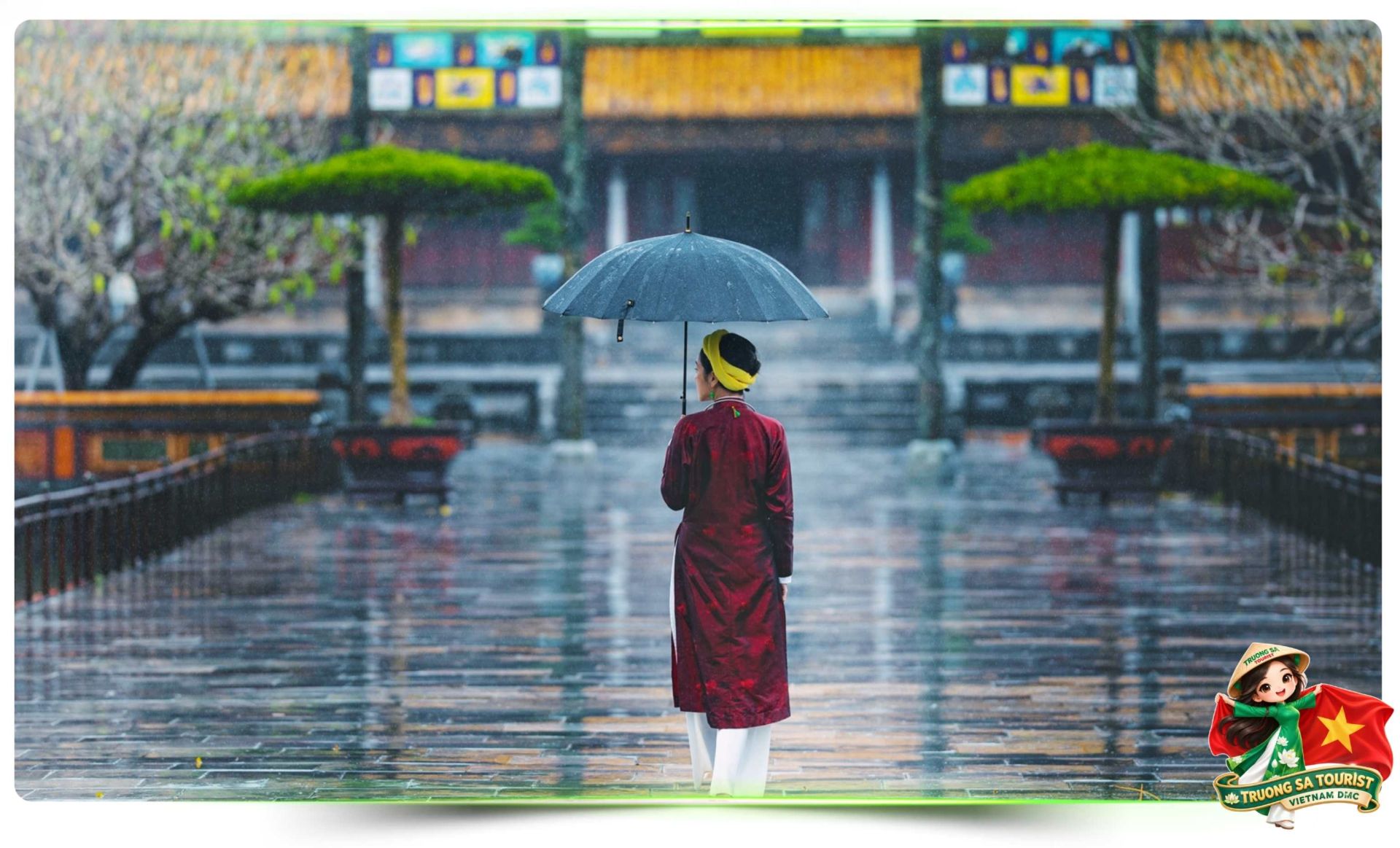
 Hue can also experience prolonged rainfall during Central Vietnam's rainy season. Therefore, it is worth allowing some flexibility if Hue is an important part of your itinerary.
Ba Na Hills is located in a mountainous area where the weather can be significantly different from central Da Nang. Clouds, rain and visibility can change quickly. It is advisable to check the forecast closer to your travel date before deciding on the visit.
For all three destinations, a flexible itinerary is more valuable than fixing every activity to a specific hour.
Plan Your Vietnam Journey with a Local DMC
.jpg) Central Vietnam's weather is one of the reasons I recommend that international travelers avoid building an overly rigid Vietnam itinerary in November.
Central Vietnam's weather is one of the reasons I recommend that international travelers avoid building an overly rigid Vietnam itinerary in November.
Truong Sa Tourist Vietnam DMC specializes in private tours, group tours and customized Vietnam itineraries for international travelers. Journeys can combine Hanoi, Ninh Binh, Ha Long Bay, Sapa, Ha Giang and Pu Luong in the north with Da Nang, Hoi An, Hue and Phong Nha in Central Vietnam, followed by Ho Chi Minh City, the Mekong Delta or Phu Quoc when conditions are suitable.
The goal is not to fit as many destinations as possible into one itinerary. In November, the value of working with a local DMC lies in the ability to adjust the sightseeing order, change outdoor activities, and arrange airport transfers, private transportation or limousine services when actual weather conditions change.
.jpg) This is also how we usually advise our guests: build a good itinerary, but do not make it too rigid.
This is also how we usually advise our guests: build a good itinerary, but do not make it too rigid.
Truong Sa Tourist Vietnam DMC is always ready to assist with your Vietnam journey. Contact us by clicking the icons below.