How to Plan the Ultimate 12-Day Vietnam Itinerary (2026 Guide)
How to Plan the Ultimate 12-Day Vietnam Itinerary (2026 Guide)
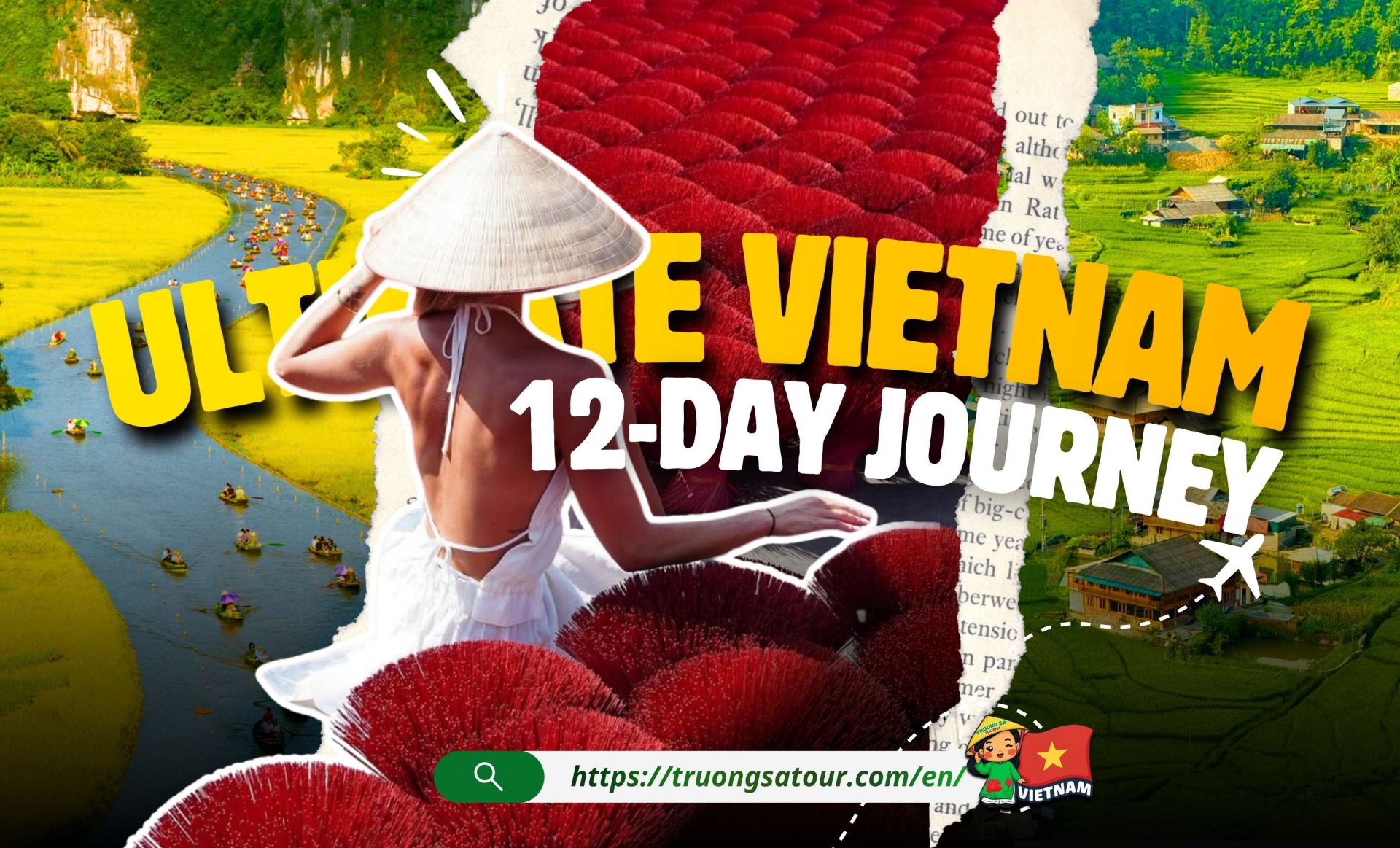
Vietnam is one of the most rewarding destinations in Asia, surprising travelers not only with its stunning landscapes but also with how dramatically each region changes in atmosphere, culture, and scenery. In just 12 days, you can begin your journey in the vibrant streets of Hanoi, travel through the breathtaking rice terraces of Sapa, drift peacefully across the limestone landscapes of Ninh Binh, continue exploring the timeless charm of Hoi An Ancient Town, and finally end your trip in the energetic atmosphere of Ho Chi Minh City and the tranquil waterways of the Mekong Delta.
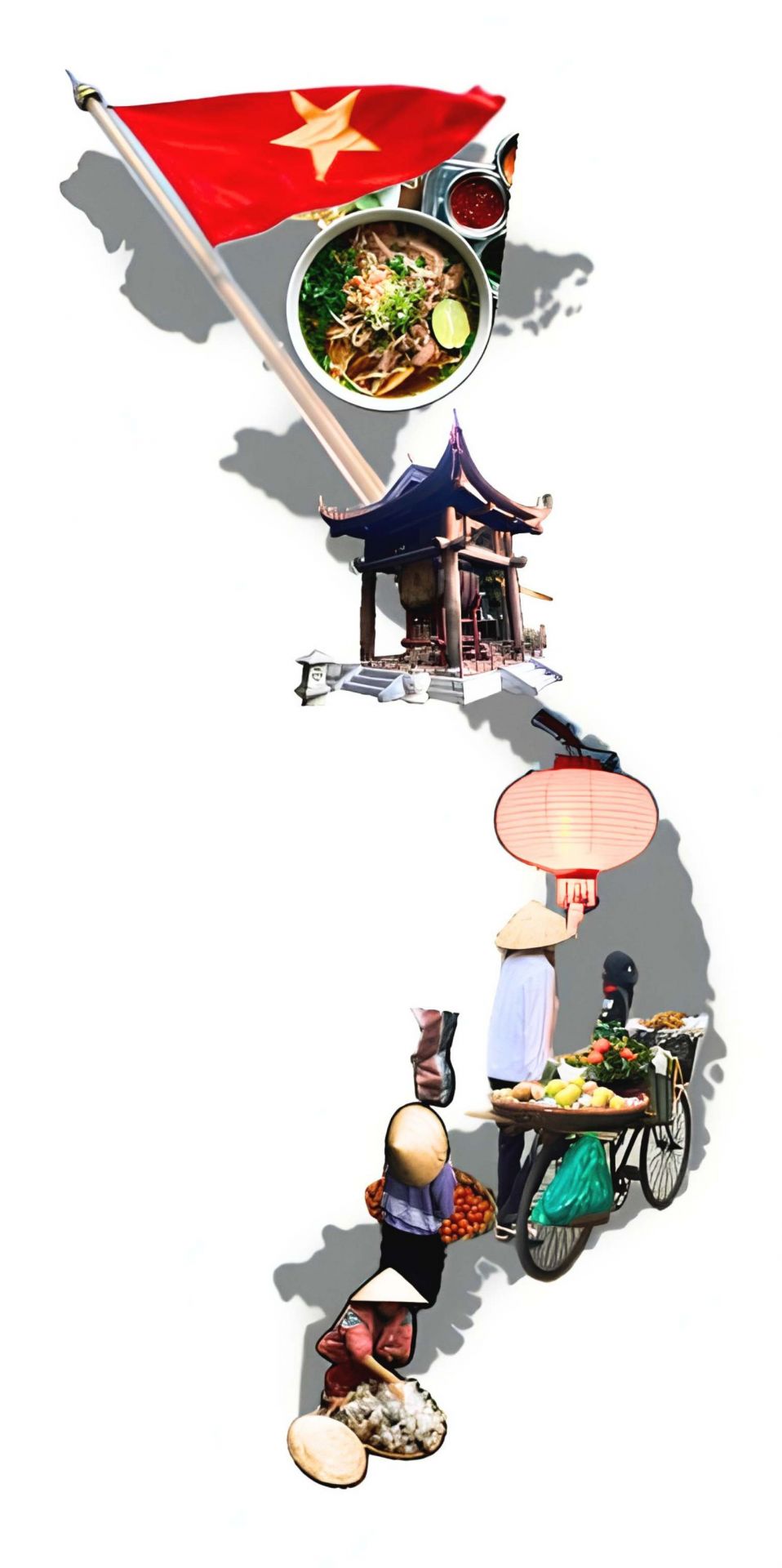
This is not simply a standard sightseeing itinerary. The journey has been carefully designed by Truong Sa Tourist Vietnam DMC based on authentic local experiences to help travelers discover the most genuine and unforgettable side of Vietnam - from local culture, street food, and spectacular nature to the historical stories that shaped the unique identity of this S-shaped country.
Why Is 12 Days the Perfect Amount of Time to Explore Vietnam?
Vietnam is much larger than most travelers expect.
The distance from Hanoi to Ho Chi Minh City is comparable to crossing several European countries. That is why itineraries shorter than 7 days are usually only enough to explore one region or rush through the country too quickly. Meanwhile, trips longer than three weeks are often unrealistic for international travelers with limited vacation time.
→And that is exactly why 12 days creates an almost perfect travel rhythm.
It allows travelers to:
- Experience the cultural depth of Hanoi
- Explore the mountains of Northern Vietnam in Sapa
- Discover the natural beauty of Ninh Binh
- Spend meaningful time in Hoi An
- Learn more about Vietnamese history in Ho Chi Minh City
- End the journey slowly in the peaceful Mekong Delta
More importantly, this itinerary creates a realistic travel pace instead of turning the trip into a nonstop check-in marathon.
 A good “Vietnam itinerary 2026” should never make travelers feel like they are racing from one destination to another. Instead, it should offer relaxation, immersive sightseeing, and slow travel experiences.
Travel pacing is especially important for first-time visitors. Vietnam can feel intense to the senses. Traffic noise, tropical weather, crowded streets, and the constant energy of local life can quickly become exhausting if the itinerary is too packed.
The Most Balanced North-to-South Vietnam Itinerary for 2026
The route in this article has been carefully designed as an ideal “north to south Vietnam itinerary.”
The journey begins in Hanoi, allowing travelers to gradually connect with Vietnamese culture through:
- The Old Quarter
- Street food
- Historical landmarks
- Everyday local life
From there, the route moves toward the mountains of Northwest Vietnam and Sapa. Emotionally, this transition works beautifully because it creates a dramatic contrast between busy urban life and untouched natural scenery.
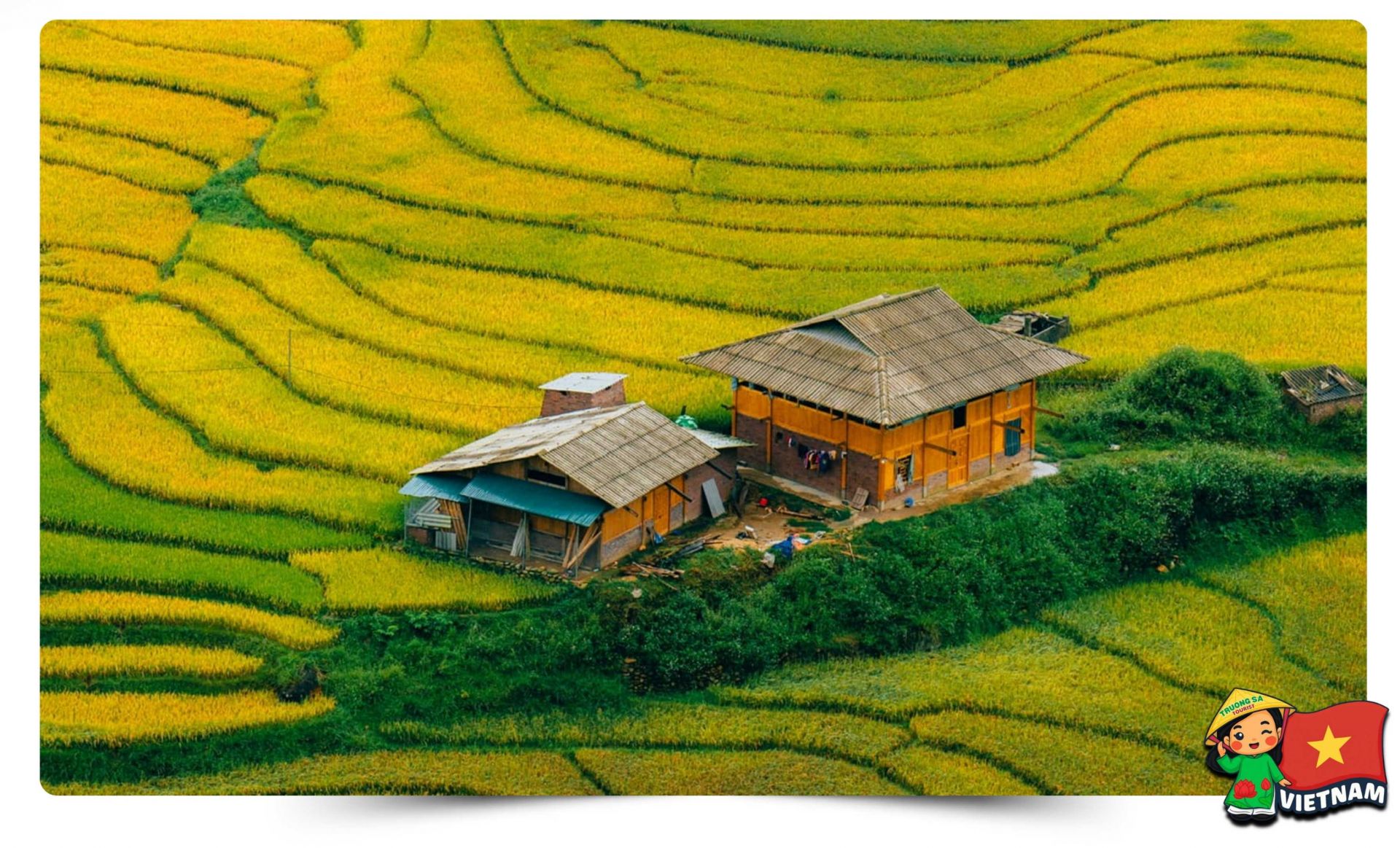 Once travelers become familiar with Vietnam’s rhythm, the journey continues to Ninh Binh, where peaceful countryside landscapes and river scenery help slow things down before flying to Central Vietnam.
Hoi An is placed after Sapa and Ninh Binh for a good reason. At this stage of the trip, most travelers naturally begin needing more rest. The slow riverside atmosphere of the ancient town creates a perfect balance before ending the adventure in vibrant Ho Chi Minh City.
12 Days in Vietnam: The Ultimate Travel Itinerary for 2026
Day 1 - Hanoi, Hoan Kiem Lake, and Your First Impression of Vietnam
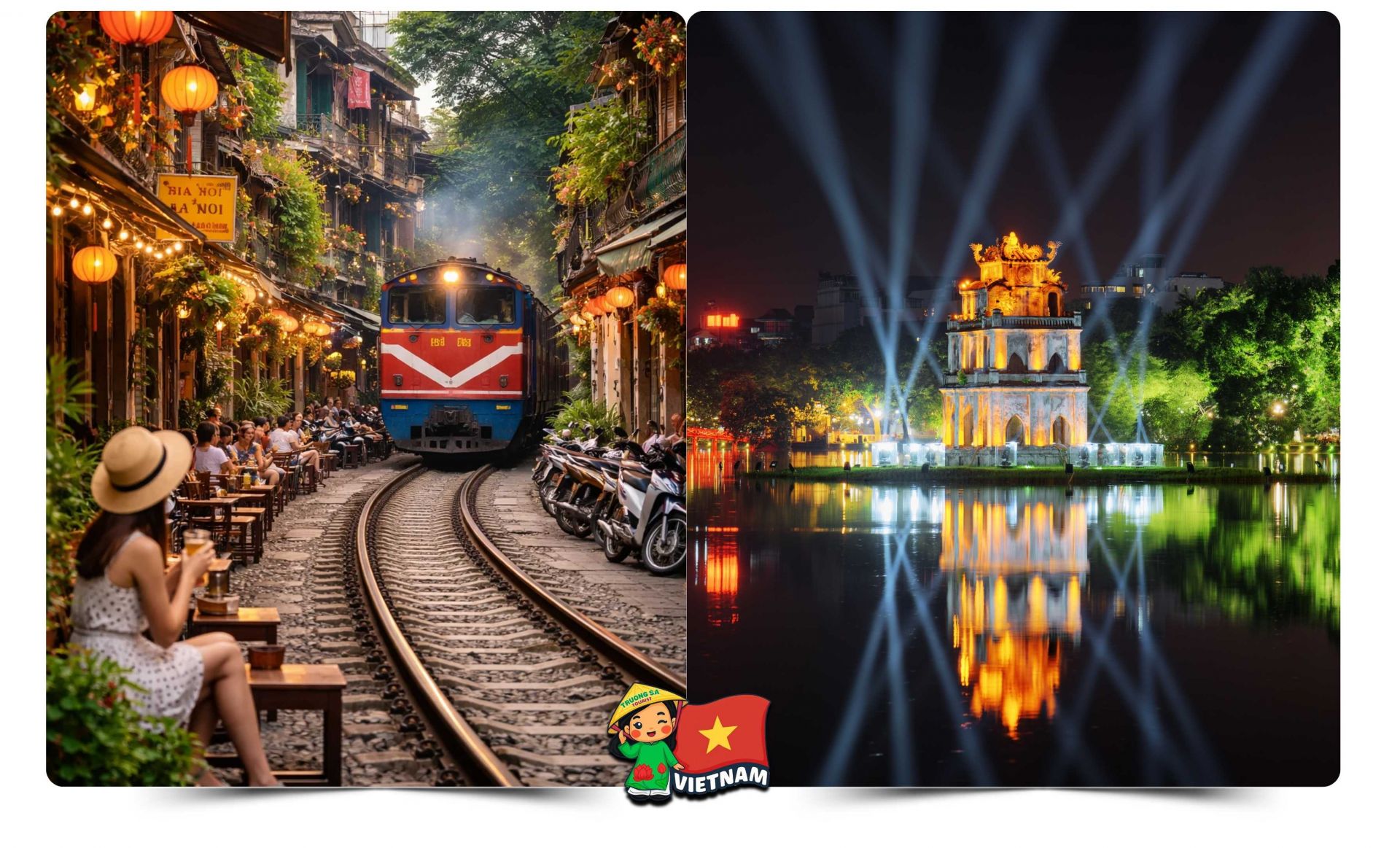 After a long flight, Hanoi usually creates two emotions at the same time for international travelers: overwhelm and curiosity.
The endless motorbike horns, chaotic traffic flow, tightly packed local eateries, and nonstop movement make the city feel completely different from places like Tokyo or Singapore.
The most important thing on the first day is not trying to do too much.
The area around Hoan Kiem Lake and Hanoi Old Quarter is the perfect place to begin a “Vietnam travel itinerary.” Simply walking slowly through the narrow streets is enough to feel the soul of the city.
Evening is the ideal time to begin exploring Vietnamese street food.
There is no need for luxury restaurants. A hot bowl of pho, charcoal-grilled bun cha, or crispy fried spring rolls from a tiny local eatery often become the meals travelers remember most after returning home.
One practical tip for first-time visitors is to choose restaurants filled with Vietnamese locals rather than relying entirely on TikTok-famous places. Many overly viral spots eventually become tourist traps with inflated prices and declining quality.
Day 2 - Quang Phu Cau Incense Village, Chuong Village, and the Cultural Depth of Hanoi
 Many popular itineraries focus only on Hanoi’s Old Quarter while ignoring the surrounding countryside. That is honestly a missed opportunity.
Quang Phu Cau Incense Village offers a completely different perspective of Vietnam. Thousands of bright red incense sticks drying under the sun create a surreal scene, especially in the early morning light.
But beyond photography, the most interesting part is seeing how traditional craft villages continue surviving in the middle of rapid modernization.
Later, Chuong Village introduces travelers to the traditional craft of Vietnamese conical hats. Unlike heavily commercialized attractions, the atmosphere here still feels authentic and connected to daily local life.
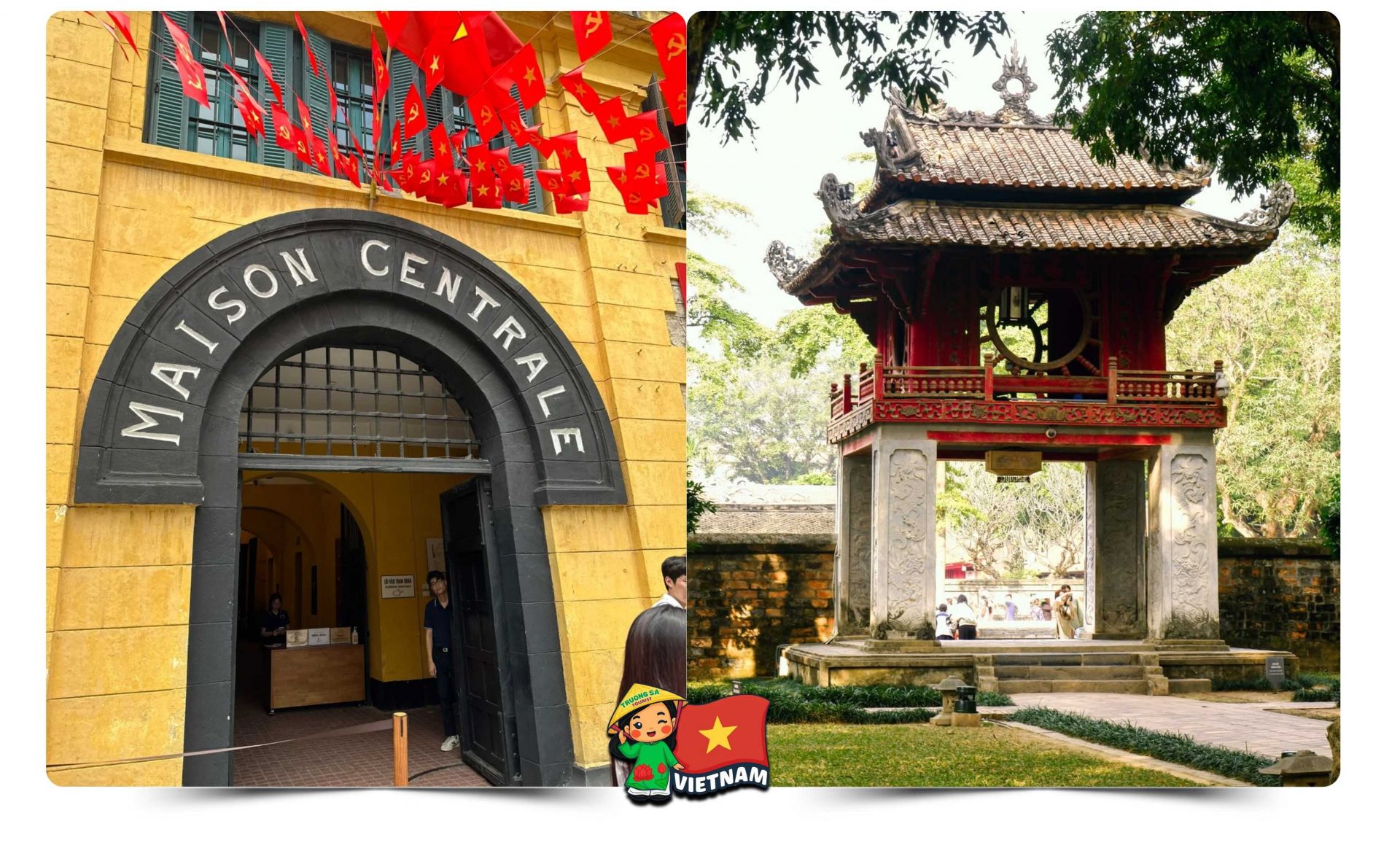 In the afternoon, travelers return to central Hanoi to visit the Temple of Literature and Hoa Lo Prison.
The Temple of Literature reflects Vietnam’s deep Confucian educational history, while Hoa Lo Prison presents a much darker and more emotional side of the country’s past.
Together, these sites add important historical depth to a “12-day Vietnam itinerary” making the journey about more than landscapes and food alone.
Days 3 to 5 - Sapa, Rice Terraces, and Hmong Ethnic Culture
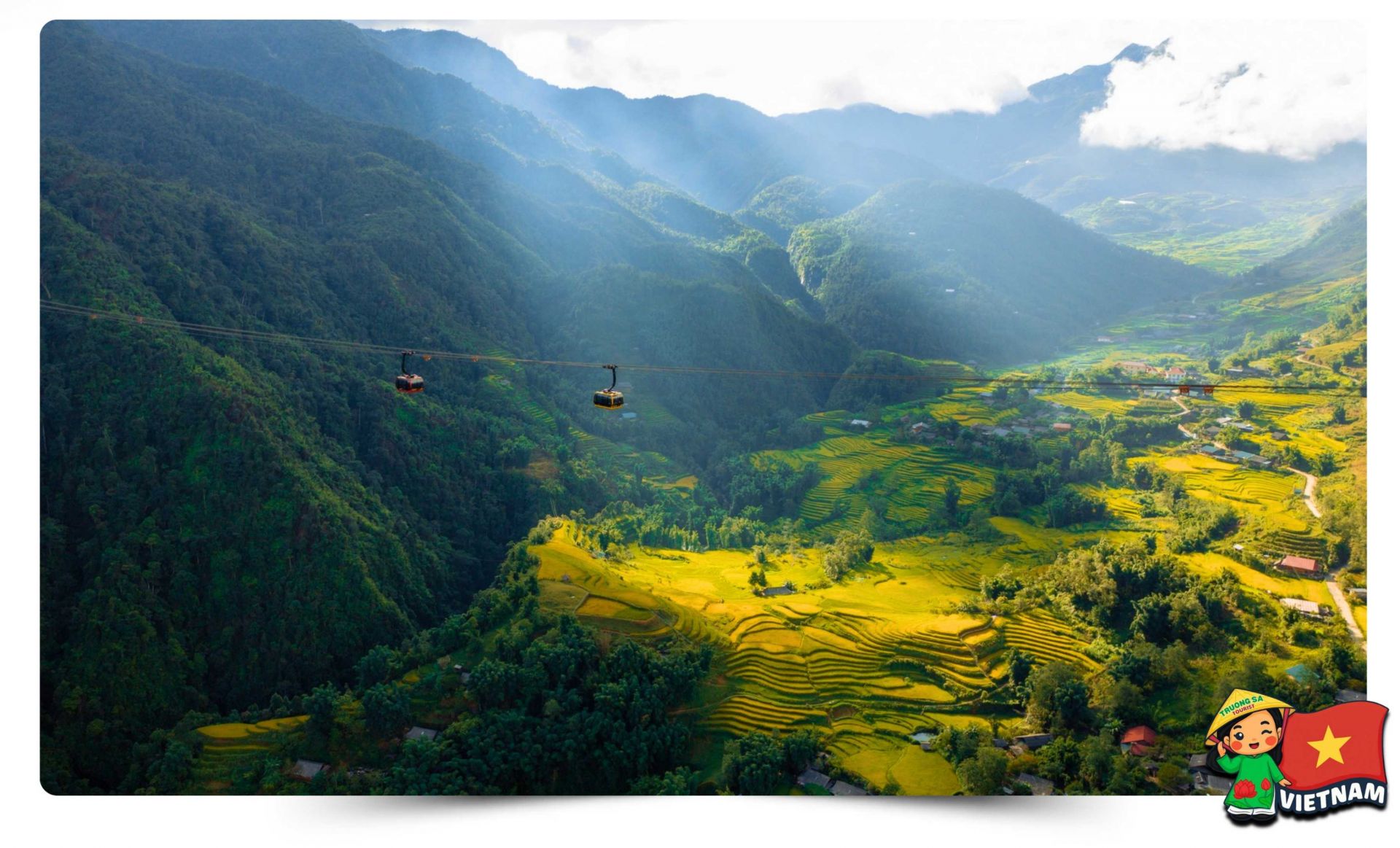 The Journey to Sapa and the Dramatic Change in Scenery
Traveling from Hanoi to Sapa takes around 5 to 6 hours by limousine bus or overnight train combined with a transfer vehicle.
→It is a long journey, but an incredibly rewarding one.
The higher you travel into the mountains, the more the scenery transforms:
- Cooler temperatures
- Denser mountain ranges
- Endless rice terraces stretching across valleys
Sapa has become more developed over recent years, but when explored properly, it still preserves much of its original beauty.
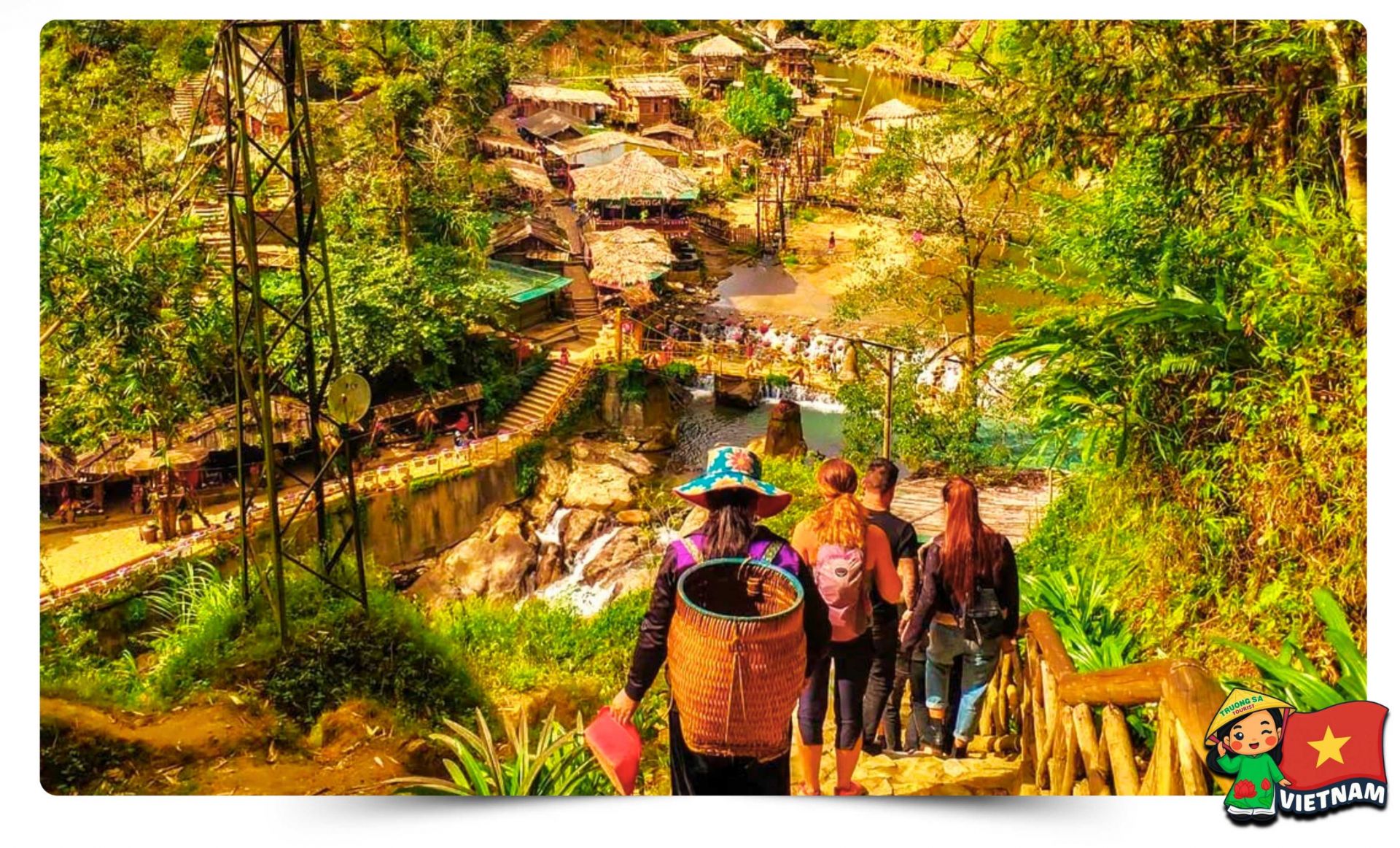
Cat Cat Village and the First Glimpse of Northern Ethnic Culture
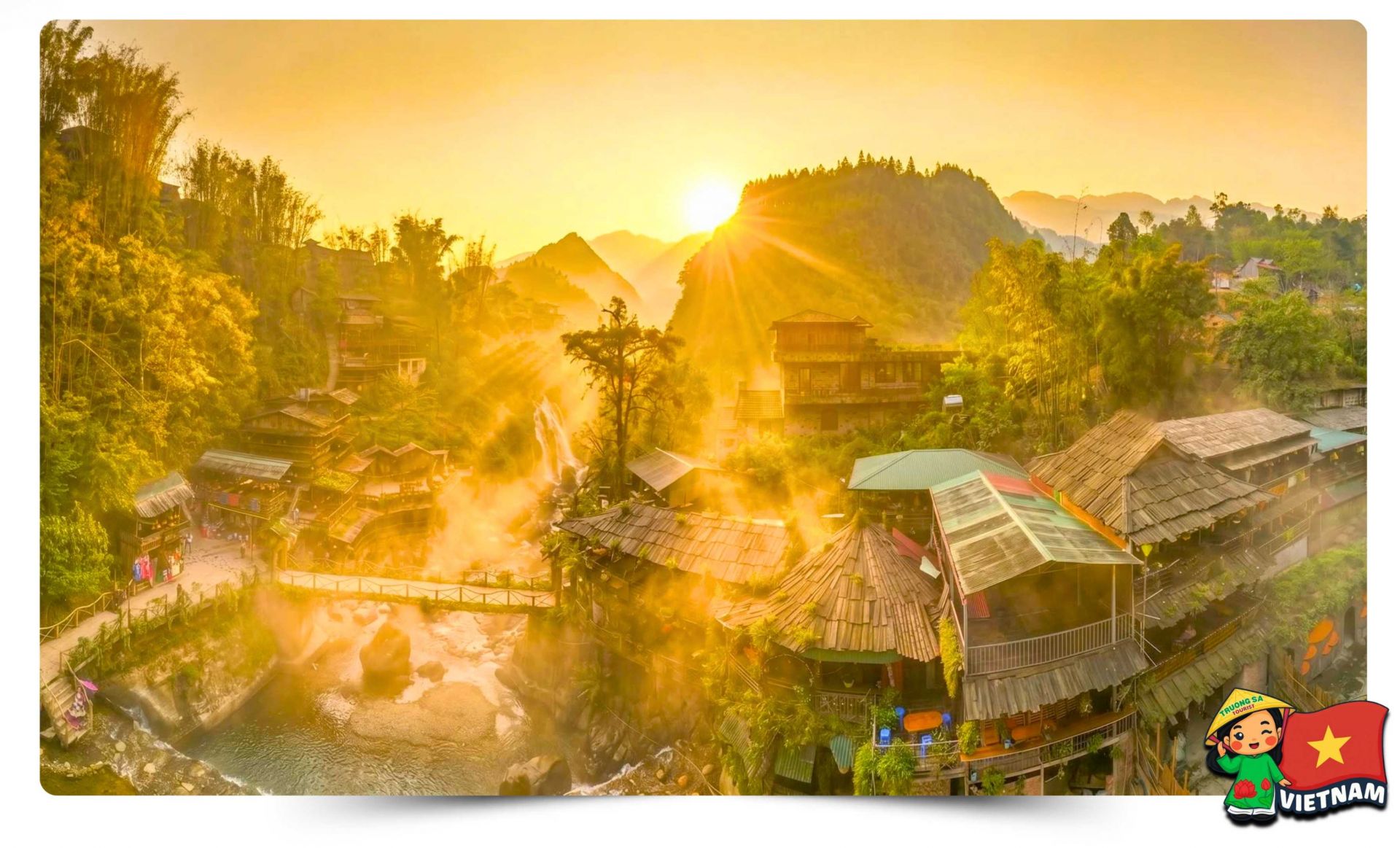 Cat Cat Village is sometimes underrated simply because it is popular. In reality, arriving before 8:30 AM allows visitors to experience a much quieter and more peaceful atmosphere.
The real value here is not the photo spots, but:
- Traditional wooden houses
- Everyday Hmong life
- Streams flowing through the valley
- The atmosphere of Northern Vietnam’s mountain culture
 Fansipan Cable Car and the Roof of Indochina
The Fansipan cable car is one of the most impressive mountain cable car systems in Asia. Even travelers who usually avoid mainstream attractions are often amazed by the scenery above.
On clear days, the sea of clouds and dramatic Northwestern mountains create a completely different side of Vietnam.
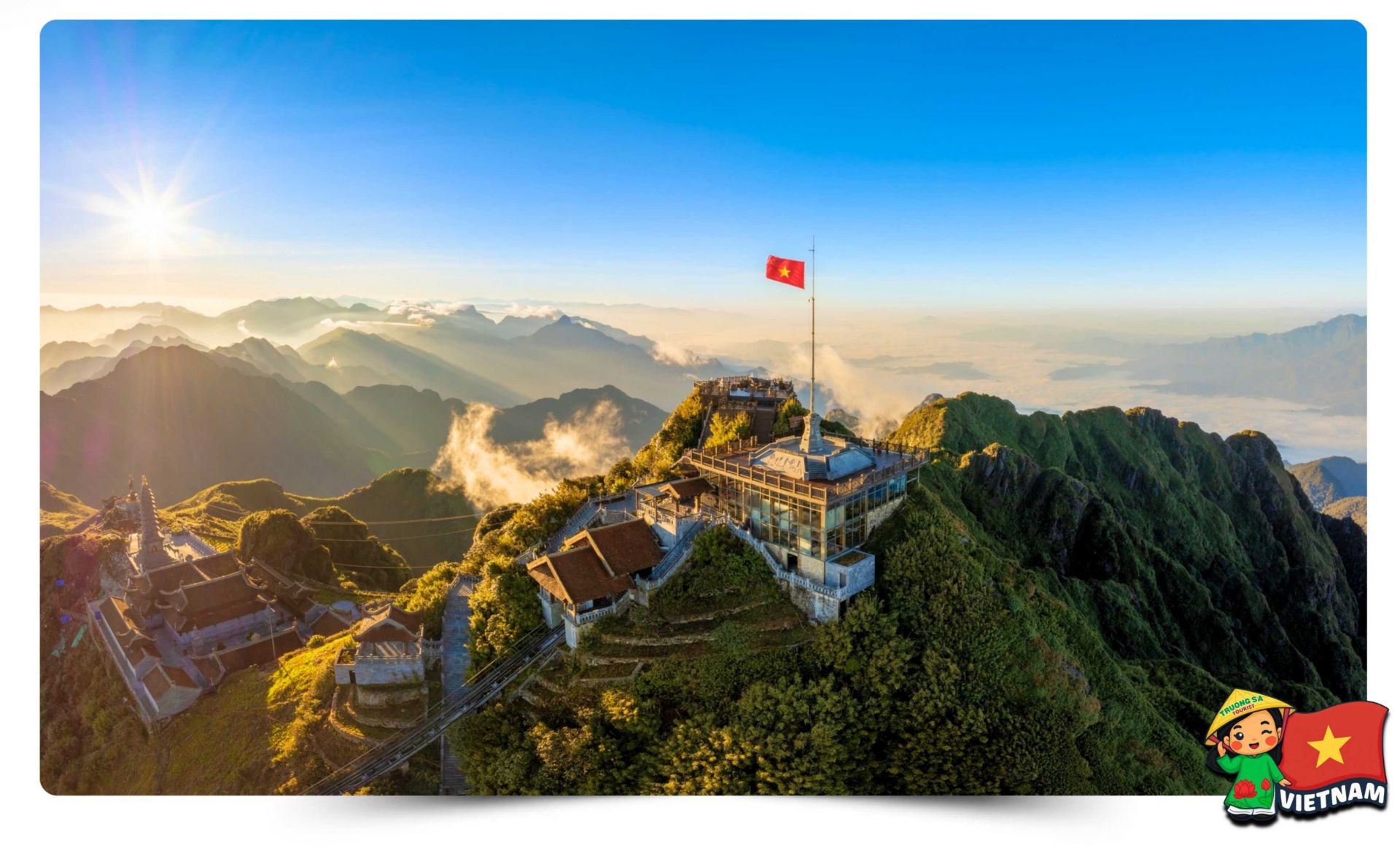 *An important tip is to check the weather at least one day in advance. Thick fog can reduce visibility almost entirely.
Lao Chai, Ta Van, and Sapa’s Most Beautiful Trekking Experience
→This is truly the highlight of Sapa.
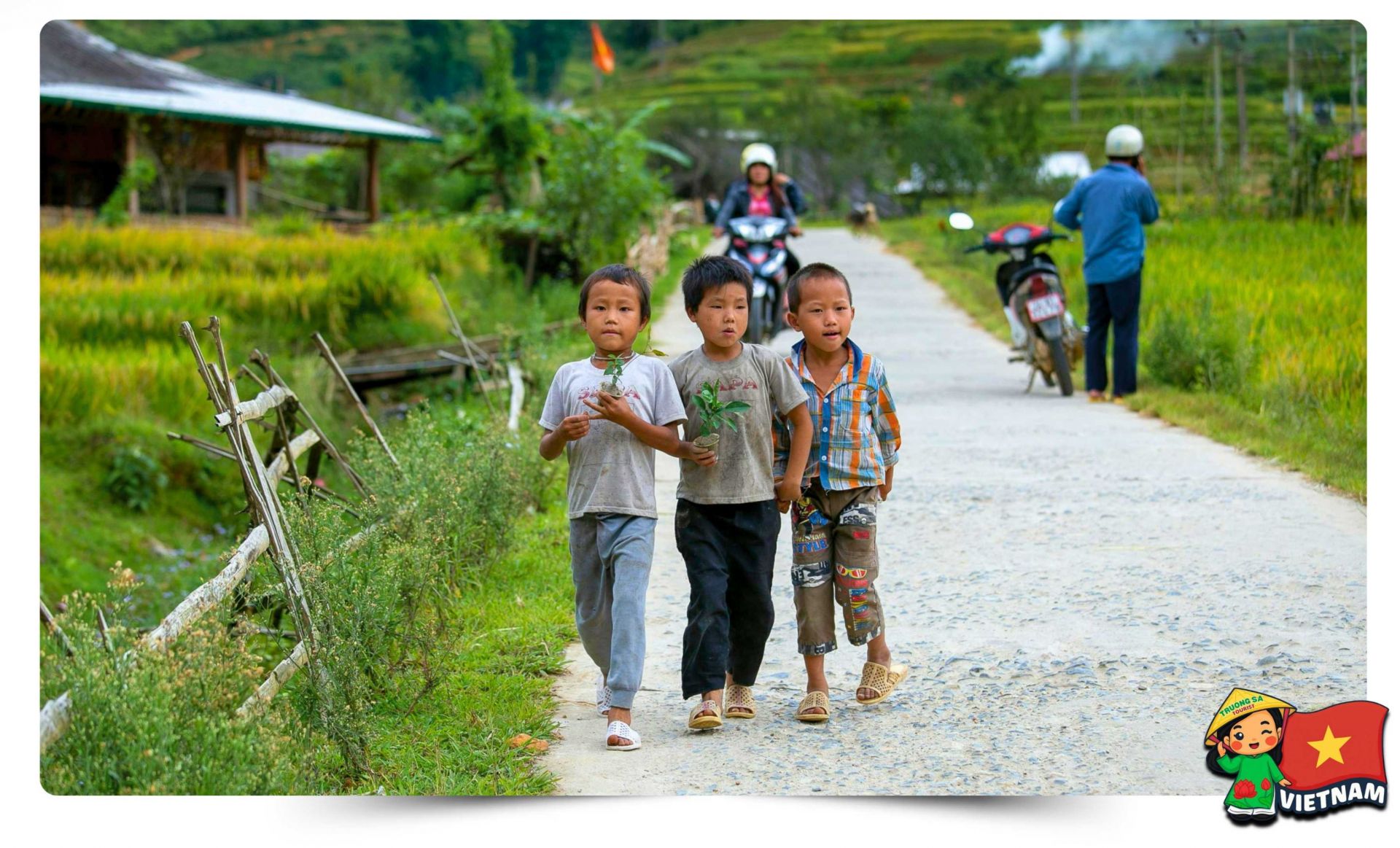
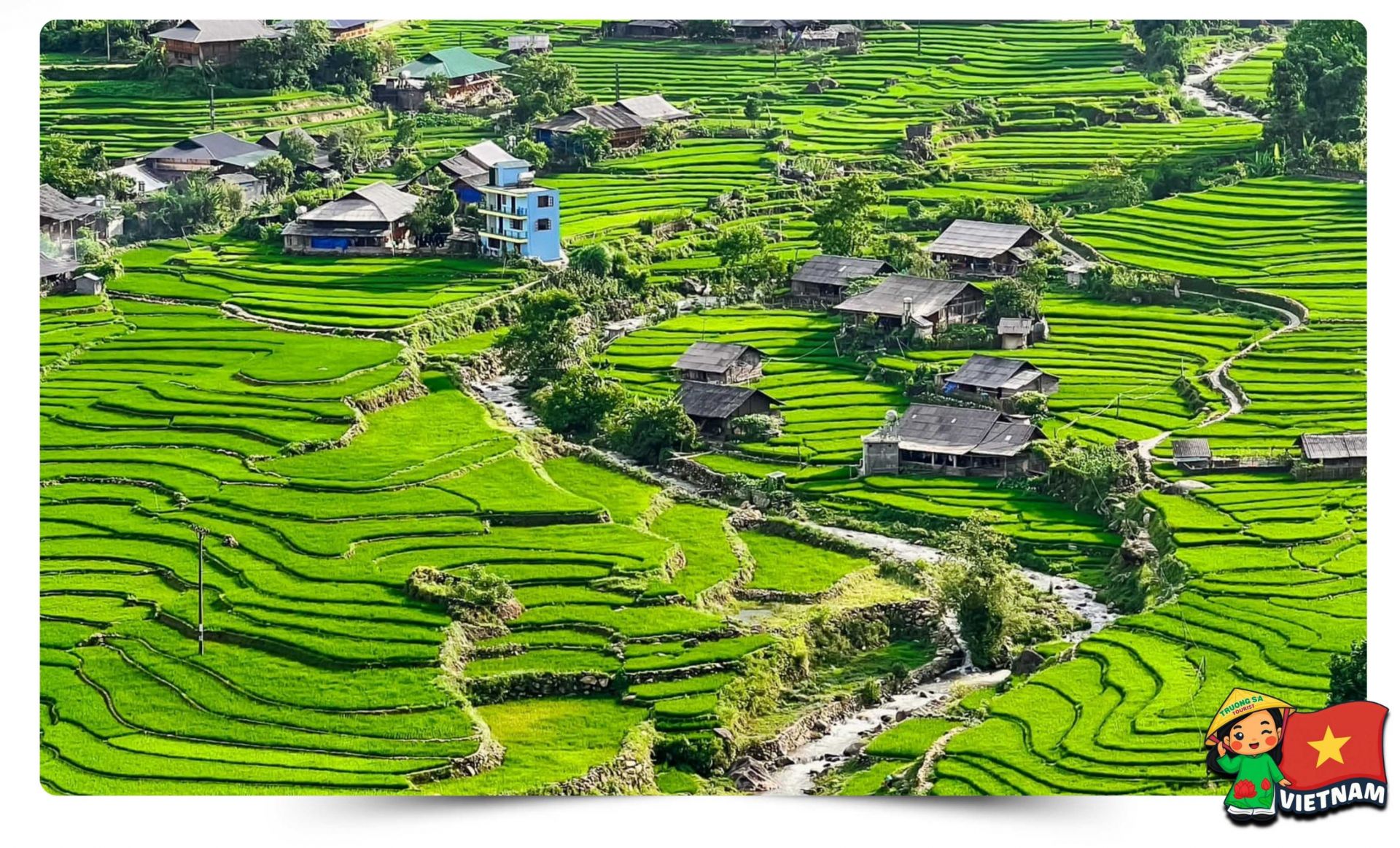 Trekking through Lao Chai and Ta Van allows travelers to witness:
- Rice terraces turning bright green or golden during harvest season
- Traditional local homes
- Children from mountain villages
- The daily lives of Hmong and Red Dao communities
The trek does not need to be difficult. Even a few hours of walking through the valleys can create a deeply memorable experience.
 Evenings in Sapa can become surprisingly cold. Travelers should always bring a light jacket, even during Vietnam’s warmer months.
Day 6 - Ninh Binh, Hoa Lu Ancient Capital, and the Peaceful Beauty of Northern Vietnam
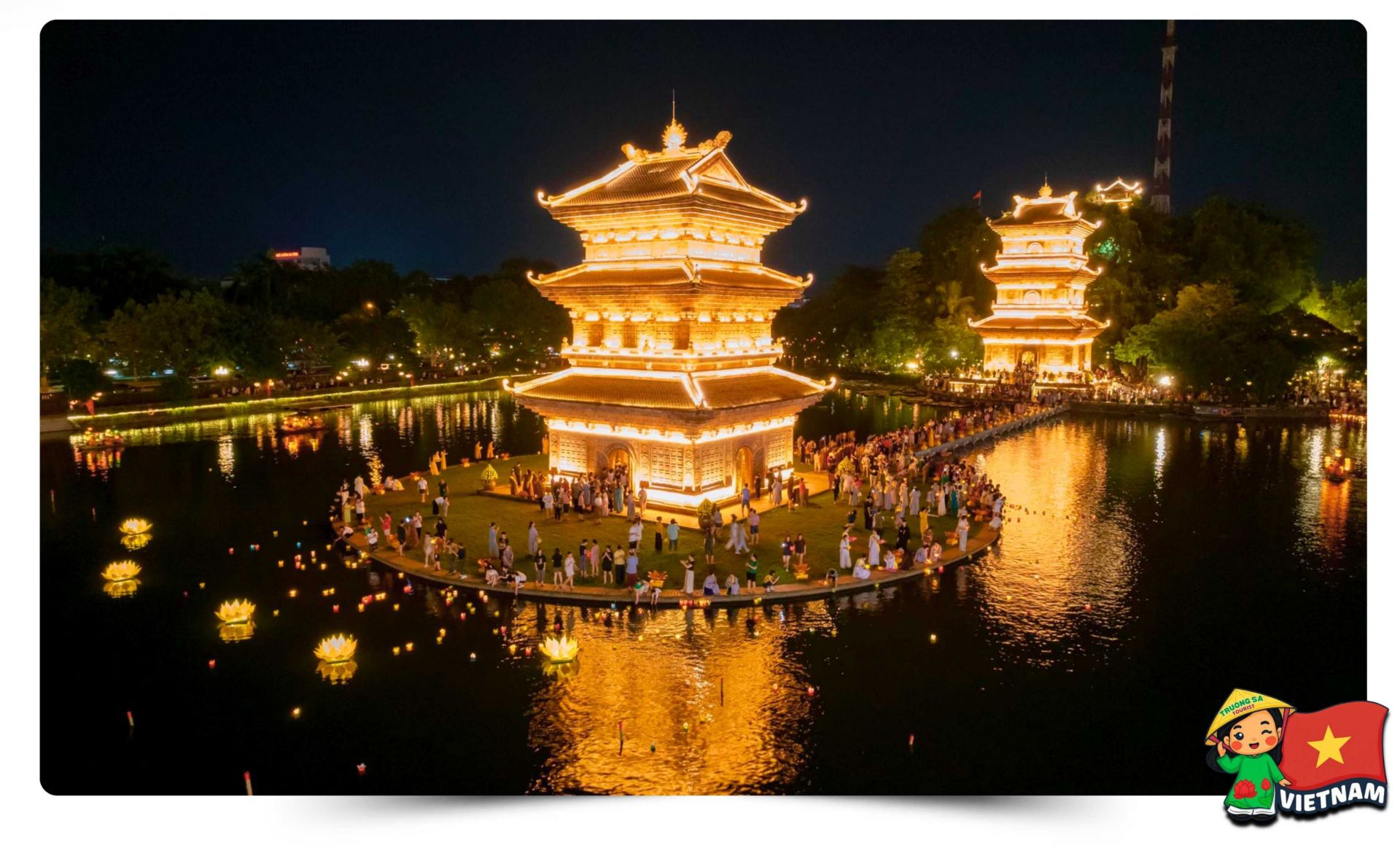 After Sapa, Ninh Binh feels like a gentle pause for both the body and the mind.
Unlike the dramatic mountains of the Northwest, Ninh Binh offers a softer landscape:
- Rivers and waterways
- Rice fields and lotus ponds
- Endless limestone mountains
- Quiet countryside villages
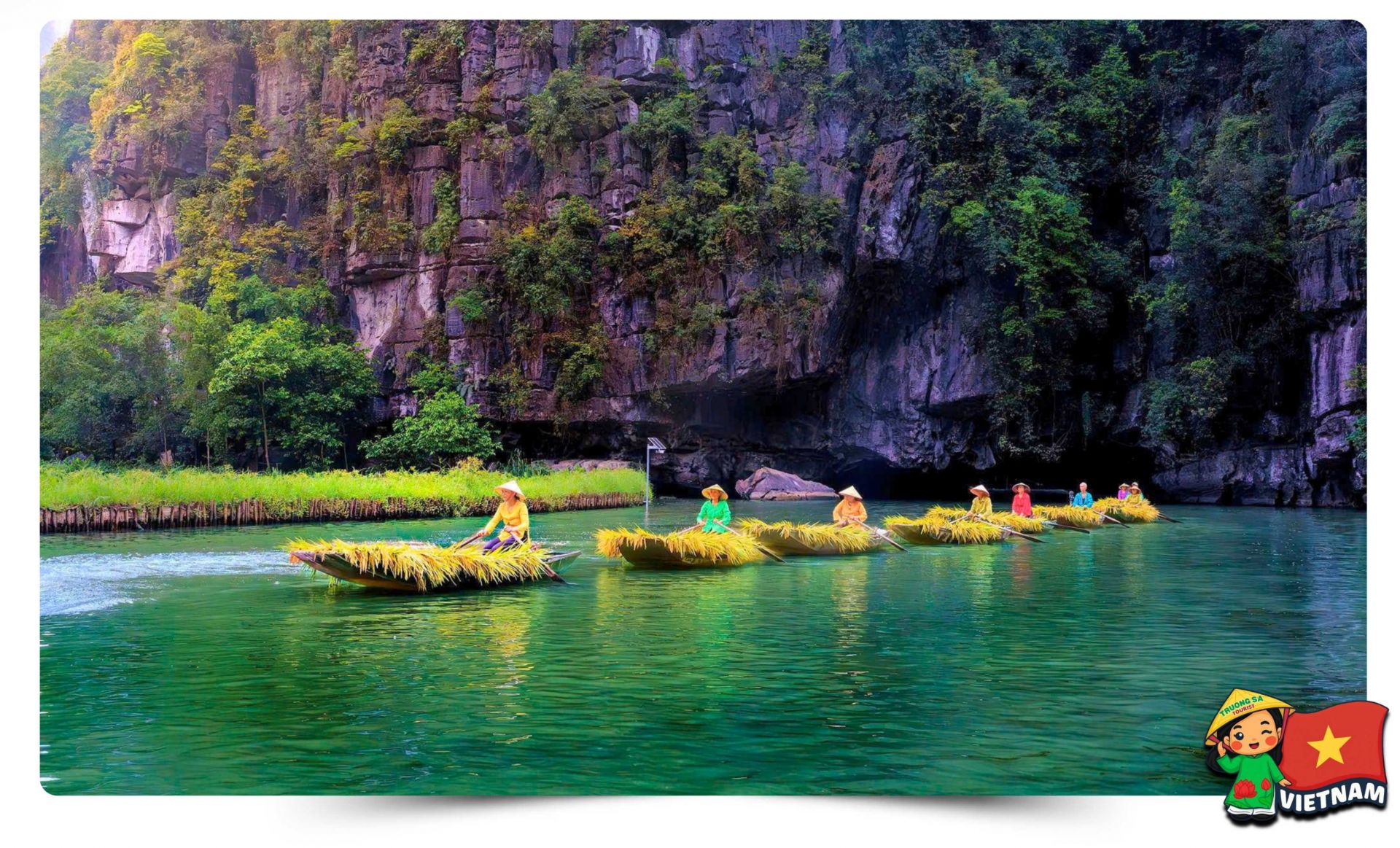 Hoa Lu Ancient Capital carries more historical significance than visual spectacle. It was once the first capital of feudal Vietnam.
Afterward, the Tam Coc boat trip becomes an essential part of almost every “12-day Vietnam itinerary.”
Floating slowly through caves and rice fields on a small rowing boat creates a peaceful atmosphere after several active trekking days.
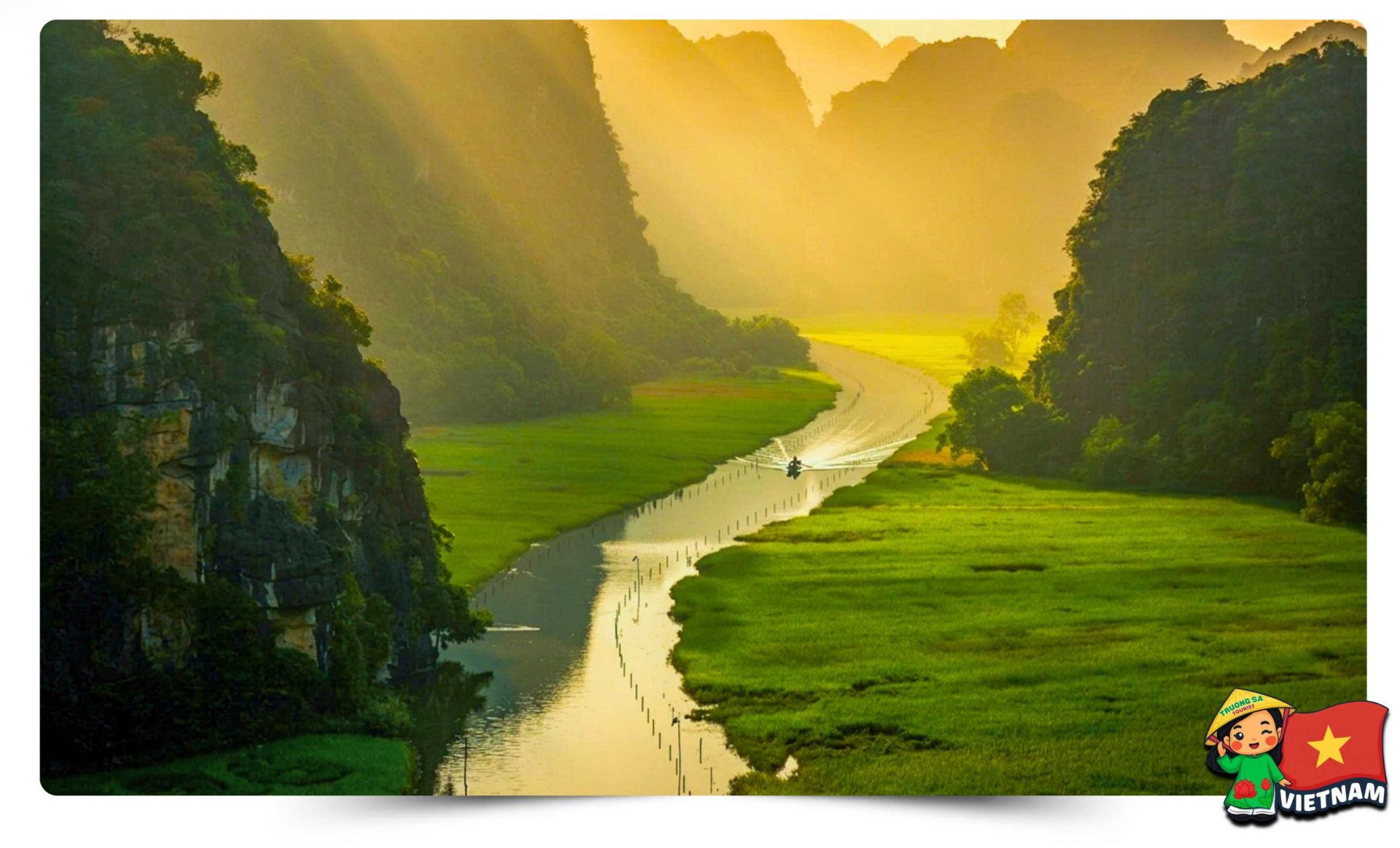 In the late afternoon, climbing Mua Cave around 4:30 PM helps avoid the harsh sunlight. From the summit, Tam Coc looks almost like a traditional Vietnamese ink painting.
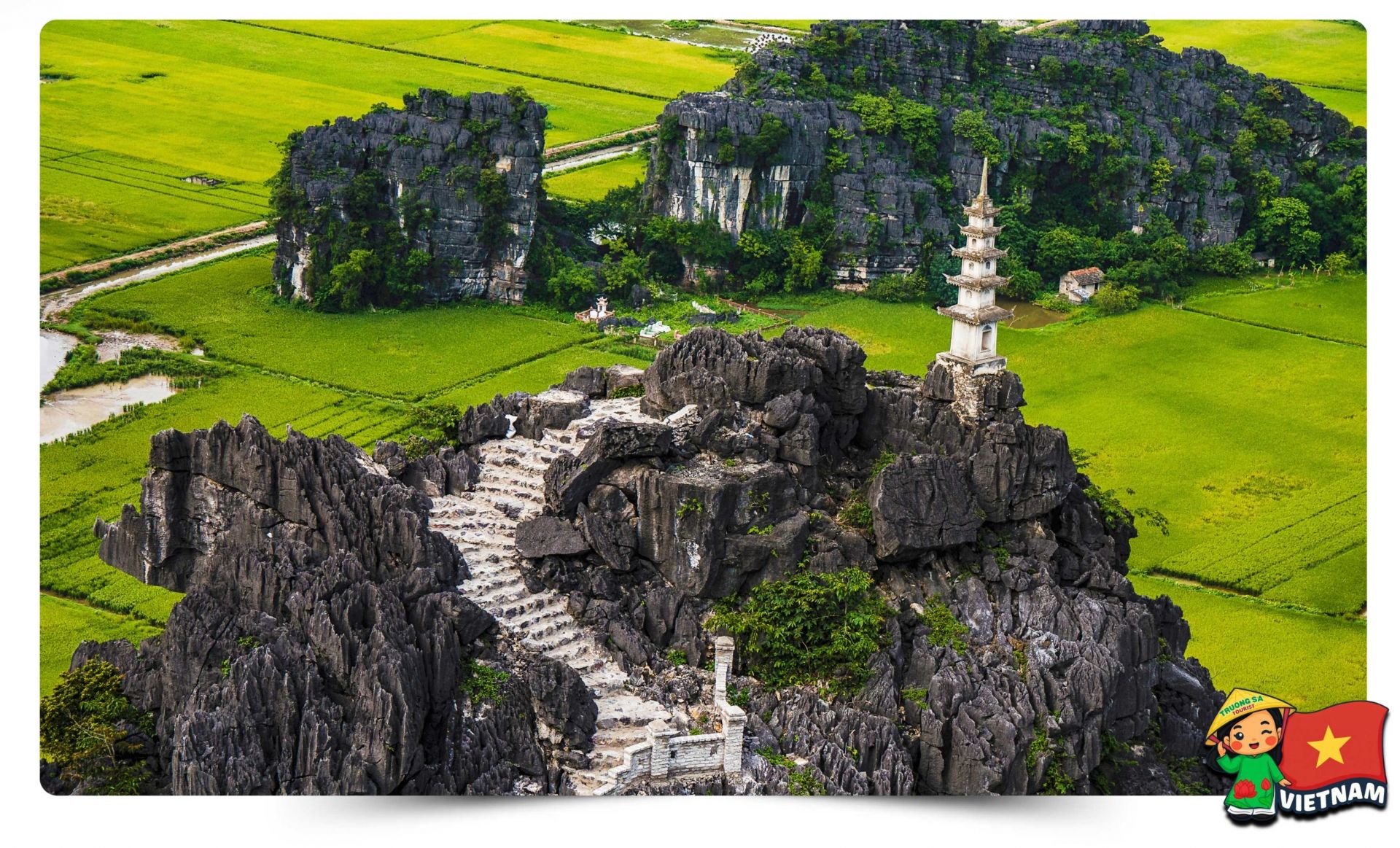 Riding slowly along small countryside roads near sunset often feels more authentic than joining crowded sightseeing tours.
Day 7 - Cuc Phuong National Park and Vietnam’s Untouched Nature
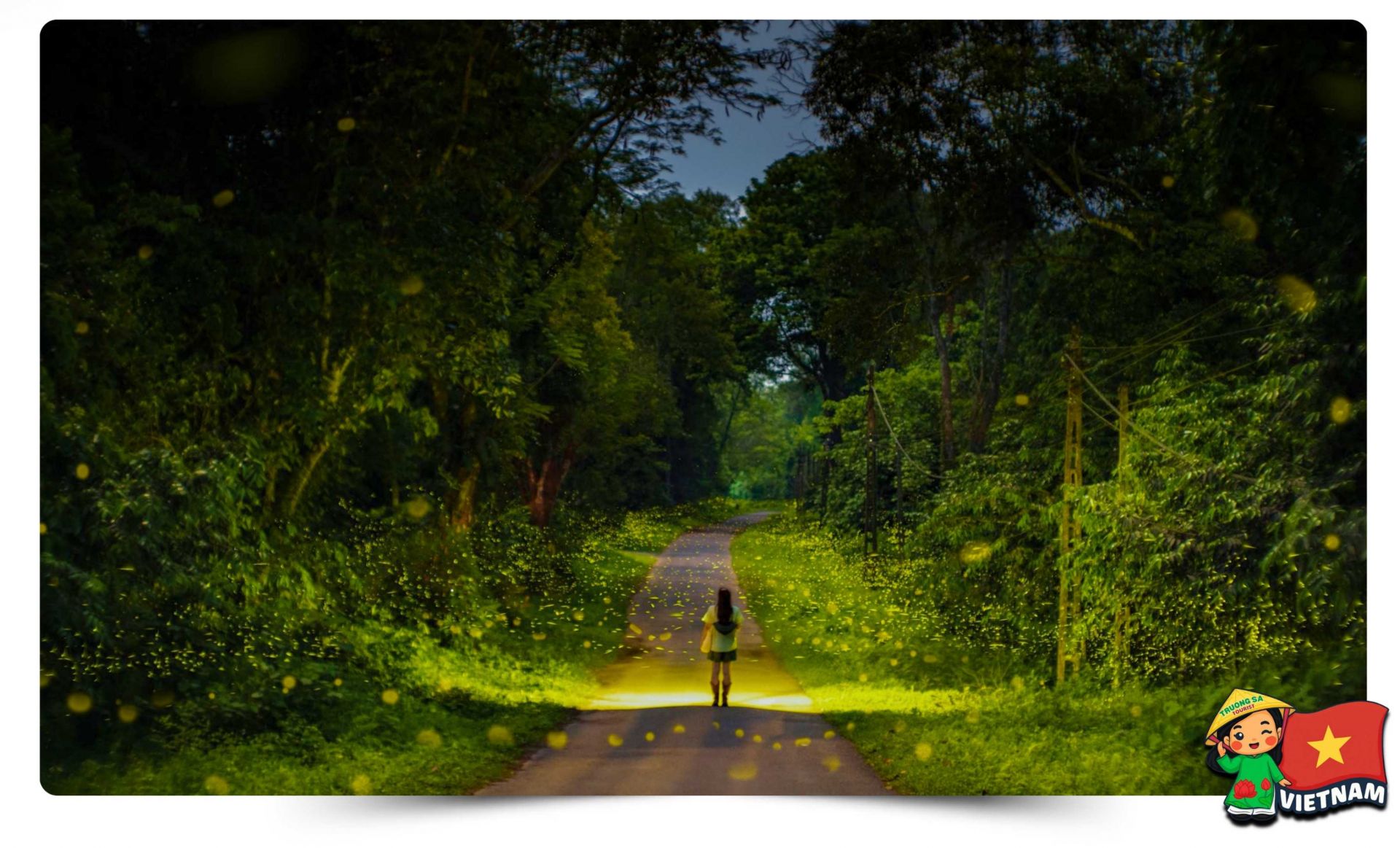 Many travelers skip Cuc Phuong National Park, and that often leaves their itinerary missing a truly wild natural experience.
Cuc Phuong is Vietnam’s oldest national park and home to an incredibly rich ecosystem.
The Endangered Primate Rescue Centre is especially worth visiting for travelers interested in wildlife conservation. This is not a tourist zoo, but a genuine rescue center protecting rare primates.
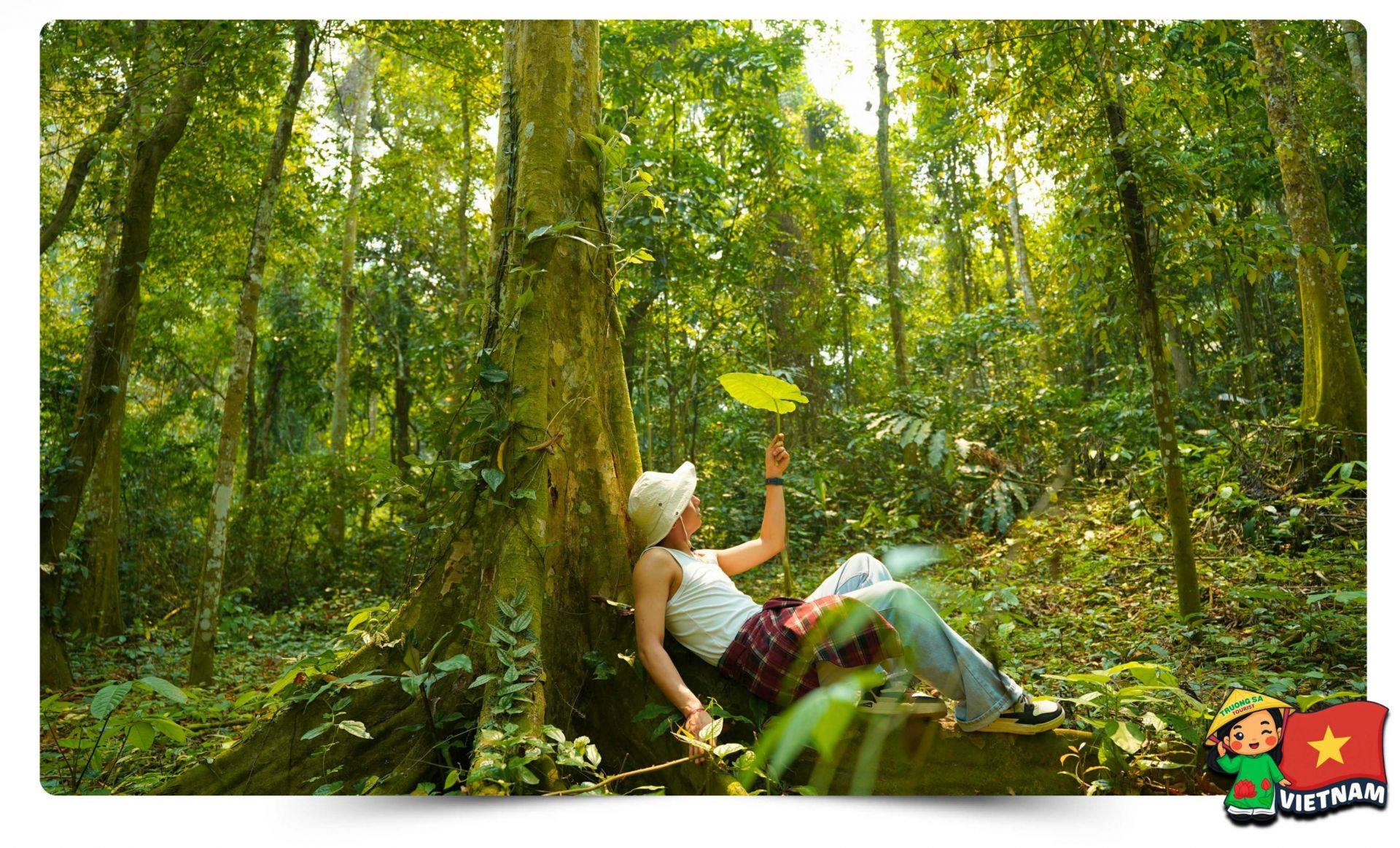 Later, the Cave of Early Man offers fascinating insight into ancient human history in Vietnam.
→Unlike heavily commercialized destinations, Cuc Phuong still feels raw, peaceful, and relatively untouched.
Day 8 - Flight from Hanoi to Da Nang and Hoi An Ancient Town at Night
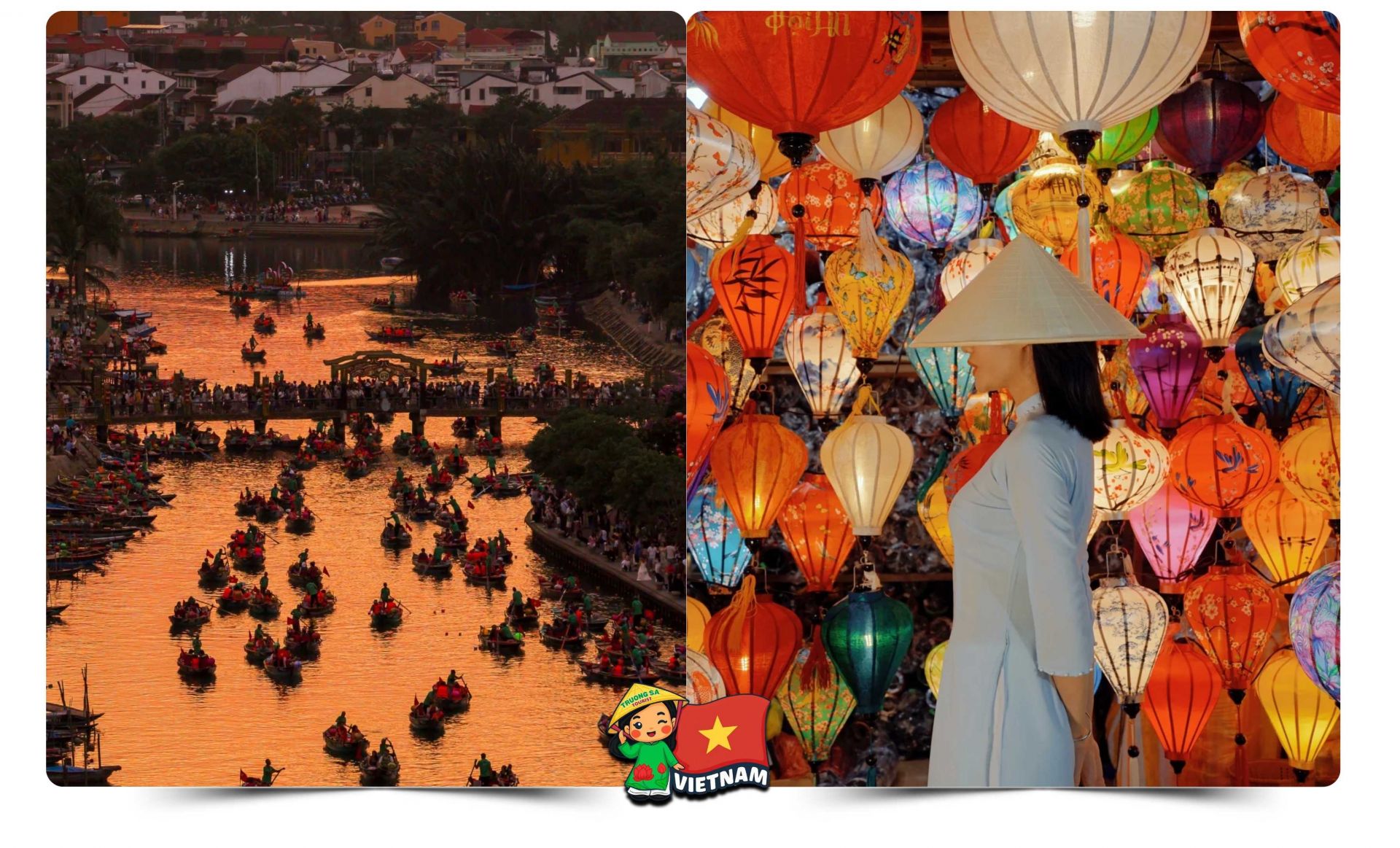 After nearly a week in Northern Vietnam, flying to Da Nang completely changes the atmosphere of the journey.
Central Vietnam feels sunnier, slower, and more resort-oriented. The drive from Da Nang Airport to Hoi An takes only around 45 minutes.
At night, Hoi An Ancient Town becomes one of the most iconic moments of any “Vietnam itinerary 2026.”
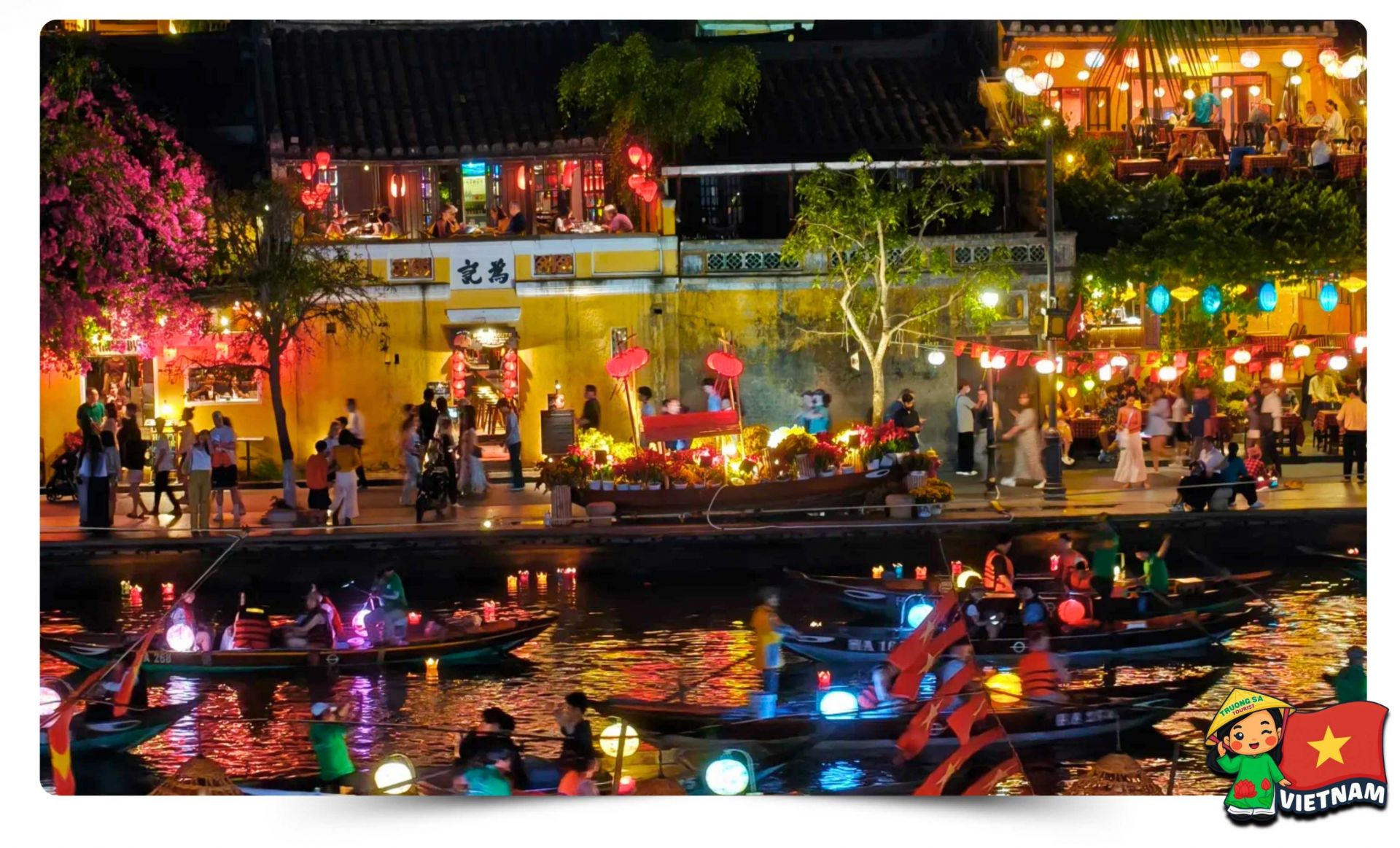 The Japanese Covered Bridge, colorful lanterns, and reflections dancing across the Thu Bon River create an unforgettable atmosphere.
However, avoiding tourist traps is important:
- Avoid restaurants directly in the busiest tourist areas
- Walk deeper into smaller alleys
- Avoid rushing purchases at the night market
→Hoi An is best experienced slowly.
Day 9 - Tra Que Vegetable Village, Local Farming Life, and Flight to Ho Chi Minh City
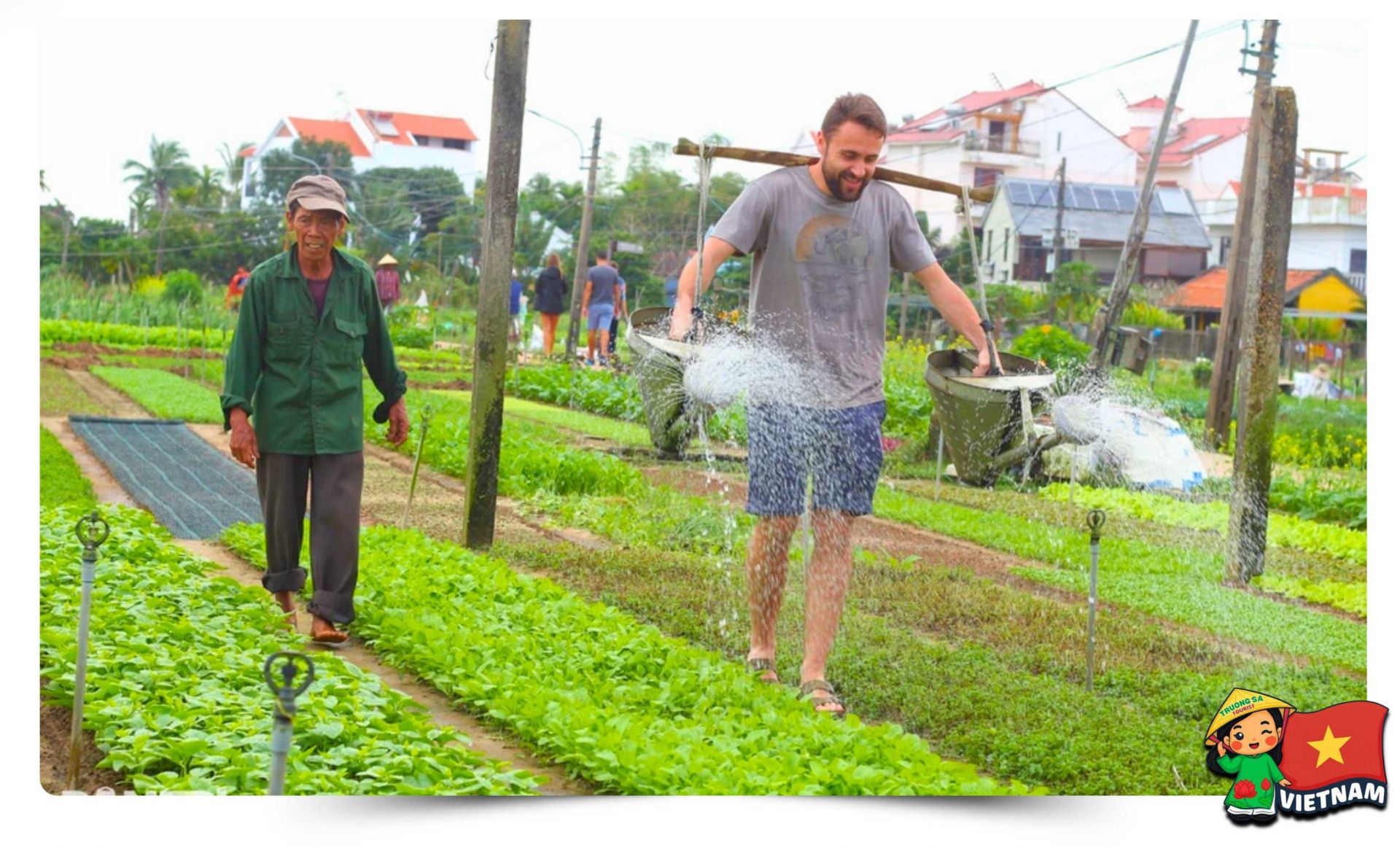 Morning in Tra Que Vegetable Village feels completely different from the ancient town.
Travelers can:
- Experience authentic farming activities
- Learn gardening techniques from locals
- Join cooking classes with professional chefs
- Better understand agricultural life in Central Vietnam
This local experience is highly loved by international travelers because it still feels genuine rather than overly commercialized.
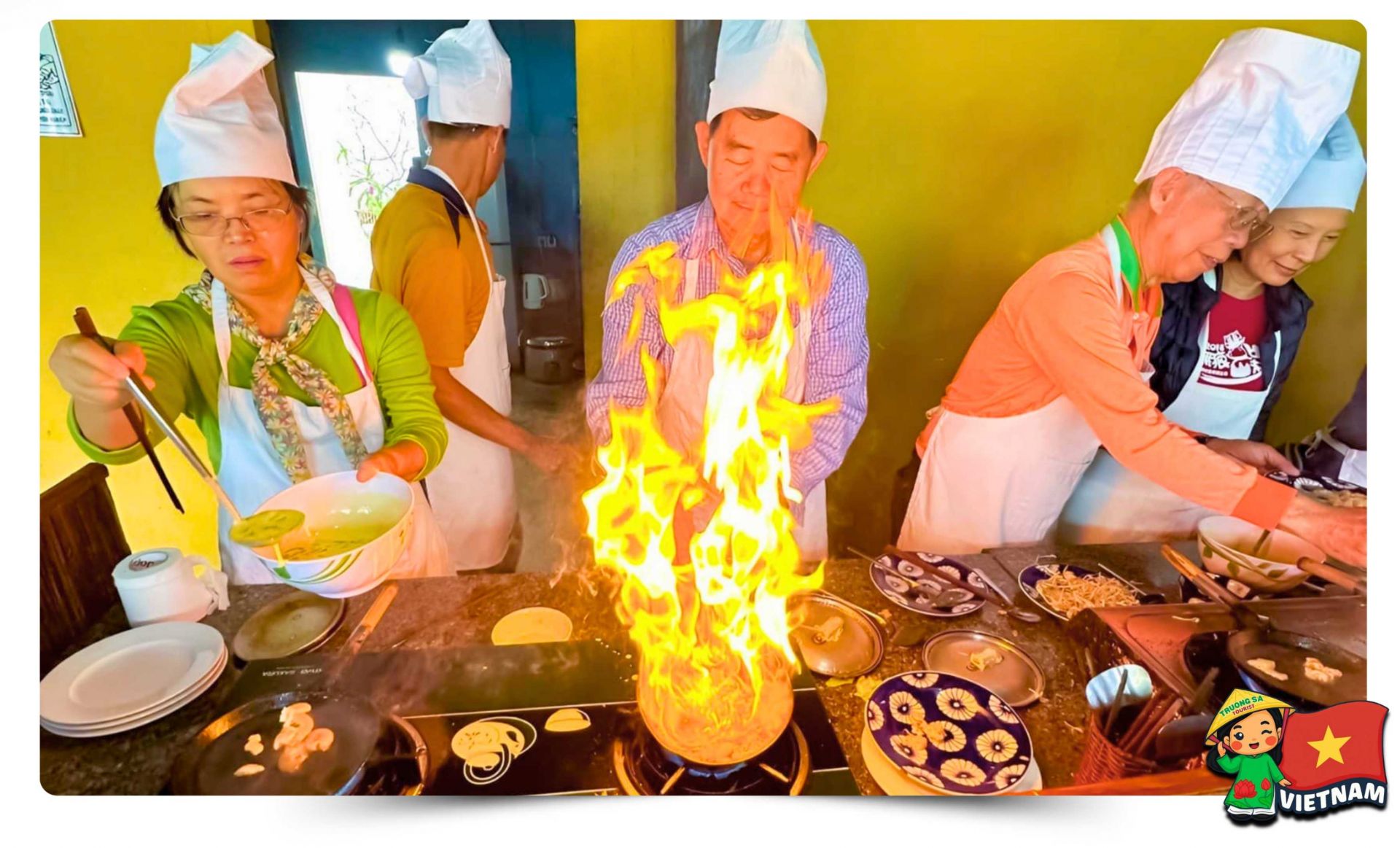 Hoi An’s food scene is also a major highlight:
- Cao Lau noodles
- Mi Quang
- Vietnamese pancakes
- Hoi An chicken rice
In the afternoon, travelers fly to Ho Chi Minh City to continue the final part of their “north to south Vietnam itinerary.”
Day 10 - Ho Chi Minh City, War History, and Cu Chi Tunnels
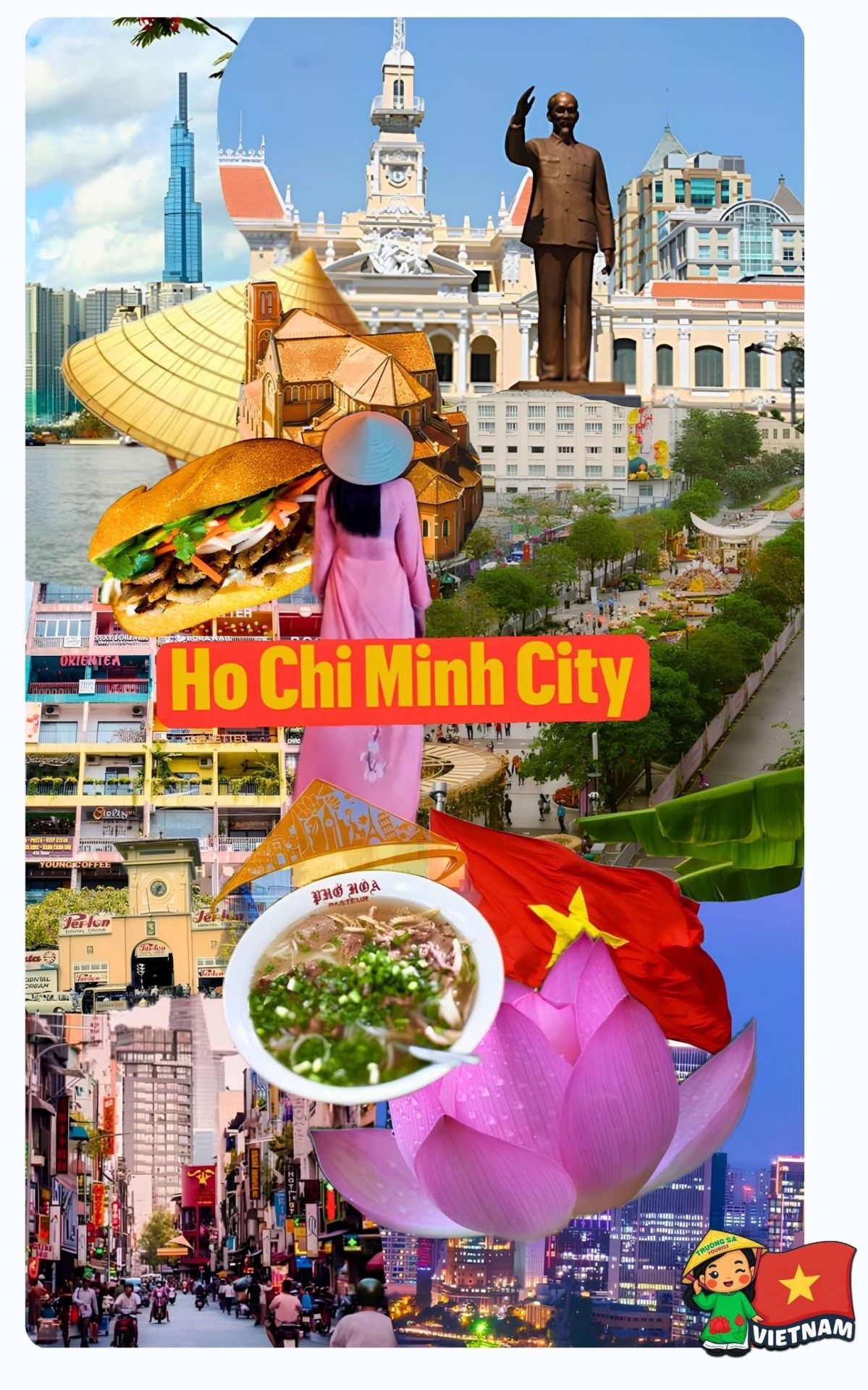
Ho Chi Minh City feels completely different from Hanoi with its faster and more modern energy.
Landmarks such as:
- Notre Dame Cathedral Saigon
- Central Post Office
- Independence Palace
→allow travelers to see the influence of French colonial architecture and modern Vietnamese history.
The War Remnants Museum often leaves a strong emotional impression on international visitors because of its direct and powerful storytelling.
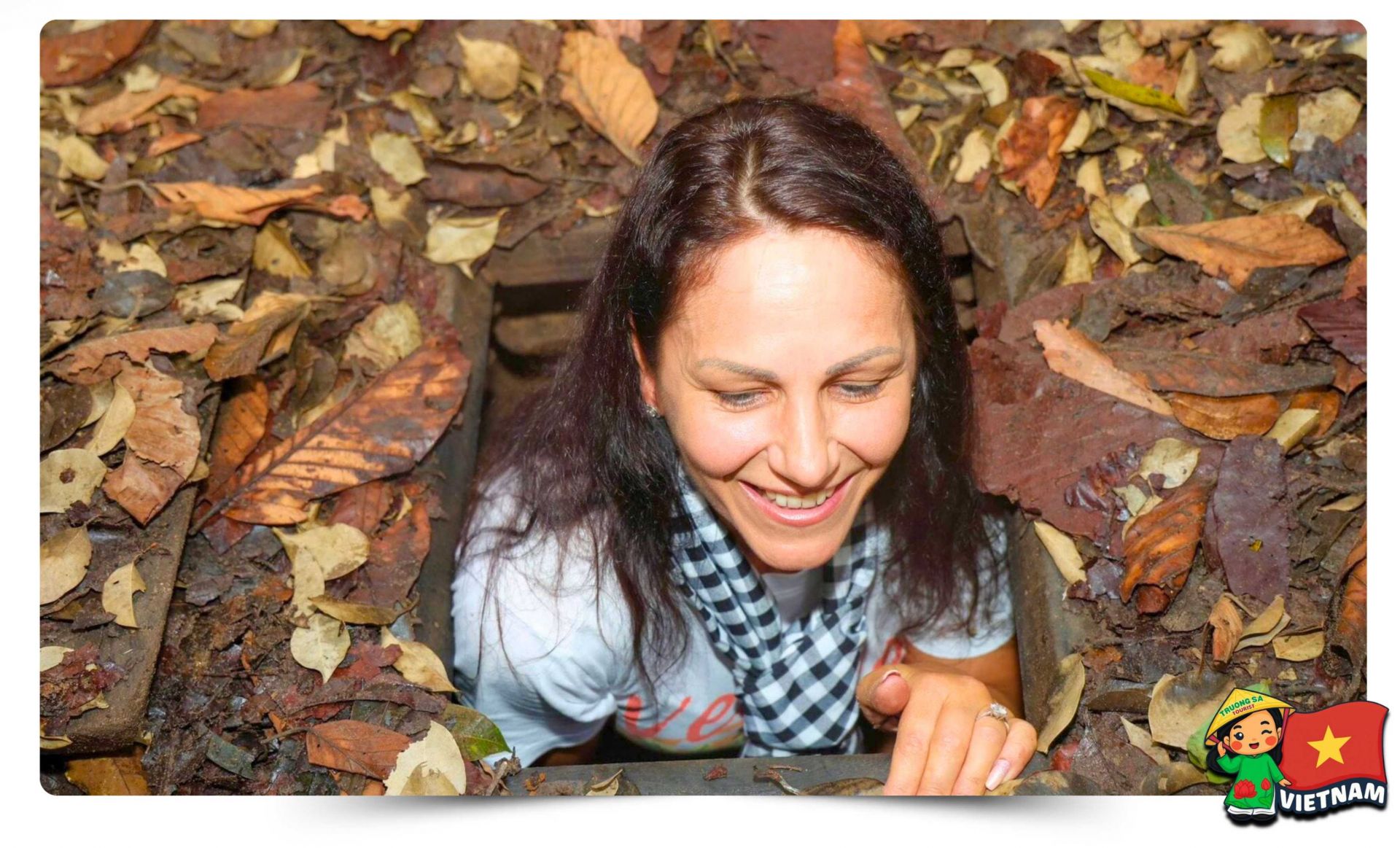 In the afternoon, the Cu Chi Tunnels provide a far more immersive understanding of wartime history than reading museum displays alone.
*One important tip is to visit early in the morning to avoid both the heat and large crowds.
Day 11 - Mekong Delta and the River Life of Southern Vietnam
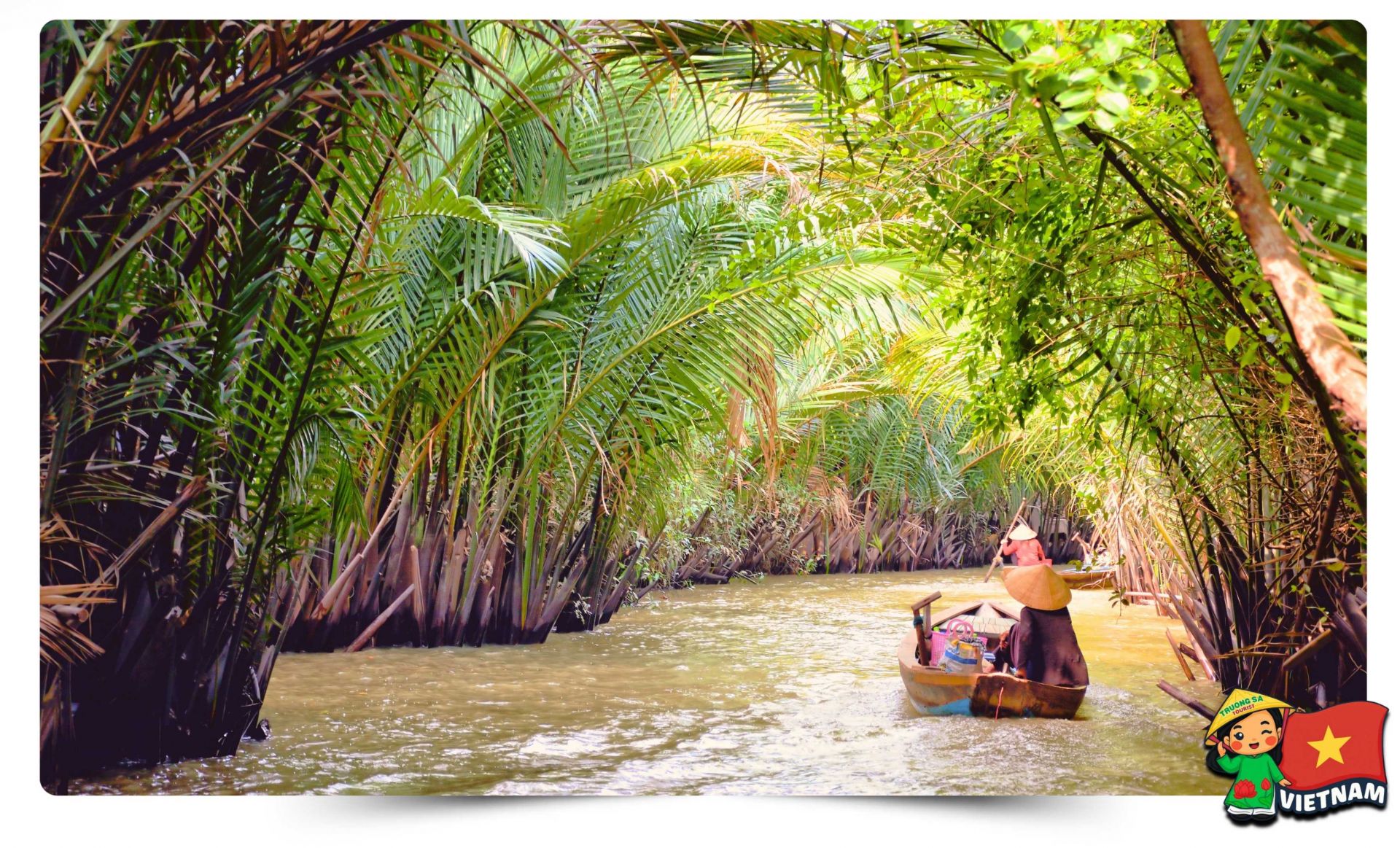 The Mekong Delta creates a perfect ending for a “Vietnam travel itinerary.”
After crowded cities and long travel days, the Mekong region feels significantly slower and more peaceful.
The most rewarding experiences here often include:
- Sampan rides through narrow canals
- Visiting local orchards
- Coconut candy workshops
- Traditional folk music performances
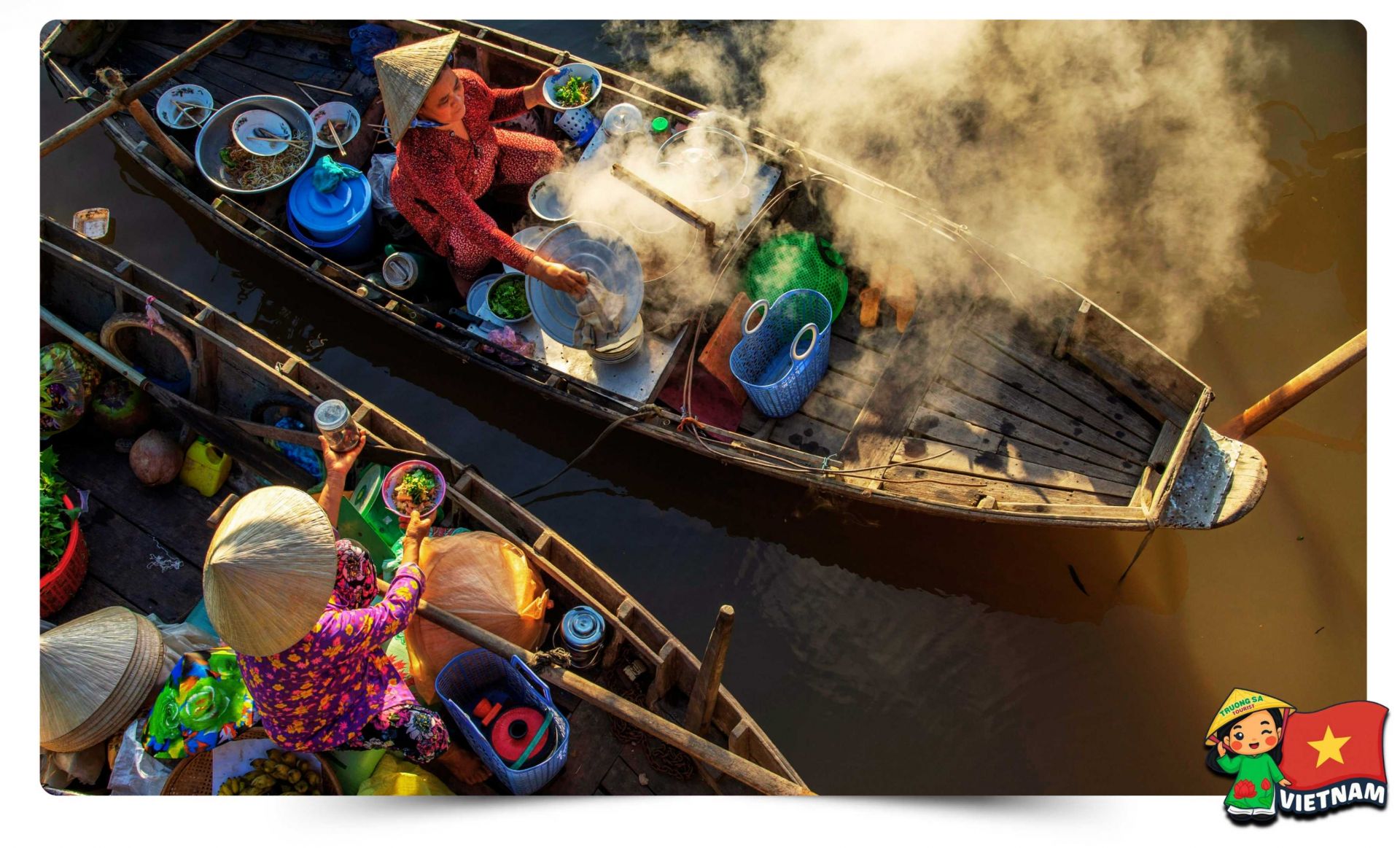 Day 12 - Ho Chi Minh City and the End of the Journey
The final day should remain relaxed.
Many travelers choose:
- Café hopping
- Shopping
- Spa treatments
- Rooftop bars
- Or simply walking through the city one last time
→This is usually when travelers realize Vietnam is far larger, deeper, and more diverse than they imagined before arriving.
 Realistic Budget for a 12-Day Vietnam Itinerary in 2026
The cost of a “12-day Vietnam itinerary” varies depending on travel style. For international travelers, the most common budget ranges are:
- Budget travel: around 90 - 120 USD per day
- Mid-range travel: around 140 - 160 USD per day
- Luxury travel: from 250 USD per day and above
These budgets generally apply to independent travel and typically include accommodation, meals, domestic transportation, and basic sightseeing activities. However, actual costs can increase depending on personal preferences and additional experiences.
Most international travelers now choose package tours instead of fully independent travel to avoid unnecessary stress, unexpected expenses, and logistical challenges. Professional local travel companies like Truong Sa Tourist Vietnam DMC can organize accommodations, transportation, and experiences much more smoothly based on real local expertise.
 Why Are Package Tours Becoming the Smart Choice for a 12-Day Vietnam Itinerary?
For many first-time visitors to Vietnam, building a complete “12-day Vietnam itinerary” independently sounds exciting during the planning stage. However, once travelers begin booking hotels, domestic flights, transportation, local tours, and transfers separately, many realize the final cost becomes much higher than expected.
A 12-day journey across Vietnam involves far more than hotels and flights. Travelers must also account for entrance fees, overnight cruises, local experiences, airport transfers, and numerous smaller expenses. During Vietnam’s peak travel seasons, prices in destinations like Sapa, Hoi An, and Ha Long Bay can rise very quickly if booked last minute.
That is why package tours are becoming increasingly popular among international travelers who want to optimize their budget while still maintaining high-quality experiences.
A well-organized “Vietnam travel itinerary” often includes most essential services at a more stable price than booking everything independently. Beyond cost savings, the greatest advantage is travel pacing. Vietnam involves long travel distances, changing weather conditions between regions, and transportation systems that can still feel confusing for first-time visitors.
With a professionally arranged itinerary, travelers spend far less time handling logistics or worrying about connections between destinations. This becomes especially valuable for routes covering Hanoi, Sapa, Ninh Binh, Hoi An, and the Mekong Delta.
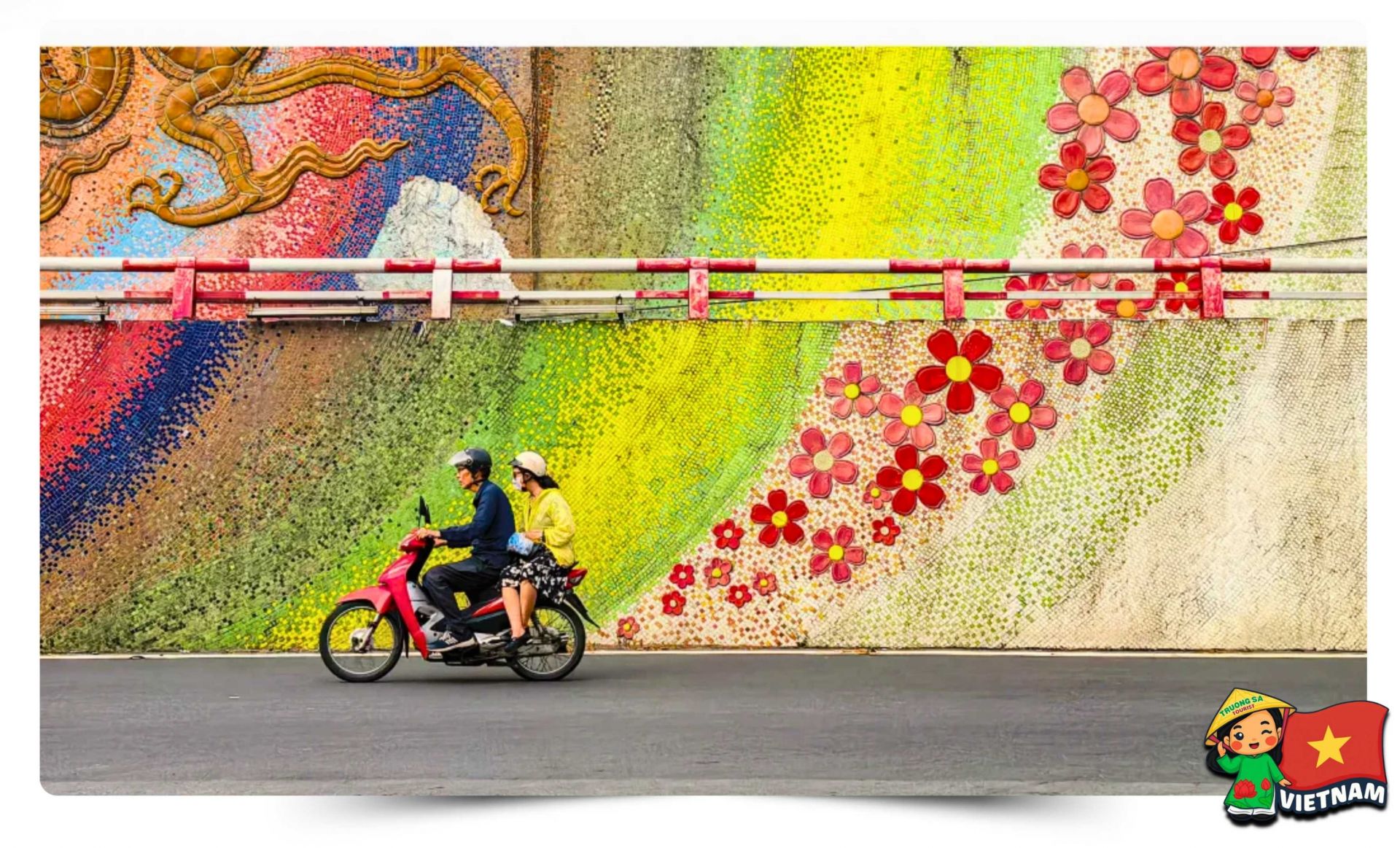 Of course, not all package tours are equal. Extremely cheap programs often come with rushed schedules, limited rest time, and shopping stops disguised as experiences. A quality “Vietnam itinerary 2026” should prioritize balanced pacing, centrally located accommodations, authentic local experiences, and smaller group sizes to keep the journey comfortable and immersive.
Travel trends are also changing significantly. Instead of choosing large traditional tour groups, many international travelers are now willing to invest slightly more for deeper cultural experiences and more meaningful local connections. When choosing the right operator, a package tour can not only reduce overall travel costs but also make exploring Vietnam far smoother and more memorable.
You can discover one of the best 12-day Vietnam itineraries at Truong Sa Tourist Vietnam DMC with an excellent value package here:
► “Astonishing Vietnam in 12 Days - Super Deal Package”
*Important Tips for First-Time Visitors
Vietnamese people are generally very friendly, but there are still several cultural etiquette tips travelers should remember:
- Avoid speaking loudly in sacred places
- Remove shoes before entering local homes
- Dress modestly when visiting temples
- Always ask permission before photographing ethnic minorities in mountain regions
Most importantly, avoid trying to fit too many destinations into one trip.
One of the most common mistakes during “first-time travel to Vietnam” is moving constantly without allowing enough real rest time.
A well-designed “12-day Vietnam itinerary” does much more than simply take travelers from North to South Vietnam. It helps them understand why Vietnam is becoming one of Asia’s most fascinating destinations for international travelers in 2026.
From the ancient streets of Hanoi and the rice terraces of Sapa to the peaceful scenery of Ninh Binh, the lantern-lit nights of Hoi An, and the river life of the Mekong Delta, every region offers its own distinct identity.
→These are the kinds of experiences that make travelers want to return to Vietnam again after their very first visit.
If you truly need expert advice and complete planning support for your Vietnam trip from A to Z, feel free to contact our team for detailed consultation.
CONTACT INFORMATION
TRUONG SA TOURIST VIETNAM DMC
►Phone: +84 913 645 958
►Email: info@truongsatourist.net
►Facebook: Truong Sa Tourist Vietnam DMC
►TikTok: Truong Sa Tourist Vietnam DMC