Sapa Rice Fields Travel Guide (2026): Best Time to Visit, Top Locations & Local Tips
Sapa Rice Fields Travel Guide (2026): Best Time to Visit, Top Locations & Local Tips
Sa Pa is not only one of Vietnam’s greatest tourism treasures but also one of Asia’s most celebrated mountain destinations. It has consistently been recognized among the "Leading Mountain Destinations in Asia" and the "Most Beautiful and Charming Villages in Asia." More recently, the prestigious travel magazine Condé Nast Traveller named Sa Pa one of the world’s most beautiful small towns.
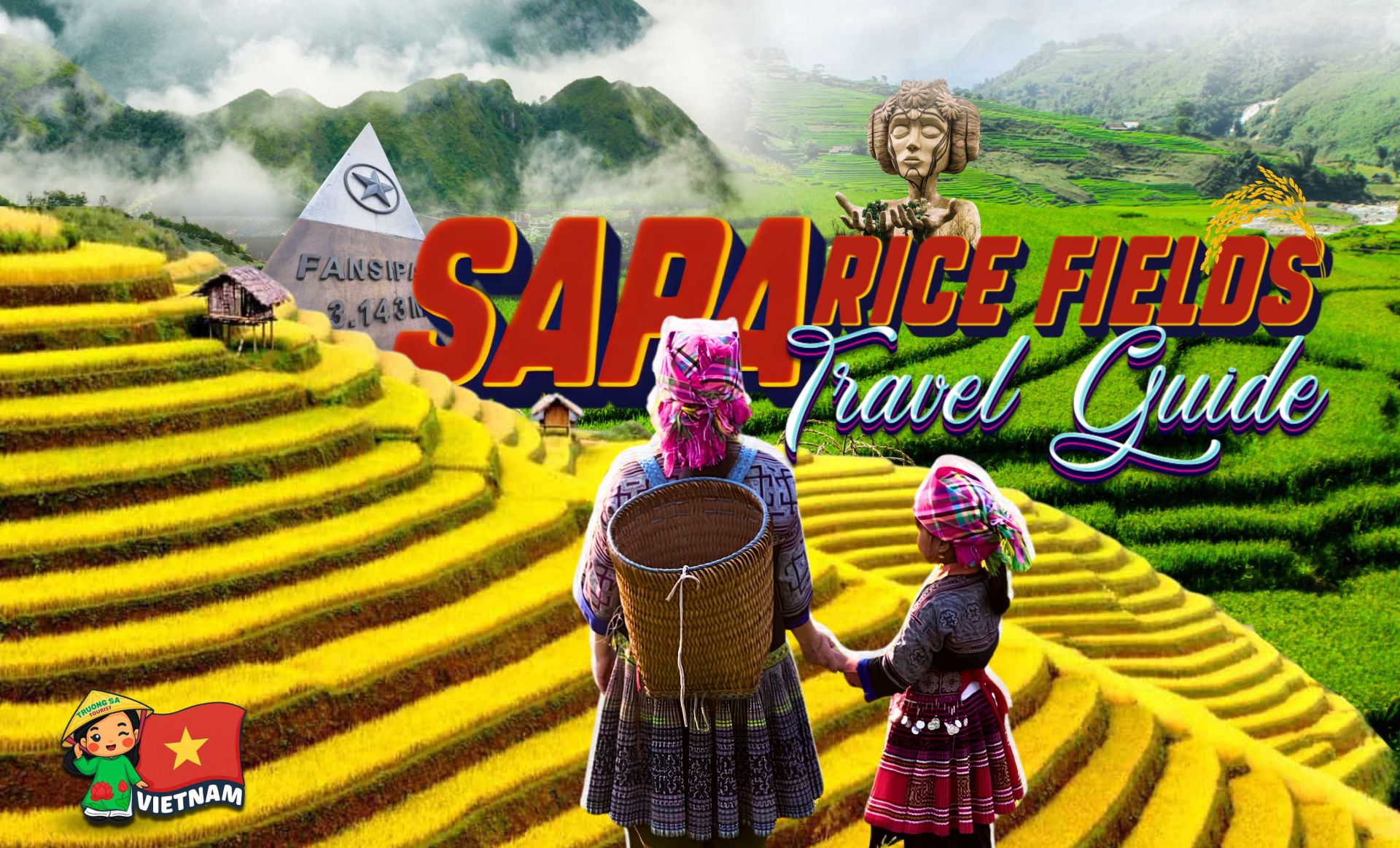
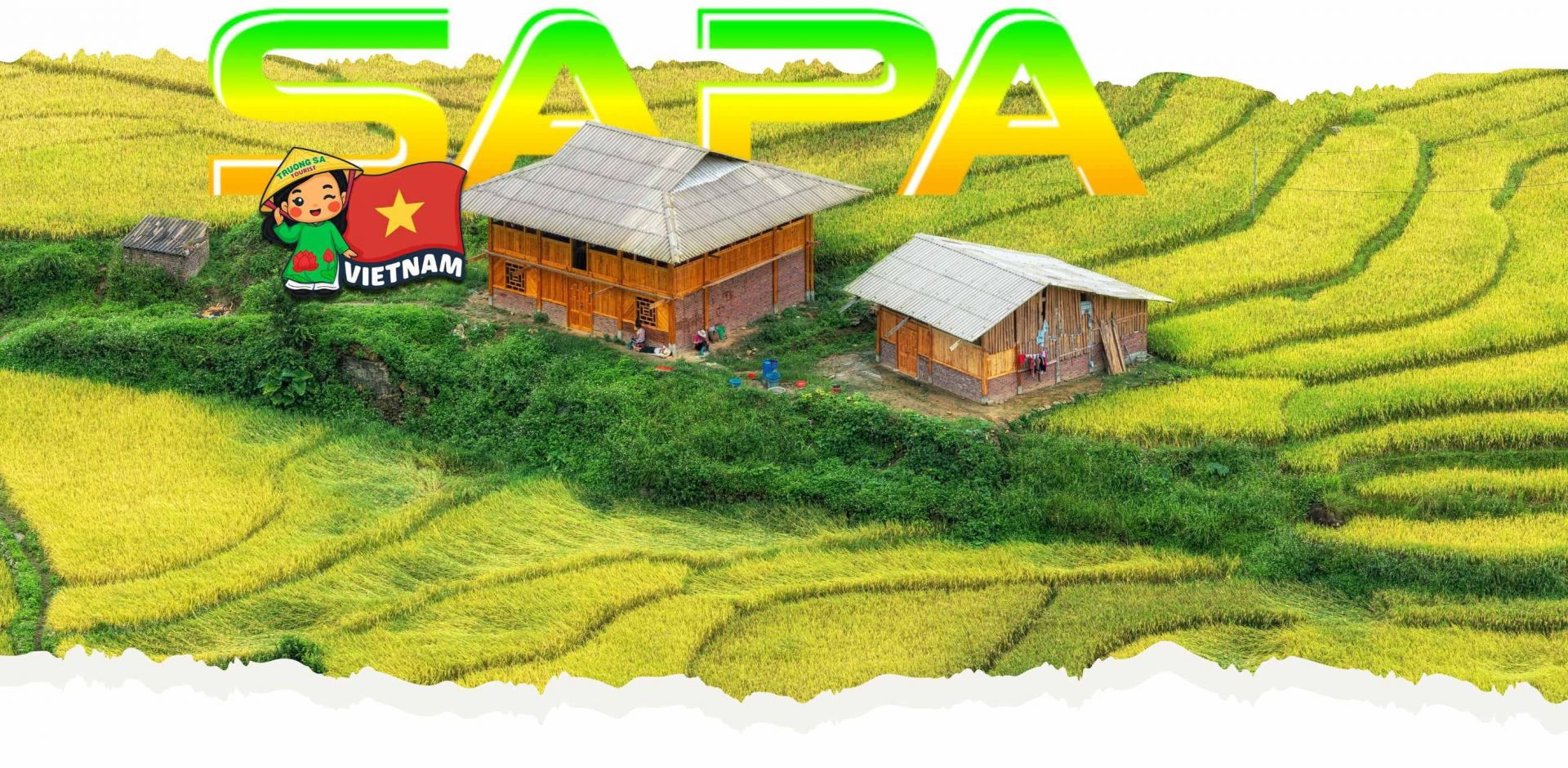
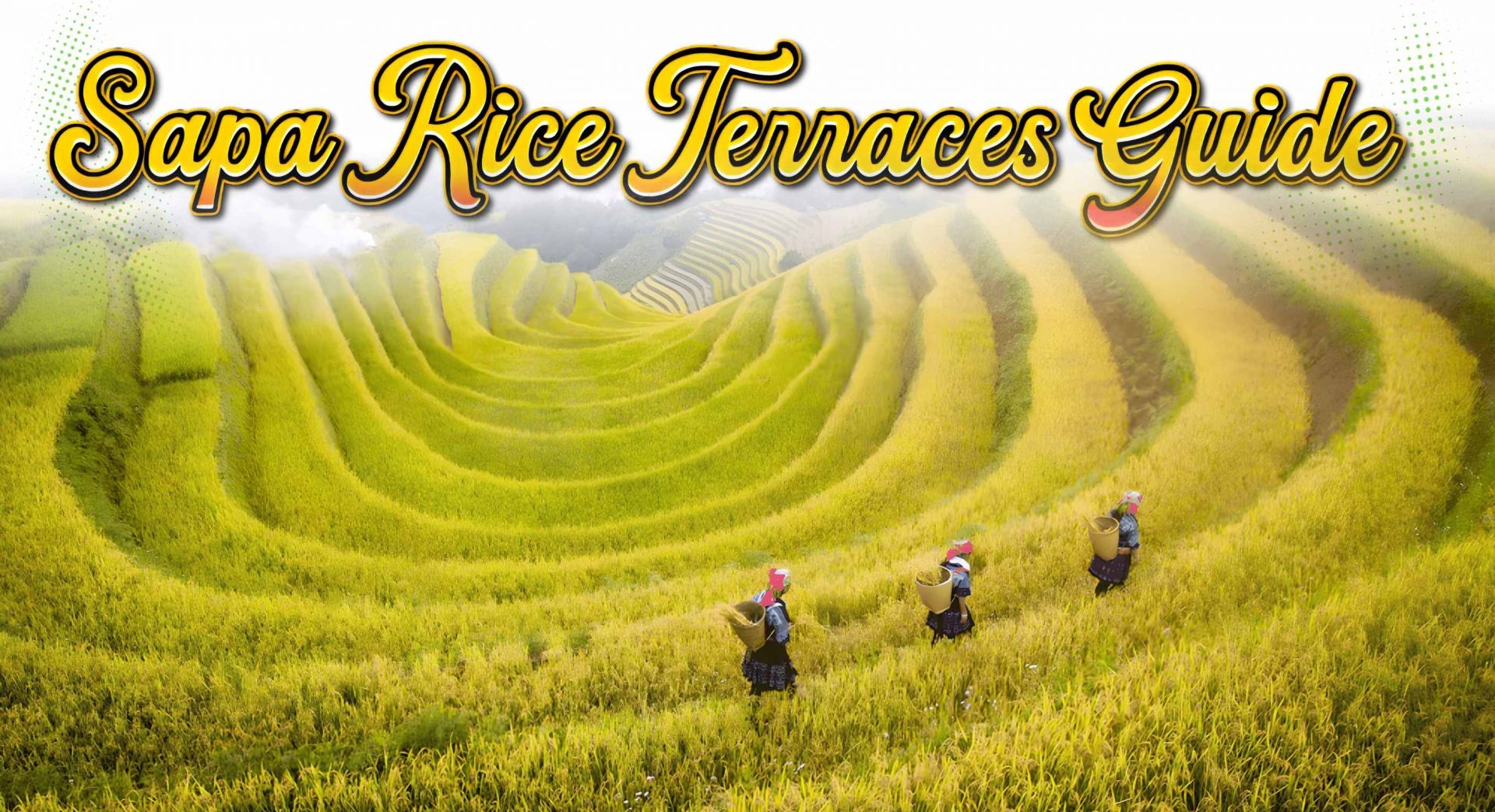
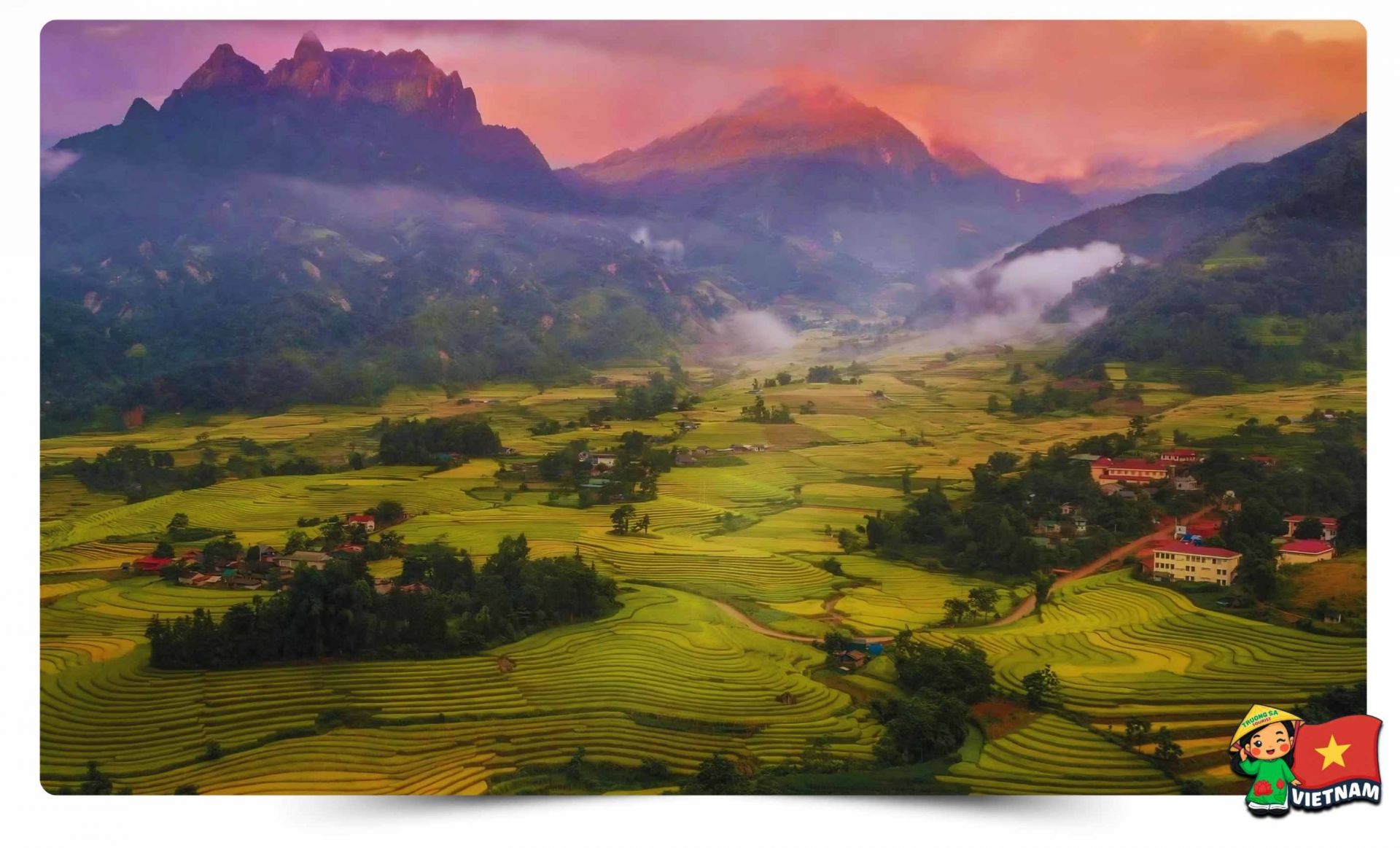
Sa Pa captivates visitors with its dramatic mountain landscapes, peaceful ethnic minority villages, and cool climate throughout the year. However, for most travelers, the breathtaking rice terraces - shaped by generations of local communities - remain the primary reason to visit. Each season transforms the landscape into a completely different masterpiece, from shimmering water-filled terraces during the planting season and vibrant green rice fields in summer to golden hillsides at harvest time.
 Beyond its spectacular scenery, Sa Pa also offers a unique opportunity to experience the rich cultural heritage of the H’Mong, Red Dao, Giay, and Xa Pho ethnic communities through their traditional villages, colorful local markets, and centuries-old way of life that continues to thrive today.
If you are looking for a complete guide to exploring the magnificent rice terraces of Sa Pa in 2026, this article, prepared by local travel expert Ms. Tam from Truong Sa Tourist Vietnam DMC, will help you choose the best time to visit, discover the most beautiful locations, and benefit from practical travel tips for an unforgettable journey.
Why Sapa Rice Fields Are World Famous
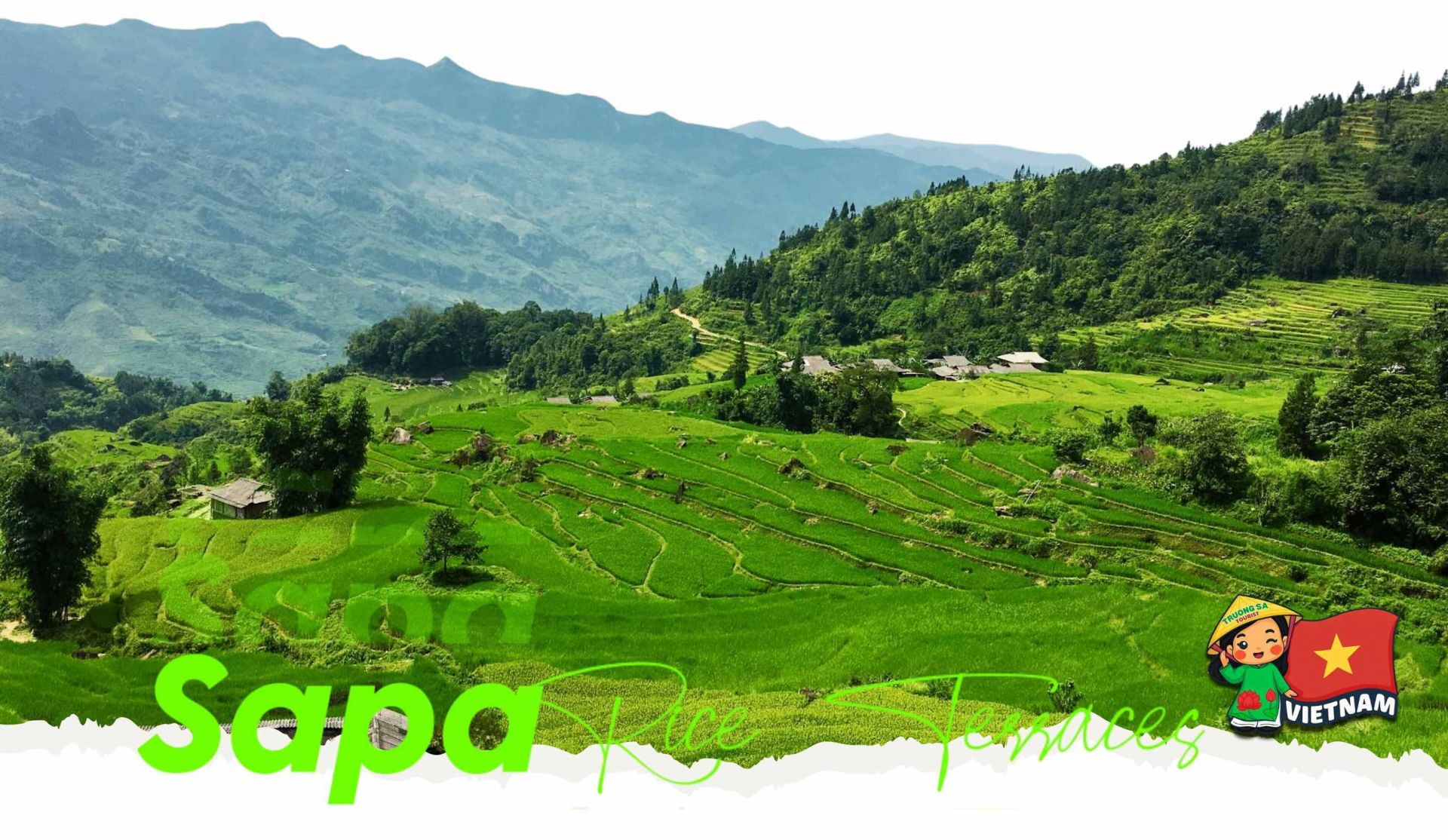
Sa Pa’s rice terraces are renowned not only across Vietnam but also internationally, frequently appearing in leading travel publications thanks to their extraordinary natural beauty and rich cultural significance. Over countless generations, the H'Mong, Dao, and Giay people have transformed steep mountain slopes into spectacular cascading rice terraces that serve both as productive farmland and as one of the world’s most remarkable cultural landscapes.
What makes the Sa Pa rice terraces truly exceptional is their immense scale and diverse topography. Graceful curves follow the contours of the mountains, changing in elevation and reflecting light differently throughout the day. This constant transformation means that every season offers an entirely new perspective, making each visit to Sa Pa a unique experience.
 Unlike destinations that are simply admired from a distance, the rice terraces remain an essential part of local daily life. Visitors can witness farmers planting rice, harvesting crops, or tending livestock on the mountain slopes. This authentic connection between nature and local communities is one of the reasons Sa Pa is highly regarded by travelers seeking meaningful cultural experiences beyond sightseeing.
In addition to its breathtaking scenery, Muong Hoa Valley is home to remarkable cultural treasures, including the famous Ancient Rock Field and a network of traditional ethnic villages. Together, they create a distinctive destination unlike anywhere else in Southeast Asia.
Best Time to Visit Sapa Rice Fields in 2026
.jpg) The best time to visit the rice terraces in Sa Pa depends on the type of experience you are looking for.
The best time to visit the rice terraces in Sa Pa depends on the type of experience you are looking for.
From late April through the end of May, the terraces enter the water-pouring season. Water is diverted from mountain streams into the fields in preparation for rice planting, creating enormous mirror-like surfaces that beautifully reflect the sky. This is one of the favorite seasons for photographers thanks to the spectacular lighting conditions during sunrise and late afternoon.
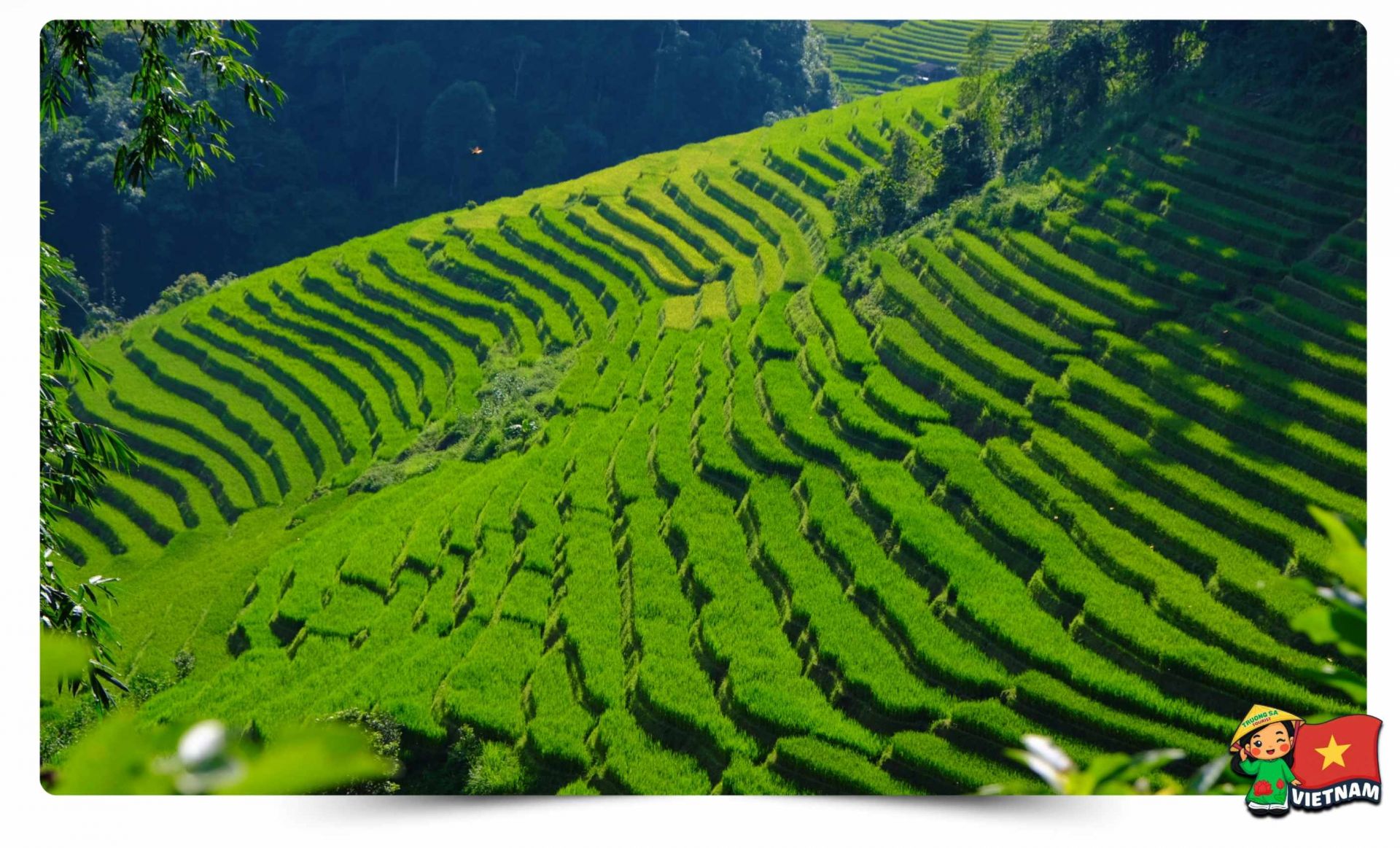
From June to August, the entire valley is covered in lush green rice fields. The weather is cooler than in many other parts of Vietnam, making this an excellent time for trekking and exploring ethnic minority villages.
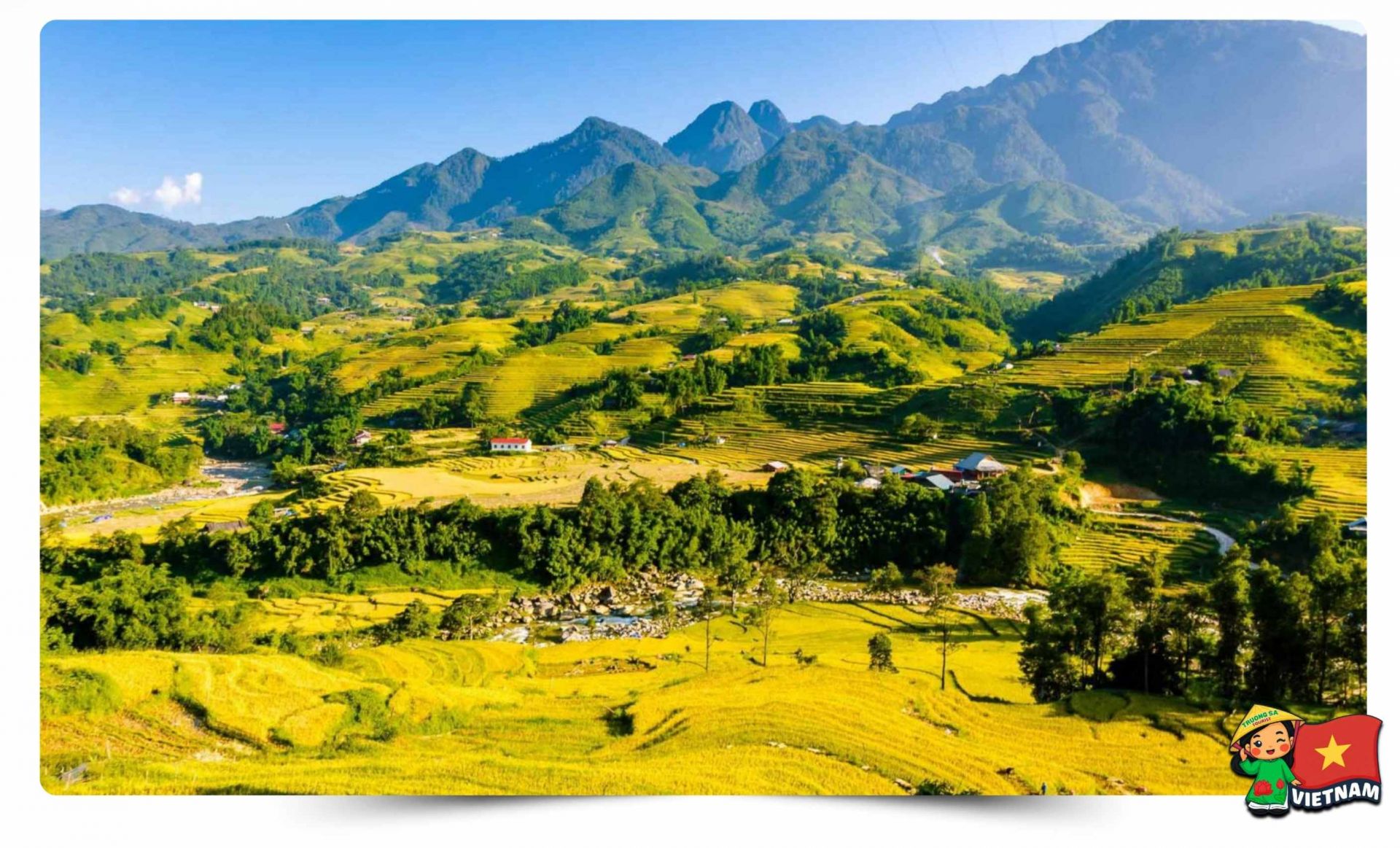
 Late August to mid-September is widely considered the most beautiful time of the year. As the rice ripens, the terraces turn brilliant shades of gold before harvest, creating the iconic landscapes featured in countless photographs and tourism campaigns promoting Vietnam. This is also the peak season for international visitors, so booking accommodation and transportation well in advance is highly recommended.
 From October to March, Sa Pa enters its cooler season. Although the terraces no longer display their vibrant green or golden colors, visitors are rewarded with crisp mountain air, floating clouds, and occasionally even frost on Fansipan Peak, offering a completely different perspective of Vietnam's northwestern highlands.
If your main goal is to admire Sa Pa’s rice terraces at their absolute best, the period from late August to mid-September remains the time most highly recommended by travel experts.
Top Places to See the Most Beautiful Rice Terraces
1. Muong Hoa Valley
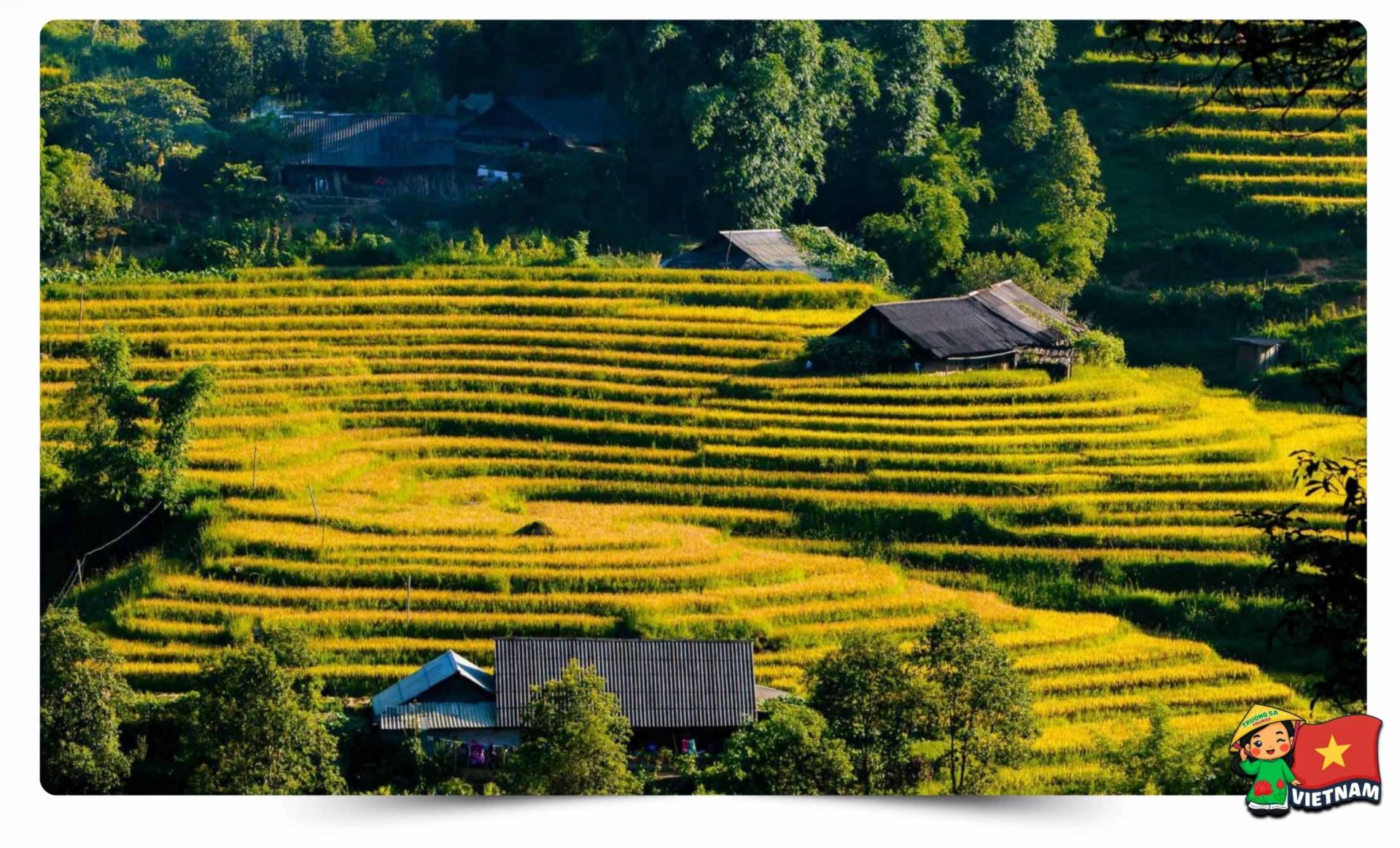 Location: Hau Thao and Ta Van Communes, Sa Pa Town, Lao Cai Province - Approximately 8 km from Sa Pa town center.
Muong Hoa Valley is widely regarded as the heart of Sa Pa’s rice terraces and is the region's most iconic destination for international travelers. Layers of terraced rice fields stretch gracefully along the Muong Hoa Stream, creating breathtaking scenery throughout the year, from the fresh green hues of newly planted rice to the brilliant golden landscape during harvest season.
The valley is also home to several ethnic communities, including the H’Mong, Giay, and Dao people, giving visitors the opportunity not only to admire the spectacular scenery but also to gain a deeper understanding of local traditions and daily life. For panoramic views of the valley, travelers can take the Muong Hoa Mountain Train or stop at the scenic viewpoints along the road leading to Fansipan.
2. Lao Chai - Ta Van Village
.jpg) Location: Ta Van Commune, Sa Pa Town, Lao Cai Province - Approximately 7 km from the town center.
Location: Ta Van Commune, Sa Pa Town, Lao Cai Province - Approximately 7 km from the town center.
Situated within Muong Hoa Valley, Lao Chai and Ta Van are two of Sa Pa’s best-known ethnic villages, famous for their magnificent rice terraces cascading along the mountain slopes. This area is also home to Sa Pa’s most popular trekking route, where visitors can walk through endless rice fields, cross charming wooden bridges, and pass traditional villages surrounded by stunning natural landscapes.
Beyond their remarkable scenery, Lao Chai and Ta Van offer authentic cultural experiences with the local H’Mong and Giay communities. Traditional wooden houses, the gentle sound of mountain streams, and the relaxed pace of village life create a peaceful atmosphere that is becoming increasingly rare in many tourist destinations.
3. Y Linh Ho Village
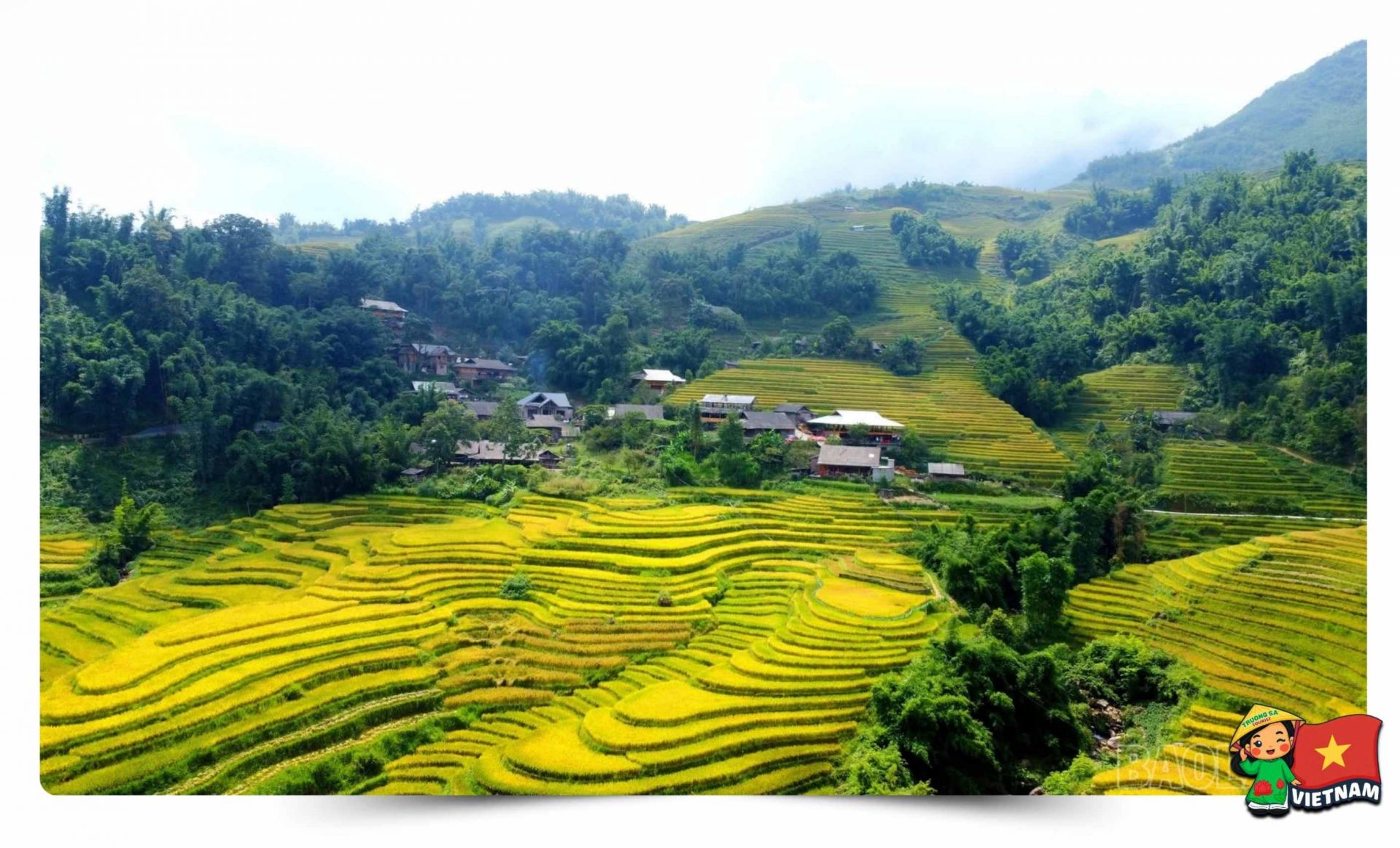 Location: San Sa Ho Commune, Sa Pa Town, Lao Cai Province - Approximately 7 km from the town center.
Y Linh Ho has retained much of its untouched beauty, with sweeping rice terraces winding along the mountainsides beside the Muong Hoa Stream. Compared with Lao Chai and Ta Van, this village is quieter and less crowded, making it an ideal destination for travelers seeking tranquility and a closer connection with nature.
The trekking trails through Y Linh Ho pass traditional H'Mong villages, where visitors can observe local farmers working in the rice fields or children playing among the mountains, offering an authentic glimpse into daily life in Vietnam's northwestern highlands.
4. Cat Cat Village
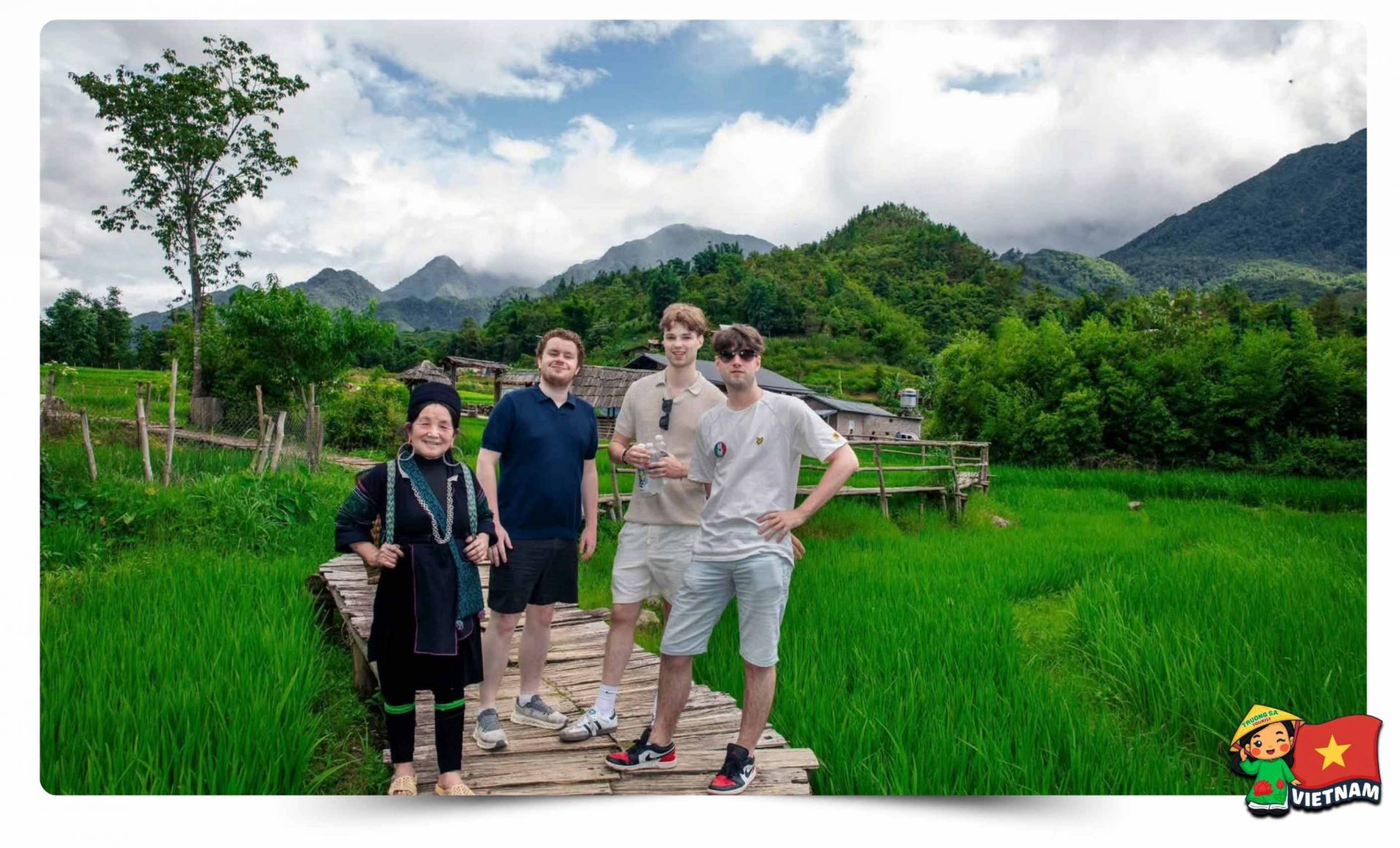 Location: San Sa Ho Commune, Sa Pa Town, Lao Cai Province - Approximately 2 km from the town center.
Thanks to its convenient location near the center of Sa Pa, Cat Cat Village is one of the most accessible places to admire rice terraces without traveling far. Although its terraced fields are smaller than those in Muong Hoa Valley, they create a picturesque landscape surrounded by traditional wooden houses, colorful flower gardens, and gentle mountain streams.
Cat Cat is also an excellent place to combine scenic sightseeing with cultural experiences. Visitors can explore traditional handicraft workshops, learn about local customs, and enjoy a variety of authentic specialties from Vietnam's northwestern mountains.
How to Visit Sapa Rice Fields
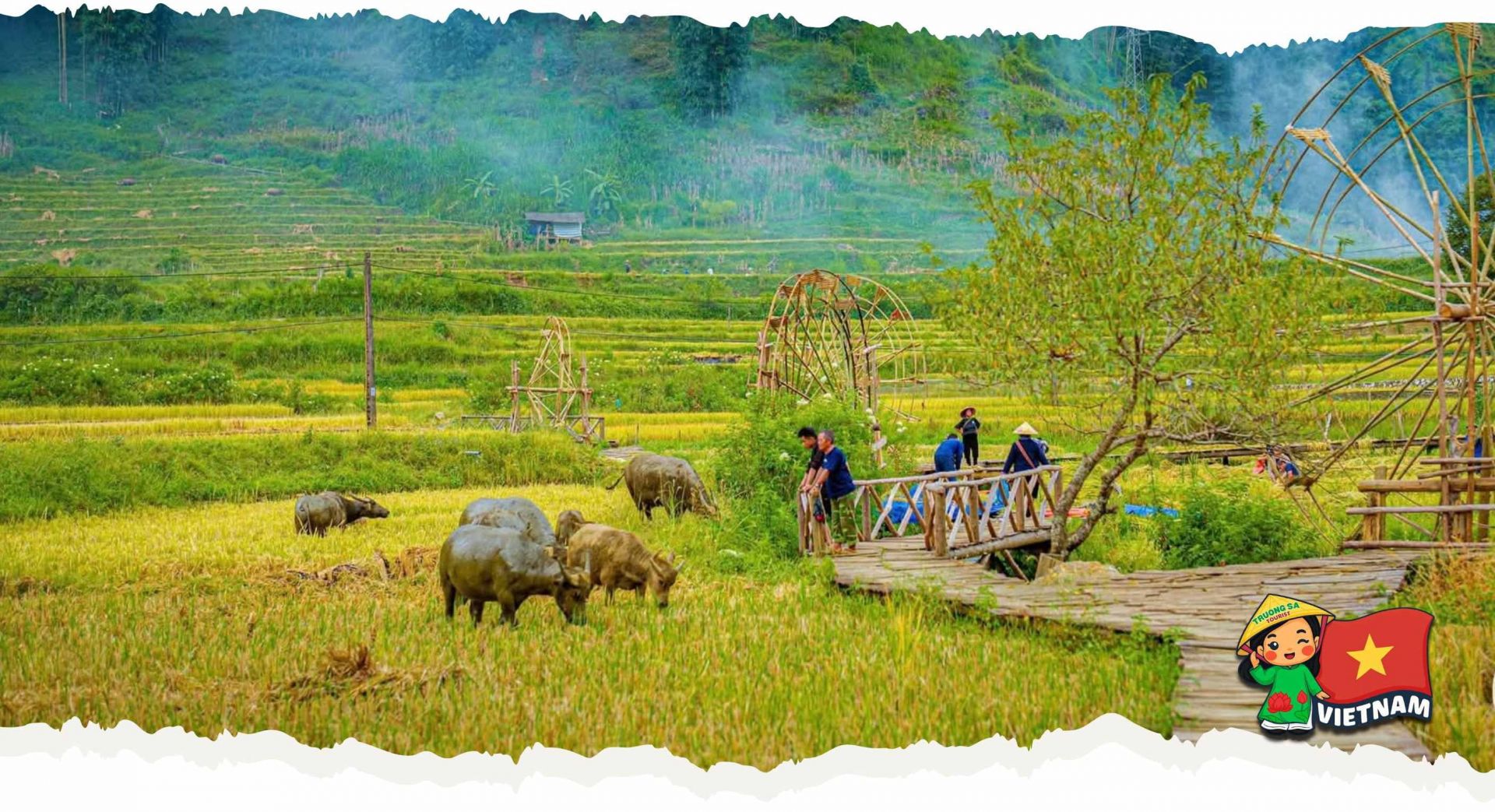 For most international travelers, the journey to Sa Pa begins in Hanoi. One of the most popular options is taking an overnight train to Lao Cai Railway Station, followed by approximately one hour by car or shuttle bus to reach Sa Pa town. This is an excellent choice for travelers who would like to experience one of northern Vietnam's most scenic railway routes.
In recent years, high-quality limousine services have become one of the most popular transportation options thanks to the Hanoi - Lao Cai Expressway, reducing travel time to approximately five to six hours. Spacious seating, convenient hotel pick-up and drop-off services, and flexible departure schedules make limousine transfers particularly suitable for families and small groups.
►Book Hanoi to Sapa Limousine Transfer
 Long-distance coaches are another budget-friendly option, with multiple departures available daily. However, if comfort and convenience are your priorities, limousine services are generally considered the better choice.
Once you arrive in Sa Pa, the best way to explore the rice terraces is by joining a trekking tour with a local guide. Besides helping you choose routes that match your fitness level, local guides provide valuable insights into the traditions, customs, and daily lives of the ethnic minority communities, making the experience far more meaningful than exploring independently.
For travelers who prefer not to walk long distances, renting a motorbike or hiring a private car is a convenient way to travel between villages and visit the area's most famous viewpoints. Whichever option you choose, it is highly recommended to spend at least two to three days in Sa Pa to fully appreciate the beauty of this remarkable mountain region rather than visiting on a day trip.
Things to Do Beyond the Rice Fields
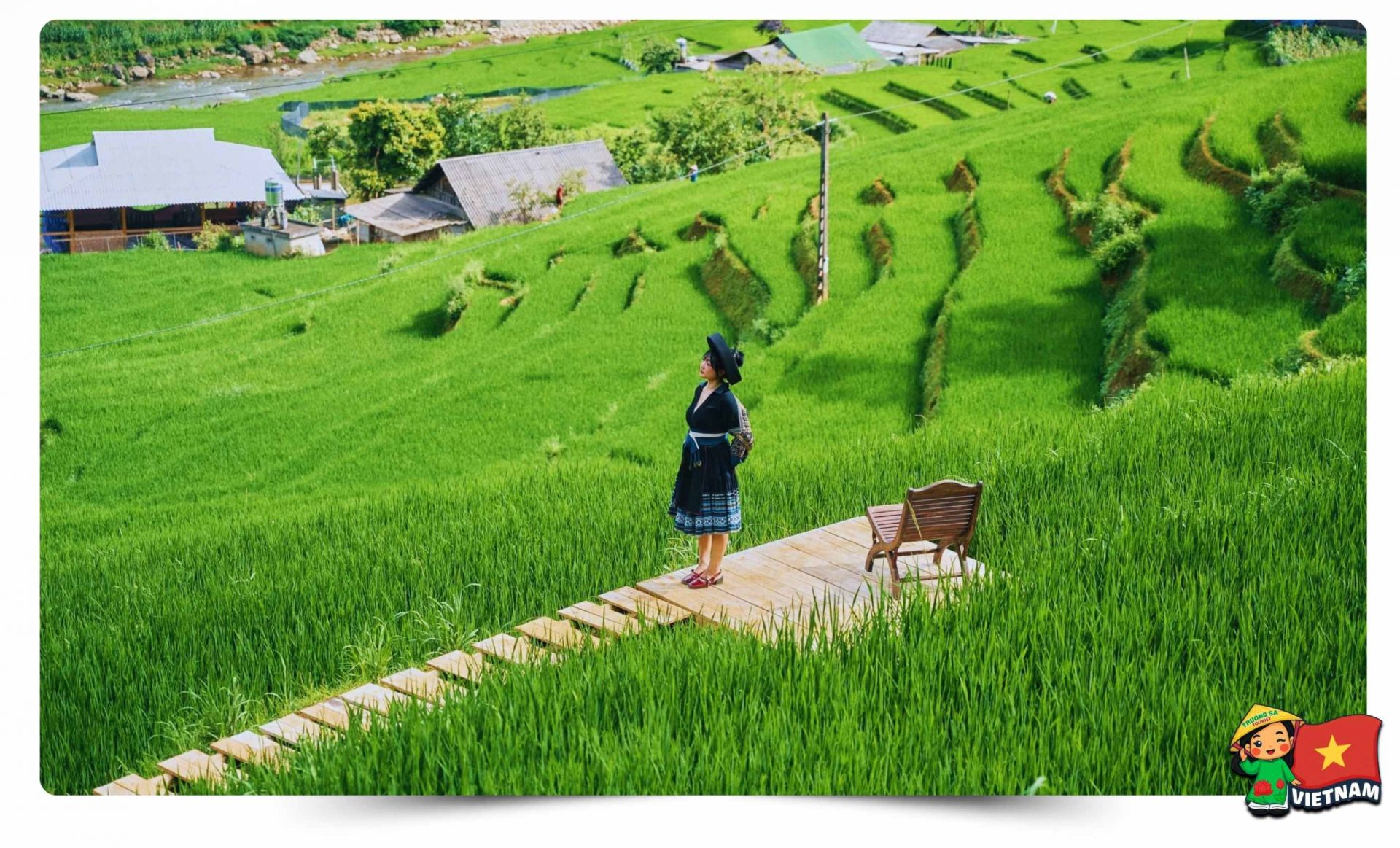 Although the rice terraces are Sa Pa’s most iconic attraction, this mountain destination offers many other rewarding experiences that can make your journey even more memorable.
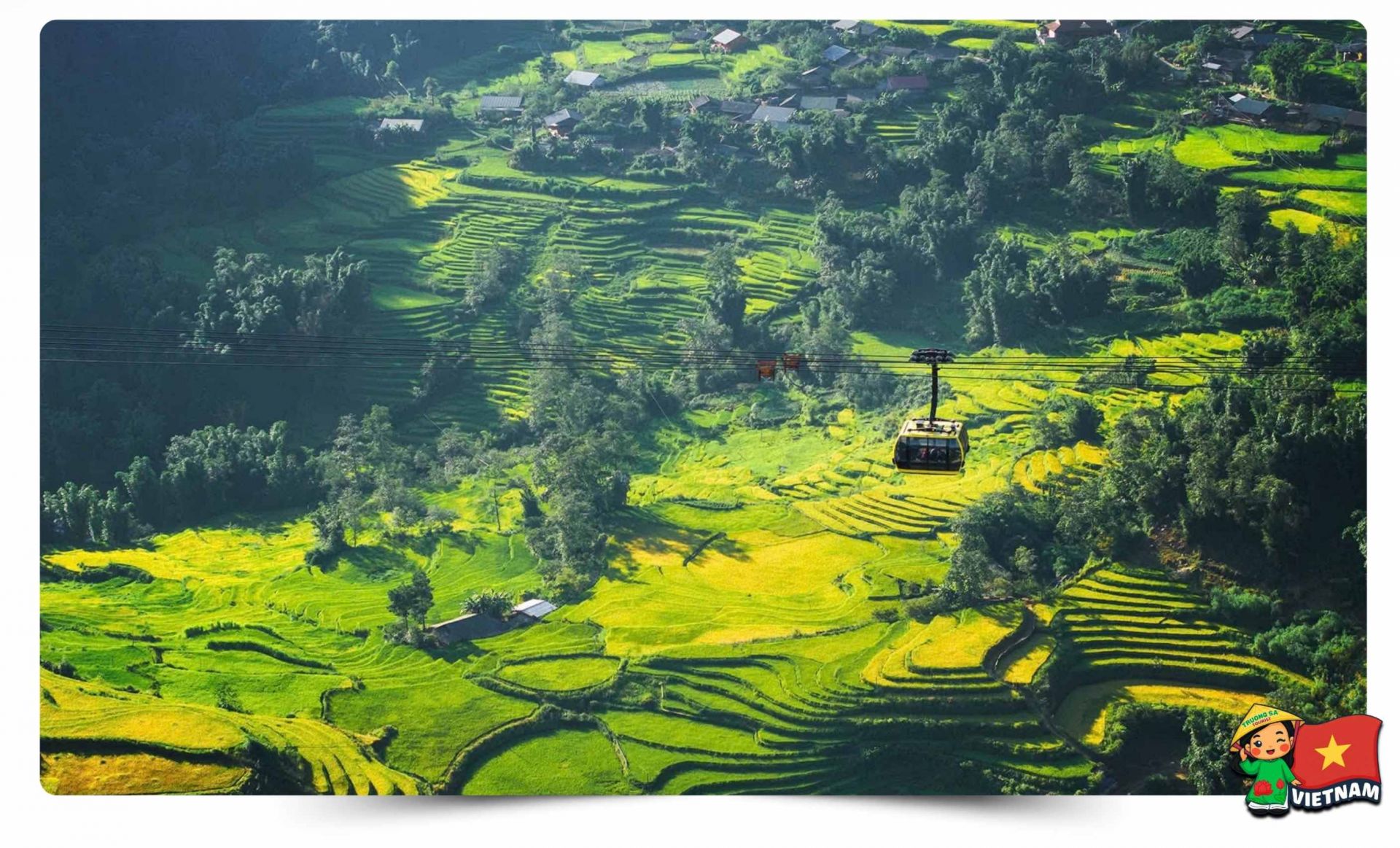
One of the highlights is exploring the traditional villages of the local ethnic minority communities. The H'Mong, Red Dao, Giay, and Xa Pho people have preserved their unique customs for generations, from indigo dyeing and handwoven brocade to centuries-old farming techniques adapted to the mountainous landscape. Staying at a local homestay gives visitors the opportunity to enjoy home-cooked meals, learn about everyday village life, and hear fascinating stories about local traditions directly from their hosts. For many international travelers, these authentic cultural encounters become the most memorable part of their trip.
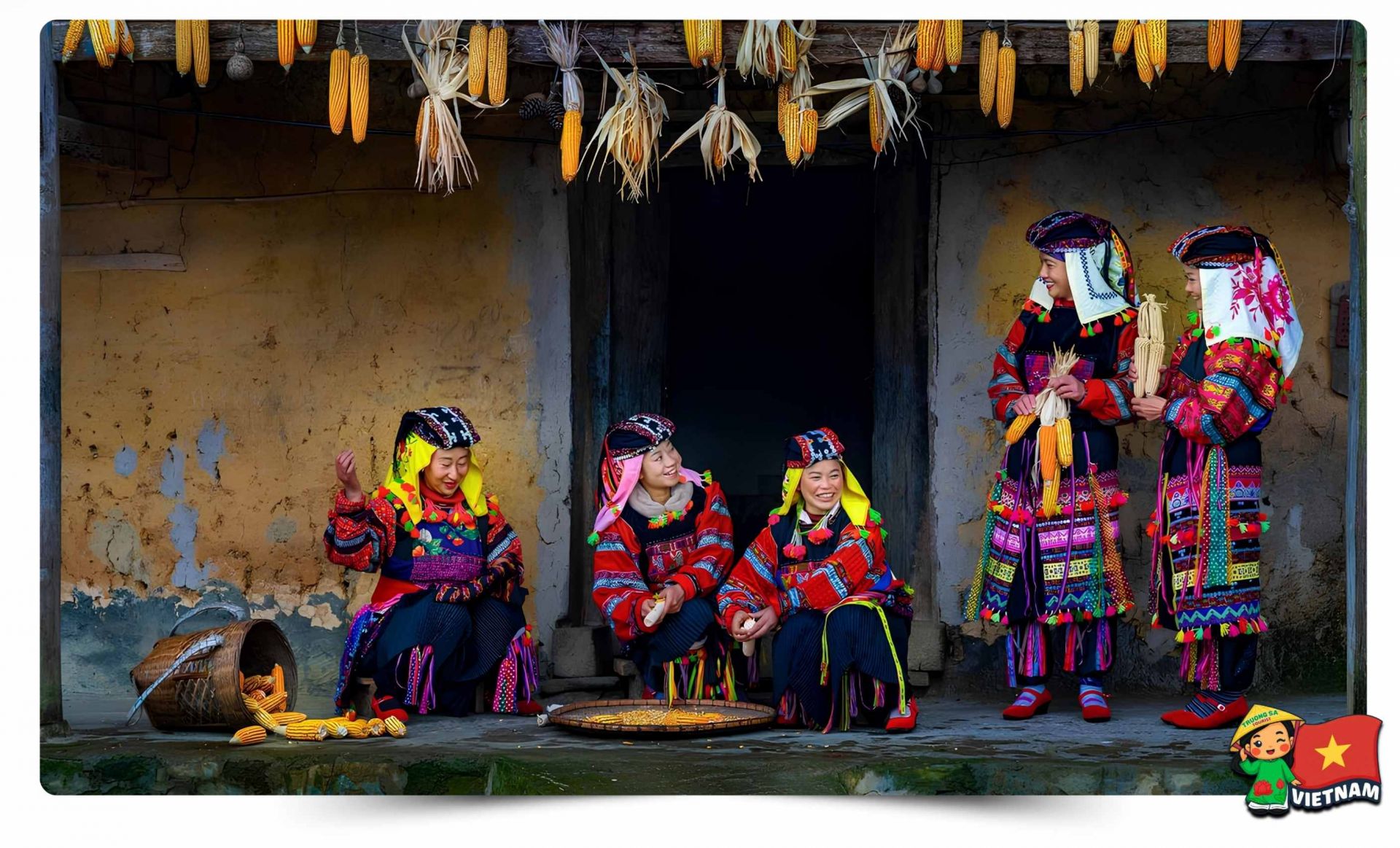 Another must-visit destination is Fansipan, famously known as the "Roof of Indochina" at an elevation of 3,143 meters above sea level. A modern cable car system now makes the summit accessible to most visitors while offering breathtaking panoramic views of the Hoang Lien Son Mountain Range. On clear days, you can admire a sea of clouds stretching across the valleys below. Travelers seeking a greater challenge can also choose a guided trekking expedition to the summit, which remains one of Vietnam's most rewarding mountain adventures.
.jpg) If your schedule allows, don't miss Sa Pa Market or the colorful highland markets held on specific days in nearby districts such as Bac Ha and Can Cau. These vibrant markets are much more than places to trade agricultural products. They are lively cultural gathering places where different ethnic groups meet, wearing beautifully embroidered traditional costumes while selling handicrafts, local produce, and regional specialties. Visiting these markets offers a fascinating insight into daily life in Vietnam's northern mountains.
If your schedule allows, don't miss Sa Pa Market or the colorful highland markets held on specific days in nearby districts such as Bac Ha and Can Cau. These vibrant markets are much more than places to trade agricultural products. They are lively cultural gathering places where different ethnic groups meet, wearing beautifully embroidered traditional costumes while selling handicrafts, local produce, and regional specialties. Visiting these markets offers a fascinating insight into daily life in Vietnam's northern mountains.
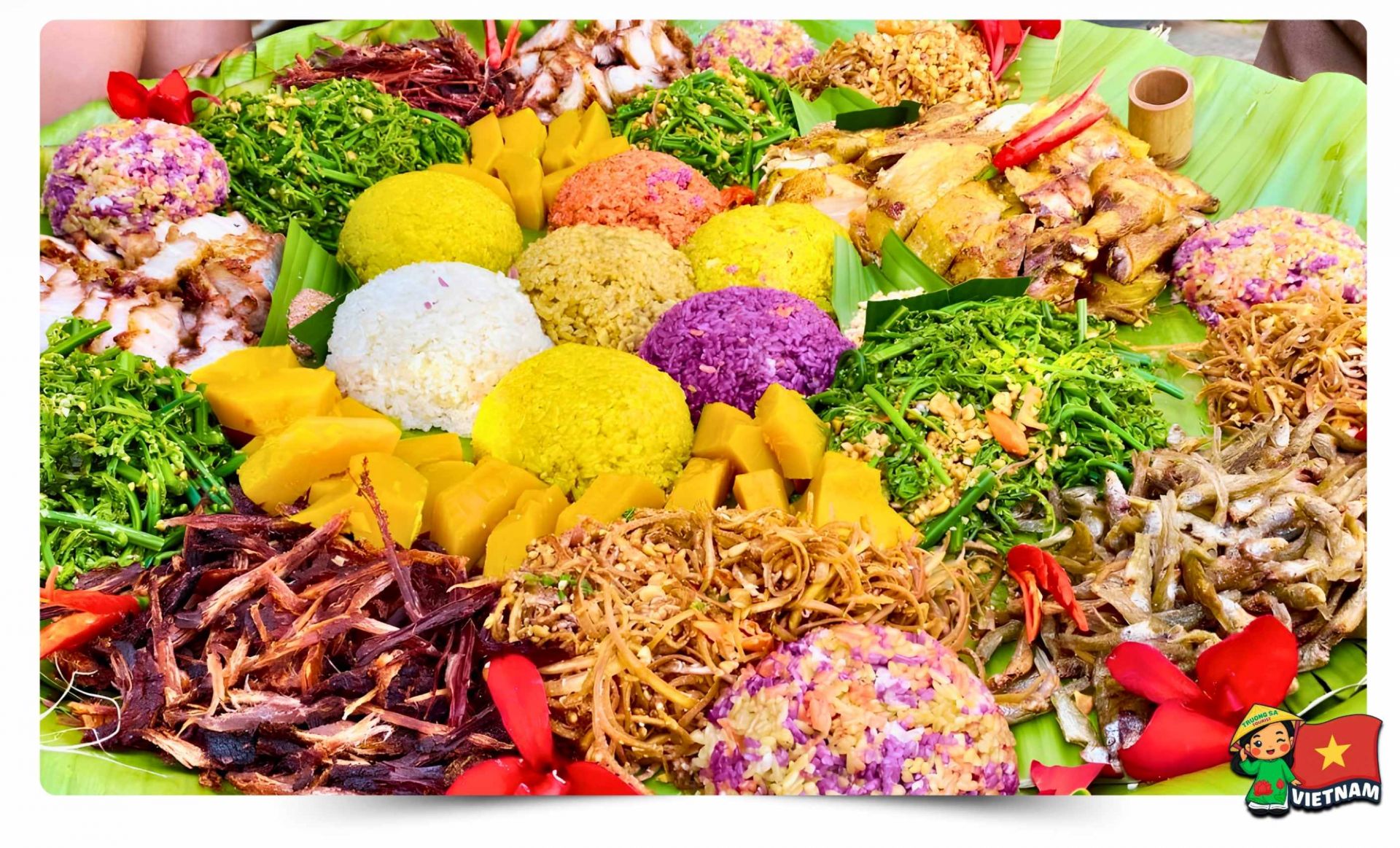
 Sa Pa's cuisine is another highlight that should not be overlooked. The cool climate supports the cultivation of fresh temperate vegetables rarely found elsewhere in Vietnam. Local specialties worth trying include freshwater salmon, sturgeon, grilled free-range pork, black chicken, and the traditional H'Mong dish known as thang co for adventurous food lovers. Enjoying a warm barbecue dinner beside glowing charcoal on a cool mountain evening is an unforgettable experience for many visitors.
 In addition, the hillside cafés overlooking Muong Hoa Valley provide the perfect setting to relax after a day of trekking. Sitting quietly with a cup of Vietnamese coffee while watching clouds drift across the mountains is one of the simplest yet most rewarding ways to experience the peaceful rhythm of life in Sa Pa.
Local Tips You Should Know Before Visiting
.jpg) The weather in Sa Pa can change quickly, particularly from late autumn through early spring. It is not unusual to experience sunshine in the morning, mist around midday, and significantly cooler temperatures after sunset. Dressing in lightweight layers allows you to stay comfortable throughout the day as conditions change.
The weather in Sa Pa can change quickly, particularly from late autumn through early spring. It is not unusual to experience sunshine in the morning, mist around midday, and significantly cooler temperatures after sunset. Dressing in lightweight layers allows you to stay comfortable throughout the day as conditions change.
A good pair of trekking shoes or hiking boots with reliable grip is highly recommended if you plan to explore the villages on foot. After rainfall, many dirt trails become slippery, especially around Lao Chai, Ta Van, and Y Linh Ho.
If photography is one of your priorities, the best light usually appears shortly after sunrise or about two hours before sunset. During these golden hours, the softer sunlight adds depth to the landscape and beautifully highlights the contours of the rice terraces.
 When visiting ethnic villages, always respect local customs and daily life. Ask for permission before taking close-up photographs of local people, avoid leaving litter behind, and never walk through cultivated rice fields or disturb agricultural activities. Small gestures of respect help preserve both the landscape and the warm relationship between local communities and visitors.
Many trekking routes range from 10 to 15 kilometers and include long downhill sections that can be physically demanding. Be realistic about your fitness level when choosing a route. Families with children or elderly travelers may prefer shorter walks combined with private transportation between villages for a more comfortable experience.
Finally, allow yourself enough time to slow down. The true charm of Sa Pa extends far beyond its spectacular scenery. It lies in its peaceful atmosphere, meaningful conversations with lo
How to Include Sapa in a Vietnam Itinerary
.jpg) For most international travelers, Sa Pa is either the first or second destination on their journey through northern Vietnam. After spending a few days exploring Hanoi, many continue to Sa Pa to experience its breathtaking mountain scenery before heading to Ninh Binh or Ha Long Bay. This route is both convenient and well-balanced, allowing travelers to enjoy a diverse range of landscapes and cultural experiences within a relatively short distance.
For most international travelers, Sa Pa is either the first or second destination on their journey through northern Vietnam. After spending a few days exploring Hanoi, many continue to Sa Pa to experience its breathtaking mountain scenery before heading to Ninh Binh or Ha Long Bay. This route is both convenient and well-balanced, allowing travelers to enjoy a diverse range of landscapes and cultural experiences within a relatively short distance.
If you have 10 to 14 days in Vietnam, your itinerary can naturally extend from the north to central Vietnam. After visiting Sa Pa, many travelers continue to Ninh Binh to explore the spectacular Trang An Landscape Complex, then travel to Ha Long Bay before flying south to Phong Nha, Hue, Hoi An, and Da Nang. This combination of mountains, UNESCO heritage sites, caves, beaches, and vibrant local culture creates a well-rounded travel experience without feeling repetitive.
>>Recommended itinerary: 10-Day Classic Vietnam Journey 2026: Ho Chi Minh City - Hoi An - Hanoi - Sapa
For longer trips lasting two to three weeks, many visitors continue to Ho Chi Minh City and the Mekong Delta to discover southern Vietnam's floating markets, river life, and unique cultural heritage. Travel experts often recommend this route because it offers an excellent balance of nature, history, culture, and cuisine from north to south.
>>Recommended itinerary: Best of Vietnam 15 Days - North to South Adventure
Planning a cross-country journey through Vietnam can sometimes be challenging, as it involves coordinating transportation, accommodations, and sightseeing across multiple destinations. For this reason, many international travelers choose to travel with experienced destination management companies such as Truong Sa Tourist Vietnam DMC. With an extensive network of travel services throughout Vietnam, the company helps design personalized itineraries that suit different travel styles, saving valuable planning time while providing a seamless travel experience, especially for first-time visitors to Vietnam.
.jpg)
.jpg)
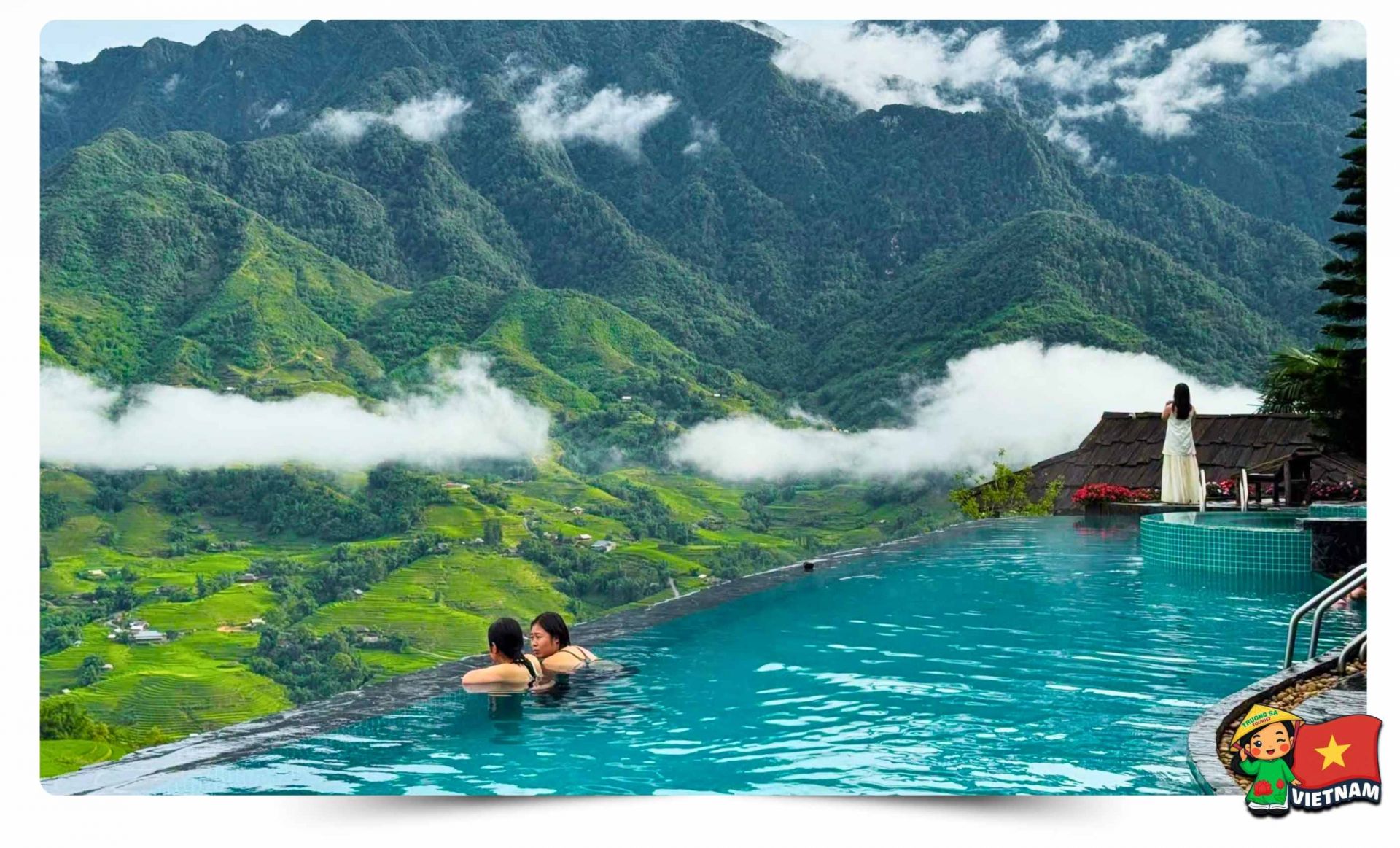 Sa Pa’s rice terraces are not only among the most spectacular landscapes in Vietnam but also a remarkable testament to the harmonious relationship between people and nature, carefully shaped over generations. From golden rice fields stretching across mountain valleys and authentic ethnic villages to the majestic summit of Fansipan, every experience adds to the unique charm that has made Sa Pa one of Southeast Asia's most unforgettable destinations.
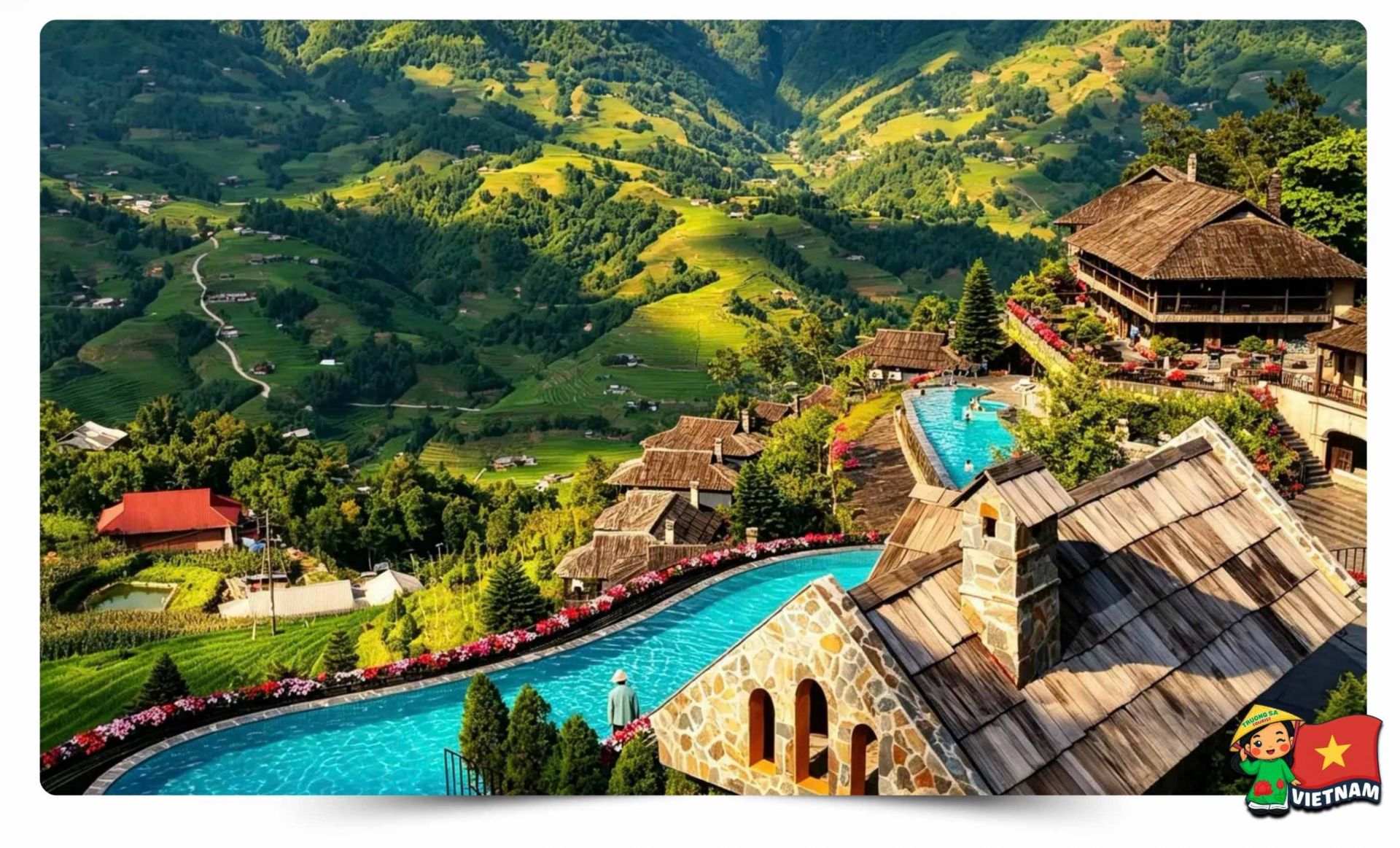 Whether you are passionate about trekking, landscape photography, cultural discovery, or simply looking for a peaceful mountain retreat, Sa Pa offers unforgettable experiences that deserve a place on every Vietnam travel itinerary.
If you would like to explore Vietnam without the stress of planning every detail yourself, consider joining one of the Vietnam Tours offered by Truong Sa Tourist Vietnam DMC. These thoughtfully designed journeys allow you to combine Sa Pa with many of Vietnam’s most iconic destinations, including Hanoi, Ninh Binh, Ha Long Bay, Hue, Hoi An, Da Nang, Ho Chi Minh City, and the Mekong Delta, creating an unforgettable adventure from north to south.

CONTACT INFORMATION
TRUONG SA TOURIST VIETNAM DMC
►Phone: +84 913 645 958
►Email: info@truongsatourist.net
►Facebook: Truong Sa Tourist Vietnam DMC
►TikTok: Truong Sa Tourist Vietnam DMC