Is Pu Luong Worth Visiting? A Complete Travel Guide (Updated for 2026)
Is Pu Luong Worth Visiting? A Complete Travel Guide (Updated for 2026)
Not typically found on the list of Northern Vietnam's most popular destinations, Pu Luong offers a very different side of the region - less urbanized, quieter, and more closely connected to local life.
But is Pu Luong really worth visiting?
What makes travelers choose it over better-known destinations such as Sapa or Ninh Binh? What is there to experience, when is the best time to go, and does Pu Luong actually match the way you want to explore Vietnam?
In this guide, Ms. Tam, a local travel expert from Truong Sa Tourist Vietnam, shares practical insights to help you answer one important question: Is Pu Luong worth adding to your Northern Vietnam itinerary?
Is Pu Luong Worth Visiting?
My answer is yes, if you enjoy nature, trekking, and authentic local experiences more than crowded tourist attractions.
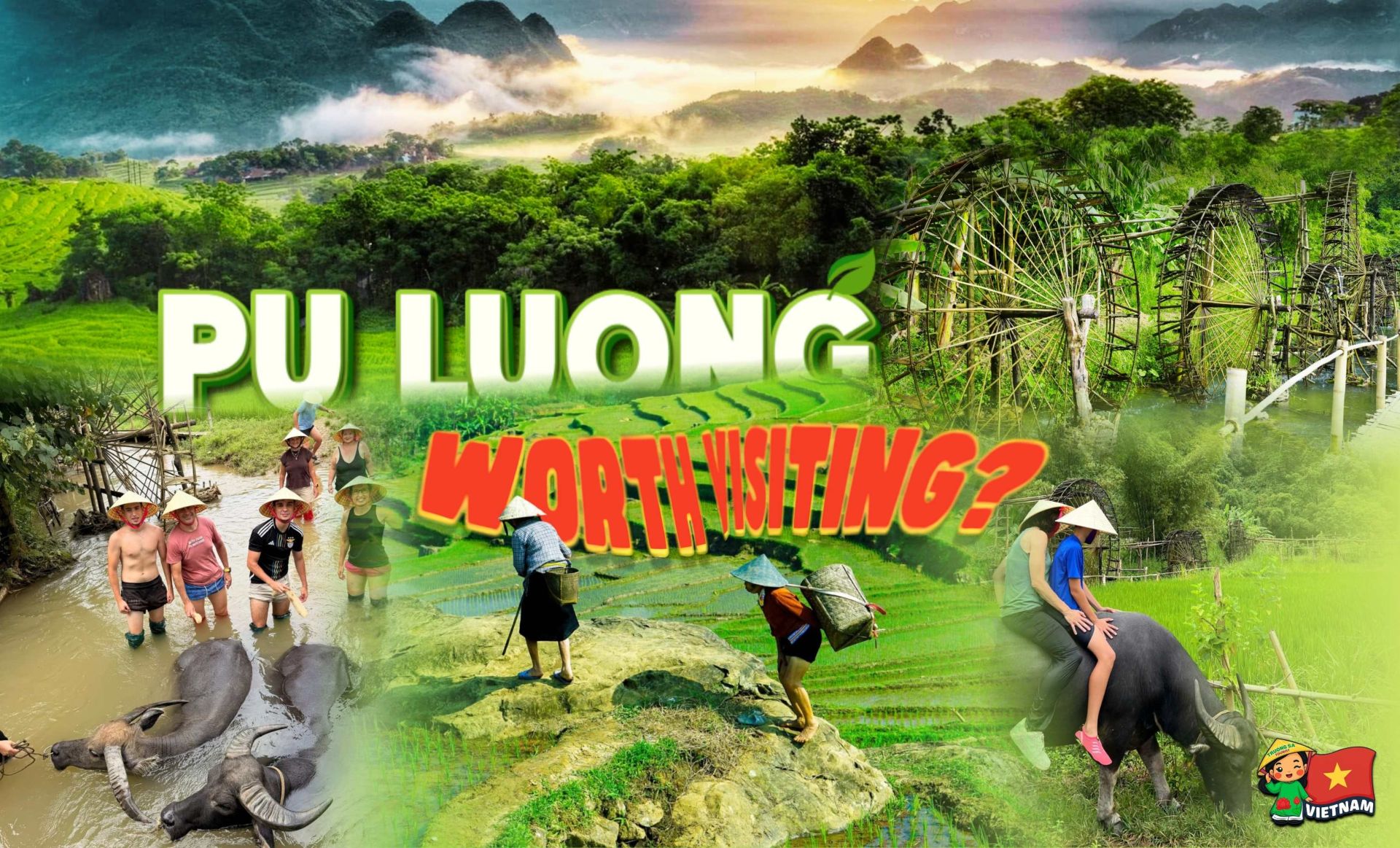
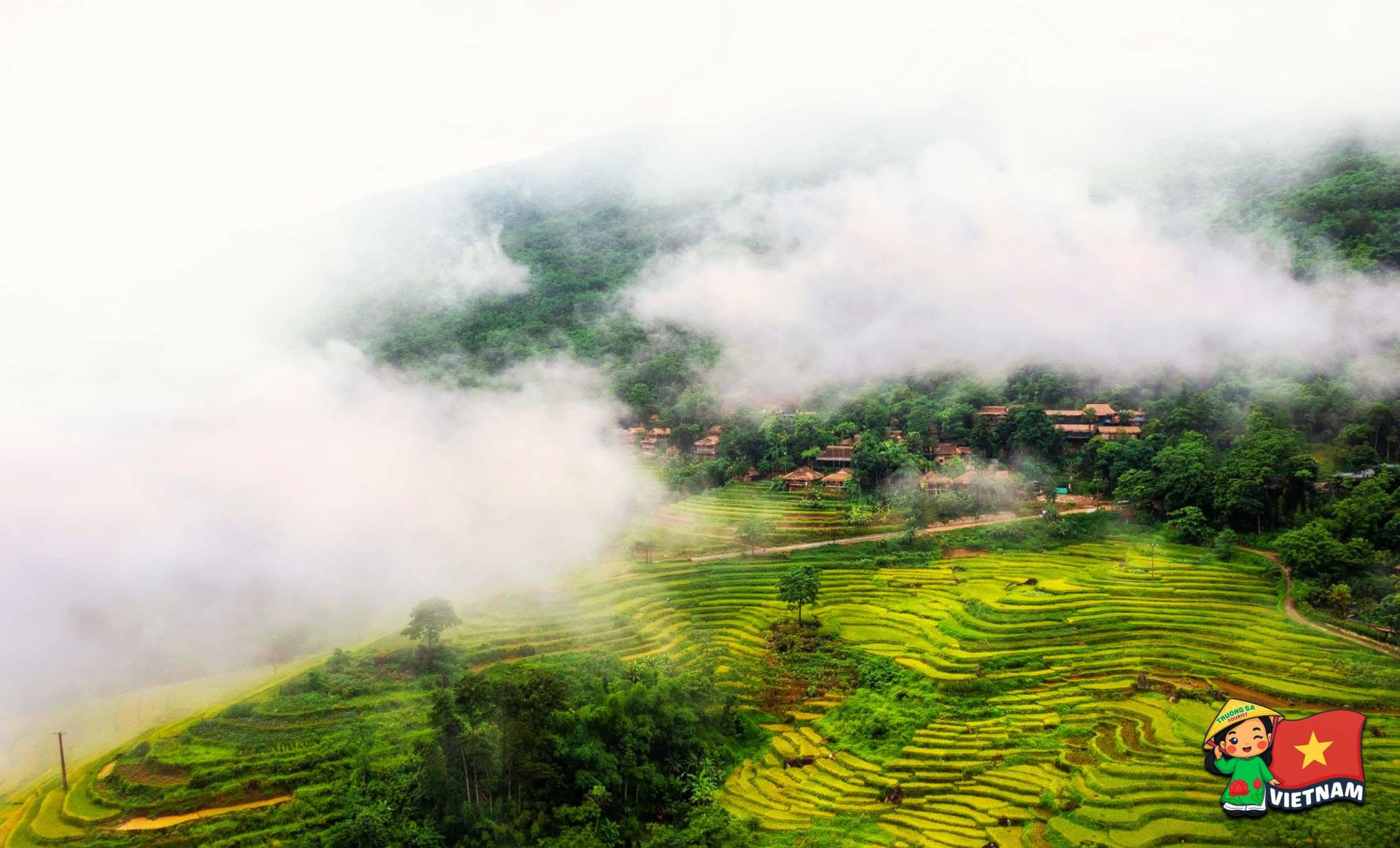
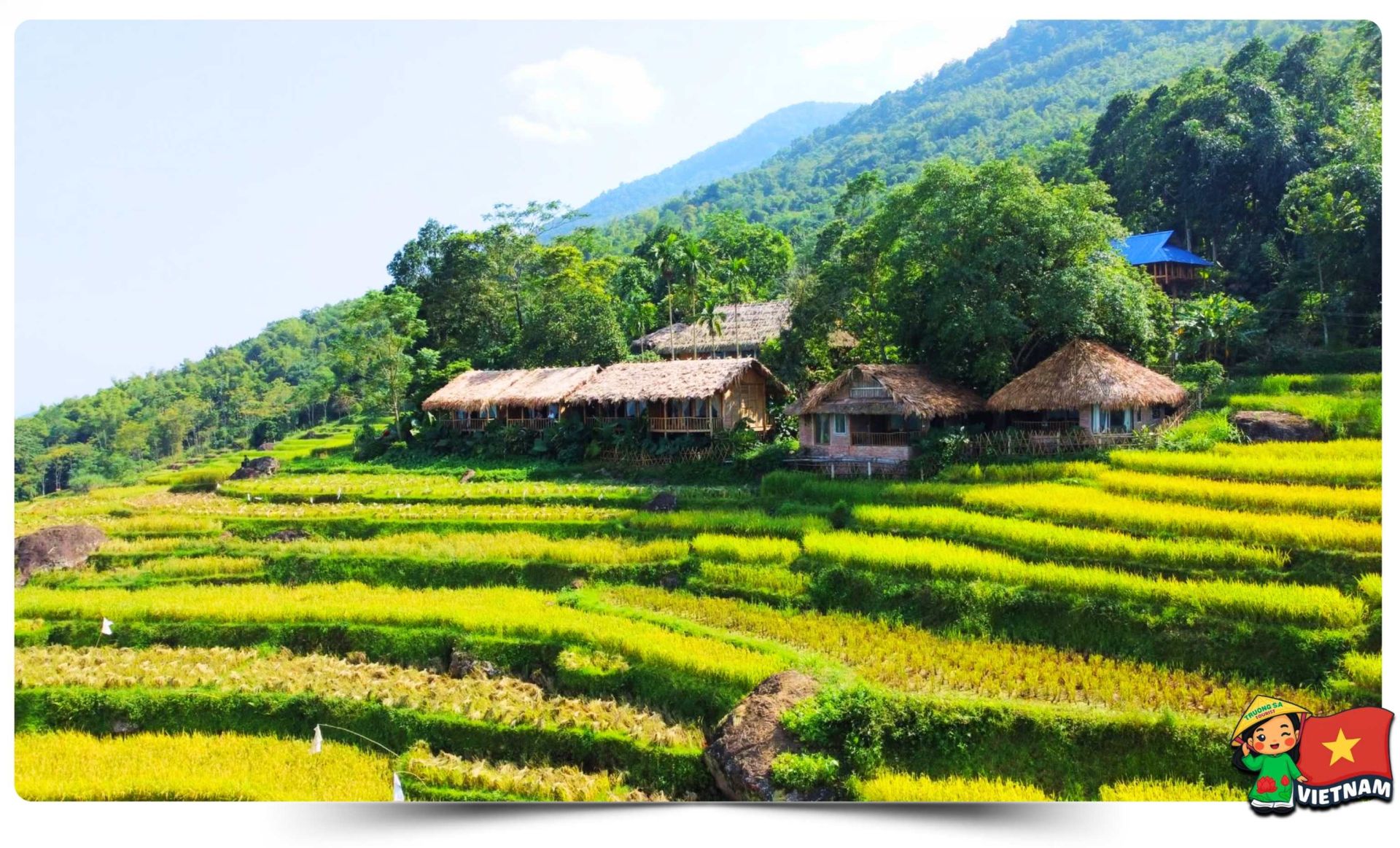
What makes Pu Luong especially appealing is the combination of mountains, rice terraces, and the everyday life of the local Thai community. Small paths run between rice fields, traditional stilt houses sit quietly across the valleys, and bamboo water wheels remain part of the landscape, creating a side of Vietnam that feels very different from the country's major tourist cities.
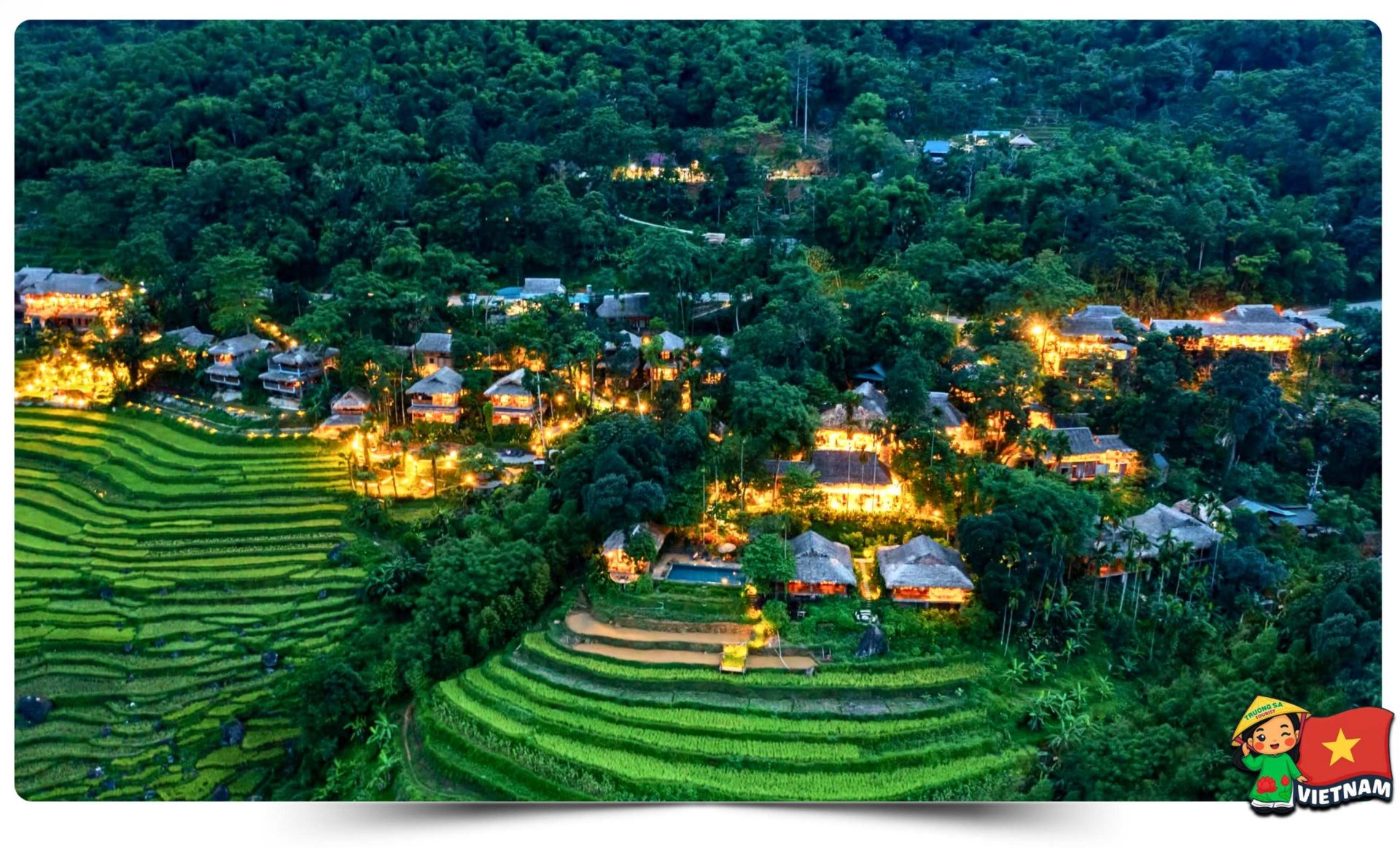 Pu Luong is also ideal for travelers who want to genuinely slow down. Instead of rushing from one attraction to another, you can spend the morning walking through rice fields, relax at a homestay or eco lodge in the afternoon, and enjoy local food in the evening.
However, Pu Luong is not the ideal choice for travelers who want nightlife, shopping, urban conveniences, or a packed itinerary full of photo stops. If you do not enjoy walking along village paths, dirt roads, or hilly terrain, the experience may not be the right fit either.
Pu Luong is at its best when you want to experience a genuine part of rural Northern Vietnam and live, even briefly, like a local rather than simply coming to admire the scenery.
What Makes Pu Luong Special?
Pu Luong Nature Reserve is at the heart of the area's appeal. Its landscape is defined by limestone mountains, lush forests, small valleys, and terraced rice fields that have been cultivated for generations.
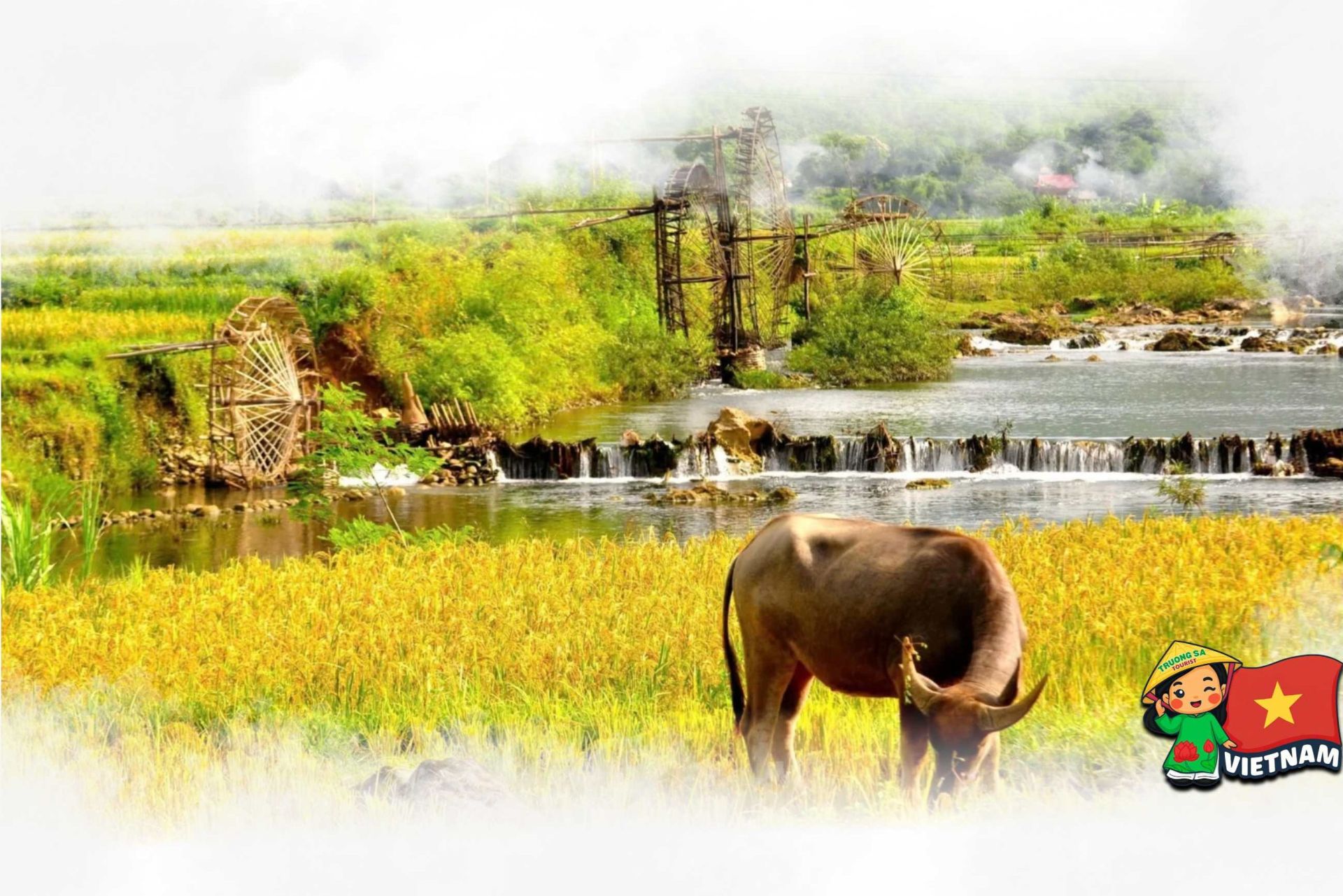
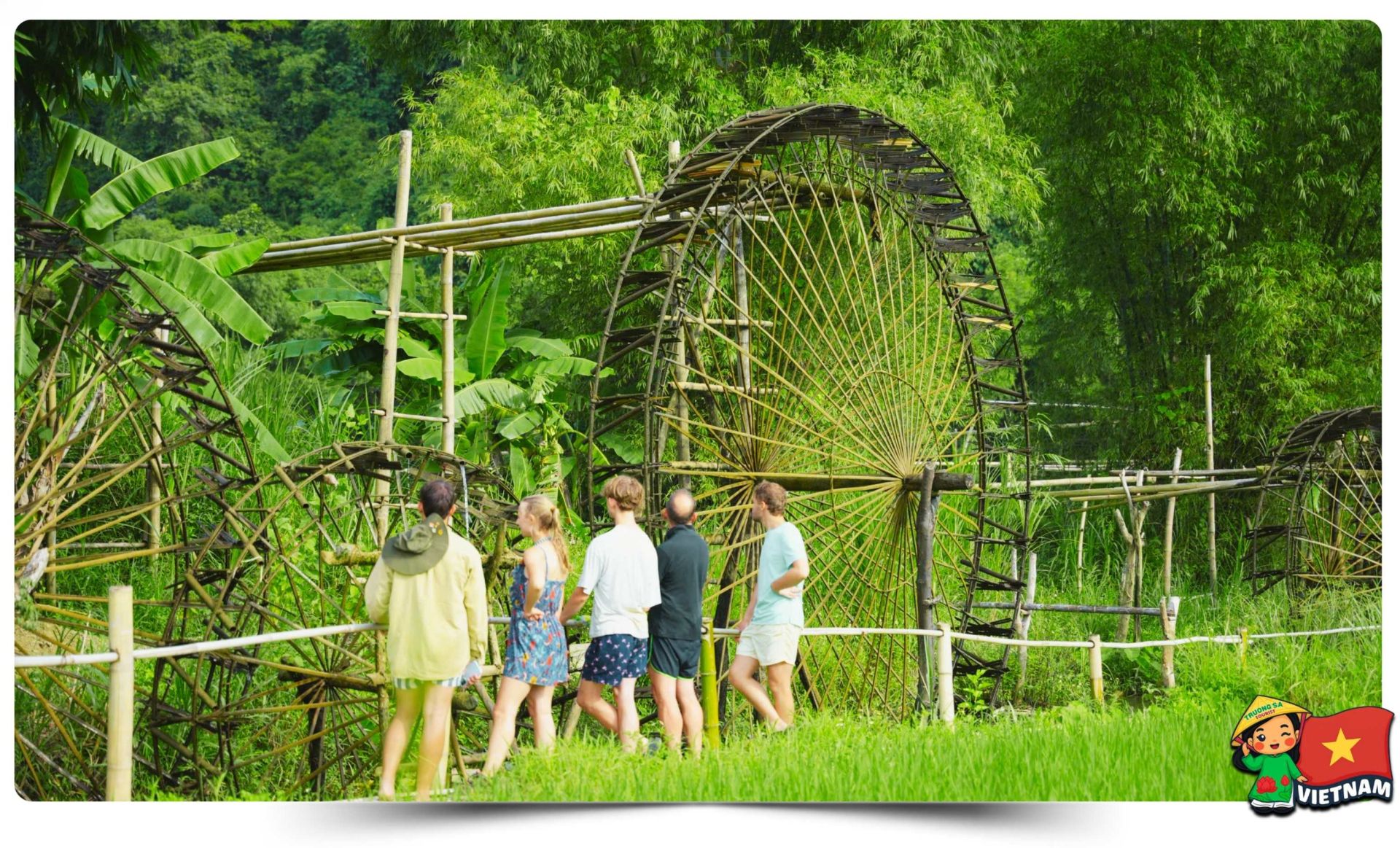
What makes Pu Luong particularly interesting is that nature here is closely intertwined with everyday life. Rice fields sit right beside villages. Traditional stilt houses are still lived in. Bamboo water wheels used to channel water to the fields remain a familiar sight.
 Pu Luong is also home to the Thai community, so the experience goes beyond scenery. Local culture, stilt-house architecture, food, and traditional agricultural practices are all part of what makes the destination distinctive.
This is one reason Pu Luong feels different from Sapa. Sapa has the advantage of higher mountains, dramatic landscapes, and a more developed tourism infrastructure. Pu Luong is smaller in scale, slower in pace, and more closely connected to the countryside.
 Best Things to Do in Pu Luong
Trek Through Villages and Rice Terraces
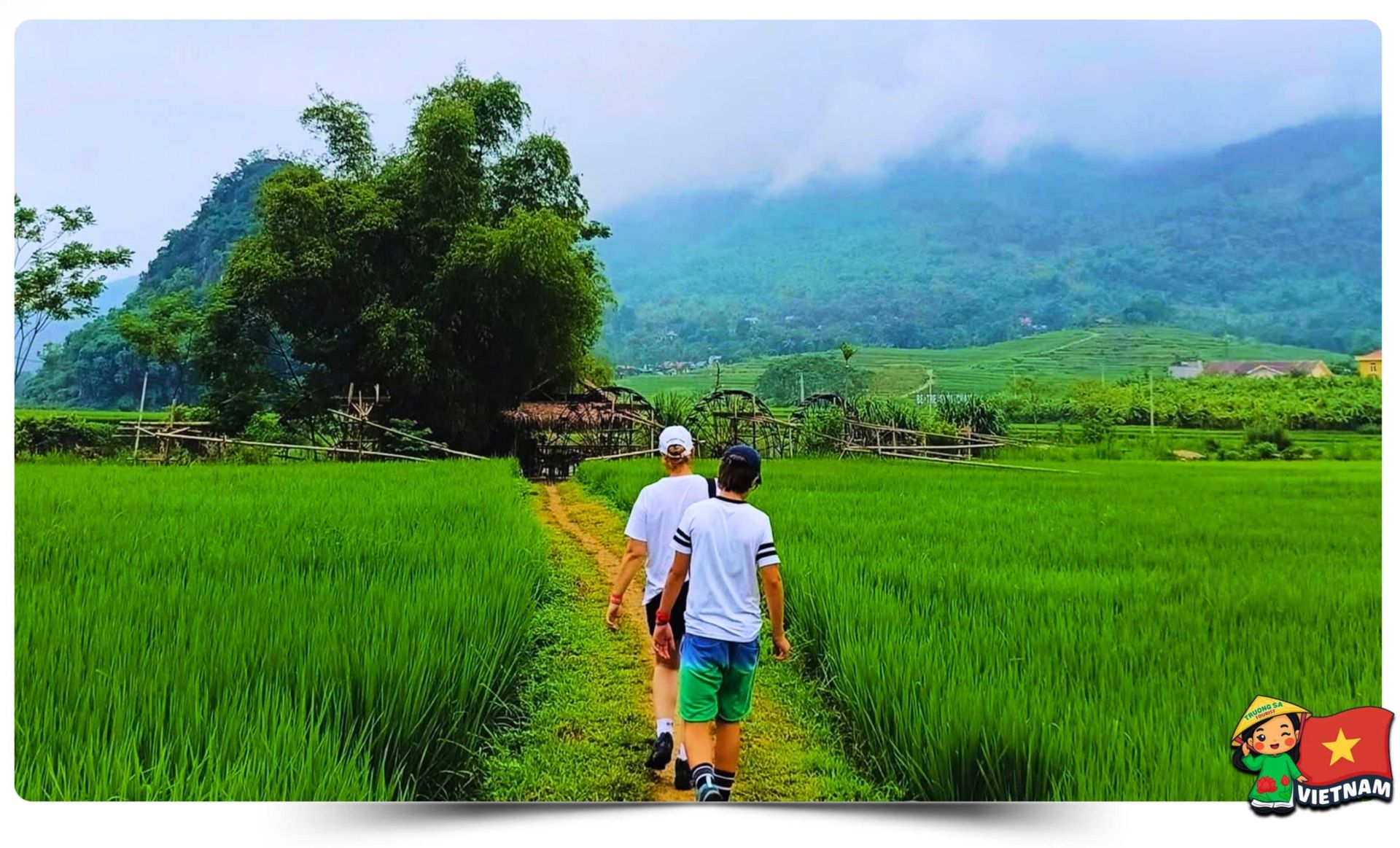 Trekking should be one of your top priorities in Pu Luong.
You do not necessarily need to choose a long or challenging route. Walking trails through villages, rice fields, and valleys are enough to give you a real sense of the landscape.
Kho Muong is a popular choice for travelers who want to explore a village tucked deeper into the mountains. Ban Don is also well suited to combining trekking with an overnight stay and community-based experiences.
The value of trekking here is not measured by how many kilometers you cover. It comes from what you encounter along the way - farmers working in the fields, buffalo grazing, traditional stilt houses, small streams, and landscapes that change with the seasons.
Experience Rural Farming Life With Local People
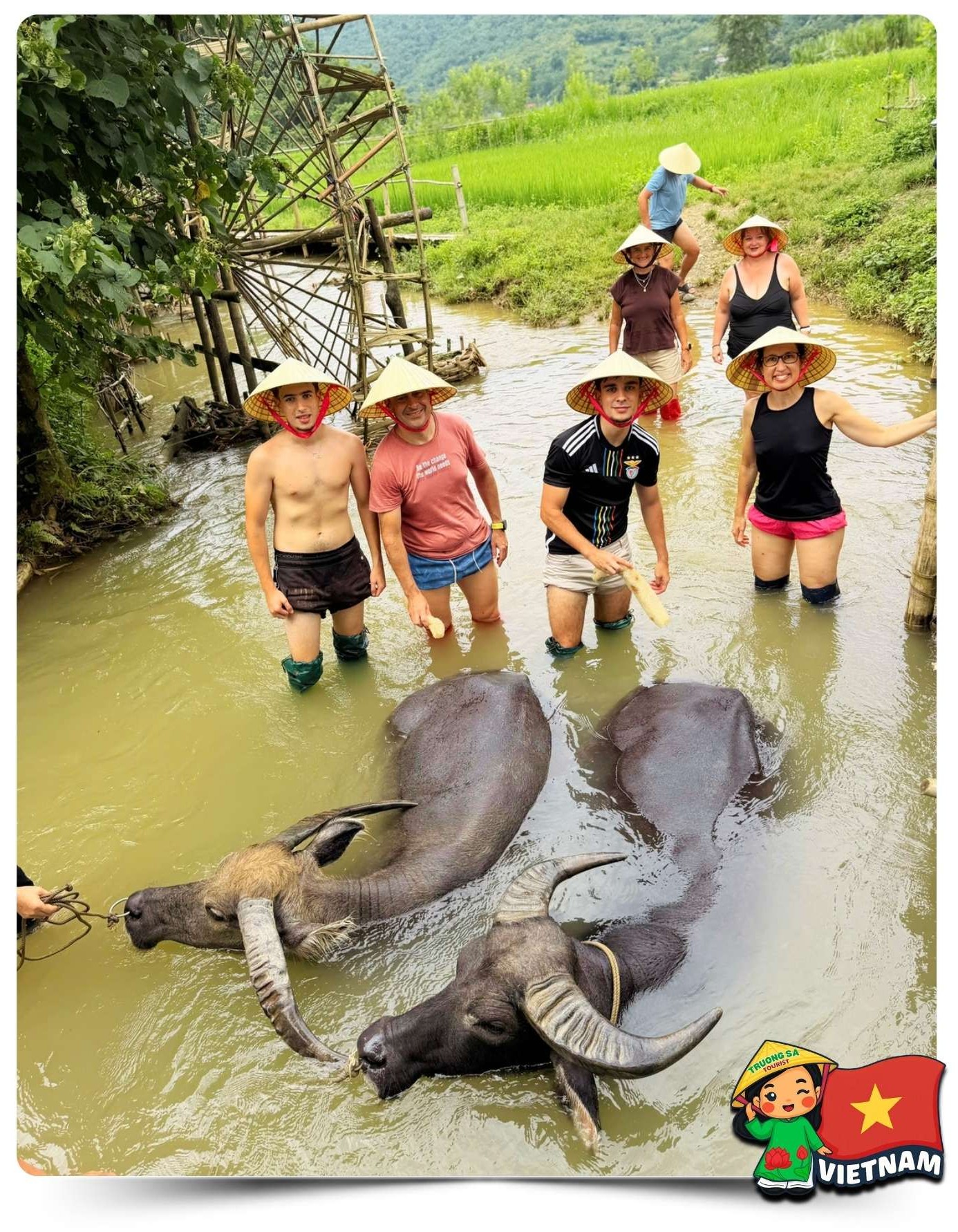
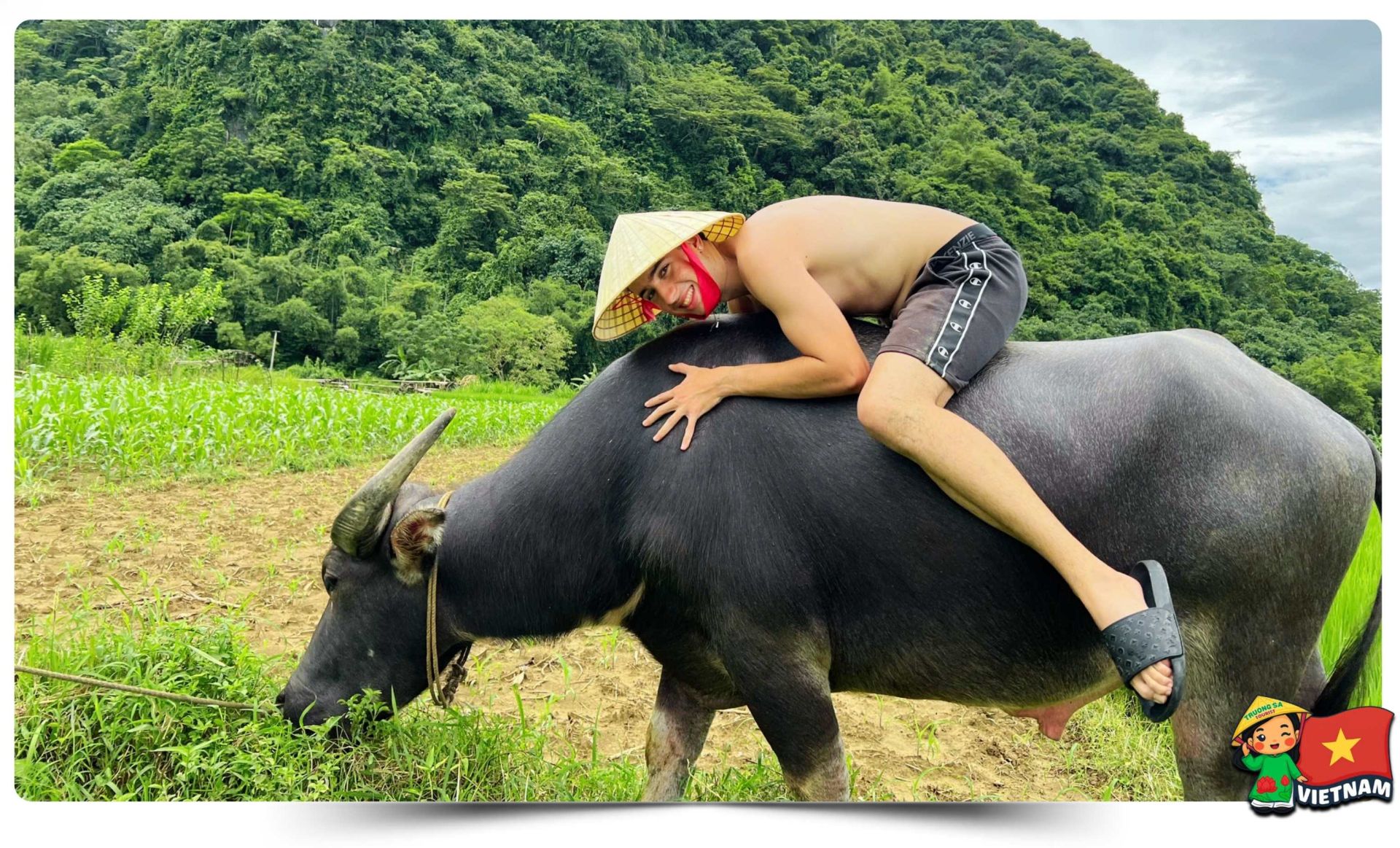
One of the most rewarding experiences to add to a Pu Luong itinerary is spending time living like a local farmer.
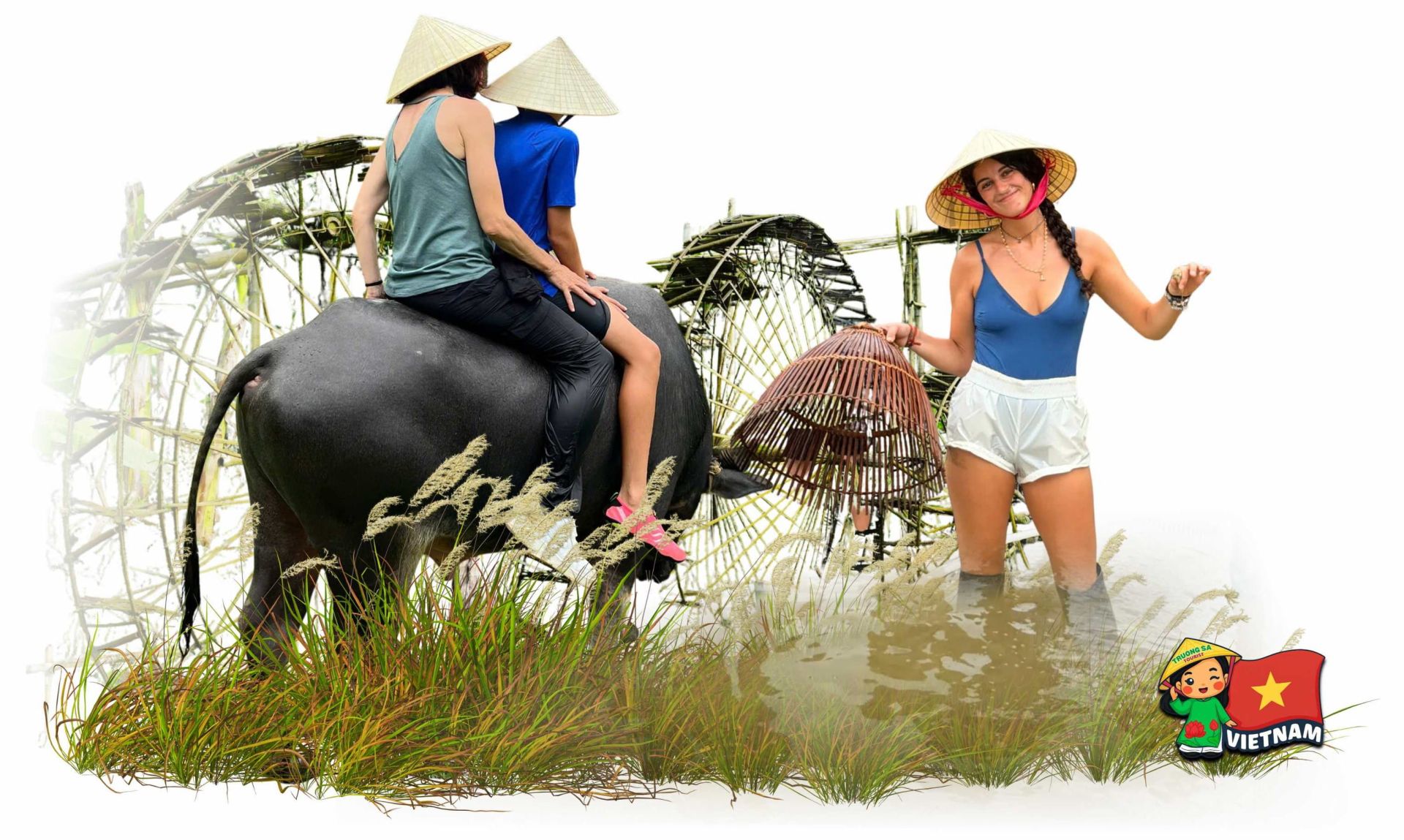
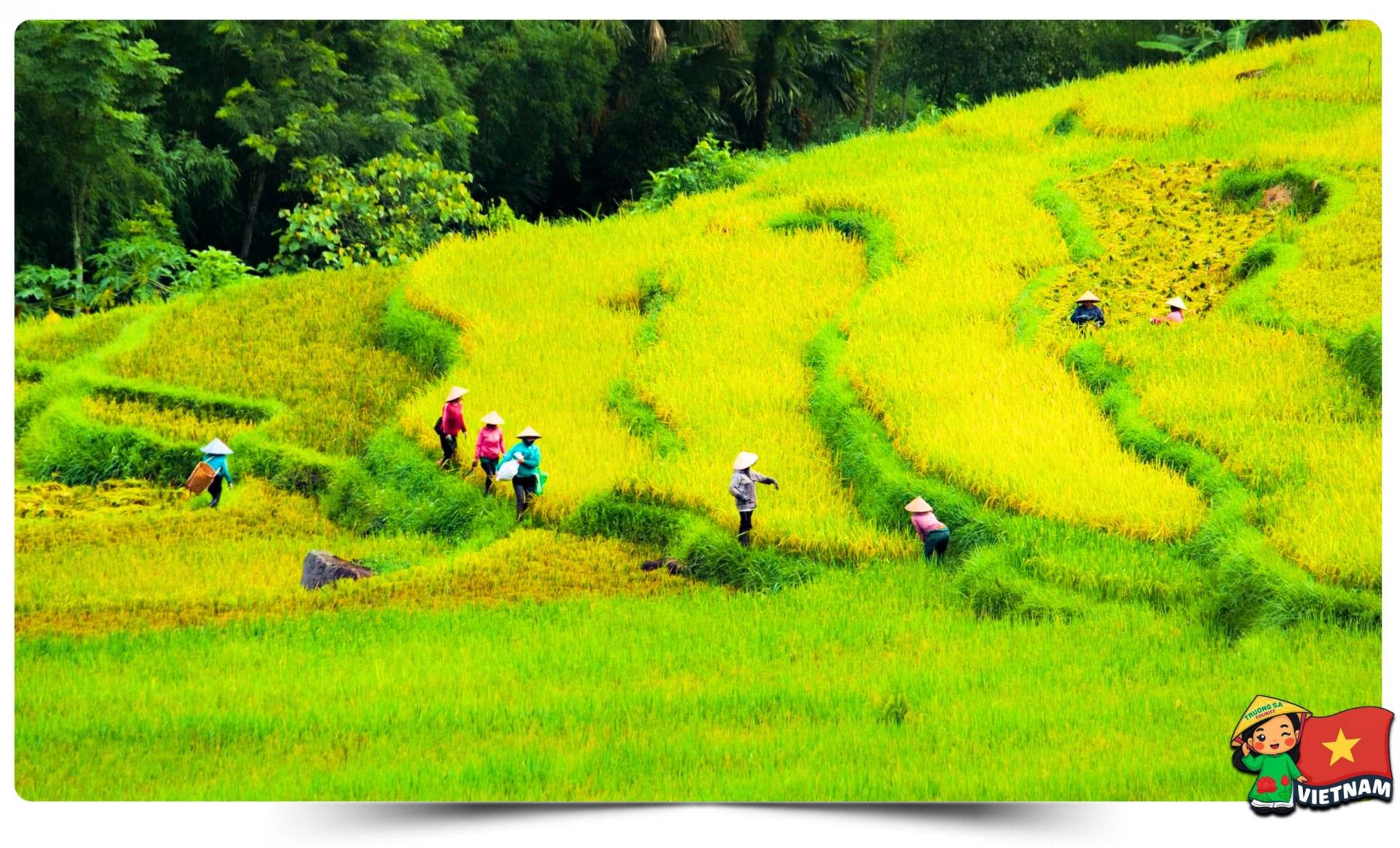
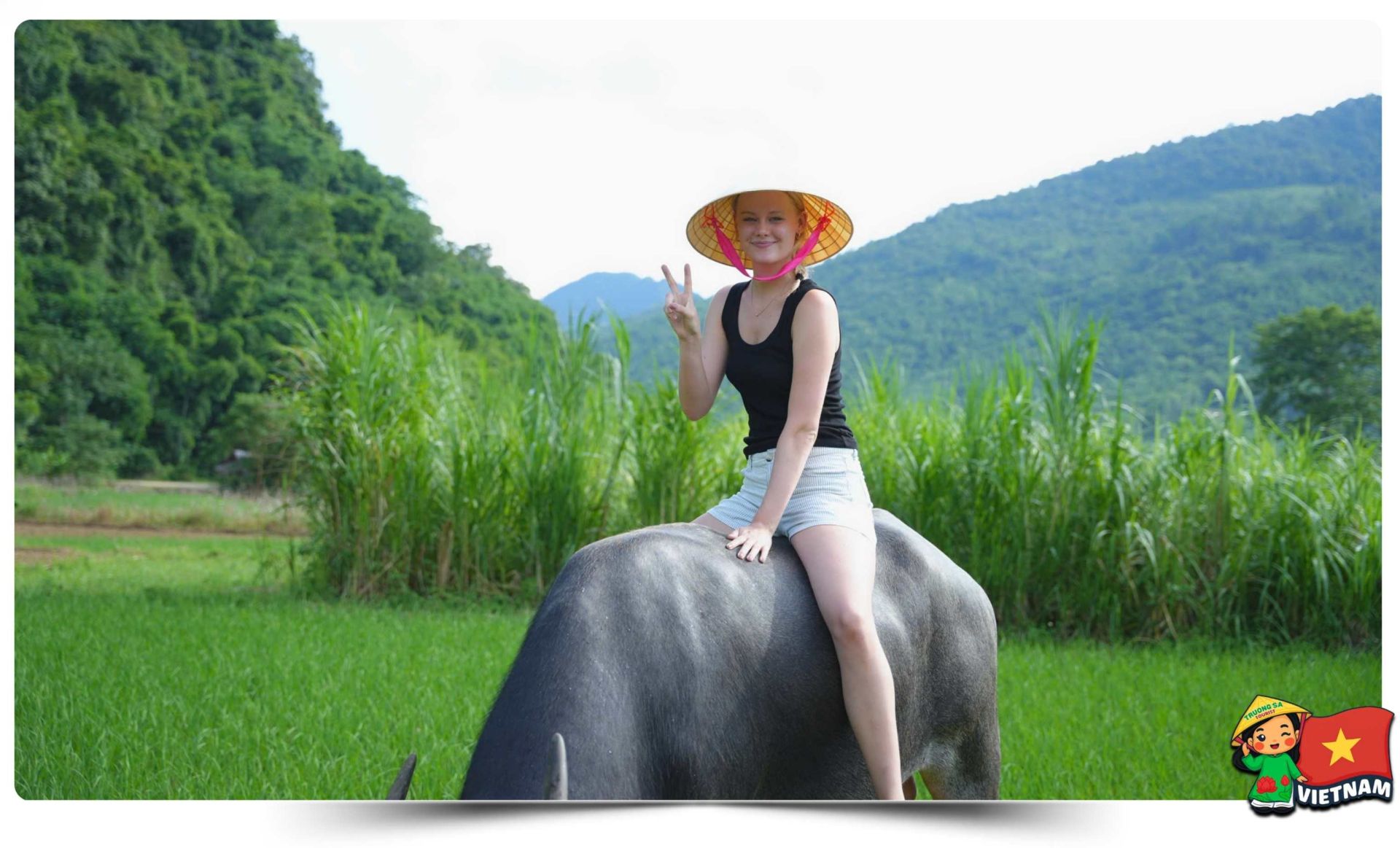
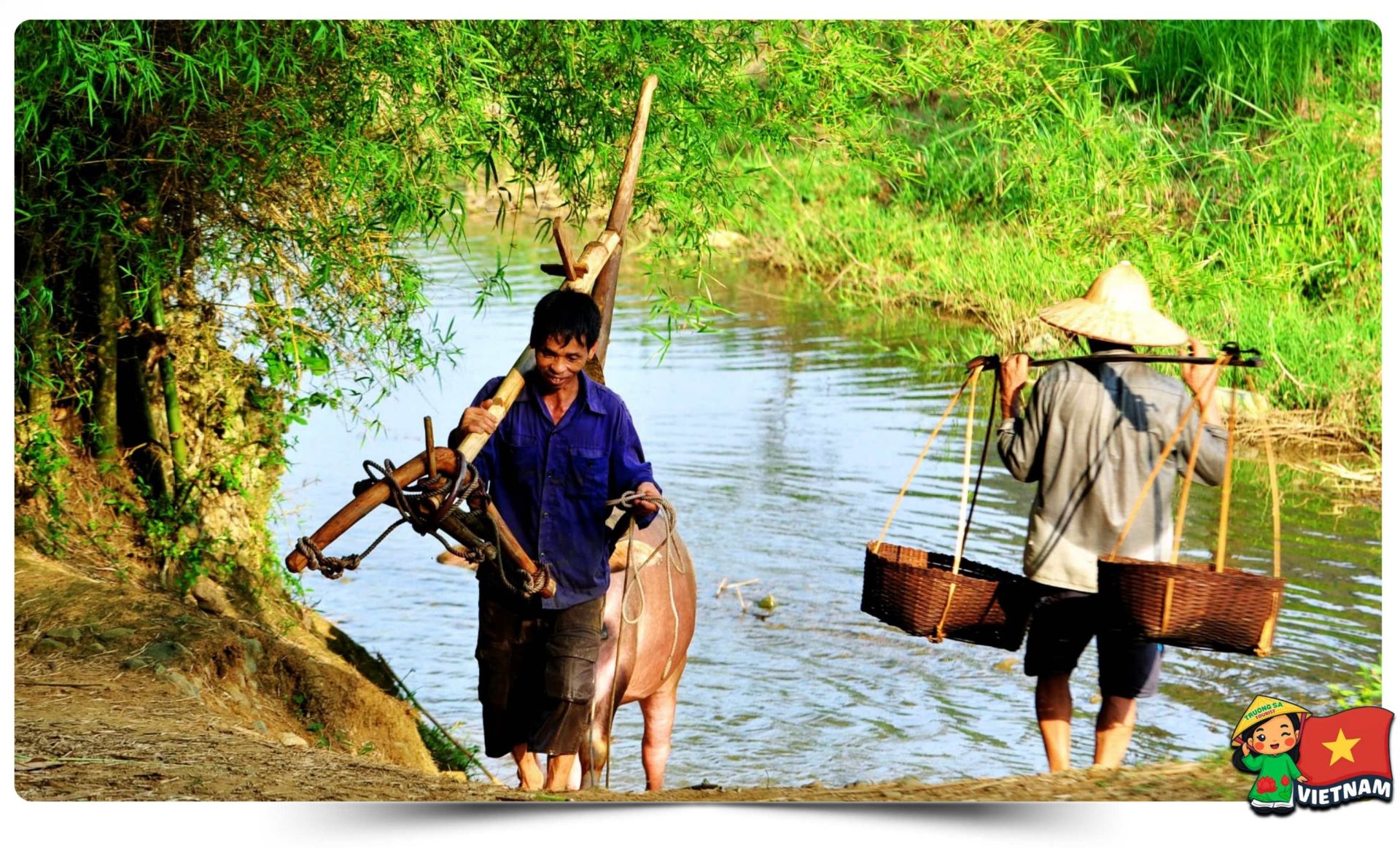
Depending on the farming season and the program offered by a particular homestay or local community, visitors may have the opportunity to take part in traditional agricultural activities such as ploughing fields with buffalo, preparing the soil, planting crops, or harvesting rice.
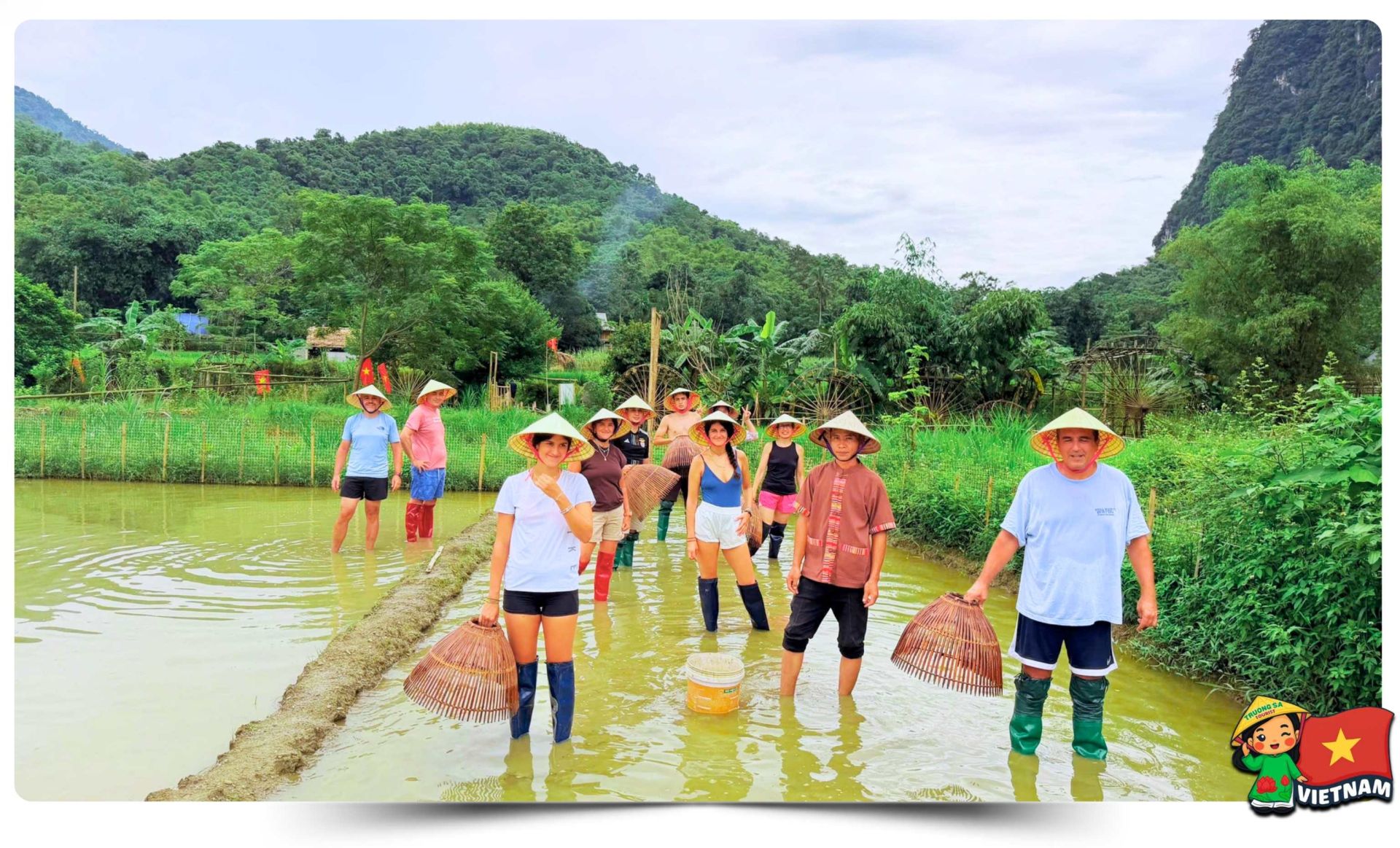 This is very different from simply standing outside a rice field and taking photographs. You actually step into the fields and gain a better understanding of the work behind the landscapes you are admiring.
For children and families, this can be especially memorable because it turns the trip into an immersive cultural experience rather than simple sightseeing. Adults also gain a better understanding of how local communities cultivate small plots of land in a mountainous environment.
In some areas, visitors may also have the chance to catch fish or experience traditional fishing methods with local people, depending on the season and actual local conditions. The catch may then become part of a local meal.
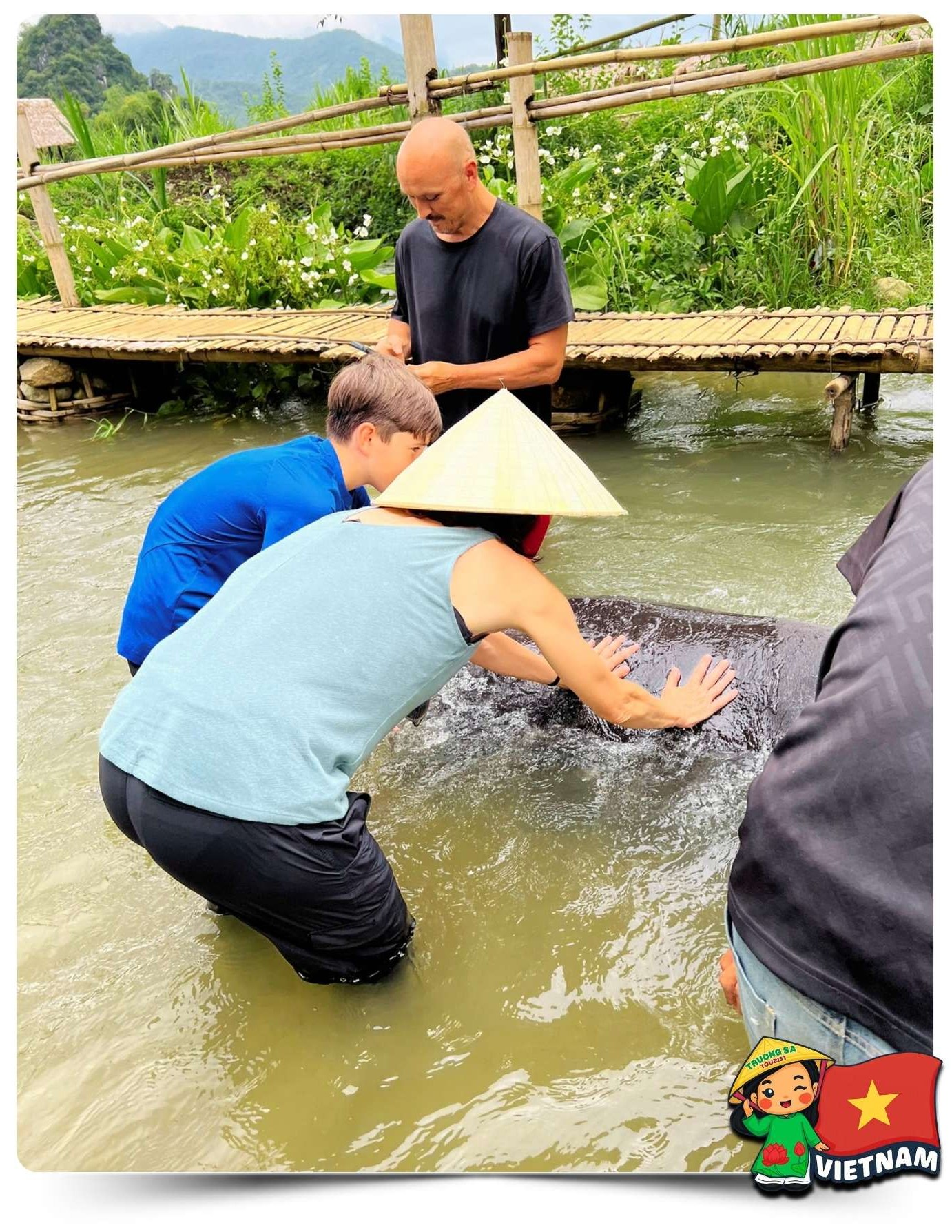
The real value is not in completing a traditional farming activity simply for the sake of saying you did it. It lies in the conversations with local people and in understanding how life in Pu Luong remains closely tied to farmland, water, and the rhythm of the seasons.
That is also why I would not recommend spending only a few hours in Pu Luong. One overnight stay combined with a hands-on farming experience can create far more lasting memories than trying to squeeze as many attractions as possible into a single day.
 Explore Kho Muong
Kho Muong is ideal for travelers who want to go deeper into Pu Luong's traditional village environment.
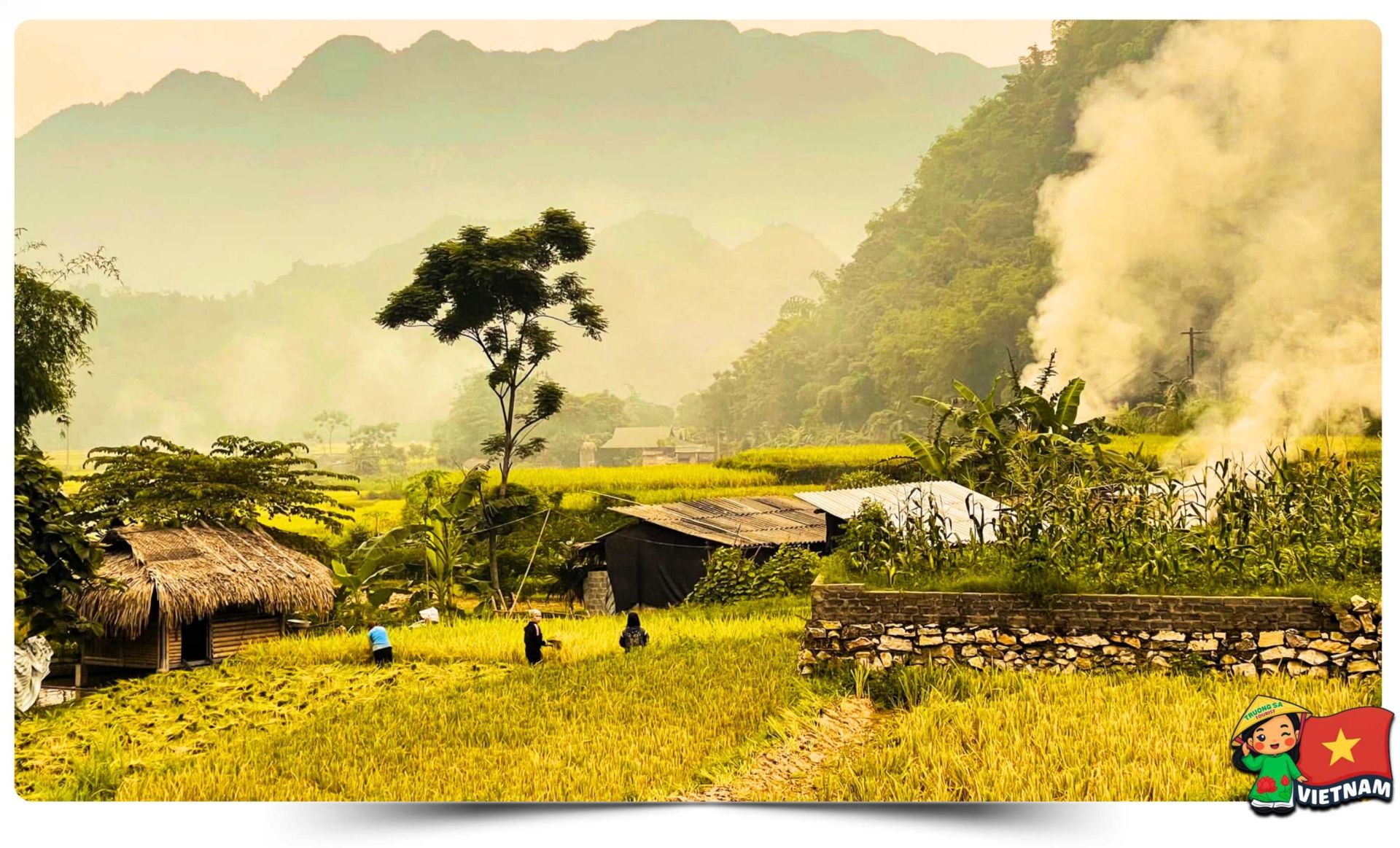 The journey into this area is already part of the experience. As you descend into the valley, the landscape opens up to reveal mountains, rice fields, and the homes of the local Thai community.
It is a place worth slowing down and observing rather than simply stopping for a quick photo.
Ban Don and Local Life
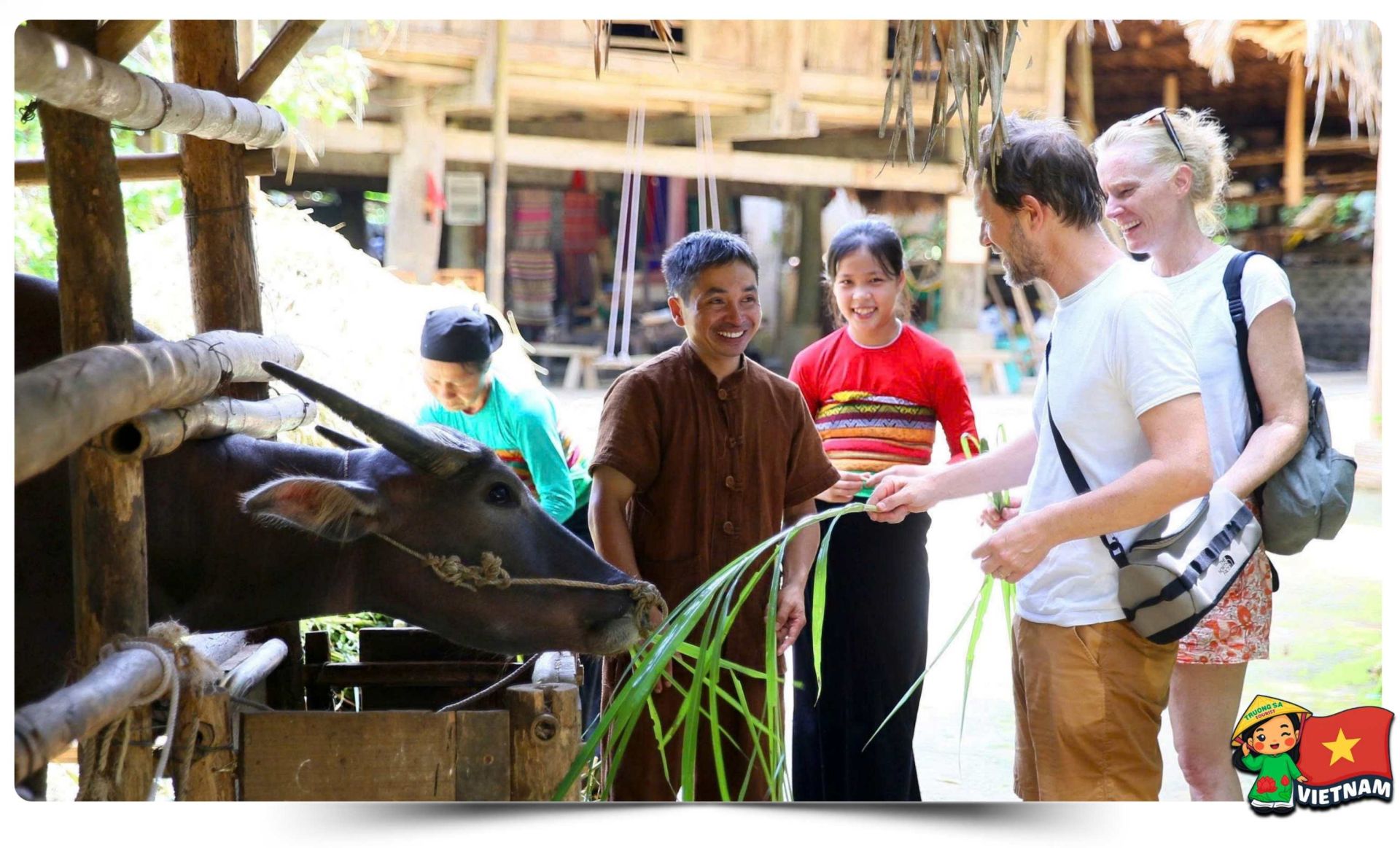 Ban Don is one of the most accessible areas for experiencing community life in Pu Luong.
You can combine a walk around the village with views of rice terraces, traditional stilt houses, and an overnight stay at a homestay or eco lodge.
If your main goal is to experience local life, I recommend spending at least one evening in the village area rather than visiting only during the day.
Bamboo Water Wheels and Bamboo Rafting
.jpg) Bamboo water wheels are one of the defining features of Pu Luong. They show how local communities have traditionally used flowing water to support agriculture in a mountainous environment.
Bamboo water wheels are one of the defining features of Pu Luong. They show how local communities have traditionally used flowing water to support agriculture in a mountainous environment.
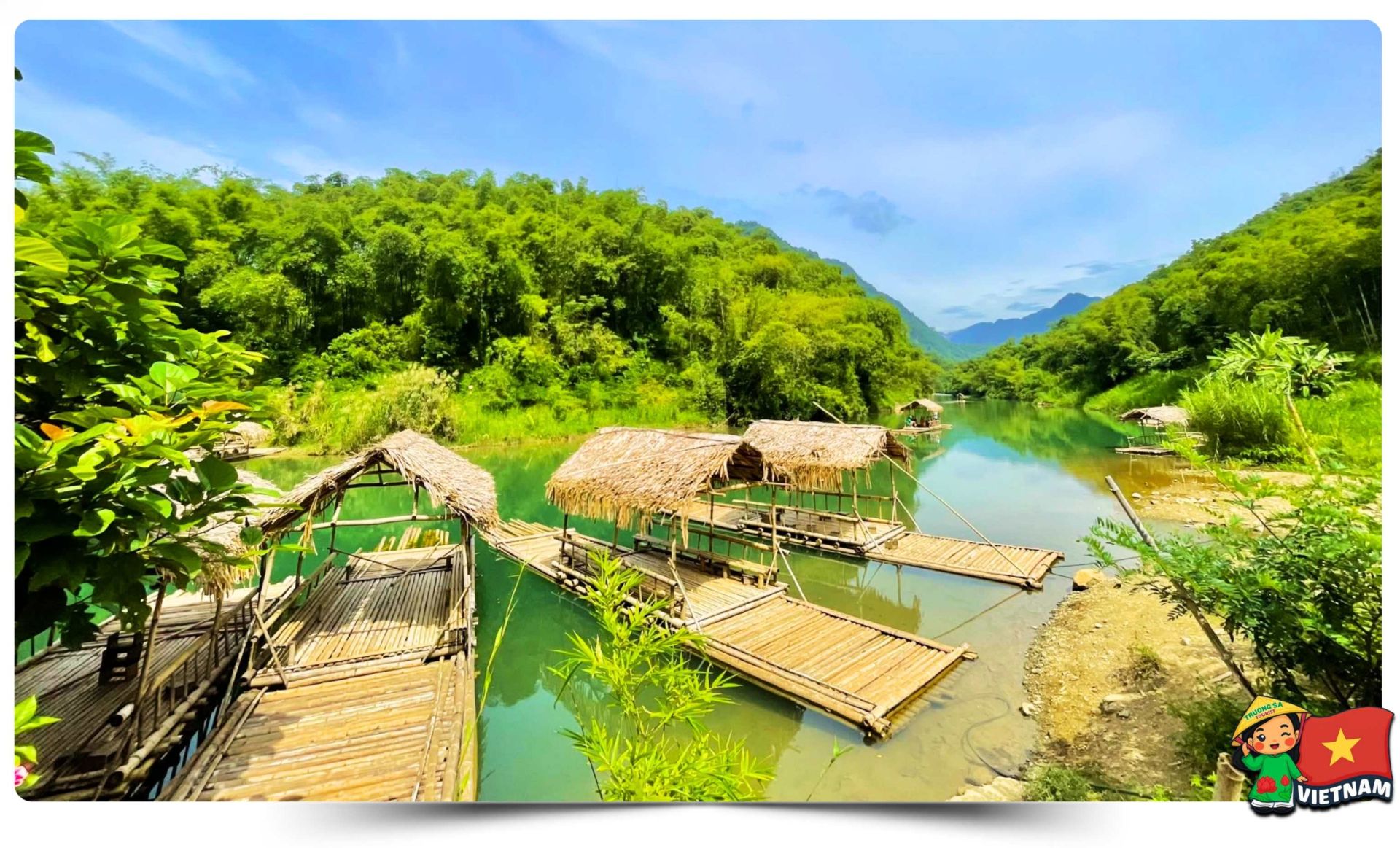
Some areas also offer activities on rivers or streams, such as bamboo rafting. This can be a relaxing option for travelers who want something lighter after a day of trekking.
Homestays and Eco Lodges
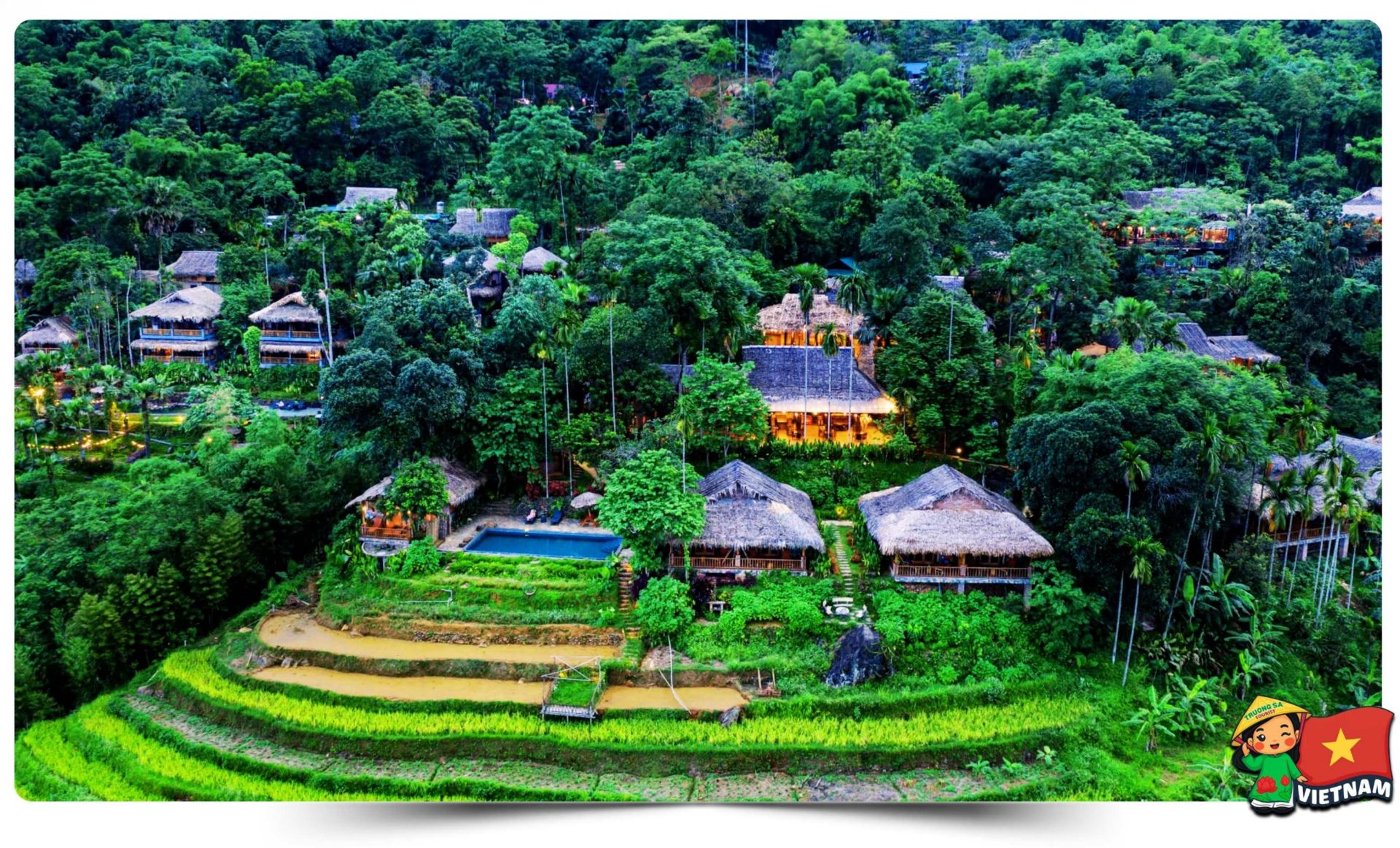 This is an aspect I value highly but that is often overlooked when planning an itinerary.
Spending a night in the Pu Luong valley allows you to experience how the atmosphere changes in the early morning and late afternoon, when day visitors have mostly left.
Whenever the itinerary allows, I would choose to stay overnight rather than return to the city on the same day.
Best Time to Visit Pu Luong
 Pu Luong is attractive throughout the year, but each season offers a different experience.
From late spring into early summer, the rice fields are typically vivid green. This is an appealing period for travelers who enjoy fresh landscapes and trekking surrounded by lush vegetation.
 Toward the end of summer and into early autumn, many travelers come to see the rice fields gradually change color. September and October are often chosen by visitors whose main goal is to see golden rice terraces.
 The rainy season can make trekking paths more slippery and may affect travel conditions in some areas. If trekking is a priority, you should consider the actual weather forecast as well as the rice-growing season before setting your dates.
There is no single "best month" for everyone. I usually recommend choosing the season based on what you want to experience first, then considering the weather and travel conditions.
How to Get to Pu Luong From Hanoi
 From Hanoi, Pu Luong is mainly reached by road.
A limousine or shared shuttle is suitable for solo travelers and couples who want a convenient option without hiring a private vehicle.
A private limousine is more suitable for families and small groups because it gives you greater flexibility with pickup times, stops, and the overall itinerary.
For groups of friends, a private limousine also makes it easier to combine Pu Luong with Mai Chau or other destinations in Northern Vietnam.

Travel time generally takes several hours and can vary depending on the route, traffic, weather, and the exact location of your accommodation. For that reason, I would not recommend planning tightly connected activities based only on an estimated travel time.
A better approach is to treat Pu Luong as one part of a broader Northern Vietnam journey rather than as a standalone day trip from Hanoi.
How Many Days Should You Spend in Pu Luong?
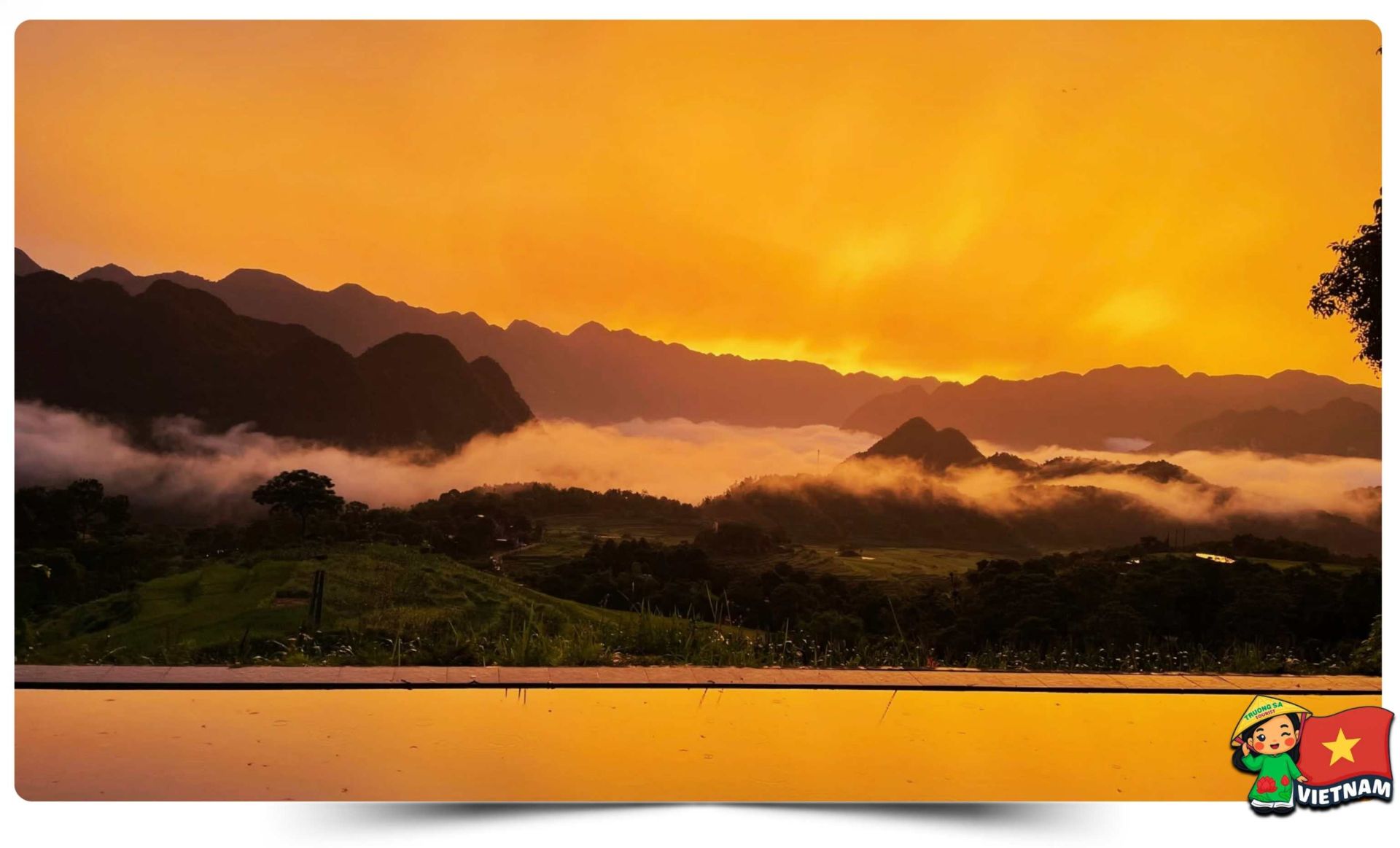 One day works for travelers with a very limited schedule. You can visit a few villages, see the rice terraces, and complete a short trekking route, but the experience will inevitably feel rushed.
Two days and one night is the most balanced option for most travelers. It gives you enough time for trekking, village exploration, and an overnight stay surrounded by nature.
Three days and two nights is better for travelers who prefer a slower pace or want to spend more time trekking. You can then explore Kho Muong, Ban Don, Hieu Waterfall, and the surrounding areas without constantly watching the clock.
Pu Luong is not a destination where you need to collect as many "check-in" spots as possible. Its value lies in the amount of time you give each place. Trying to squeeze Pu Luong into an overly short itinerary can therefore reduce the quality of the experience.
How to Combine Pu Luong With a Northern Vietnam Itinerary
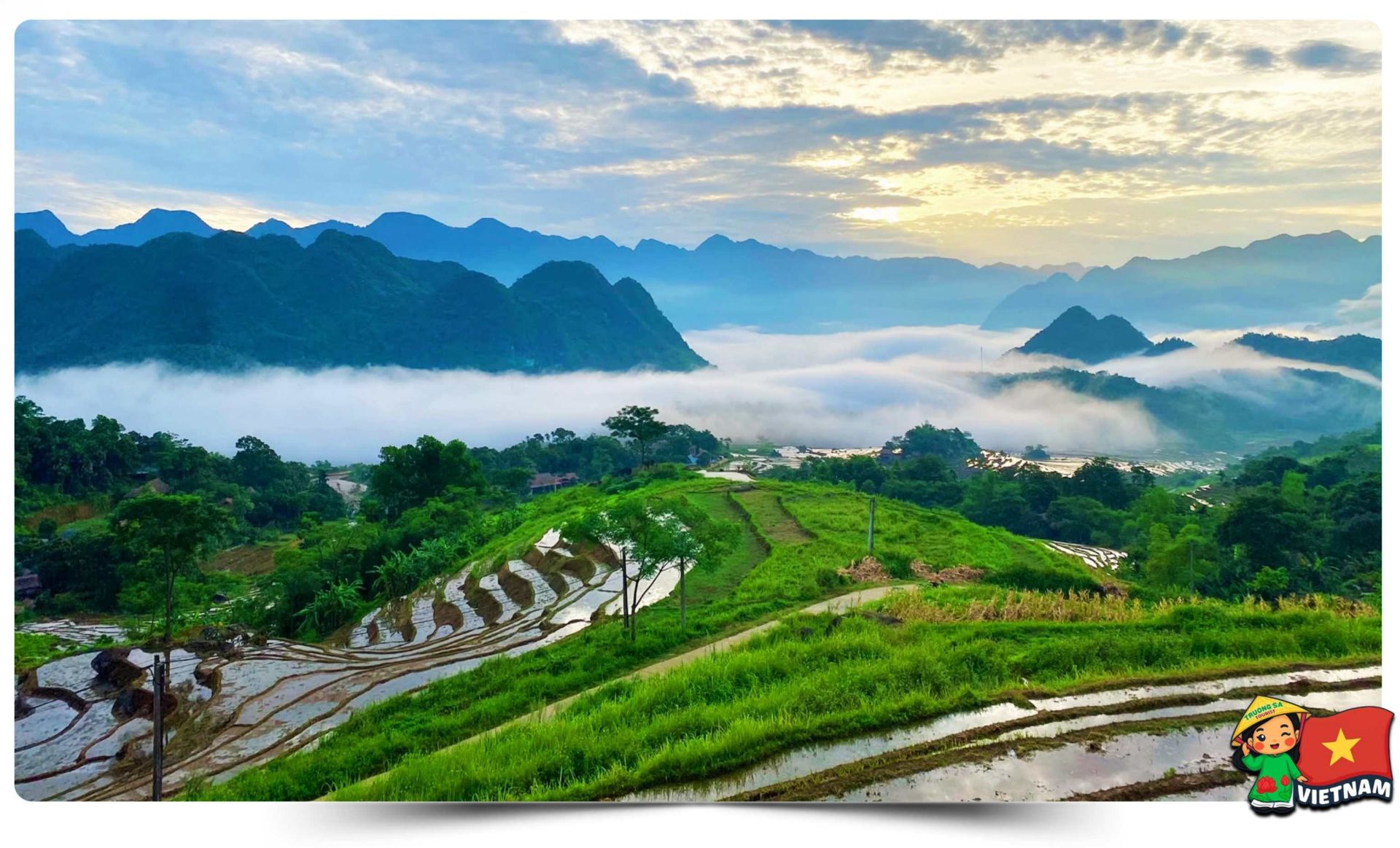 A particularly logical route is Mai Chau - Pu Luong - Ninh Binh.
Mai Chau offers valley landscapes and Thai culture. Pu Luong adds trekking, rice terraces, and rural agricultural life. Ninh Binh then provides a completely different landscape, with limestone mountains, rivers, and heritage sites.
For travelers with more time, the 12-Day Vietnam Nature & Culture Journey: Hanoi - Ha Long Bay - Ninh Binh - Pu Luong is a well-balanced option for those who want to experience Northern Vietnam's nature and culture as one connected journey.
The itinerary can connect Hanoi, Ha Long Bay, Ninh Binh, and Pu Luong Nature Reserve, while also allowing time for Kho Muong, Ban Don, Hieu Waterfall, rice terraces, and local cultural experiences.
Is Pu Luong Right for You?
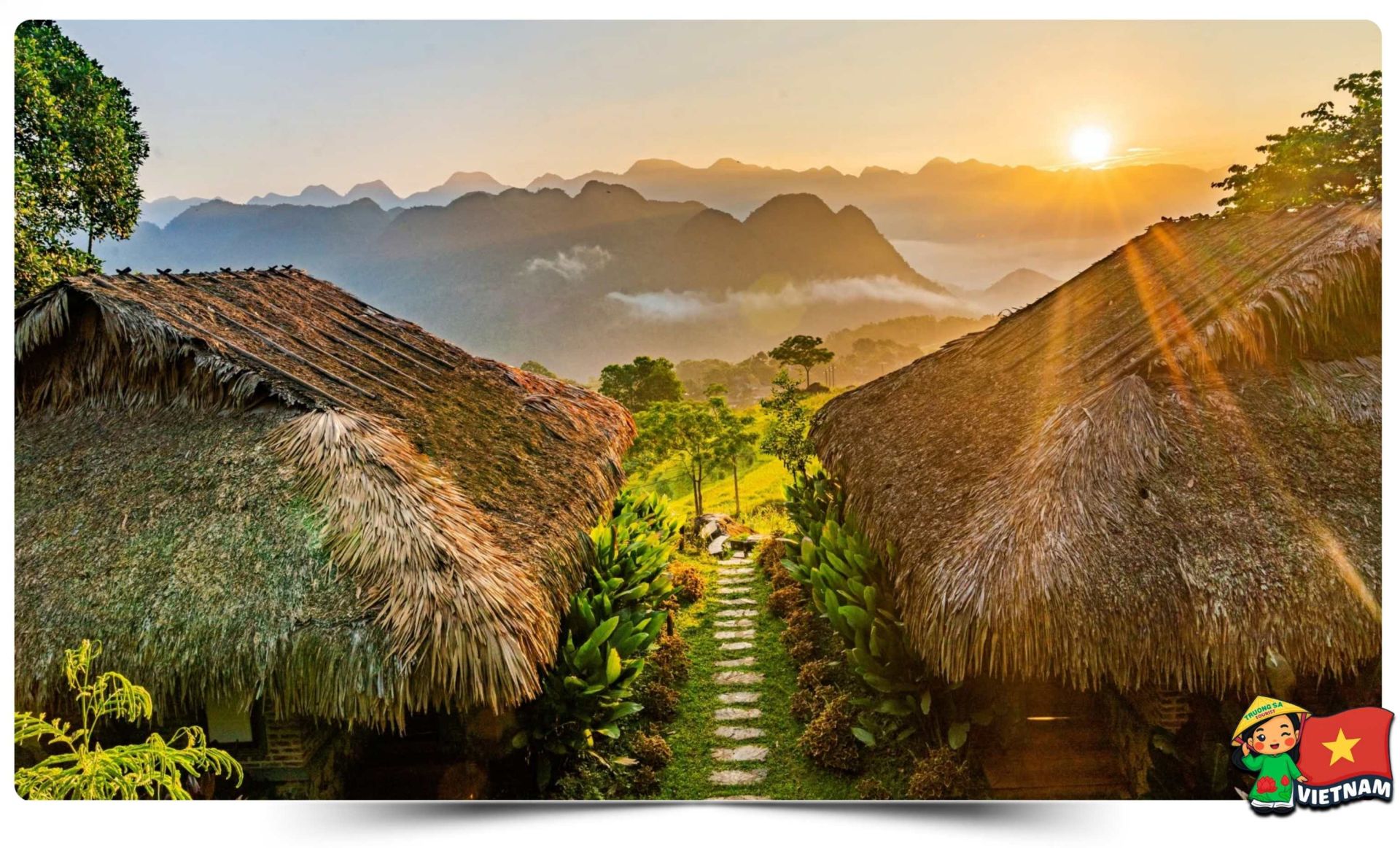 Pu Luong is a strong choice for travelers who enjoy nature, walking, photography, local culture, and a few days away from the pace of city life.
Couples, small groups, nature-loving families, and travelers looking for a deeper rural experience are likely to appreciate what Pu Luong offers.
On the other hand, Pu Luong may not be the right fit for travelers looking for nightlife, shopping, a wide range of entertainment, or a transportation and service network comparable to Vietnam's major tourist cities.
Pu Luong does not need to compete with Sapa or Mai Chau to be worth visiting. Its appeal comes from offering something different: less urbanization, a slower rhythm, and a closer connection to rural Northern Vietnam.
If you can spend at least one night, trek through the villages, and genuinely take time to observe local life, Pu Luong can be considerably more rewarding than a quick day visit.
If you would like to include Pu Luong in a complete Northern Vietnam itinerary, Truong Sa Tourist Vietnam DMC can design a private or group itinerary combining Mai Chau, Pu Luong, and Ninh Binh.
The 12-Day Vietnam Nature & Culture Journey: Hanoi - Ha Long Bay - Ninh Binh - Pu Luong is also a suitable option for travelers who want to combine nature, culture, and local experiences within one journey.