Sapa Travel Guide 2026: 15 Best Things to Do in Sapa, Vietnam

Ultimate Sapa Travel Guide 2026: Best Things to Do, Travel Tips & Itinerary
What makes millions of travelers from around the world willing to journey hundreds or even thousands of kilometers to visit a small mountain town tucked away in the far northwest of Vietnam?
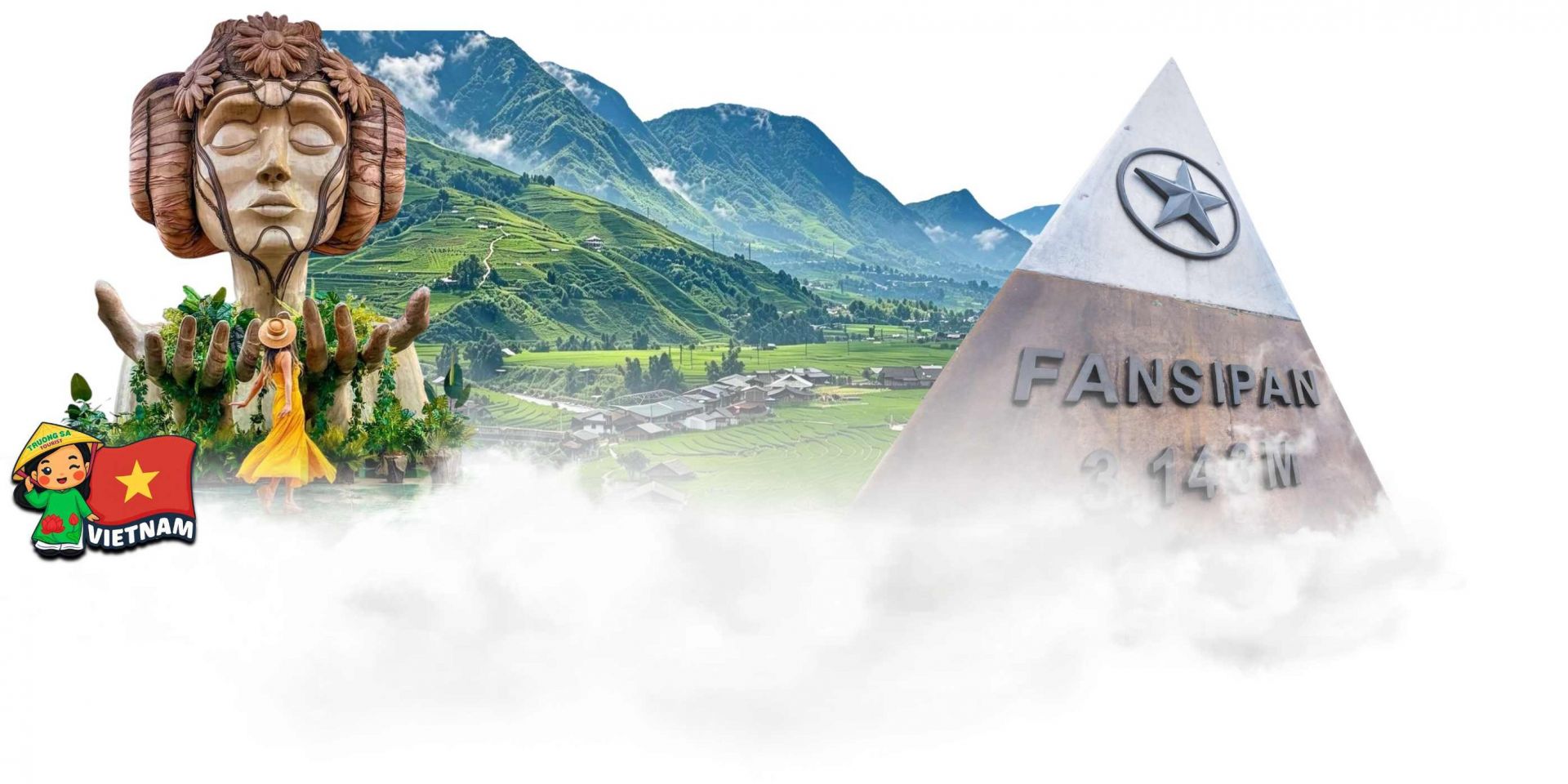
Perhaps it is the feeling of standing above a sea of clouds at sunrise on the summit of Fansipan, the highest peak in Indochina. Perhaps it is the breathtaking sight of endless rice terraces cascading down the mountainsides, widely regarded as some of the most beautiful in Asia. Or maybe it is simply the peaceful experience of sipping a hot cup of coffee while majestic mountains slowly emerge through the mist that has become synonymous with Sapa.
If you are searching for an authentic Vietnam travel experience away from crowded tourist hotspots, Sapa offers the perfect blend of untouched natural beauty, rich ethnic culture, and unforgettable experiences that are difficult to find anywhere else in the country.
In this Sapa Travel Guide 2026, you will find everything you need to plan the perfect trip, including the best time to visit, top attractions, practical travel tips, suggested itineraries, and the 15 best things to do in one of Vietnam’s most captivating destinations.
Why Visit Sapa in 2026?
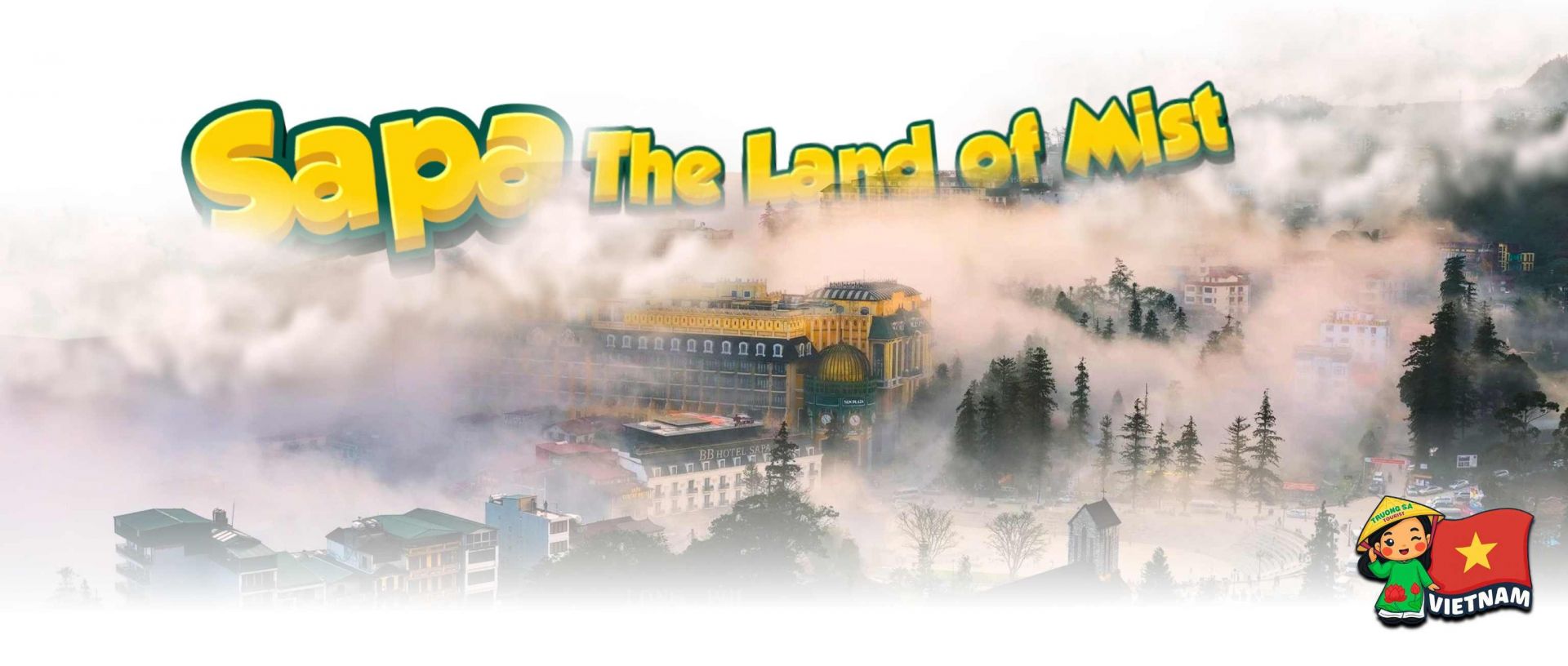
Sapa is a charming mountain town located in Lao Cai Province in northwestern Vietnam, sitting at an altitude of approximately 1,500 to 1,650 meters above sea level. Thanks to the modern Hanoi - Lao Cai Expressway, travelers can reach Sapa from Hanoi in just five to six hours.
What sets Sapa apart from many other destinations in Vietnam is its unique combination of spectacular landscapes and vibrant ethnic culture. The region is home to several ethnic minority communities, including the Hmong, Red Dao, Tay, Giay, and Xa Pho people. Each group preserves its own traditions, customs, colorful clothing, languages, and handicraft techniques that have been passed down through generations.
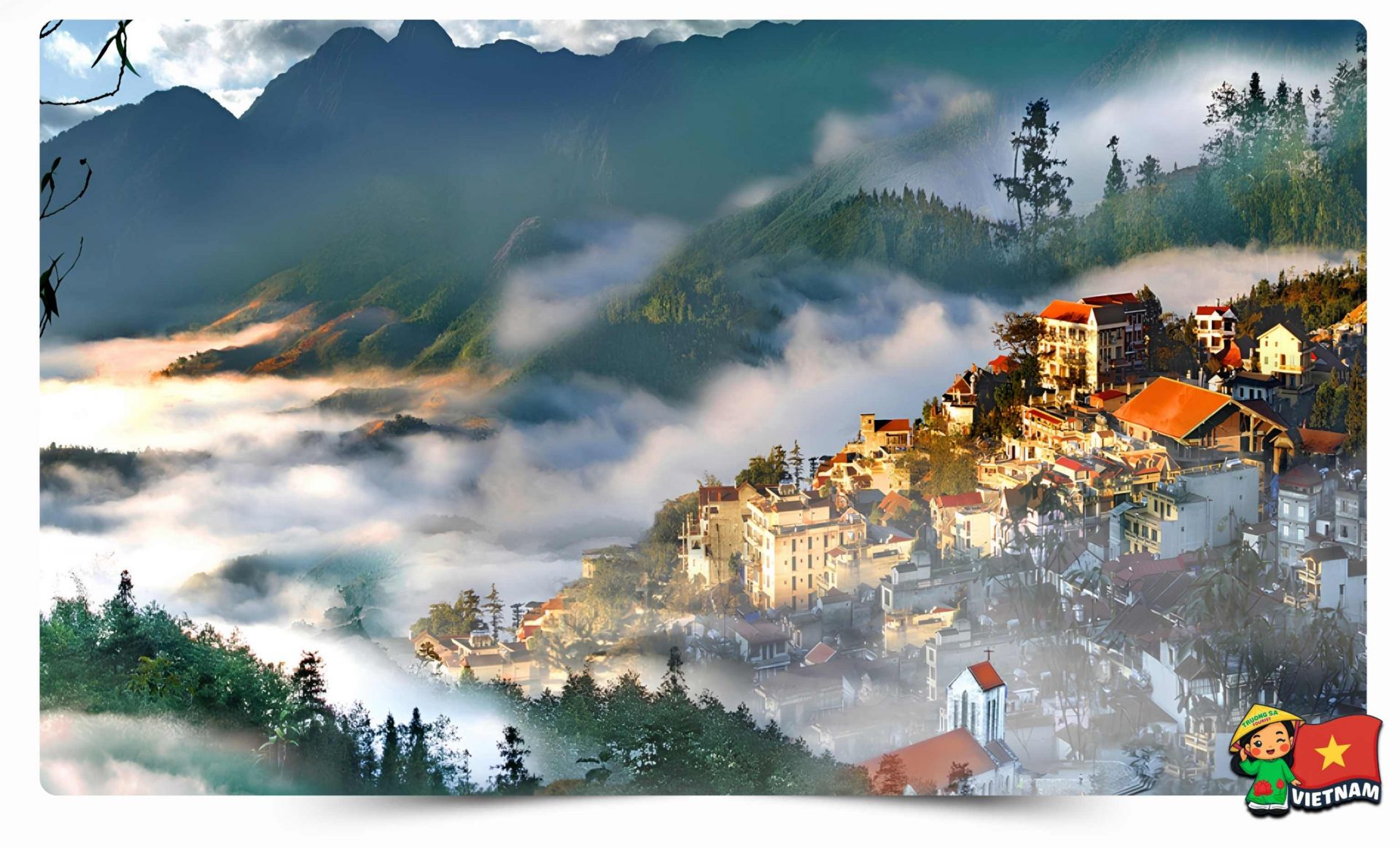 Over the past decade, Sapa has evolved beyond being solely a destination for trekking enthusiasts. Luxury mountain resorts, cloud-hunting cafés, scenic mountain railways, and the modern Fansipan cable car system have made the region accessible to travelers of all ages and travel styles.
The years 2026 and 2027 are expected to be particularly attractive for visiting Sapa. Tourism infrastructure continues to improve while many villages and rural landscapes remain remarkably authentic. Visitors can enjoy cool temperatures throughout the year, explore some of Vietnam’s most impressive rice terrace landscapes, and immerse themselves in a slower pace of life surrounded by mountains and forests.
Unlike Vietnam’s larger tourist cities, Sapa still retains a sense of tranquility that encourages travelers to return again and again.
 Best Time to Visit Sapa
One of the most common questions travelers ask when planning a trip to Sapa is: When is the best time to visit?
The truth is that every season offers a completely different perspective on this beautiful mountain destination.
Spring (February to April)
- Spring is one of the most picturesque times of the year in Sapa. Peach blossoms, plum blossoms, and a variety of mountain flowers bloom across the valleys and hillsides, creating colorful landscapes wherever you look.
- Temperatures are mild, rainfall is relatively low, and the air is fresh and pleasant. This season is ideal for travelers who enjoy natural scenery and wish to experience traditional festivals celebrated by local ethnic communities.
Summer (May to August)
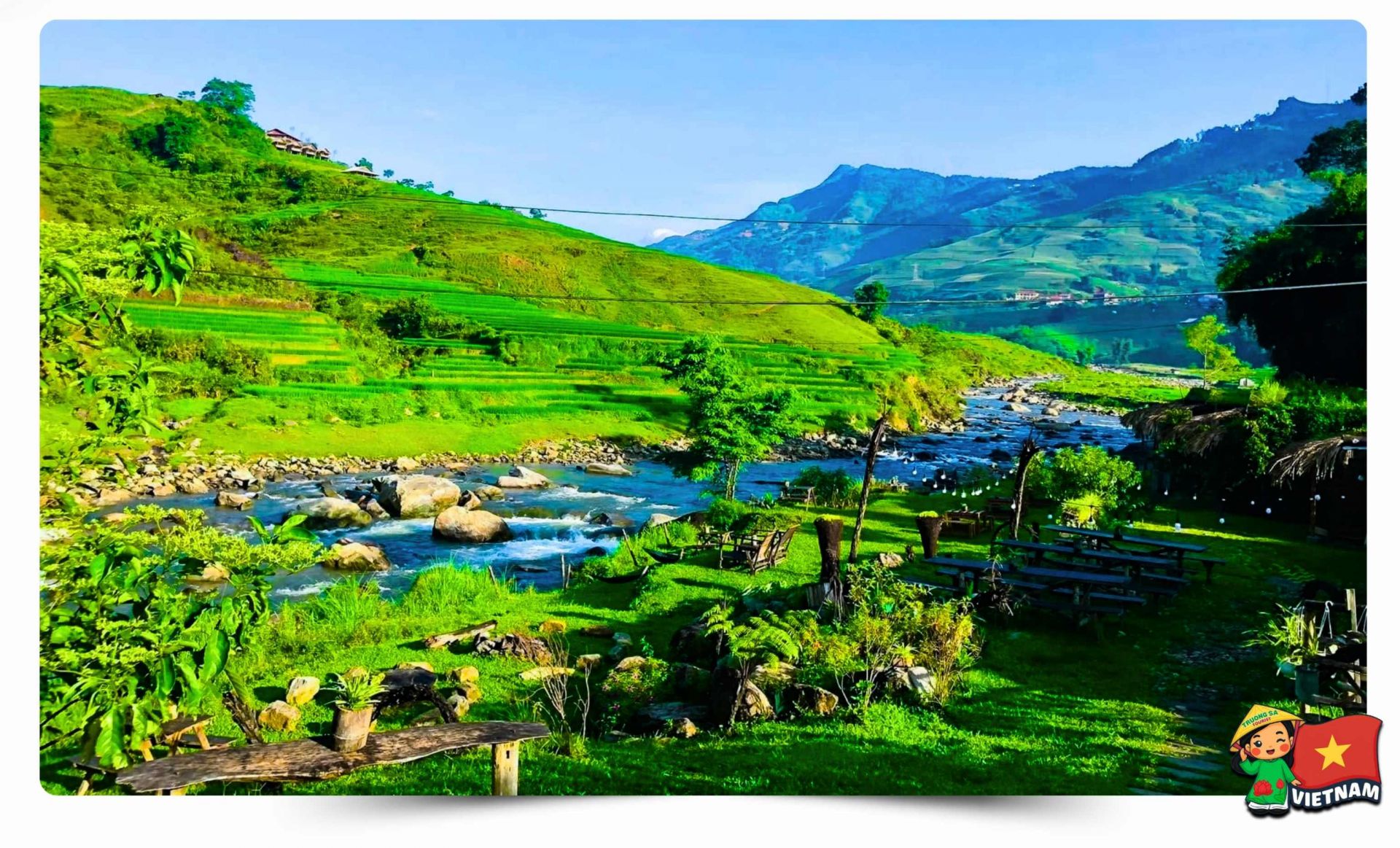
- Summer marks the famous water-pouring season and the lush green season of Sapa’s rice terraces.
- During this period, farmers flood the terraces in preparation for planting rice. Under the sunlight, the fields reflect the sky like giant mirrors stretching across the mountainsides, creating some of the most dramatic landscapes in northern Vietnam.
- While much of Vietnam experiences intense summer heat, Sapa remains considerably cooler, making it a popular escape for domestic travelers. However, this is also one of the busiest times of the year, so expect larger crowds at major attractions.
 Autumn (September to Early October)
For many travelers and photographers, autumn is undoubtedly the best time to visit Sapa.
- From September to early October, the rice terraces transform into spectacular golden landscapes that cover entire valleys and mountainsides. The scenery during harvest season is so stunning that it attracts photographers and travel enthusiasts from around the world.
- The weather is generally stable, visibility is excellent, and the famous terraced fields reach their most beautiful stage of the year.
If you can only visit Sapa once, this is the season most experts would recommend.
 Winter (November to January)
Winter brings an entirely different atmosphere to Sapa.
Dense fog often blankets the mountains, temperatures can drop below 5°C, and on rare occasions frost or even snowfall may occur. The chilly weather creates a magical and mysterious ambiance that feels unlike anywhere else in Vietnam.
For travelers who enjoy cold weather, mountain scenery, and unique seasonal experiences, winter can be an incredibly rewarding time to visit.
So, When Should You Visit Sapa?
If your goal is to experience Sapa at its absolute best, September and October remain the top choices. The combination of golden rice terraces, pleasant weather, and breathtaking mountain views makes this period the highlight of the year.
However, regardless of when you visit, Sapa always offers something special. From spring blossoms and emerald-green terraces to autumn harvests and misty winter mornings, every season reveals a different side of this remarkable destination.
.jpg)
15 Best Things to Do in Sapa, Vietnam
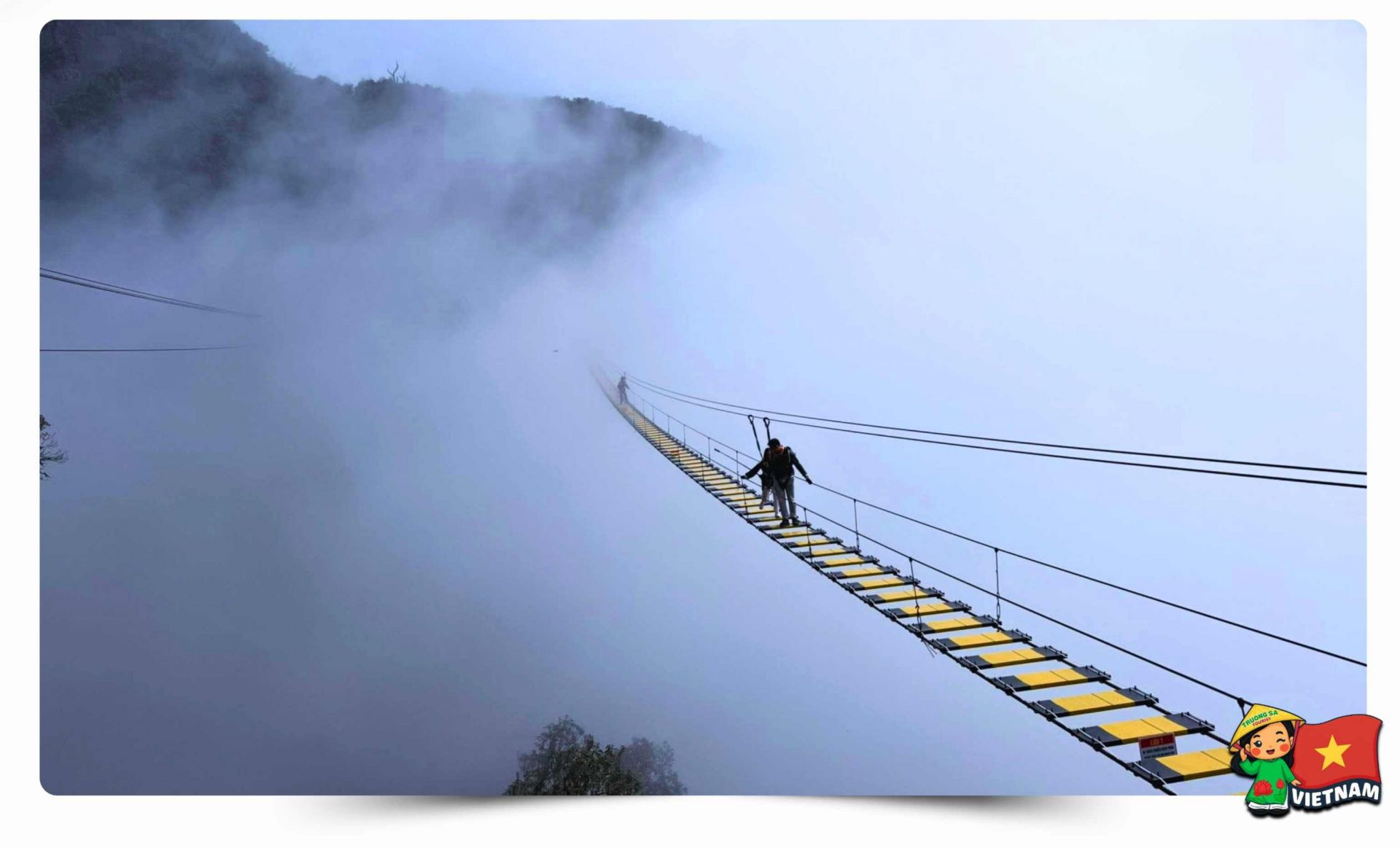
1. Experience Thrilling Adventures at Rong May Glass Bridge
Located along the legendary O Quy Ho Pass, approximately 18 kilometers from Sapa Town, Rong May Glass Bridge (Dragon in Cloud Glass Bridge) has become one of the most exciting attractions in Northwest Vietnam for adventure seekers.
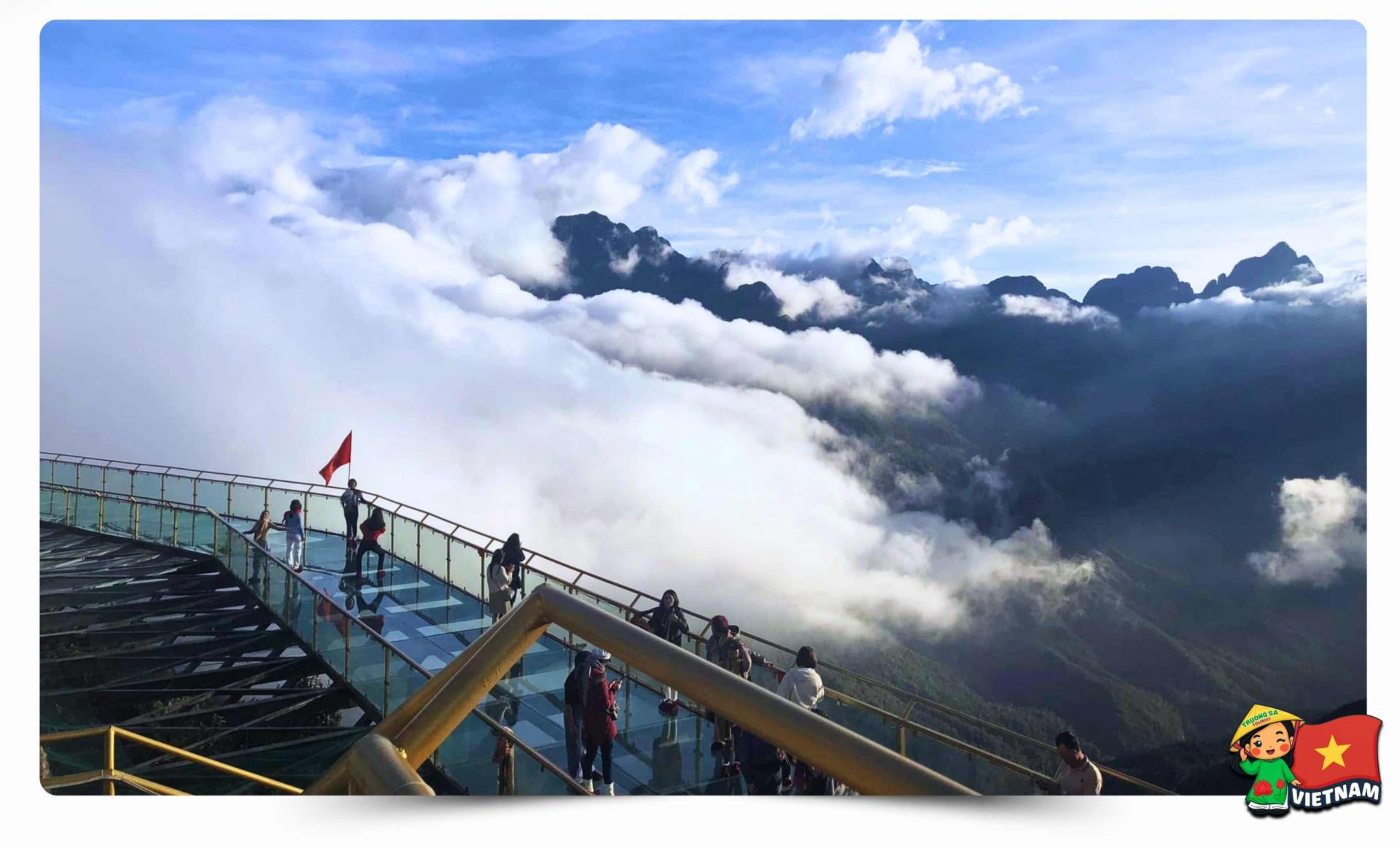 The highlight of the complex is its transparent glass bridge suspended thousands of meters above sea level, offering breathtaking panoramic views of deep valleys and the majestic Hoang Lien Son mountain range. On clear days, visitors can witness an endless sea of clouds floating beneath their feet, creating an unforgettable sensation of walking above the sky.
.jpg) Beyond the glass bridge itself, the attraction features a variety of adrenaline-pumping activities, including mountain ziplining, bungee jumping, sky cycling, aerial balance challenges, and other high-altitude experiences.
Beyond the glass bridge itself, the attraction features a variety of adrenaline-pumping activities, including mountain ziplining, bungee jumping, sky cycling, aerial balance challenges, and other high-altitude experiences.
For travelers looking for something beyond trekking, cloud hunting, or visiting ethnic villages, Rong May Glass Bridge provides a completely different perspective on Sapa's dramatic landscapes.
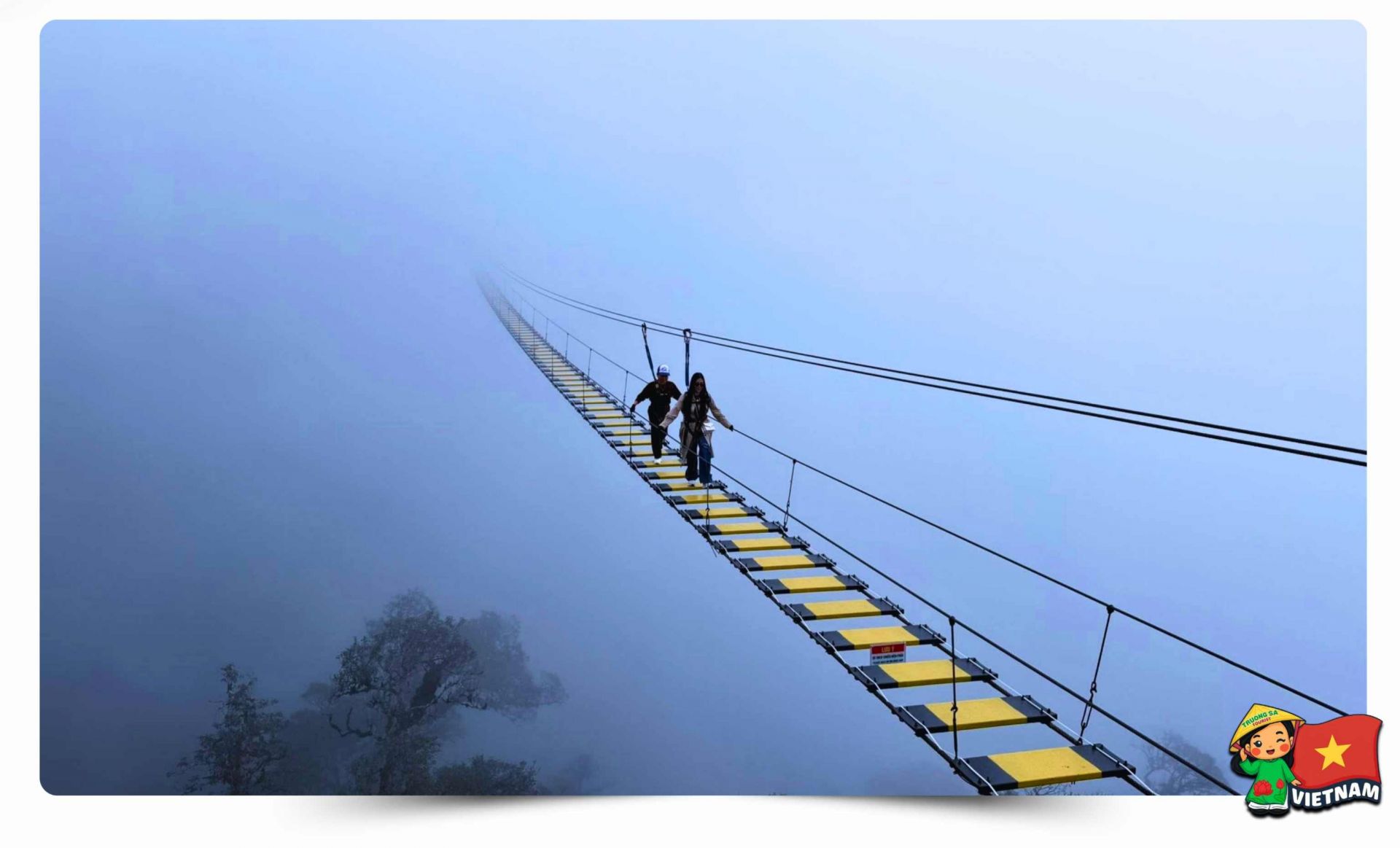 The combination of stunning scenery and modern adventure activities has made this attraction increasingly popular among visitors exploring Sapa in 2026, particularly younger travelers, families with older children, and outdoor enthusiasts.
2. Conquer the Legendary Fansipan Peak
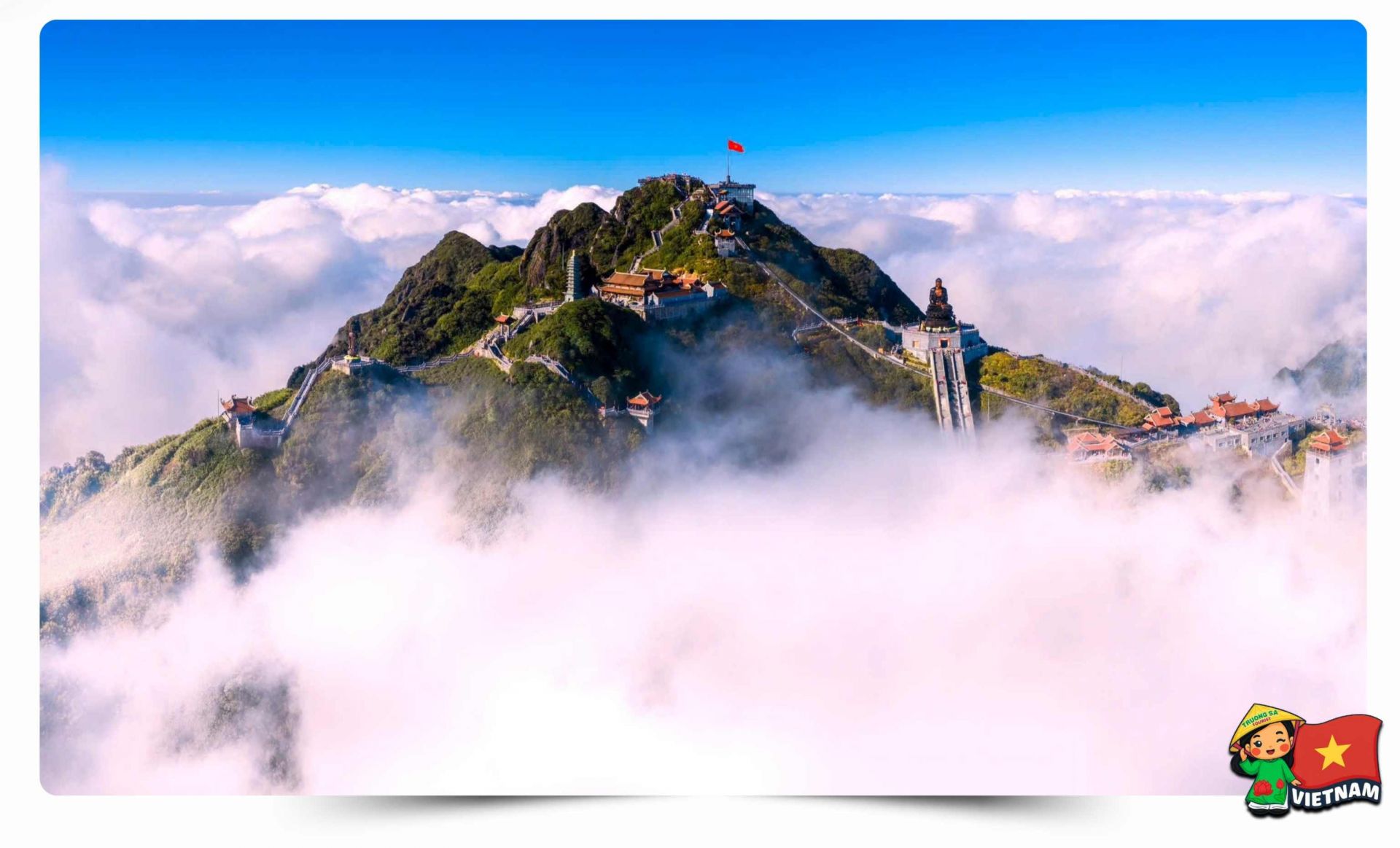 Known as the "Roof of Indochina," Fansipan stands at 3,143 meters above sea level and remains the most iconic symbol of Sapa tourism.
In the past, reaching the summit required a challenging multi-day trek through dense forests and rugged mountain terrain. Today, a modern cable car system allows visitors to access the peak in approximately 15 minutes, making the experience available to travelers of all ages.
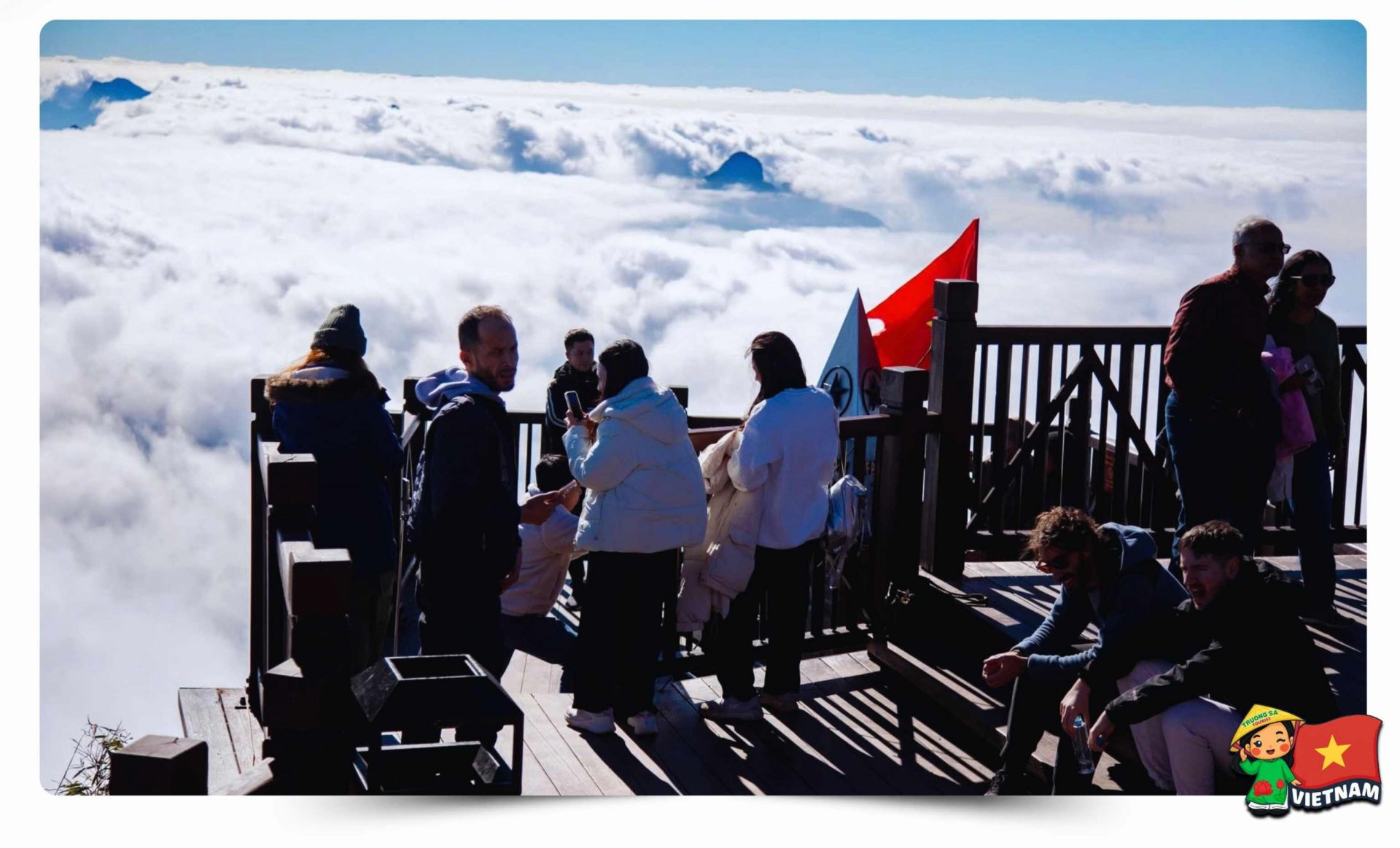
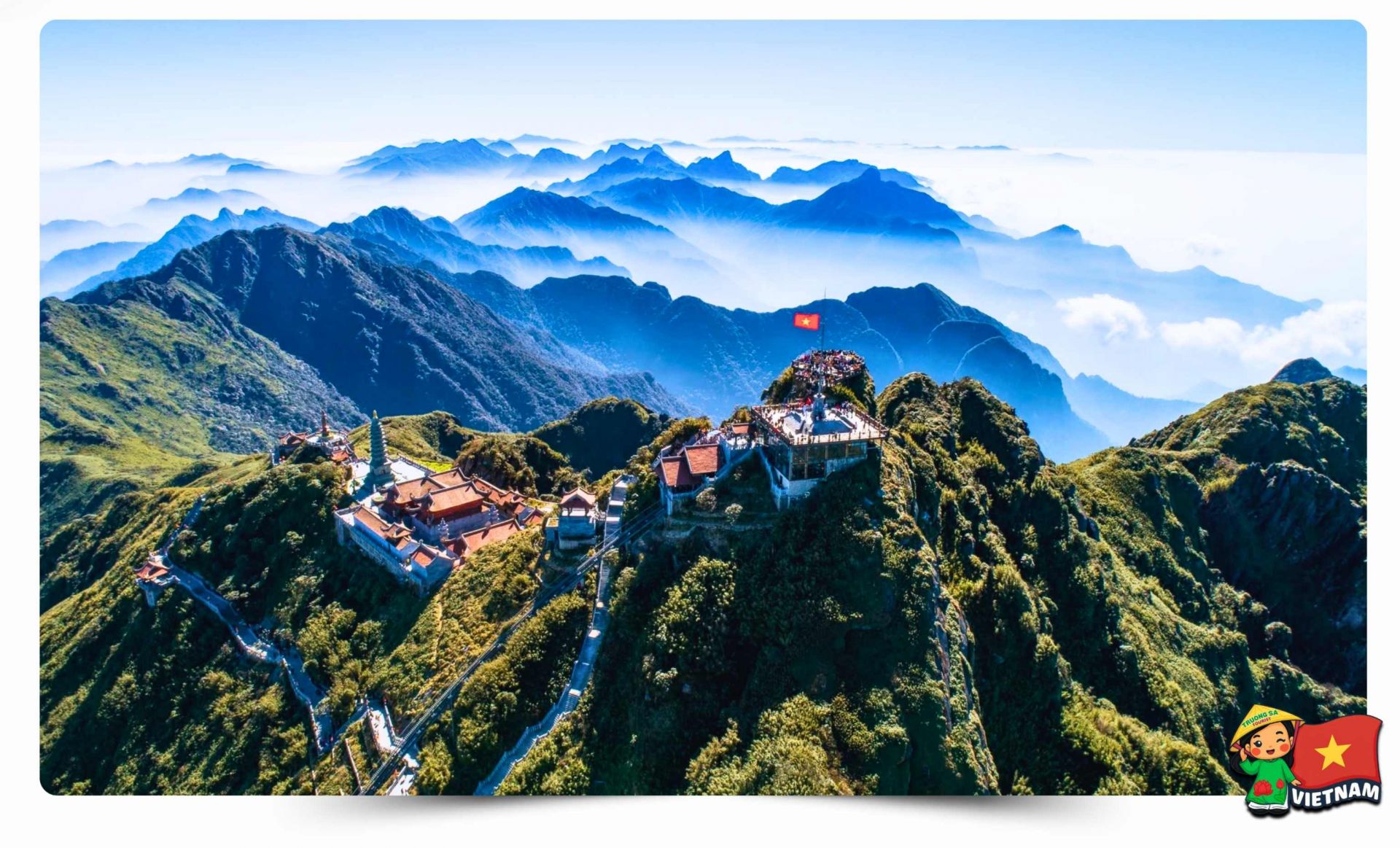 Standing above 3,000 meters and looking out over endless mountain ranges emerging from a sea of clouds is a moment that leaves a lasting impression on almost every visitor. On clear days, the panoramic views stretch for dozens of kilometers across the spectacular landscapes of Northwest Vietnam.
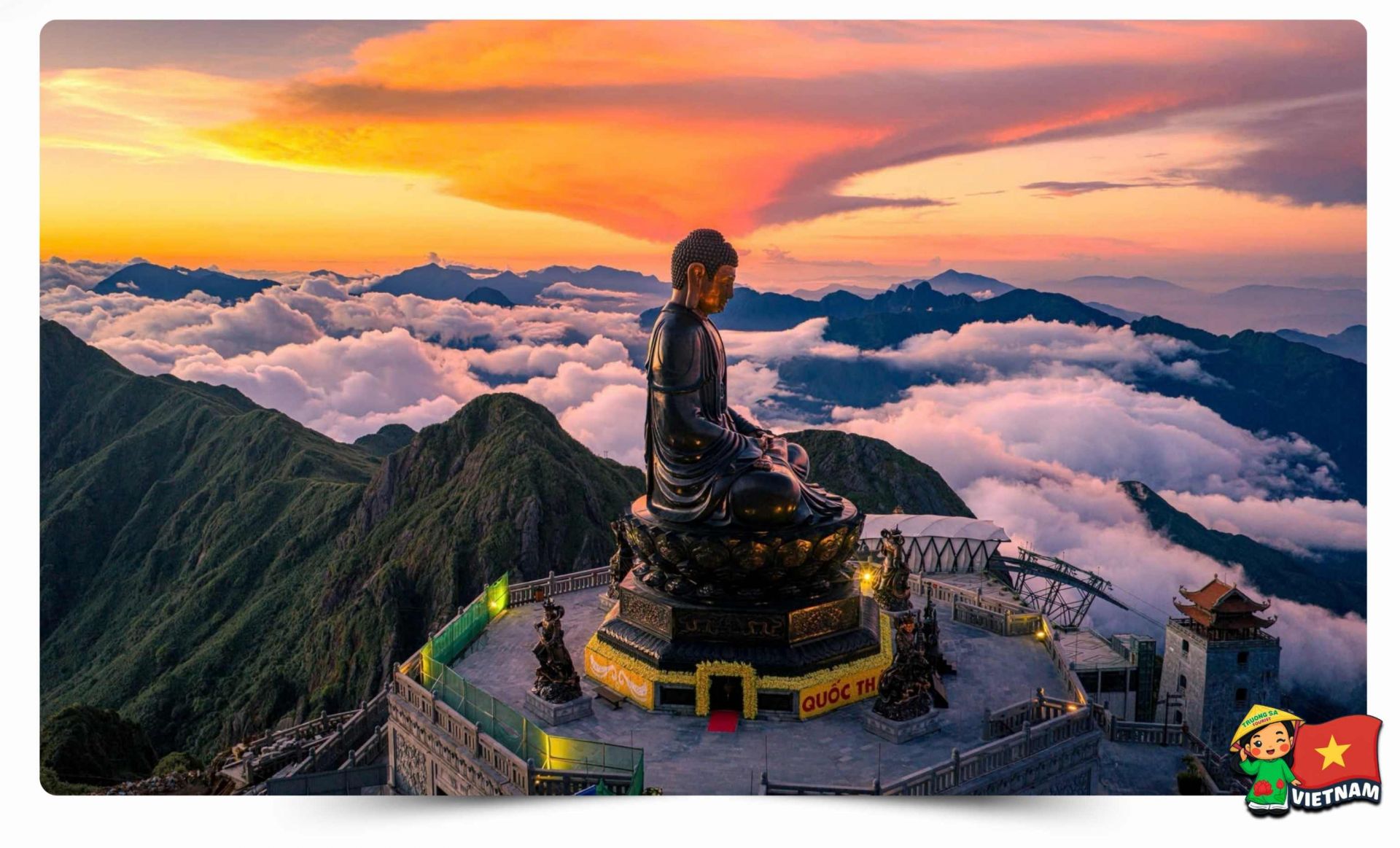 In addition to its natural beauty, Fansipan is home to an impressive spiritual and cultural complex featuring temples, giant Buddha statues, and traditional Vietnamese architectural elements. Together, they create a unique blend of nature, culture, and spirituality at the highest point in Indochina.
 3. Ride the Muong Hoa Mountain Railway
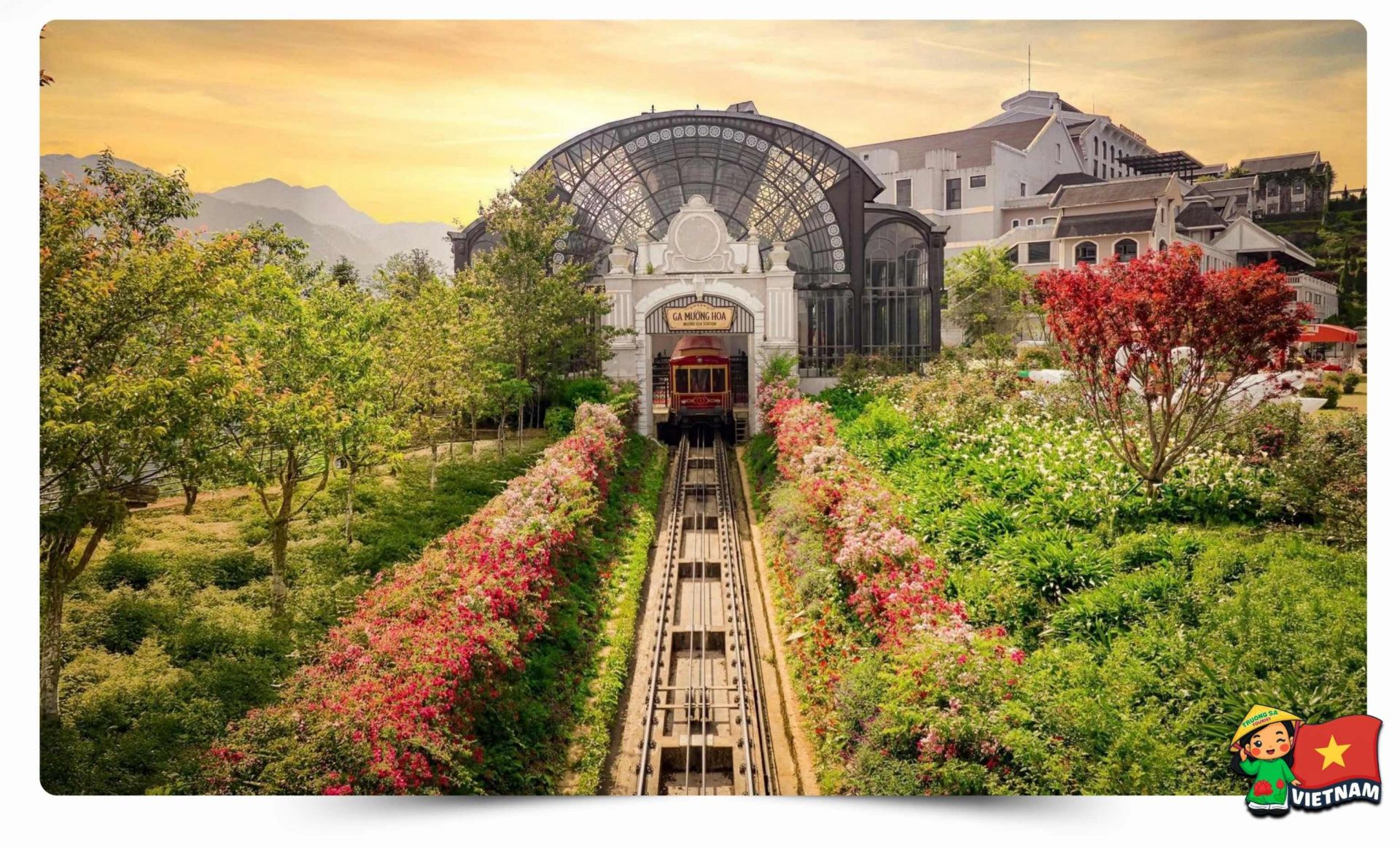
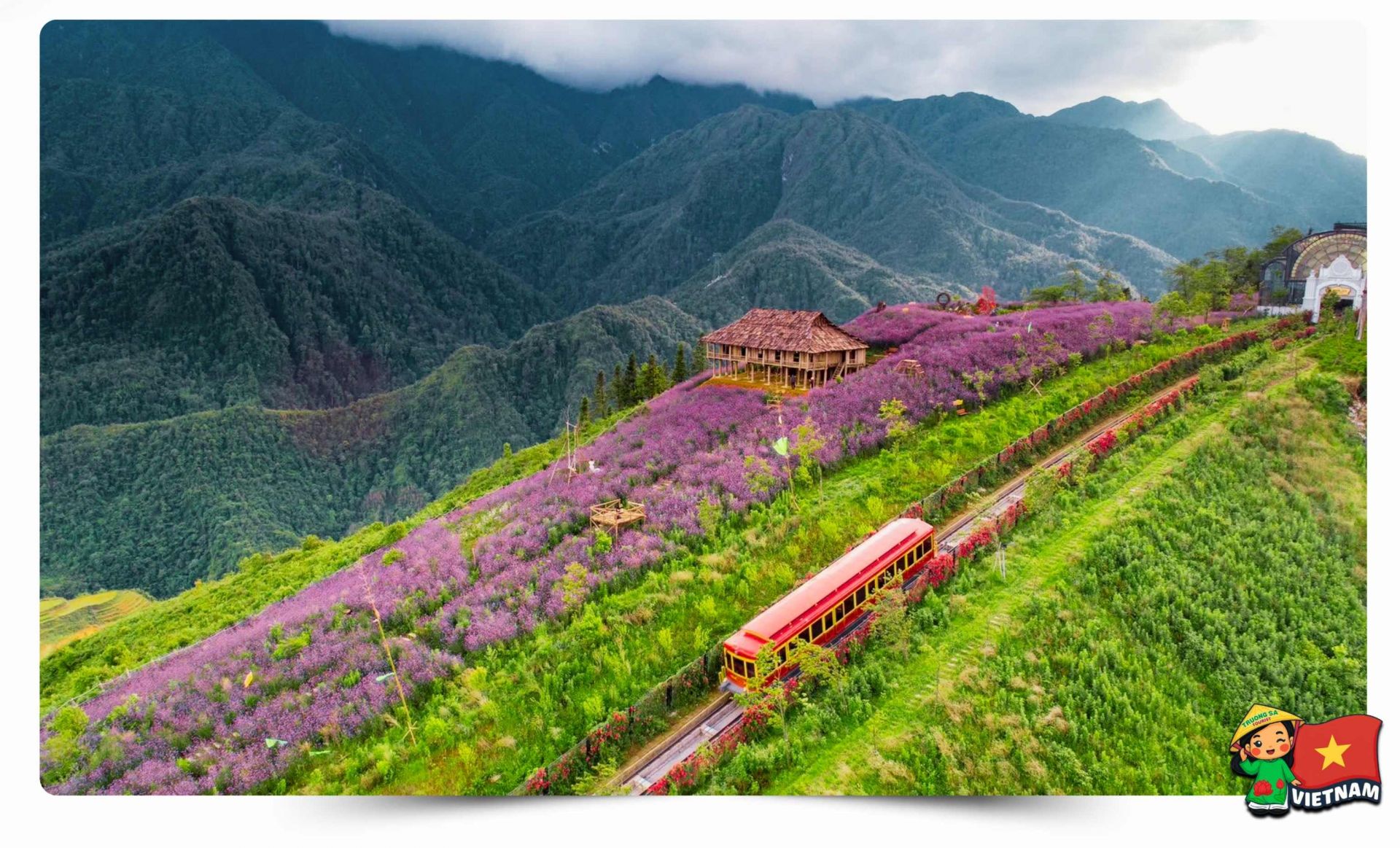
One of the most enjoyable experiences in modern Sapa is the journey aboard the Muong Hoa Mountain Railway.
Connecting Sapa Town with the Fansipan cable car station, this scenic railway passes through the stunning Muong Hoa Valley, offering passengers incredible views throughout the ride.
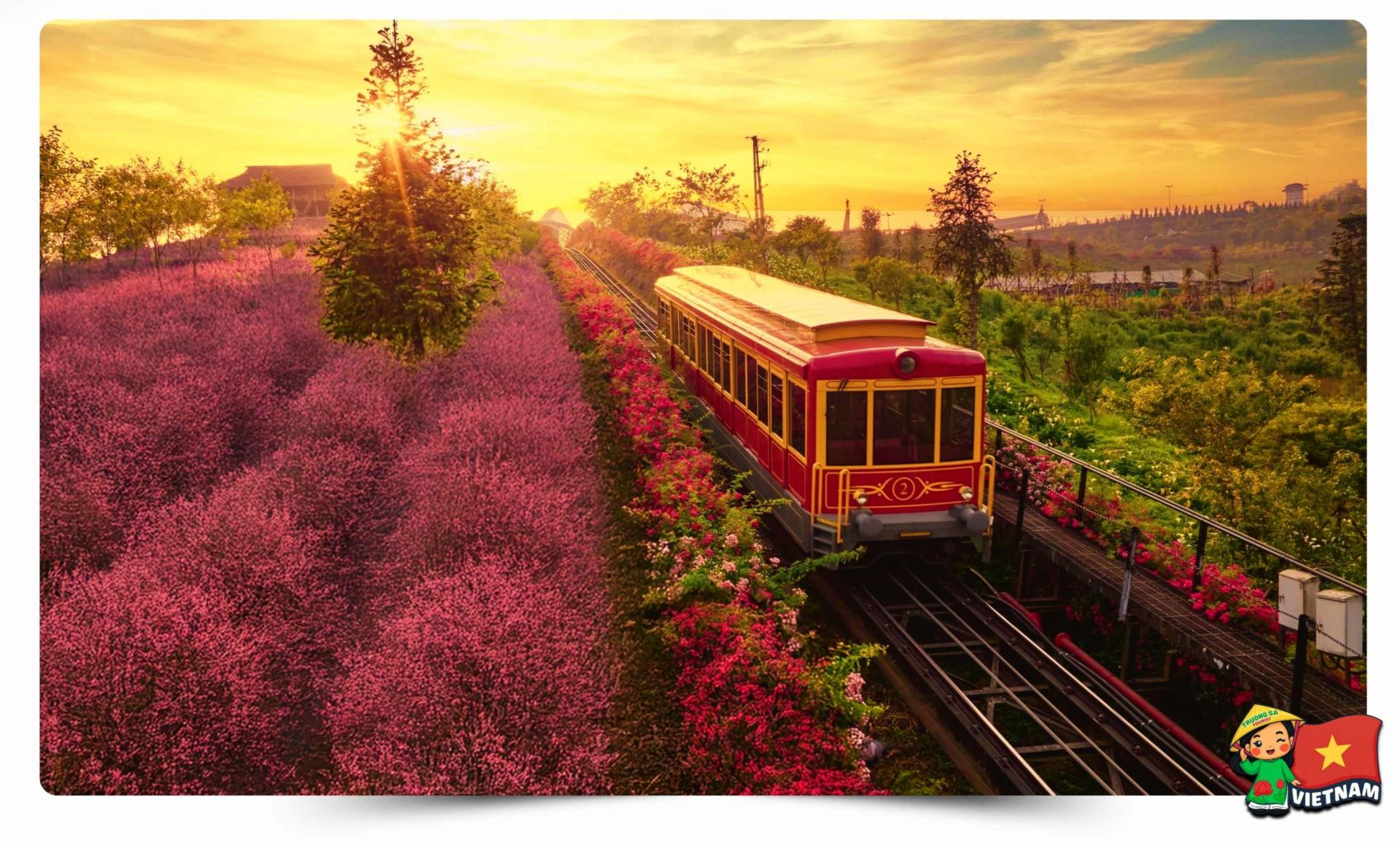 Large panoramic windows allow visitors to admire rice terraces, ethnic villages, and the towering mountains of the Hoang Lien Son range from the comfort of their seats.
Although the journey is relatively short, it has quickly become one of the most photographed transportation experiences in Vietnam thanks to its elegant European-inspired design and spectacular mountain scenery.
For many visitors, the railway ride itself becomes a memorable highlight of their Sapa adventure.
 4. Explore the Stunning Muong Hoa Valley
Muong Hoa Valley is often considered the heart and soul of Sapa's landscape.
This magnificent valley is famous for its expansive rice terraces, crystal-clear streams, traditional villages, and mysterious ancient stone carvings that have existed for centuries.
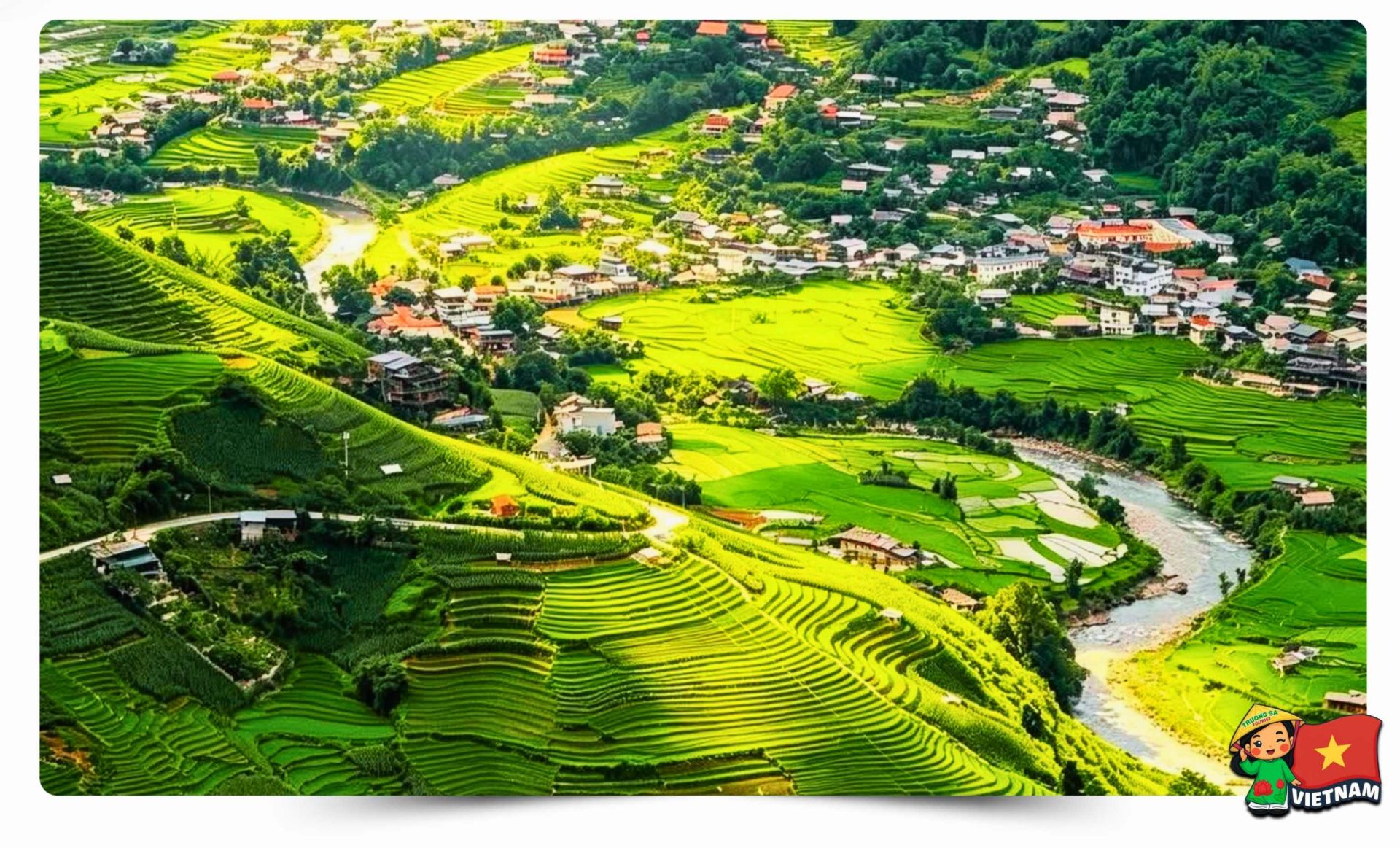 As one of the most scenic areas in Northern Vietnam, Muong Hoa offers countless opportunities for photography, cultural exploration, and outdoor activities.
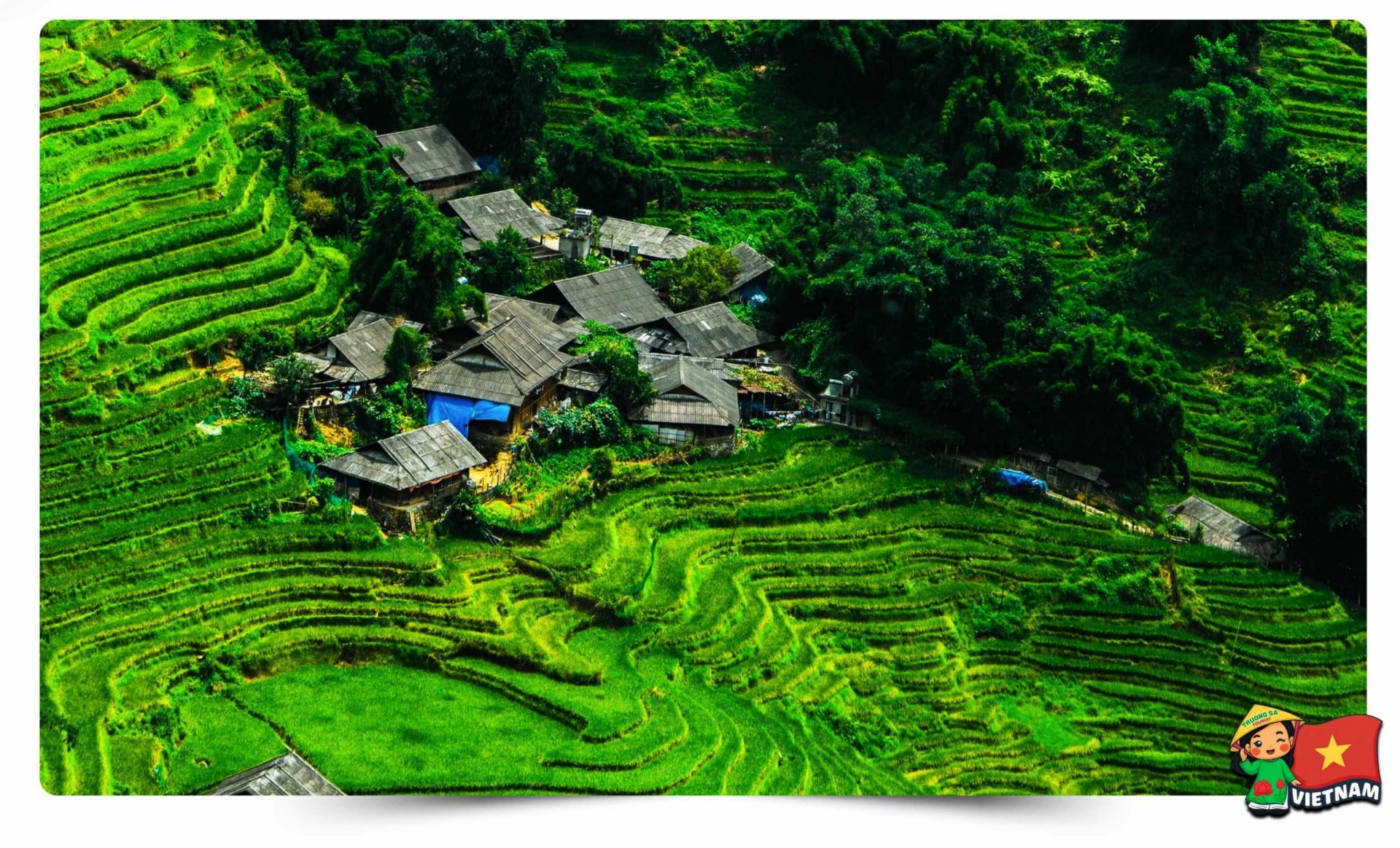
The valley changes dramatically throughout the year. During the water-pouring season, the fields shimmer like giant mirrors reflecting the sky. In summer, vibrant green rice paddies dominate the landscape. By autumn, the terraces transform into golden waves stretching across the mountains.
For travelers seeking both cultural immersion and natural beauty, Muong Hoa Valley is undoubtedly one of the most rewarding places to visit in Sapa.
5. Discover Cat Cat Village
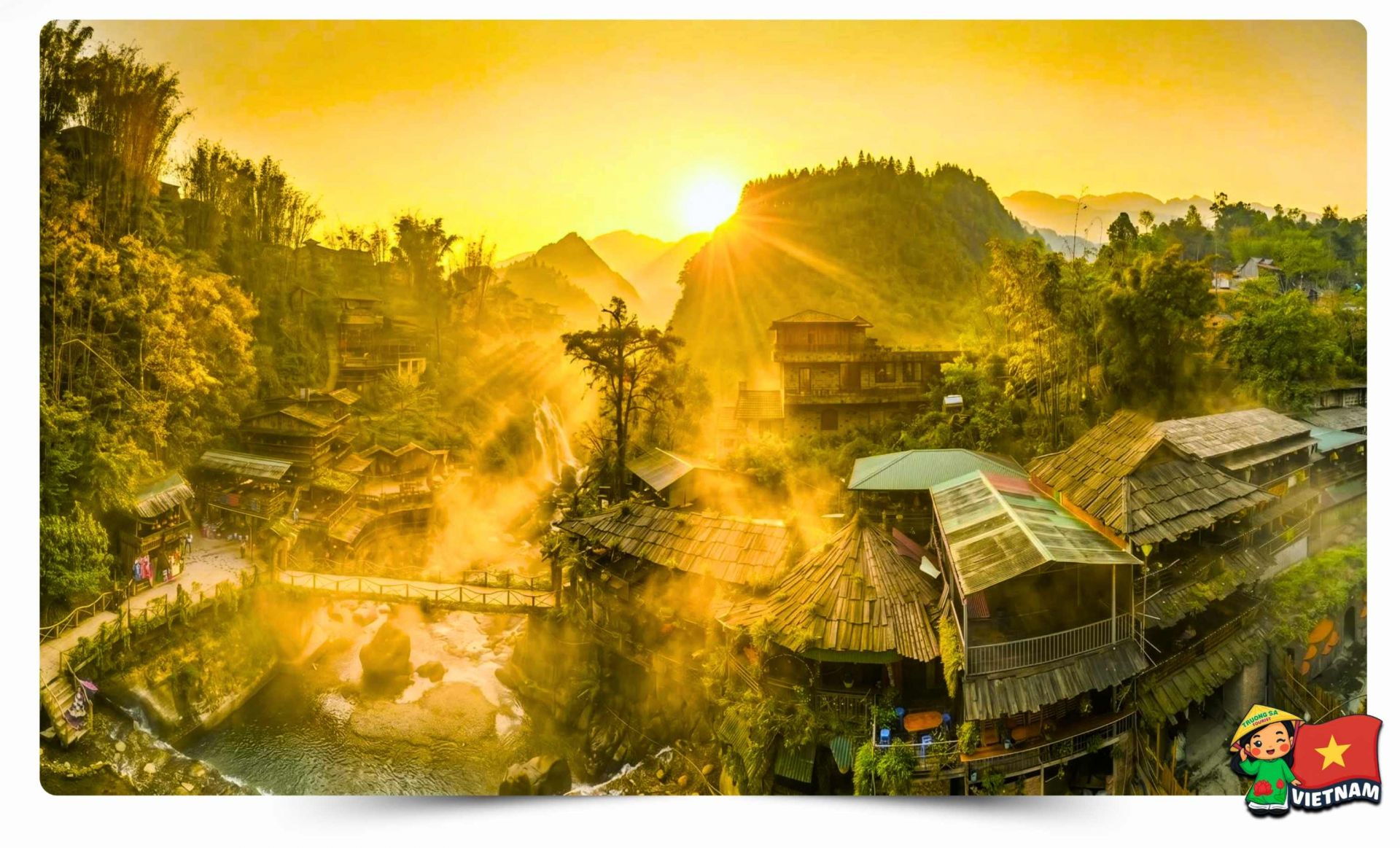 When people think about the most famous tourist attractions in Sapa, Cat Cat Village is often the first place that comes to mind.
Located just two kilometers from the town center, this traditional Hmong village is known for its winding stone pathways, wooden houses, terraced fields, and picturesque mountain setting.
The village offers visitors a chance to gain insight into the daily lives of local ethnic communities while enjoying some of the region's most accessible scenery.
Traditional handicraft workshops, including linen weaving and silver crafting, provide opportunities to learn about local culture. Visitors can also watch folk performances featuring traditional music and dance.
While Cat Cat Village has become one of the most visited attractions in Sapa, it still preserves many aspects of its cultural heritage and remains a worthwhile stop for first-time visitors.
6. Go Trekking Through Ta Van Village
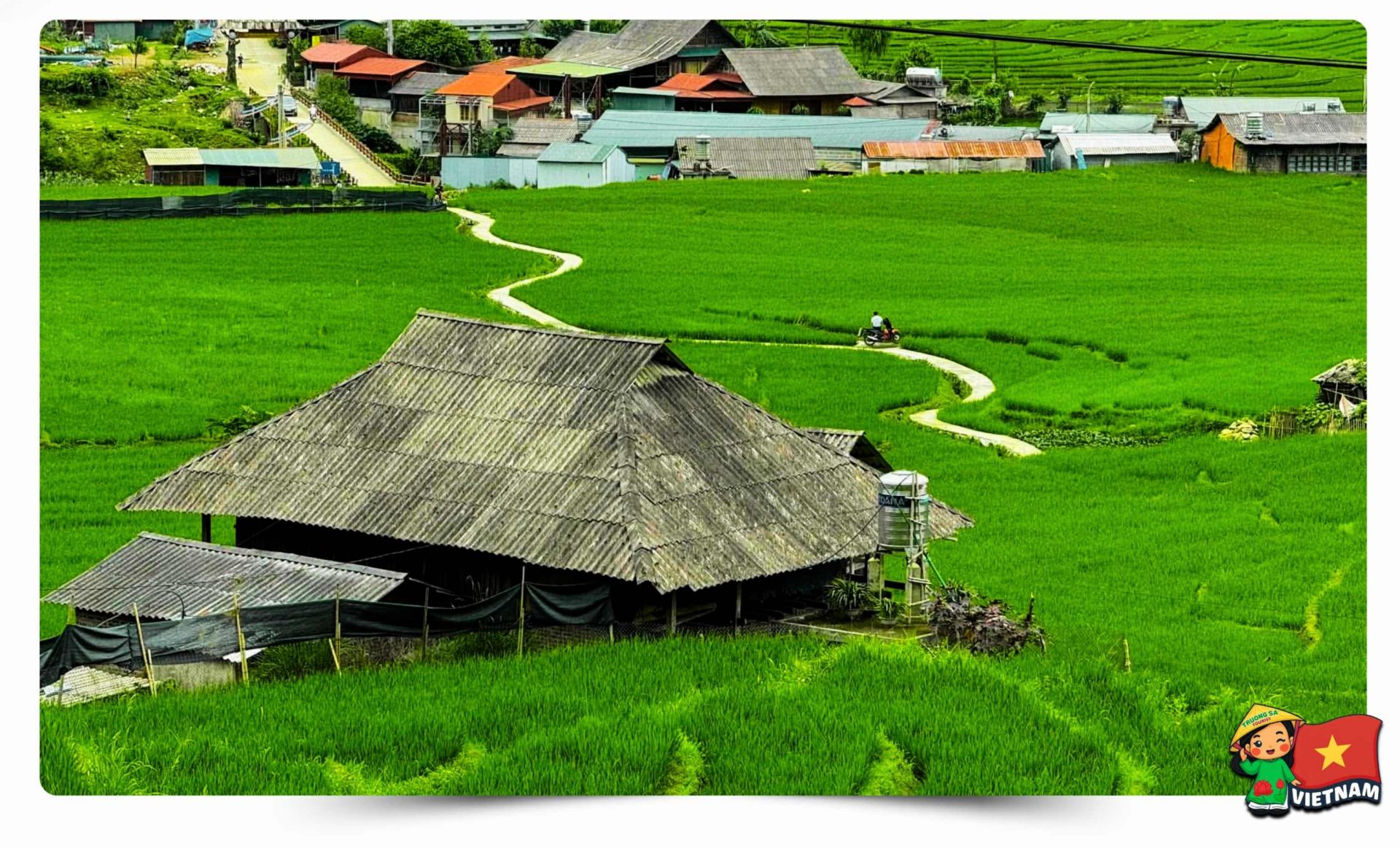 For travelers who want to experience a quieter and more authentic side of Sapa, trekking to Ta Van Village is an experience not to be missed.
Located approximately 10 kilometers from Sapa Town, Ta Van is home primarily to the Giay and Hmong ethnic groups. The route to the village passes through rolling rice terraces, bamboo forests, small suspension bridges, and peaceful mountain landscapes.
Unlike sightseeing from a vehicle, trekking allows visitors to fully appreciate the changing terrain, climate, and rhythms of local life.
Along the way, travelers encounter farmers working in the fields, children walking home from school, and traditional houses nestled among the hills.
This immersive experience remains one of the most highly rated activities among international travelers searching for the best things to do in Sapa.
7. Visit O Quy Ho Pass
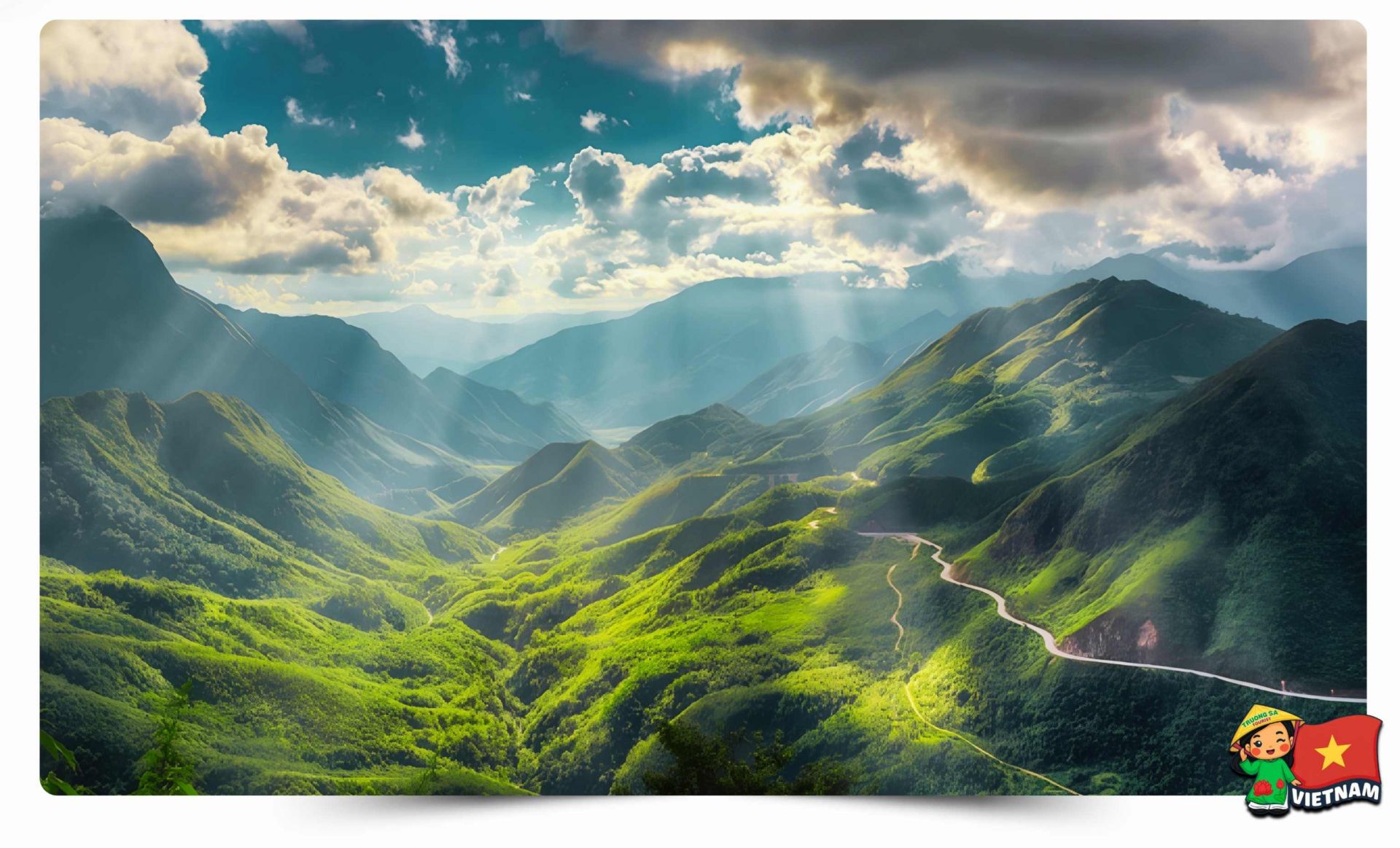 O Quy Ho Pass is widely regarded as one of Vietnam's Four Great Mountain Passes and one of the most spectacular roads in the country.
Stretching nearly 50 kilometers across the Hoang Lien Son mountain range, the pass is famous for its dramatic curves, steep cliffs, and breathtaking viewpoints.
Standing at one of the observation points near sunset, visitors can admire endless layers of mountains fading into the horizon. The constantly changing weather often creates a magical atmosphere where sunshine, clouds, and mist coexist in a single landscape.
Whether you are a photographer, a road-trip enthusiast, or simply someone who appreciates extraordinary scenery, O Quy Ho Pass deserves a place on your Sapa itinerary.
8. Visit the Historic Sapa Stone Church
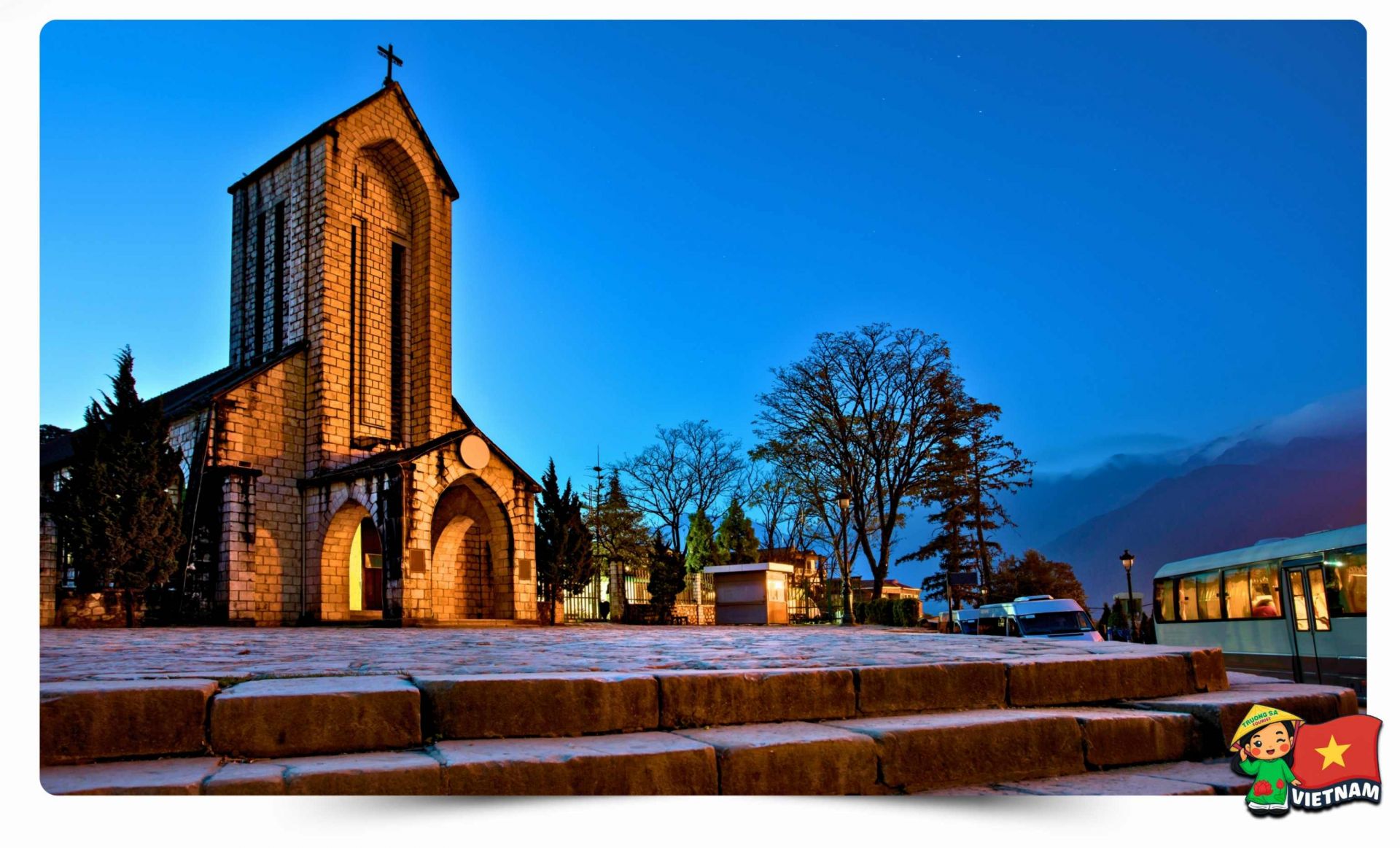 The Sapa Stone Church is one of the town's most recognizable landmarks and an important reminder of its colonial history. Built during the French colonial era, the church features classic Gothic architecture, stone walls, arched windows, and a distinctive bell tower that has become a symbol of Sapa.
Located in the heart of town, the church and surrounding square serve as a cultural gathering place where local events, festivals, and community activities frequently take place.
During the evening, the illuminated church creates a charming atmosphere that attracts both photographers and visitors looking to experience the vibrant energy of Sapa Town.
For travelers interested in history, architecture, and local culture, the Sapa Stone Church remains an essential stop during any visit to the region.
9. Discover Sapa Love Market
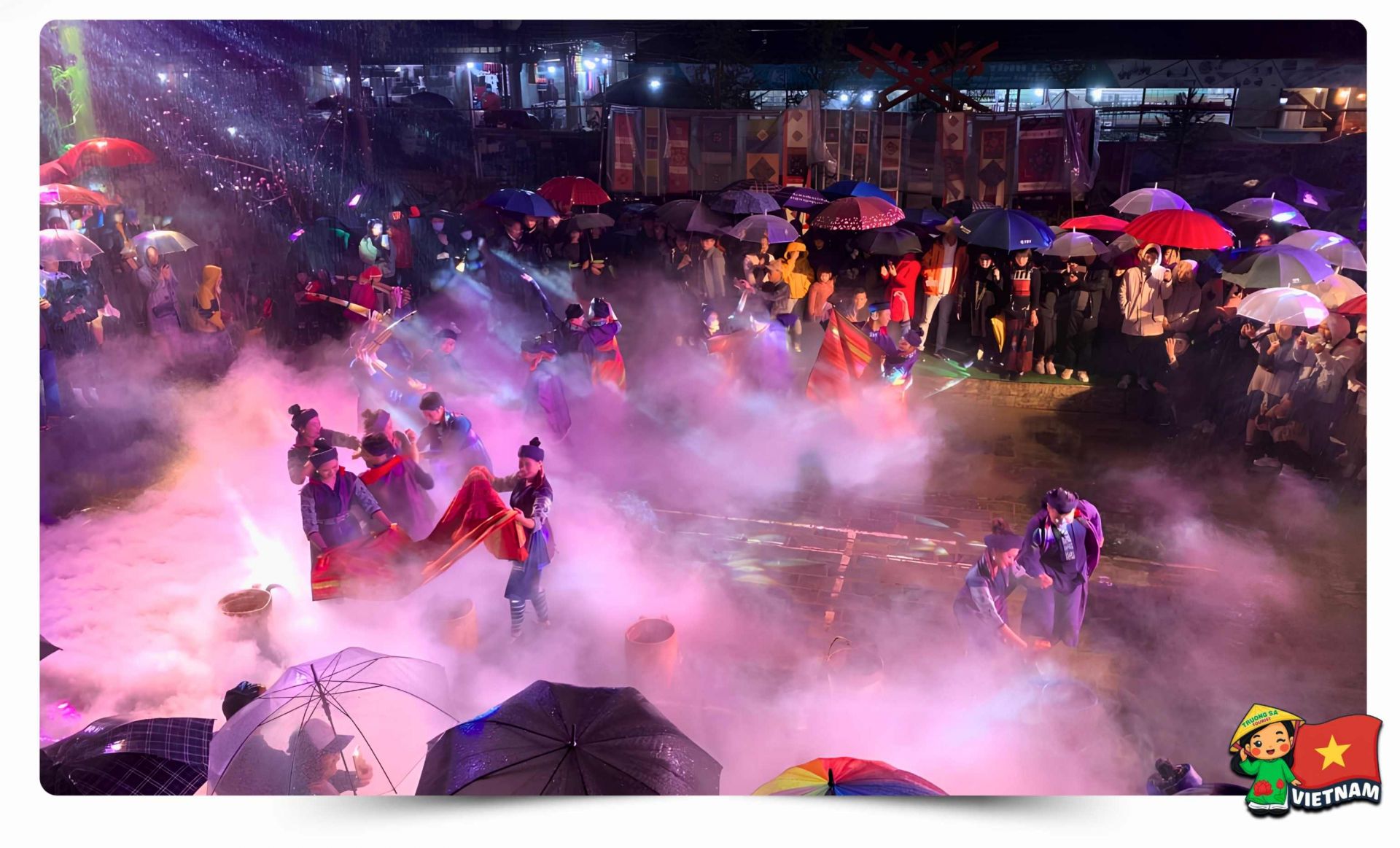 The Sapa Love Market is one of the most fascinating cultural traditions associated with the ethnic communities of the region, particularly the Hmong and Red Dao people.
Historically, the market served as a social gathering where young men and women from different villages met, sang traditional folk songs, and sought potential life partners. While the original tradition has evolved over time, visitors can still experience elements of this unique cultural heritage through traditional performances, music, and community activities held in Sapa.
For travelers interested in local customs and ethnic culture, the Love Market offers valuable insight into the social life and traditions of Northwest Vietnam.
10. Visit Lao Chai Village
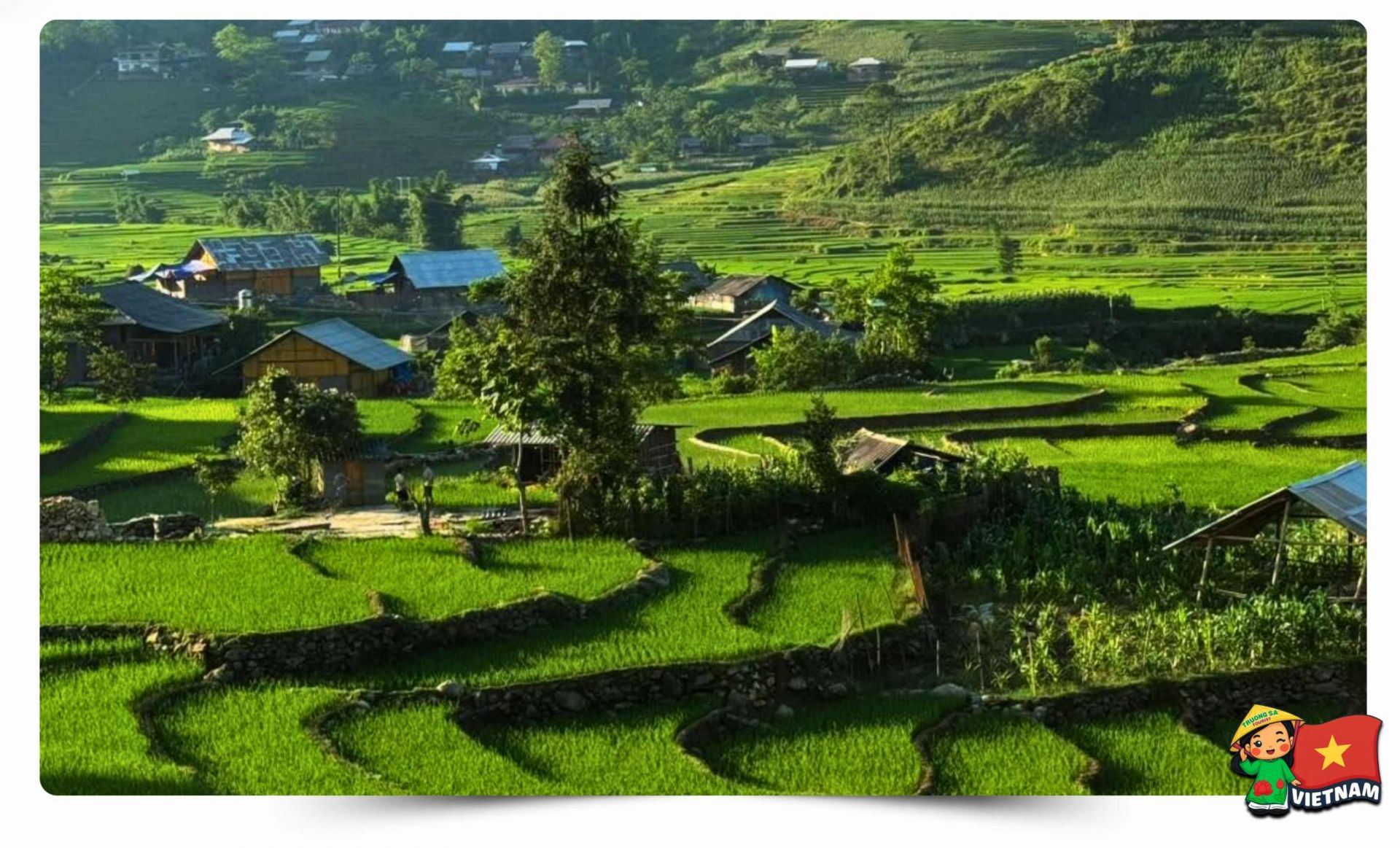 Nestled within the beautiful Muong Hoa Valley, Lao Chai Village is one of the best places to admire Sapa’s iconic terraced rice fields.
The village is home primarily to the Black Hmong people, who have lived in the region for generations. Small footpaths winding through the mountains provide excellent opportunities to observe daily life, traditional farming methods, and breathtaking scenery.
The landscape changes dramatically throughout the year, from mirror-like flooded terraces in spring and early summer to lush green fields and golden harvests in autumn.
For many photographers and nature lovers, Lao Chai is among the most scenic destinations in the entire Sapa region.
11. Admire the Golden Rice Terraces During Harvest Season
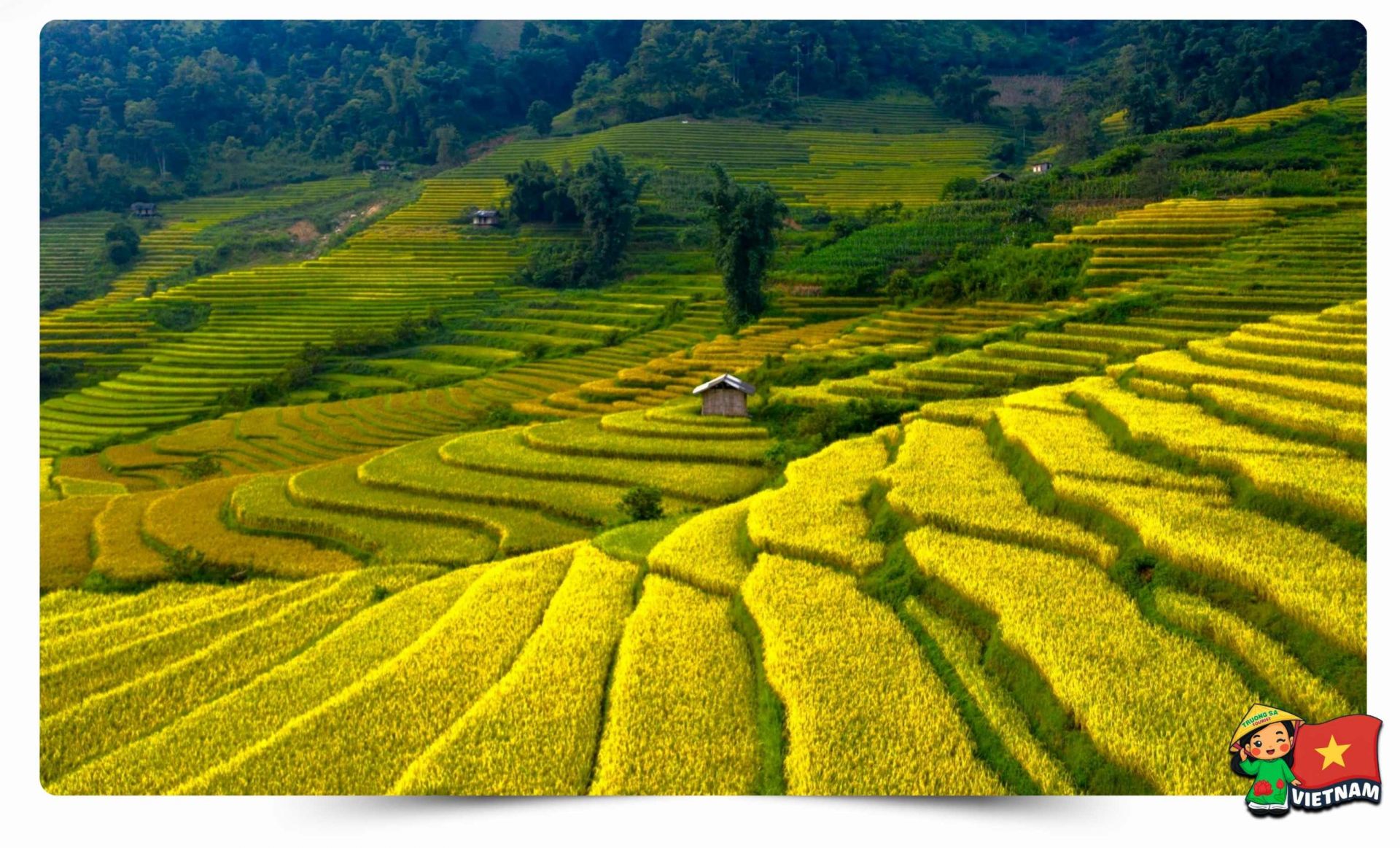 The terraced rice fields of Sapa are among the most recognizable images of Vietnam and frequently appear in international travel magazines and guidebooks.
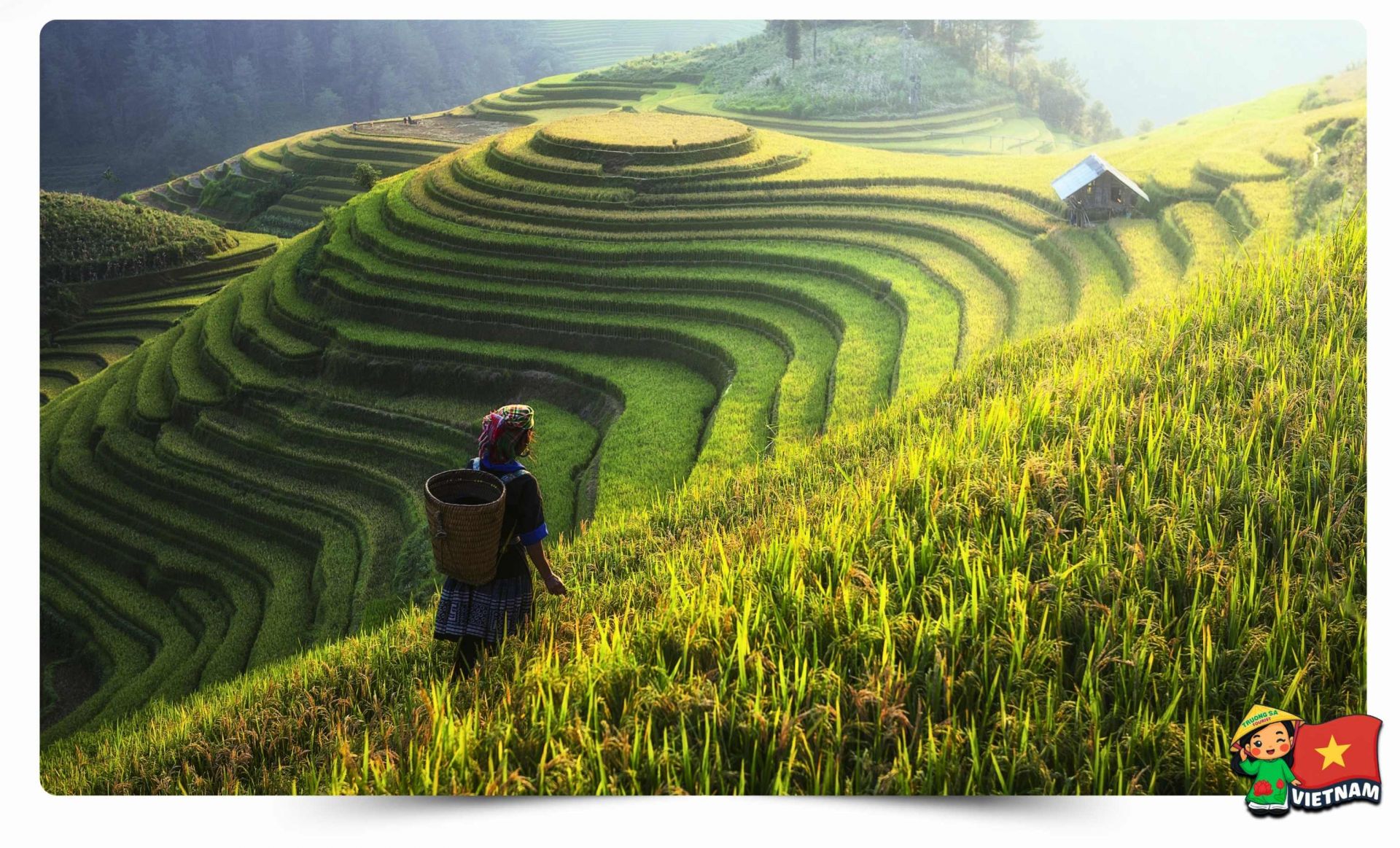
From September to October, the terraces transform into endless waves of golden rice stretching across mountainsides and valleys. Under the afternoon sunlight, the fields glow with remarkable shades of yellow and gold, creating one of the most spectacular landscapes in Southeast Asia.
This is also the peak season for photography, attracting both professional photographers and travelers eager to capture the region’s most iconic scenery.
If you visit Sapa only once, witnessing the rice terraces during harvest season should be at the top of your list.
12. Stay in a Traditional Mountain Homestay
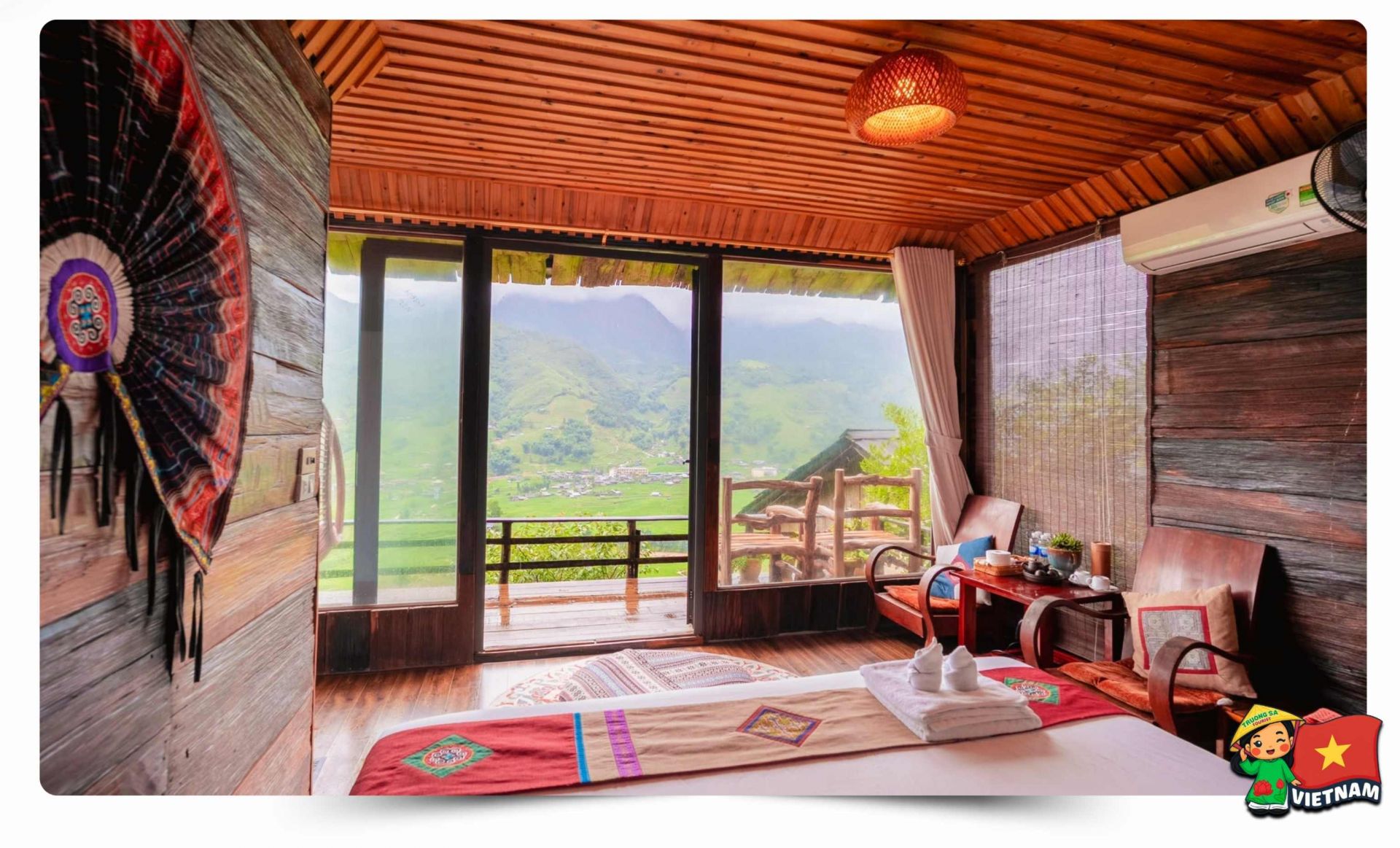 Choosing a homestay in Sapa is more than simply selecting a place to sleep - it is an opportunity to experience local culture firsthand.
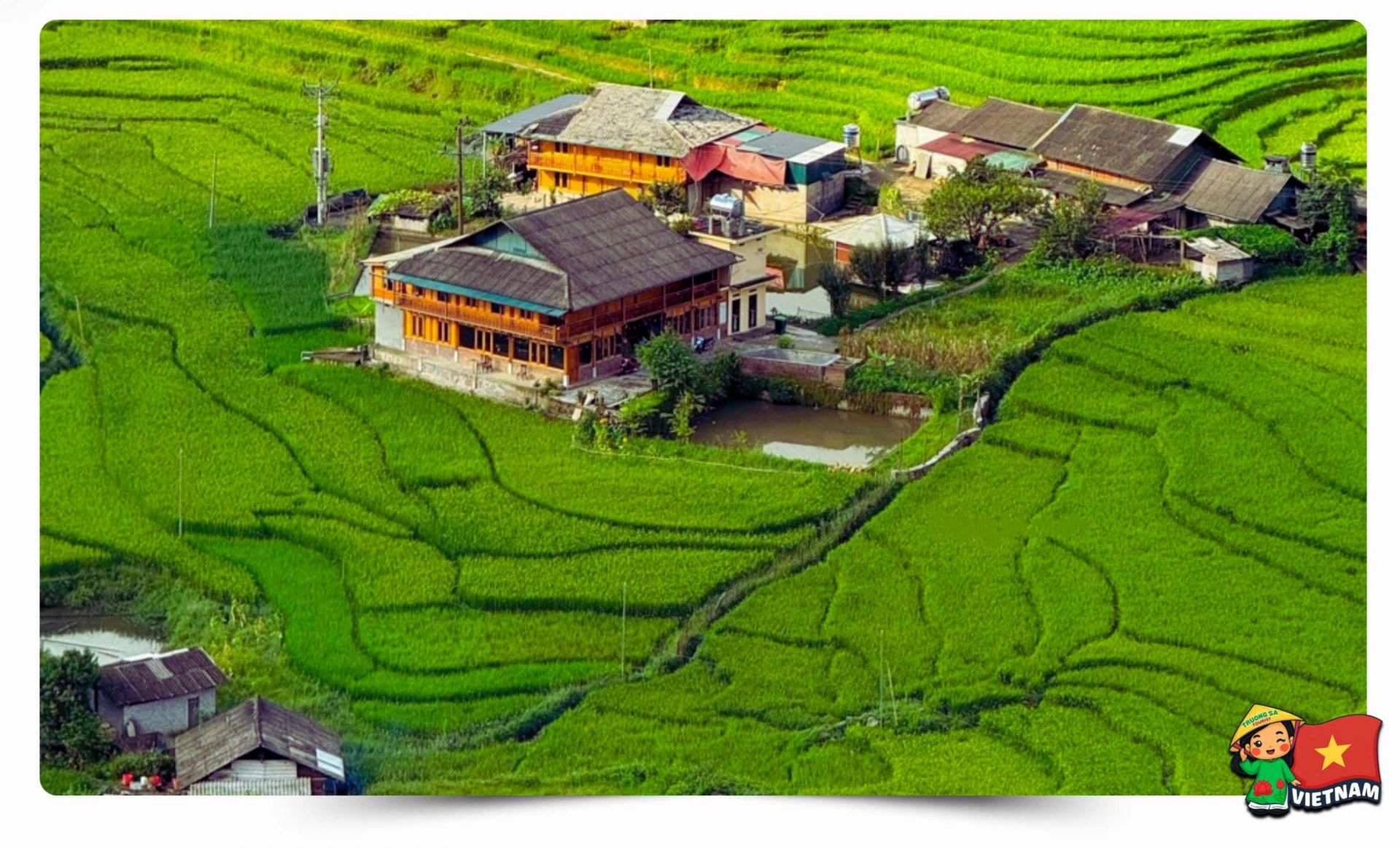
Many homestays are operated by ethnic minority families and are located in villages such as Ta Van, Lao Chai, and Ban Ho. Guests can enjoy home-cooked meals, learn about local traditions, and gain a deeper understanding of daily life in the mountains.
Evenings spent around a warm fire, sharing stories and traditional dishes with local hosts, often become some of the most memorable moments of a trip to Sapa.
For travelers seeking authentic cultural experiences, staying in a homestay is highly recommended.
13. Explore Bac Ha Market
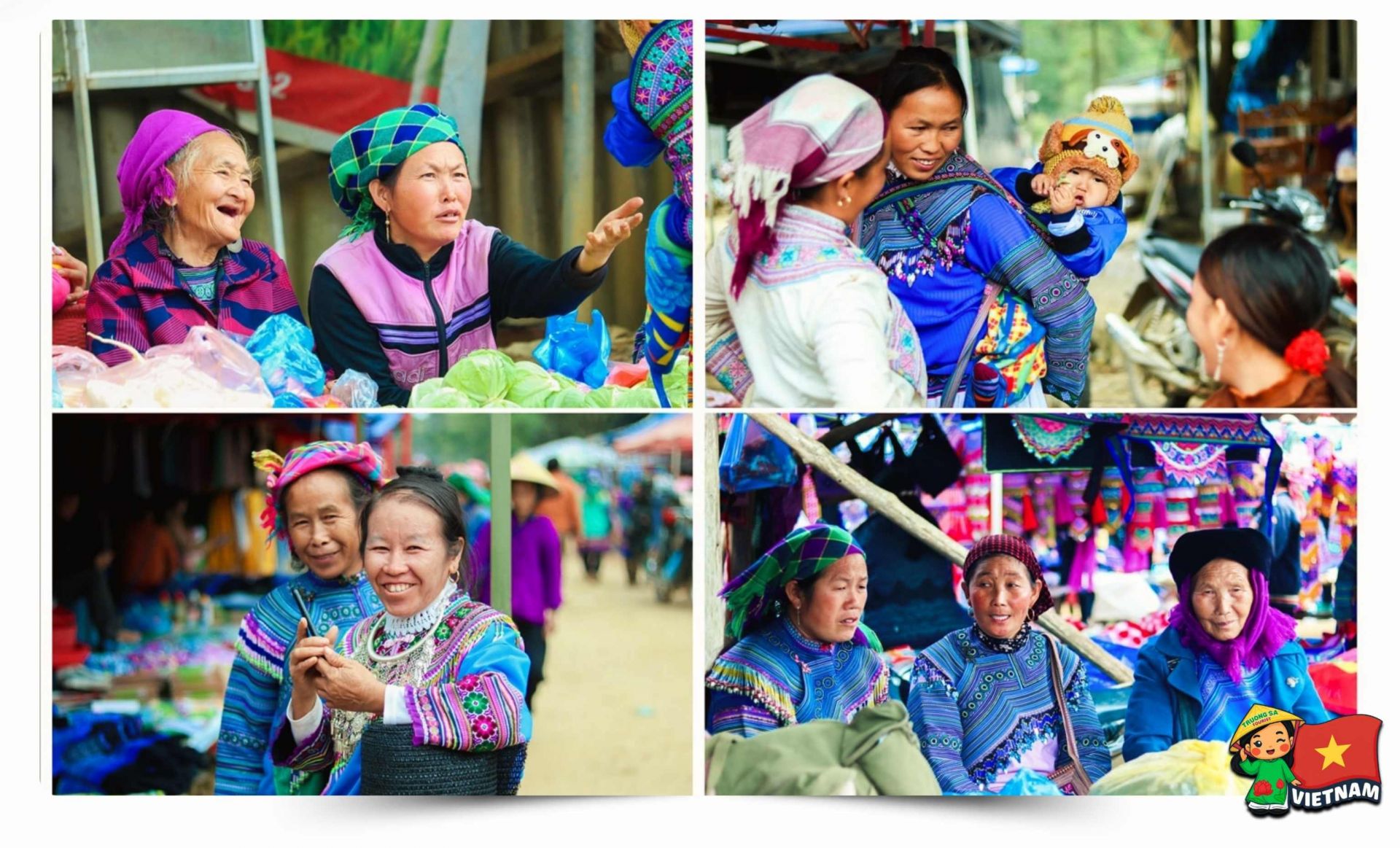 Bac Ha Market is one of the largest and most colorful ethnic markets in Northern Vietnam. Held weekly, the market attracts people from numerous ethnic communities who gather to trade goods, purchase supplies, and socialize. Visitors can browse stalls selling traditional textiles, handicrafts, agricultural products, livestock, and local food.
The vibrant colors of traditional clothing, combined with the lively atmosphere of the market, create a unique cultural experience that is difficult to find elsewhere in Vietnam.
For travelers interested in ethnic traditions and local lifestyles, a visit to Bac Ha Market offers an unforgettable glimpse into mountain culture.
14. Experience the Rich Ethnic Culture of Sapa
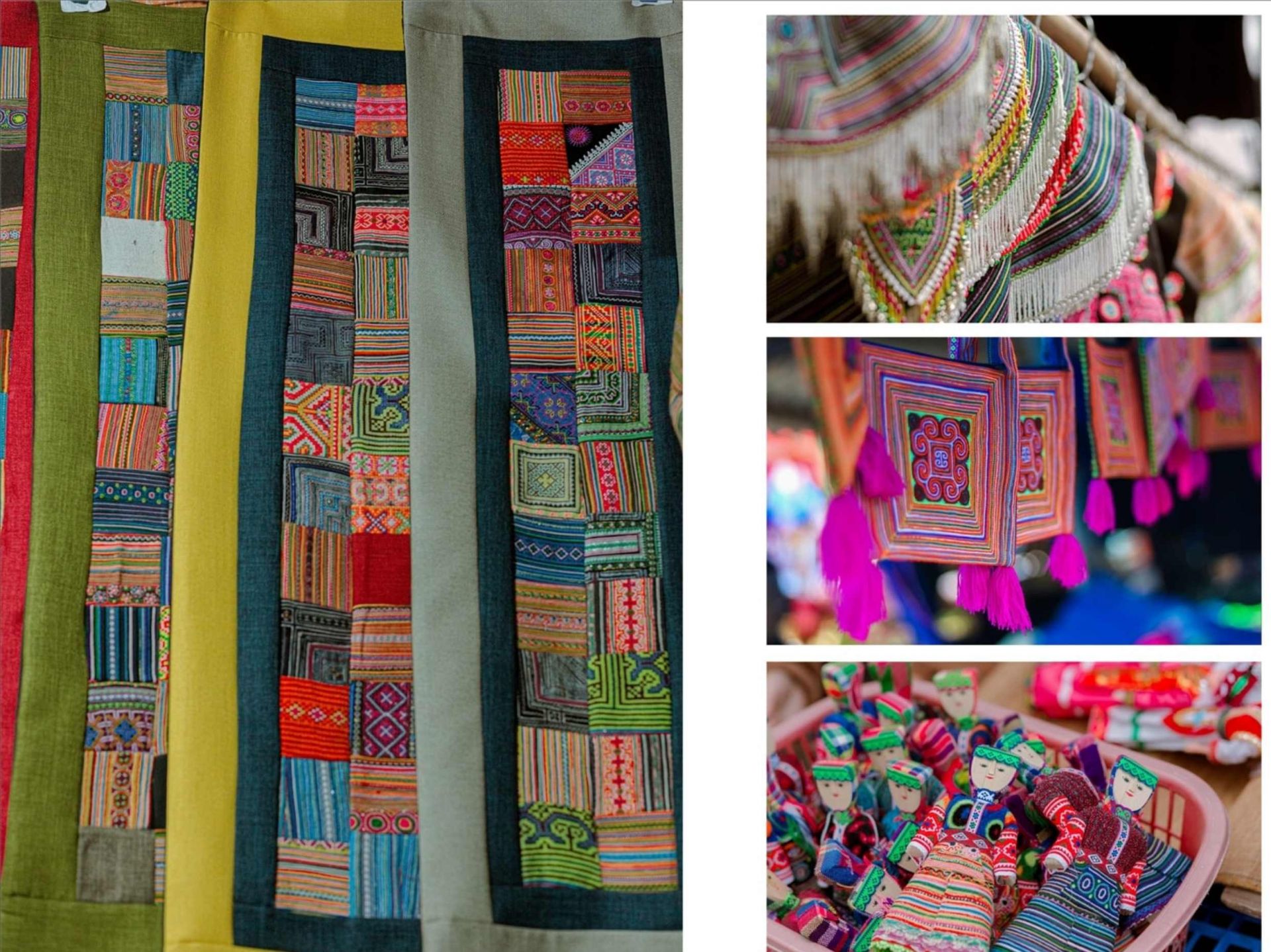
A trip to Sapa would be incomplete without exploring the cultural heritage that makes the region so unique. The area is home to several ethnic minority groups, each with its own language, traditions, festivals, clothing, architecture, and handicrafts. These cultural differences contribute to the remarkable diversity that defines Sapa.
Visitors can learn about traditional weaving techniques, silver craftsmanship, folk music, local festivals, and agricultural practices that have shaped life in the mountains for centuries.
Rather than simply admiring the scenery, taking time to engage with local communities allows travelers to gain a much deeper appreciation of Sapa’s identity and cultural significance.
15. Watch the Sunset from Ham Rong Mountain
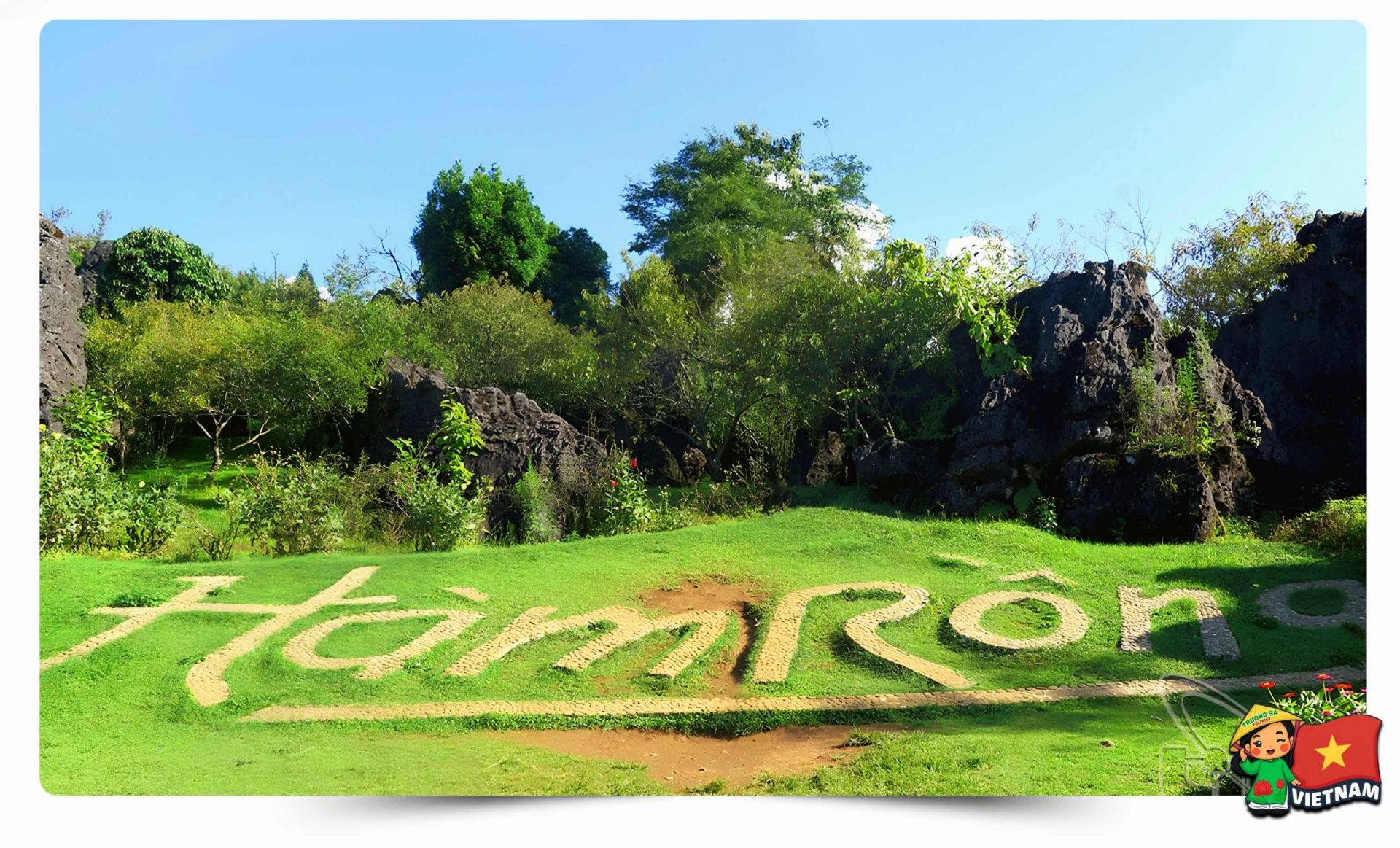 Ham Rong Mountain is one of the best viewpoints in Sapa and offers spectacular panoramic views of the town and surrounding valleys. A relatively easy climb leads visitors through beautifully landscaped gardens, colorful flower displays, and scenic observation points overlooking the Hoang Lien Son mountain range.
As the sun begins to set, the town below is bathed in shades of gold, orange, and pink while distant mountains gradually disappear into the evening mist. The peaceful atmosphere and stunning scenery make Ham Rong Mountain one of the best places to end a day in Sapa.
For many travelers, watching the sunset from this vantage point becomes one of the most memorable experiences of their journey.
What to Eat in Sapa?
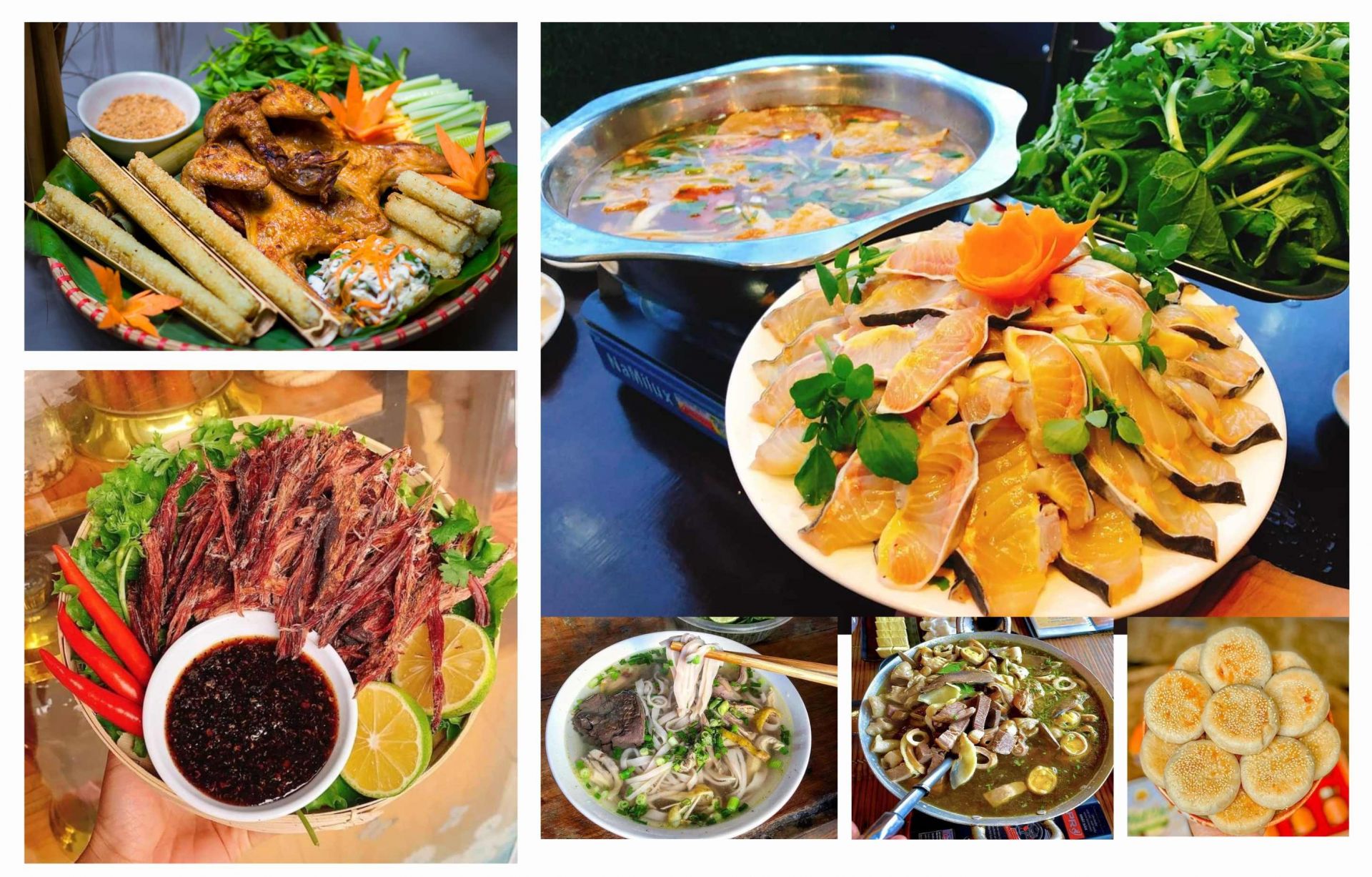
Food is an essential part of any Sapa travel experience, and the region offers a distinctive culinary culture shaped by its cool climate, mountain environment, and diverse ethnic communities.
- Sapa salmon is one of the town’s most famous specialties. Raised in the region’s cold mountain waters, the fish is known for its firm texture, natural sweetness, and versatility. It is commonly served in hotpot dishes, grilled preparations, or even sashimi-style presentations.
- Thang Co is a traditional Hmong dish and one of the most iconic foods of Northwest Vietnam. Its flavor can be quite unique for first-time visitors, but it provides an authentic taste of local culinary traditions.
- Grilled free-range mountain pork, often referred to as "cap nach pork," is another local favorite. The crispy skin and tender meat make it a popular choice for both visitors and locals.
- Other specialties worth trying include black chicken, bamboo-tube rice, smoked buffalo meat, mustard greens, and traditional corn wine produced by ethnic communities.
What makes dining in Sapa particularly enjoyable is not only the food itself but also the cool mountain air. Whether enjoying a hotpot on a chilly evening or sampling local barbecue at a night market, the atmosphere adds a special charm to every meal.
How to Get to Sapa
 Traveling to Sapa has become significantly easier in recent years thanks to improved transportation infrastructure and the Hanoi - Lao Cai Expressway.
Limousine buses remain the most popular transportation option for travelers. The journey from Hanoi to Sapa typically takes between five and six hours. Modern vehicles offer spacious reclining seats, convenient pick-up services, and a comfortable travel experience, making them particularly suitable for families and international visitors.
For those who enjoy slower, more nostalgic travel experiences, overnight trains continue to be an attractive option. Travelers can board a train in Hanoi and arrive at Lao Cai Railway Station the following morning. From there, it is approximately 35 kilometers to Sapa Town.
Motorcycle travel is another exciting option for adventurous travelers. Riding through Northern Vietnam’s mountain roads provides incredible scenery and flexibility. However, the route includes steep mountain passes and rapidly changing weather conditions, requiring confident riding skills and proper preparation.
For visitors planning to combine multiple destinations such as Hanoi, Ninh Binh, Ha Long Bay, and Sapa, private transportation or organized tours often provide the most efficient and convenient solution.
One important travel tip is to book transportation at least two to four weeks in advance during peak travel seasons, especially during the rice harvest period in September and October and major public holidays.
Vietnam Tours That Combine Sapa with Other Must-Visit Destinations
 For many international travelers, Sapa is not a standalone destination but rather a highlight within a broader journey through Vietnam.
Combining Sapa with famous destinations from north to south allows visitors to experience the country's remarkable diversity, from bustling cities and historic landmarks to spectacular mountain landscapes and coastal scenery.
One itinerary worth considering is the Vietnam Explorer: Ho Chi Minh City to Hanoi in 12 Days offered by Truong Sa Tourist Vietnam DMC. This 12-day journey takes travelers through Ho Chi Minh City, the Mekong Delta, Hoi An, Hanoi, Ninh Binh, and Sapa. The itinerary balances cultural experiences, natural wonders, and authentic local encounters, from the lantern-lit streets of Hoi An to the breathtaking mountain scenery and ethnic villages of Sapa.
| ►Vietnam Explorer: Ho Chi Minh City to Hanoi in 12 Days |
 Another excellent option is the 10-Day Classic Vietnam Journey 2026: Ho Chi Minh City - Hoi An - Hanoi - Sapa, available through TourRadar. This itinerary is ideal for travelers seeking to experience Vietnam’s most iconic destinations within a shorter timeframe, combining historical cities, cultural heritage sites, and the spectacular mountain landscapes of Northwest Vietnam.
| 10-Day Classic Vietnam Journey 2026: Ho Chi Minh – Hoi An – Hanoi – Sapa |
 For first-time visitors, multi-destination journeys that include Sapa often provide the perfect balance of culture, cuisine, nature, and local experiences. As a result, these itineraries continue to grow in popularity among international travelers looking to explore Vietnam more comprehensively within 10 to 14 days.
Whether you choose to explore Sapa independently, travel with family, or join a guided Vietnam tour, this remarkable destination consistently delivers unforgettable experiences.
Every season reveals a different side of Sapa’s beauty. Spring brings colorful blossoms and vibrant festivals, summer showcases lush green rice terraces, autumn transforms the landscape into golden waves of harvest-ready fields, and winter creates a magical atmosphere of mist, frost, and occasionally even snow.
As Vietnam continues to attract travelers from around the globe in 2026 and 2027, Sapa remains one of the country's most rewarding destinations. The region’s combination of dramatic landscapes, rich ethnic heritage, authentic local culture, and peaceful mountain scenery creates an experience unlike any other in Vietnam.
Ultimately, the true beauty of Sapa lies not only in the places you visit but also in the personal memories and moments you create while exploring this extraordinary corner of the country.
 FAQ - Frequently Asked Questions About Visiting Sapa
1. Where is Sapa located?
Sapa is located in Lao Cai Province in northwestern Vietnam, approximately 320 kilometers from Hanoi.
2. When is the best time to visit Sapa?
September and October are generally considered the best months to visit due to the spectacular golden rice terraces during harvest season.
3. Does Sapa ever get snow?
Yes. During particularly cold winters, temperatures can drop low enough for frost and occasional snowfall to occur.
4. How many days do I need in Sapa?
A 3-day, 2-night itinerary is ideal for exploring the region’s most famous attractions and cultural highlights.
5. How high is Fansipan Peak?
Fansipan stands at approximately 3,143 meters above sea level and is known as the Roof of Indochina.
6. Is independent travel in Sapa easy?
Yes. Transportation, accommodation, and tourism services have improved significantly, making Sapa an excellent destination for independent travelers.
7. Is Sapa suitable for families with children?
Absolutely. Attractions such as Fansipan, Cat Cat Village, and Ham Rong Mountain are suitable for family travel.
8. Should I stay in a hotel or a homestay?
Hotels offer greater comfort and convenience, while homestays provide a more authentic cultural experience and closer interaction with local communities.
9. What are the most famous foods to try in Sapa?
Popular specialties include Sapa salmon, grilled mountain pork, Thang Co, smoked buffalo meat, black chicken, and local mountain vegetables.
10. Should I combine Sapa with Ha Long Bay and Ninh Binh?
Yes. Combining Sapa with Ha Long Bay and Ninh Binh is one of the most popular travel routes in Northern Vietnam, offering an excellent mix of cultural experiences, natural beauty, and diverse landscapes.
CONTACT INFORMATION
TRUONG SA TOURIST VIETNAM DMC
►Phone: +84 913 645 958
►Email: info@truongsatourist.net
►Facebook: Truong Sa Tourist Vietnam DMC
►TikTok: Truong Sa Tourist Vietnam DMC